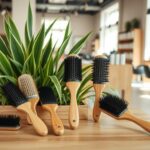
Hair Brush for Curly Hair introduces you to the fascinating world of caring for those beautiful curls. Curly hair is unique, requiring specific attention and a tailored approach to maintain its health and vibrancy. This guide will explore the intricacies of curly hair care, including the significance of moisture, the right tools, and techniques that can make a significant difference in your hair care routine.
From understanding the different curl types to discovering the essential features of a hairbrush designed for curls, this guide aims to equip you with the knowledge needed to embrace your natural texture. Proper hair care can transform your curls, making them more manageable, defined, and less prone to damage, all while promoting a healthy shine that turns heads.
Understanding the Unique Needs of Curly Hair
Curly hair is distinct in its texture and requires a different approach to care compared to straight hair. The unique structure of curly hair, characterized by its spirals or waves, can lead to various challenges that necessitate specialized attention. Understanding these differences is crucial for maintaining healthy, vibrant curls.
The texture of curly hair is generally drier than straight hair due to its shape. The natural oils produced by the scalp have a harder time traveling down the hair shaft, making moisture retention a top priority. This lack of moisture can lead to common issues such as frizz, breakage, and lack of definition. Many individuals with curly hair notice that their curls can feel coarse and brittle, particularly if they are not receiving adequate hydration. Additionally, curly hair is more prone to tangling, requiring gentle handling during washing and styling. The importance of moisture cannot be overstated; curly hair benefits from hydrating products like leave-in conditioners, curl creams, and oils to lock in moisture and maintain elasticity.
Determining Curl Types and Appropriate Care Routines
Identifying the specific curl type is essential to tailor hair care routines effectively. Curl patterns vary widely, and understanding these can guide product choices and styling techniques. The most common method to categorize curl types is the Andre Walker Hair Typing System, which ranges from type 1 (straight) to type 4 (coily). Curly hair typically falls within type 2 (wavy), type 3 (curly), or type 4 (coily), each with its own care requirements.
For instance, type 2 curls are often loose and require lightweight products to avoid weighing them down, whereas type 3 curls need more moisture and hold to define the spirals. Type 4 curls, being the tightest, often require the heaviest creams and oils to maintain moisture and prevent shrinkage.
To determine your curl type, follow these steps:
- Start with clean, product-free hair. Allow it to air dry completely.
- Observe the natural curl pattern; take note of the shape and tightness of the curls.
- Classify the curls based on the Andre Walker system for better product selection.
Understanding your curl type is vital for choosing the right products and techniques. Different curls react variably to styling methods, so a tailored approach can lead to healthier, more defined curls. The journey to perfect curls starts with recognizing their unique needs and nurturing them appropriately.
Essential Features of a Hair Brush for Curly Hair
Curly hair can be both beautiful and challenging to manage, and the right hair brush can make all the difference in maintaining your curls. When selecting a hair brush specifically designed for curly hair, certain features contribute significantly to its effectiveness. Understanding these essential characteristics can help you achieve healthy, defined curls while minimizing damage.
Bristle Type and Flexibility
The type of bristles used in a hair brush is crucial for curly hair maintenance. Brushes designed for curls typically feature wide-set, flexible bristles that help detangle without pulling or breaking the hair. Natural bristle brushes, such as those made from boar bristles, are often recommended as they provide gentle stimulation to the scalp while evenly distributing natural oils throughout the hair.
In contrast, nylon bristles can create friction that may lead to frizz in curly hair. Many curly hair brushes utilize a combination of bristle types to optimize performance. The flexibility of the bristles is also important; brushes with flexible bristles can bend and move with the curls, reducing the risk of damage during styling.
When considering bristle type, it is essential to avoid brushes that are too stiff or densely packed, as they can disrupt the curl pattern and lead to unwanted frizz.
Materials Used in Hair Brushes
The material of a hair brush can greatly affect how it interacts with curly hair. Common materials include plastic, wood, and metal, each with its pros and cons.
– Plastic Brushes: Lightweight and often cheaper, plastic brushes can cause static and frizz. However, they are easy to clean and resistant to moisture.
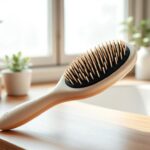
– Wooden Brushes: These brushes are favored for their natural properties. They help reduce static, making them ideal for curly hair. Wood also tends to be gentler on the hair and scalp.
– Metal Brushes: Typically not recommended for curly hair, metal brushes can be harsh and may lead to overheating, which can damage hair.
The choice of material should align with your specific hair care needs, as each material impacts the overall health and appearance of your curls.
Handle Design and Ergonomics
The handle design and ergonomics of a hair brush play a vital role in usability and comfort during styling. A well-designed handle allows for a comfortable grip, which is particularly important when managing curly hair, as it often requires more time and effort to style.
When selecting a brush, look for a handle that offers a non-slip grip, especially if you use products that can make your hands slippery. Some brushes feature padded grips or ergonomic designs that help reduce wrist strain during use.
Consideration should also be given to the length of the handle. A longer handle may provide better leverage and control, making it easier to maneuver through thick, curly hair. Ultimately, the right handle design can enhance your styling experience, allowing you to focus on achieving beautiful, healthy curls rather than struggling with your tools.
Techniques for Brushing Curly Hair Without Causing Damage
Brushing curly hair can be a daunting task, but with the right techniques, it doesn’t have to lead to breakage or frizz. Understanding the unique needs of curly hair is essential to maintaining its health and vitality. The following best practices will guide you in brushing curly hair effectively while minimizing damage.
When it comes to brushing curly hair, choosing the right time and method is crucial. Two primary techniques—wet brushing and dry brushing—offer distinct advantages and disadvantages.
Wet and Dry Brushing Techniques
Wet brushing involves detangling hair while it is still damp, often after applying conditioner or a detangling spray. This technique can help reduce frizz and allow for smoother detangling as water provides slip. However, it’s important to use a wide-tooth comb or a brush specifically designed for wet hair, as curly hair is more fragile when wet and can be prone to breakage.
On the other hand, dry brushing can be effective, especially if you are looking to refresh your curls without adding additional moisture. This method allows you to see the curl pattern and can help in separating curls without disrupting them. However, it can lead to increased frizz if not done carefully, as brushing dry curls can roughen the hair cuticles.
To effectively detangle curly hair while minimizing damage, follow these steps:
1. Start with Moisture: If wet brushing, apply a leave-in conditioner or a detangling spray to add slip. If dry brushing, ensure your hair is clean and free of excessive product buildup.
2. Section Your Hair: Divide your hair into manageable sections, preferably around 4-6. This allows for more control and reduces the risk of tangles.
3. Use the Right Brush: Opt for a wide-tooth comb or a brush designed specifically for curly hair. These tools minimize tension on the hair strands.
4. Begin at the Ends: Start detangling from the ends of your hair, gently working your way up to the roots. This prevents pulling and reduces the likelihood of breakage.
5. Be Gentle: Use a soft touch as you work through knots and tangles. If you encounter a particularly stubborn knot, it’s better to use your fingers to separate it rather than forcing the brush through.
6. Maintain Consistency: Regular detangling, whether daily or weekly, helps prevent severe tangles and makes the process easier each time. Keeping a consistent routine contributes to healthier hair over time.
By following these techniques, you can maintain the integrity of your curls while ensuring they remain beautiful and healthy.
Top Recommended Hair Brushes for Curly Hair on the Market
Finding the right hair brush for curly hair can transform your hair care routine. Curly hair requires special attention to maintain its shape, reduce frizz, and enhance definition. Below is a selection of highly rated hair brushes specifically designed to cater to the unique needs of curly hair, ensuring you can detangle while keeping your curls looking fabulous.
Top Hair Brushes for Curly Hair
To help you choose the best brush for your curls, here is a list of five standout products. Each brush offers unique features tailored to curly hair, making styling and maintenance much easier.
- Denman D3 Brush
This iconic brush is a favorite among curl enthusiasts. With its flexible nylon bristles, it effortlessly detangles while defining curls. Its ergonomic design allows for easy handling during styling.
- Tangle Teezer The Original
Known for its unique two-tiered bristle system, this brush gently glides through curls without pulling or tugging. It reduces breakage and helps maintain curl integrity.
- Ouidad Double Detangler
This brush features a unique design with two rows of bristles, allowing for effective detangling. Its wide spacing between bristles minimizes breakage and maximizes curl definition.
- Wet Brush Pro Detangler
Designed specifically for wet and dry hair, this brush’s IntelliFlex bristles minimize damage while detangling. It’s perfect for applying conditioners or treatments during wash days.
- Michel Mercier Detangling Brush
This brush stands out for its innovative bristle arrangement. It’s designed to reduce pain and breakage, making it ideal for all hair types, including thick and curly hair.
Comparison of Recommended Brushes
Here’s a comparison table highlighting key specifications for each of the recommended brushes. This will assist you in making a well-informed decision based on price, material, and user reviews.
| Brush | Price | Material | User Reviews |
|---|---|---|---|
| Denman D3 Brush | $15.00 | Nylon Bristles | 4.6/5 |
| Tangle Teezer The Original | $13.00 | Plastic | 4.7/5 |
| Ouidad Double Detangler | $24.00 | Plastic | 4.5/5 |
| Wet Brush Pro Detangler | $14.99 | Plastic | 4.8/5 |
| Michel Mercier Detangling Brush | $19.99 | Plastic | 4.4/5 |
Personal Experiences with Selected Brushes
Testimonials from individuals with curly hair can provide valuable insight into how these brushes perform in real life.
“The Denman D3 Brush has changed my life! My curls are more defined than ever, and it detangles so smoothly. I can’t imagine my routine without it.”
“I’ve struggled with tangles for years, but the Tangle Teezer is a game changer. I can brush my hair without pain, and my curls feel healthier.”
“The Ouidad Double Detangler is my go-to brush. It cuts down detangling time significantly, and I love how it helps with curl clumping.”
These personal experiences highlight the effectiveness of these brushes, showcasing their ability to cater to various curly hair types and textures.
Maintaining and Cleaning Your Hair Brush for Optimal Performance
Regular maintenance of hair brushes, especially those used on curly hair, is essential for ensuring optimal performance and longevity. Curly hair is more prone to tangling, and the brushes used can accumulate product buildup, dirt, and oils over time. Not only can this affect how well the brush glides through your curls, but it can also lead to damage and breakage if the brush is not cared for properly. By prioritizing the cleaning and maintenance of your hair brushes, you are also investing in the health of your curls and the overall effectiveness of your hair care routine.
To maintain your hair brush, it is crucial to clean it regularly depending on the type of brush. For example, boar bristle brushes, which are great for distributing natural oils, should be cleaned every 1-2 weeks to prevent buildup. In contrast, plastic or rubber brushes can usually withstand a bit more grime and may only require cleaning every month. Here are some effective methods for cleaning different types of hair brushes:
Effective Cleaning Methods for Hair Brushes
Understanding the right cleaning method for your brush type can ensure its efficiency remains intact. Below are some general cleaning methods:
- Boar Bristle Brushes: Use a comb to remove hair strands, then soak the bristles in warm water mixed with a gentle shampoo for 10-15 minutes. Rinse thoroughly and lay flat to dry.
- Plastic Brushes: Remove hair and soak the brush in a mixture of warm water and vinegar for about 20 minutes. Scrub with a soft toothbrush to remove any buildup before rinsing.
- Wide-tooth Combs: Rinse under running water after each use, ensuring to eliminate any product residue.
Proper storage of hair brushes is equally important for prolonging their lifespan. To keep your brushes in top shape, consider these tips:
Proper Storage Techniques for Hair Brushes
Storing your hair brushes appropriately can prevent damage and maintain their quality over time. Here are some effective storage practices:
- Store brushes in a clean, dry place away from direct sunlight to avoid brittleness.
- Avoid tossing brushes into drawers where bristles can get bent or damaged; use a dedicated holder to keep them upright.
- Keep brushes separated to prevent them from snagging on each other, which can cause bristle damage.
Regular maintenance and cleaning not only ensure the performance of your hair brushes but also contribute to the overall health of your curly hair.
DIY Hair Brush Alternatives for Curly Hair
When it comes to managing curly hair, having the right tools can make a world of difference. While traditional hair brushes often struggle with tangles and frizz, DIY alternatives can provide a gentler approach for detangling and styling. This section explores several creative options that can be easily made or found around the house to cater to the unique needs of curly hair.
One of the most effective ways to care for curly hair is to use tools that minimize breakage and enhance curl definition. Below are three DIY alternatives that can help with brushing or detangling curly hair, along with their advantages and disadvantages.
Alternative Tools for Curly Hair
The following tools can be used as alternatives to traditional hair brushes, each having its own unique benefits and drawbacks:
- Wide-Tooth Comb:
This tool is a classic for a reason.
Using a wide-tooth comb allows for gentle detangling without pulling on curls. It can be used on wet or dry hair and helps maintain the natural curl pattern.
- Paddle Brush with Modified Bristles:
Modify an existing paddle brush for better results.
By removing some bristles or selecting a brush with flexible and rounded tips, you can create a tool that glides through curls without causing damage.
- DIY Detangling Tool from a Plastic Fork:
This is a creative and cost-effective solution.
A plastic fork can serve as a makeshift detangler by bending the tines slightly for smooth glide. This tool can be especially useful for tight curls or coils.
When comparing these alternatives to traditional hair brushes, it’s essential to consider the following aspects which can impact the overall hair care routine.
1. Damage Control: DIY alternatives tend to provide gentler handling, significantly reducing the risk of breakage.
2. Cost-Effectiveness: Most DIY tools can be made from items readily available at home, making them budget-friendly.
3. Customization: Users can modify tools to fit their specific hair type and needs, enhancing their detangling experience.
Creating a Simple DIY Detangling Tool
Making a simple DIY detangling tool can be a fun and effective project. Here’s a step-by-step guide on how to create one using a plastic fork:
1. Gather Materials: You will need a plastic fork, scissors, and optionally, a hair tie for added comfort.
2. Prepare the Fork: Using scissors, carefully trim the tines of the fork to create a shape that suits your hair type. For tighter curls, keep the tines longer; for looser curls, shorter tines are advisable.
3. Smooth Edges: To prevent snagging, ensure the tips of the tines are rounded and smooth. You can gently file them down if necessary.
4. Enhance Comfort: If desired, you can wrap a small section of fabric or a hair tie around the handle for improved grip.
5. Test it Out: Start using your DIY detangling tool on damp hair, applying a leave-in conditioner or detangler to aid in the process.
By utilizing these DIY alternatives, you can enhance your curly hair routine and enjoy a gentler approach to detangling. Experimenting with these tools can lead to healthier curls and a more enjoyable hair care experience.
Wrap-Up
In conclusion, maintaining healthy and beautiful curls involves selecting the right hairbrush and implementing sound brushing techniques. By understanding the unique needs of curly hair and choosing the right tools, you can enhance your curls’ natural beauty and prevent damage. Whether you’re trying out a new brush or perfecting your detangling methods, embracing your curls has never been more achievable.
Questions and Answers
What type of brush is best for curly hair?
A wide-tooth comb or a brush with flexible bristles is best for minimizing breakage and maintaining curl definition.
Can I brush my curly hair when it’s dry?
It’s generally better to detangle curly hair when it’s wet to reduce frizz and breakage, but if you must brush it dry, use a light leave-in conditioner.
How often should I clean my hair brush?
It’s recommended to clean your hairbrush every 1-2 weeks to remove hair, product buildup, and dust.
Are there specific techniques for brushing 3a, 3b, and 3c curls?
Yes, each curl type may require different detangling techniques; generally, the looser the curl, the gentler the brushing method should be.
Can I use a regular brush for my curly hair?
Regular brushes may not be suitable because they can cause more frizz and breakage; it’s best to use brushes specifically designed for curly hair.