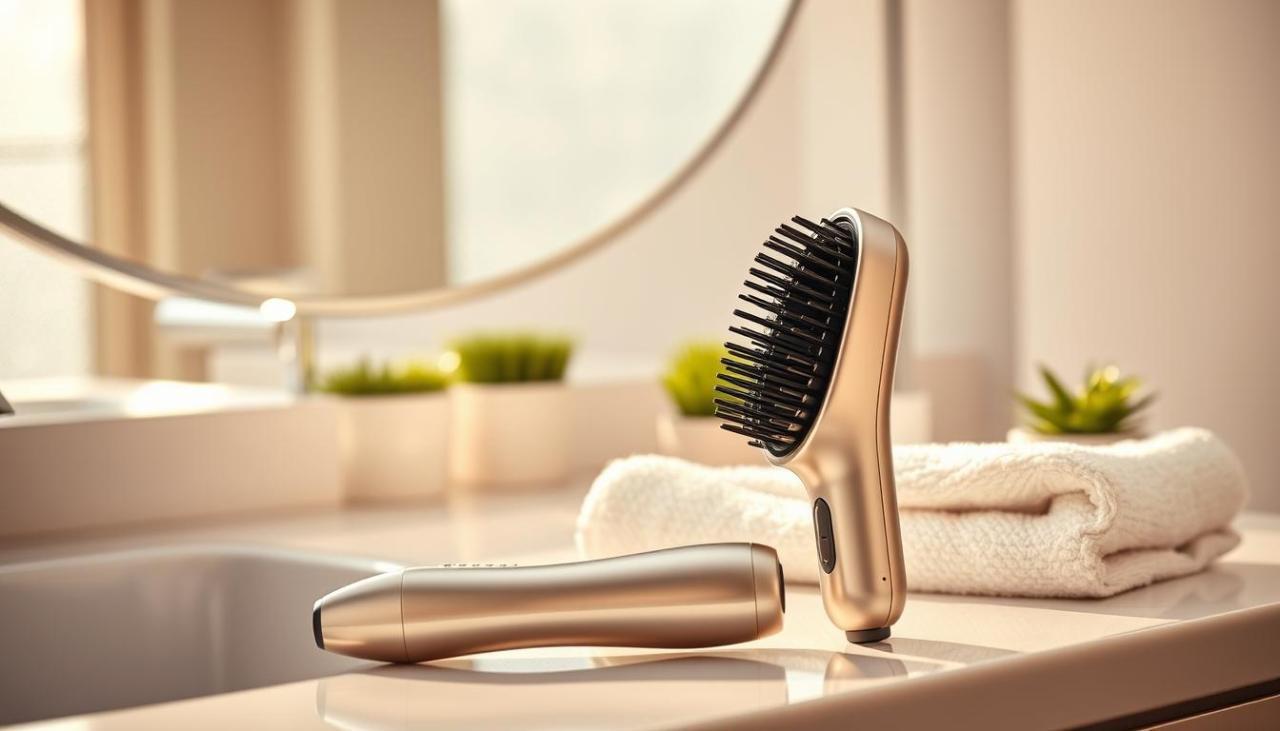
Did you know your scalp makes enough natural oils to cover every hair strand? Many of us forget how important grooming is. Yet, it’s the best way to keep our hair looking natural and shiny.
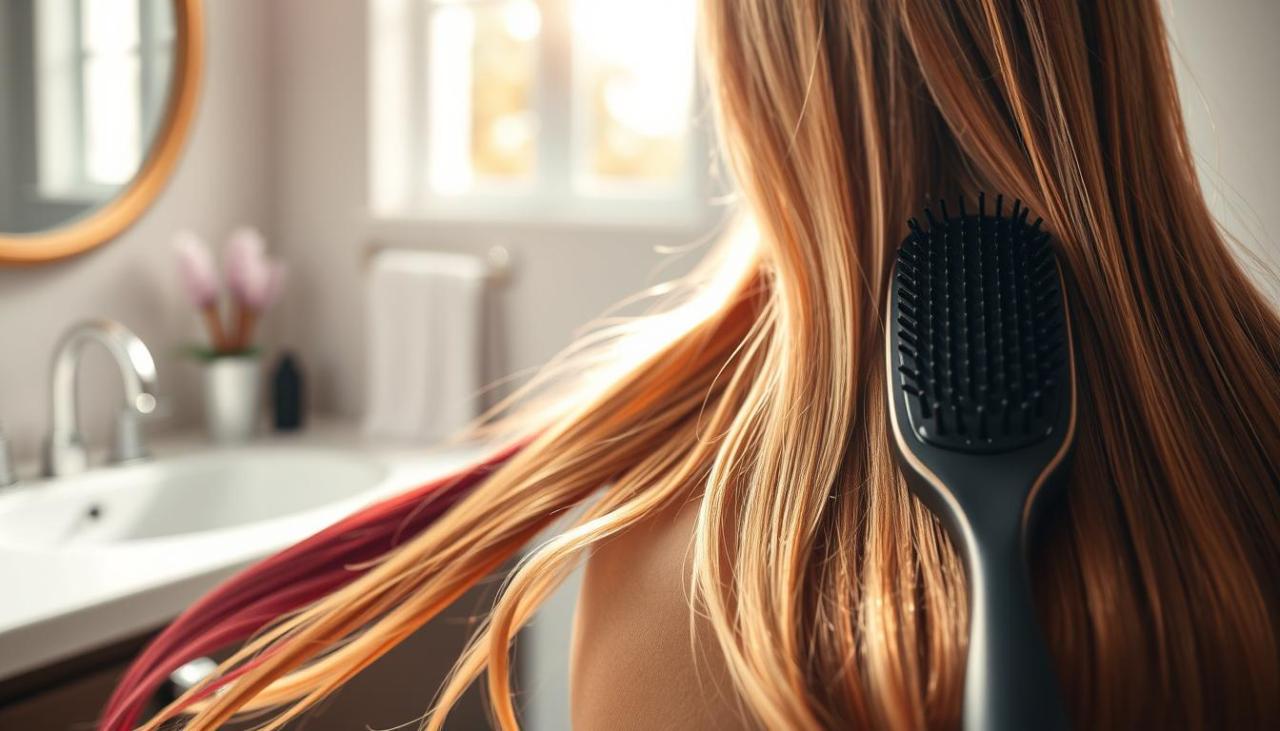
Using a Hair Brush for Daily Hair Care in our morning routine changes how our hair looks and feels. Regular brushing helps untangle hair and spreads moisture from the roots to the ends.
This simple habit stops hair from breaking and makes it shine. By learning these basics, we build a strong base for our hair to grow and stay healthy.
Key Takeaways
- Consistent grooming is essential for distributing natural scalp oils.
- Proper tools help detangle knots without causing unnecessary damage.
- Regular maintenance significantly improves overall manageability.
- Healthy habits contribute to a stronger, more vibrant appearance.
- Intentional grooming routines support long-term scalp health.
Choosing the Right Hair Brush for Your Hair Type
Finding the perfect Hair Brush for Daily Hair Care is key to healthy hair. Since everyone’s hair is different, we need to pick wisely. Knowing our hair type helps avoid damage and split ends.
Understanding Different Hair Types
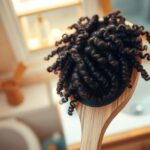
First, we need to figure out our hair type. Straight hair benefits from brushes that spread scalp oils. But, curly hair needs special care.
Curly hair should only be brushed before washing to keep its shape. Brushing dry curls can cause frizz. Knowing this helps us care for our hair right.
Types of Hair Brushes Available
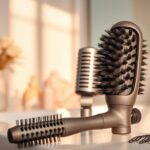
There are many types of hair brushes out there, each for a different need. Knowing the hair brush benefits helps us choose better. Here are some common ones:
- Boar Bristle Brushes: Good for smoothing and spreading oils.
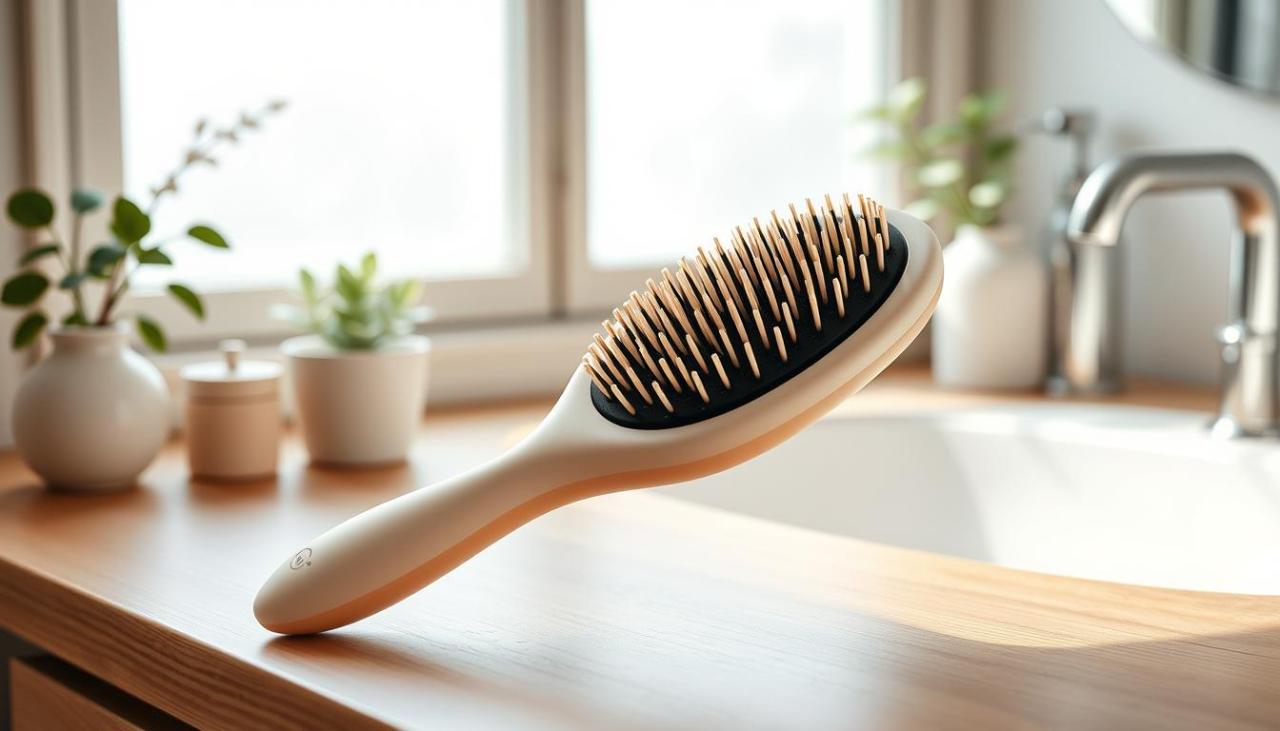
- Wooden Pin Brushes: Great for detangling without static.
- Vent Brushes: Perfect for quick drying and volume.
- Paddle Brushes: Best for detangling long, straight hair.
Finding a Brush That Fits Your Needs
To find the best hair brush, look for quality and comfort. Make sure the bristles are soft on your scalp. A good brush should feel balanced and easy to use.
The right brush depends on your hair goals and health. Choosing the right one protects your hair. See your brush as a key part of your beauty care.
Essential Features of a Quality Hair Brush
Looking for the best hair brush means focusing on key features. A quality hair brush is more than a simple accessory. It’s an investment in our hair’s health. High-quality construction ensures our tools are gentle yet effective.
Materials That Make a Difference
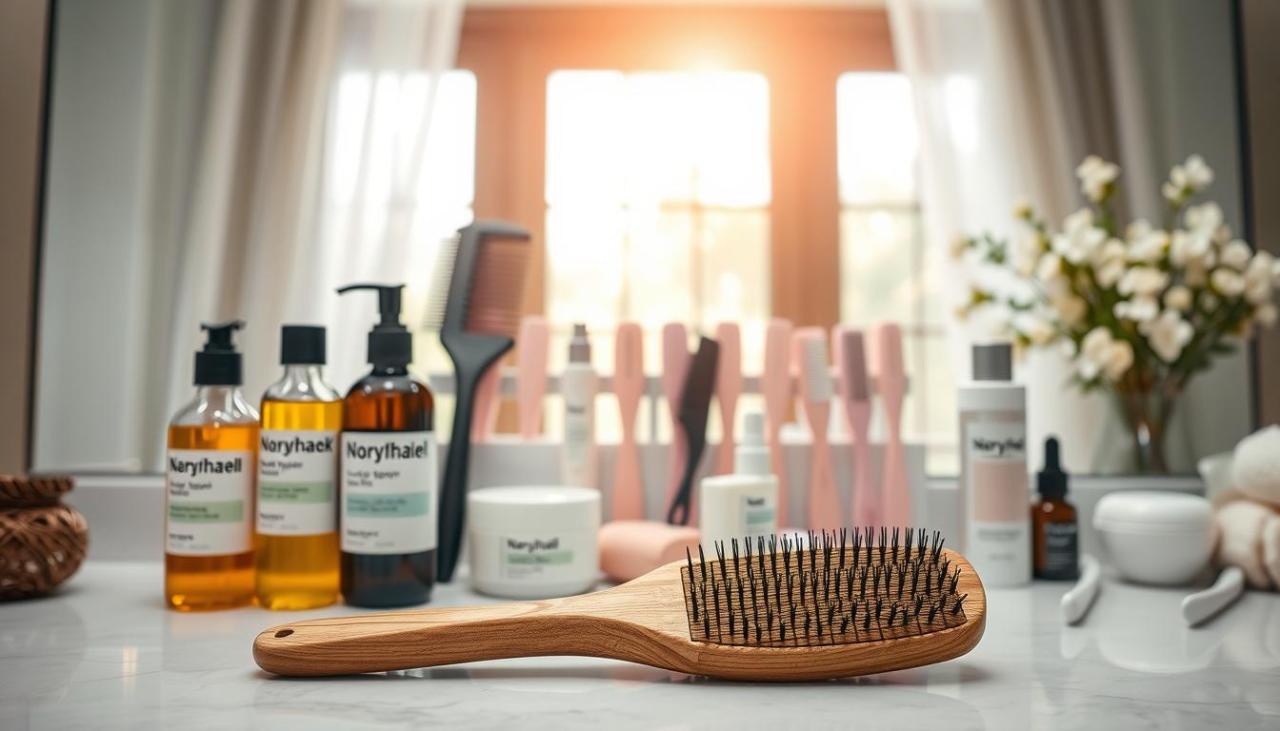
The base of a professional hair brush is its materials. Wooden pins or ergonomic handles offer a comfortable grip and prevent static. Natural materials are preferred because they move through hair smoothly, without causing damage.
Durability is crucial in a well-made tool. Brushes made from sustainable wood or heat-resistant polymers protect our hair from damage. These materials provide a smooth finish, helping distribute scalp oils evenly.
Size and Shape Considerations
The design of a styling brush affects how we style our hair. Large, round brushes add volume and soft waves. Flat, paddle-shaped brushes are best for sleek, straight looks. The right shape lets us style with precision.
The weight and balance of the brush also matter. A comfortable brush makes styling easier. Understanding how size impacts our look helps us choose the right brush.
Bristle Types and Their Benefits
Bristles are key for hair health. Boar bristle brushes are recommended for their ability to distribute sebum, adding shine and improving texture. These bristles are firm enough to detangle but soft for scalp massage.
For thicker hair, a mix of boar and nylon bristles is ideal. Knowing how to choose a hair brush based on bristle type ensures we meet our hair’s needs. The right bristles turn styling into a beneficial ritual.
Daily Hair Care Routine: Incorporating a Brush
Brushing your hair every day is key to keeping it healthy and vibrant. It makes your hair feel better and look great. It also helps your scalp stay healthy over time.
Knowing the hair brush benefits is important for better grooming. Brushing right can help your hair grow stronger. For more info, check out an evidence-based hair care routine online.
Best Times to Brush Your Hair
Brushing in the morning is great for getting rid of tangles from sleep. It also refreshes your hair for the day.
Brushing at night is also crucial. It removes loose hair and spreads scalp oils down to the ends. This is like a natural conditioner while you sleep.
How Often Should We Brush?
Experts say brush your hair twice a day for the best health. This keeps your hair tangle-free without harming it. Brushing too much can damage your hair, so stick to twice a day.
Brushing Techniques for Optimal Results
Getting the best results means more than just brushing. Use gentle, even strokes to avoid breaking your hair. Start at the bottom and work up to avoid damage.
Use a steady motion to spread oils through your hair. This makes your hair shiny and keeps your scalp clean. Brushing carefully is the secret to amazing hair.
Proper Brushing Techniques for Healthy Hair
Brushing your hair is more than just styling. It’s crucial for keeping your hair healthy. Using the right motions helps prevent damage and keeps your hair smooth.
By brushing carefully, your hair stays strong and vibrant. This is important for the long-term health of your hair.
Starting from the Ends
Always start brushing from the bottom of your hair. Brushing from the ends up helps avoid big tangles near the roots. This prevents unnecessary pulling on the scalp and reduces breakage.
Using Gentle, Even Strokes
Consistency is key when brushing your hair. Use gentle, even strokes to spread natural oils from the scalp to the tips. This adds shine and protects your hair from damage.
Detangling Tips for Minimizing Damage
Be extra careful when your hair is damp. It’s in its most vulnerable state. Wet hair stretches to three times its length, making it prone to breakage.
Use a detangling brush to gently remove knots. If your hair is damp or conditioned, brush with extreme care. A good detangling brush will help you do this safely. Following these steps keeps your hair healthy every day.
Cleaning and Maintaining Your Hair Brush
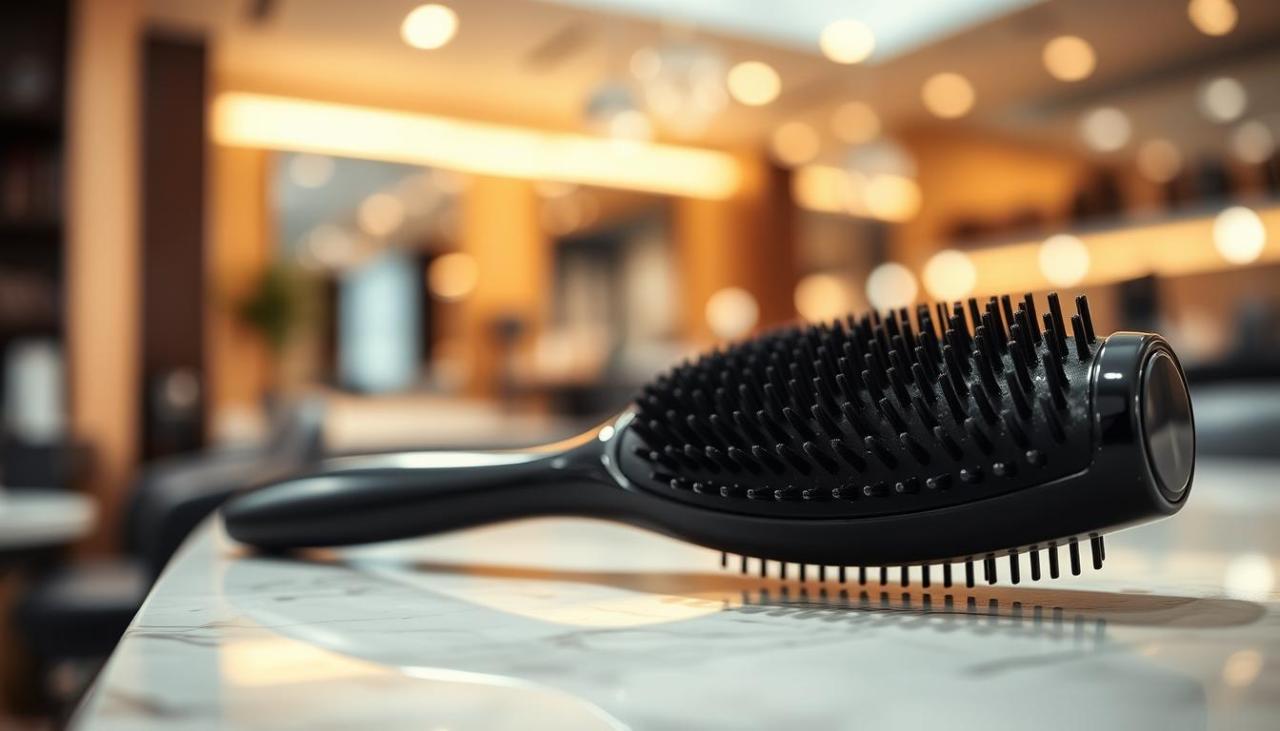
We often forget to clean our hair tools, but it’s key for scalp health. Just like washing clothes and makeup brushes, our hair tools need regular cleaning. Keeping a professional hair brush in good shape is as vital as buying it.
Importance of Regular Cleaning
Every time we style our hair, our tools pick up dust, dead skin, and styling products. If we ignore this, we spread dirt on our hair, causing scalp irritation or dull hair. A clean tool keeps our hair brush for hair care routine effective and clean.
How to Clean Different Types of Brushes
Cleaning our brushes weekly prevents buildup. First, remove loose hair from the bristles. Then, mix lukewarm water with a bit of gentle shampoo or mild soap in a bowl.
- Soak the brush head in the soapy water for a few minutes.
- Use an old toothbrush or cotton swab to gently scrub between the bristles.
- Rinse well with clean water and let it air dry with the bristles down.
This simple routine keeps our quality hair brush in great shape for years. Make sure the base is dry before using it again to avoid moisture issues.
When to Replace Your Hair Brush
Even with care, tools eventually wear out. Check for signs like bent bristles or a cracked handle. If the cushion is loose or bristles fall out, it’s time to replace your hairbrush to protect your hair.
| Indicator | Action Required | Frequency |
|---|---|---|
| Visible Dust/Lint | Deep Clean | Weekly |
| Bent Bristles | Replace Tool | As Needed |
| Product Buildup | Wash with Soap | Bi-Weekly |
| Cracked Handle | Replace Tool | Immediately |
Hair Care Tips: Beyond Brushing
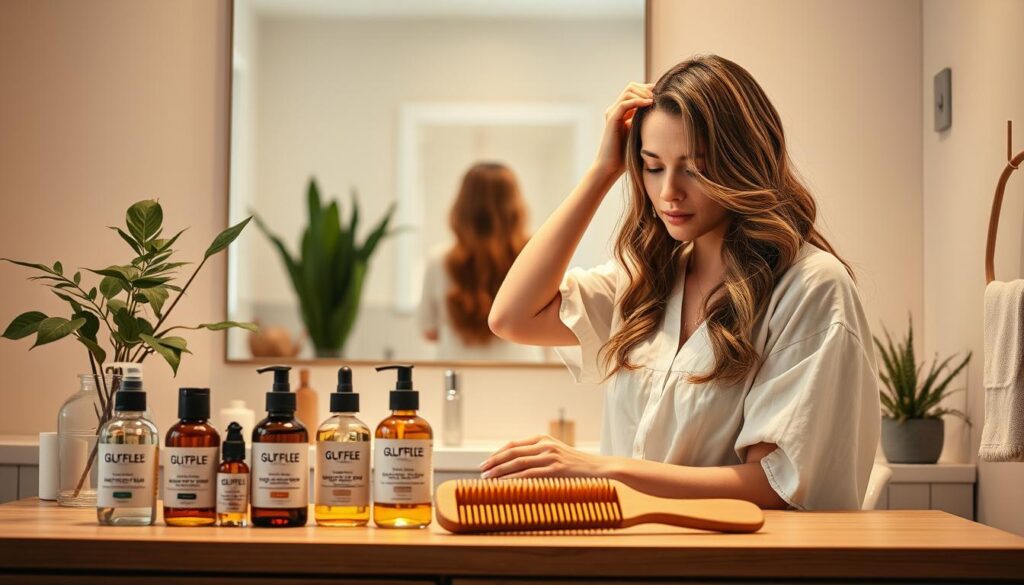
We need to do more than just brush our hair to keep it strong. A good tool is important, but true health comes from a holistic maintenance strategy. By combining the right care with the right products, we can get the shiny hair we want.
The Role of Conditioning Products
Conditioning is key for keeping our hair moist. We should see conditioners as a shield that smooths the hair cuticle and prevents tangles. Consistent hydration makes our hair elastic, reducing breakage during styling.
Protecting Your Hair from Heat Damage
Heat styling can dry out our hair if we’re not careful. Always use a thermal protectant spray when using heat tools. Also, using a no-damage styling brush helps manage hair without stressing the follicles.
The Importance of Regular Trims
Split ends are a natural part of hair care. We trim our hair every eight to twelve weeks to cut off damaged ends. This keeps our hair healthy and looking fresh.
| Maintenance Habit | Frequency | Primary Benefit |
|---|---|---|
| Deep Conditioning | Weekly | Restores Moisture |
| Heat Protection | Every Styling | Prevents Breakage |
| Professional Trims | Every 2-3 Months | Removes Split Ends |
| Gentle Detangling | Daily | Reduces Tension |
Common Hair Brushing Mistakes We Should Avoid
Even the best tools can harm us if used wrong. We often pick the right tools but forget about our habits. Knowing these mistakes helps protect our hair from damage.
Over-Brushing and Its Consequences
Many think more strokes mean shinier hair. But, brushing too hard or often damages the hair. It strips the protective layer, causing split ends and breakage.
Instead, focus on gentle detangling. A good styling brush spreads oils without drying out the hair. Being gentle keeps hair strong and smooth.
Focusing Only on the Top Layers
We often brush only the top of our hair. This leaves the bottom prone to tangles and breakage. These tangles can be hard to deal with later.
To keep hair healthy, brush from roots to ends in sections. A detangling brush helps reach hidden layers safely. Brushing well prevents debris buildup and keeps hair vibrant.
Ignoring Hair Health During Brushing
We forget hair is most fragile when wet or knotted. Forcing a brush through tangles is harmful. Always prioritize hair health by being patient and using the right tools.
Excessive hair loss in the detangling brush means we need to change our way. Start brushing from the bottom to avoid tension. Being aware of hair condition helps avoid damage and thinning.
Seasonal Hair Care Adjustments
Seasons change, and so should our hair care. As the weather shifts, our hair faces new moisture, temperature, and sun levels. By adapting, we keep our hair vibrant and resilient year-round.
Preparing Our Hair for Winter
Winter is cold and dry, stripping our hair of oils. Switching to a more hydrating conditioner helps fight static and brittleness. Also, reduce heat styling to prevent breakage in dry air.
Summer Care: Protecting Against Humidity
Summer brings humidity, leading to frizz and heavy hair. Use anti-humidity serums and sprays to protect against sun and damp air.
Spring Cleaning for Your Hair and Tools
Spring is the best time to update hair tools and products. Clean your brushes to remove hair, dust, and old oils. A clean brush prevents old oils from getting back on your hair.
| Season | Primary Concern | Recommended Action |
|---|---|---|
| Winter | Dryness and Static | Use deep conditioning masks |
| Summer | Humidity and UV Rays | Apply anti-frizz serum |
| Spring | Tool Buildup | Deep clean all brushes |
| Autumn | Transition Stress | Trim split ends |
Conclusion: Elevating Our Daily Hair Care Routine
Changing how we groom ourselves is more than just picking up a tool. It’s about building strength and shine with every stroke. We see each action as a way to care for ourselves.
Mastering Consistent Habits
Getting the best results means treating our hair with patience. Consistent habits make our hair care routine reliable. It protects our hair from breakage.
We use quality tools like those from Mason Pearson or Denman. This ensures every session supports our long-term goals.
The Impact of Quality Tools
Using top-notch equipment changes how our hair responds to daily styling. A well-maintained brush moves through tangles without harming the scalp. We see a clear difference in texture when we use the right materials for our hair.
Commitment to Lasting Health
We urge everyone to see their hair care routine as essential for personal wellness. Regularly maintaining our brushes keeps our hair clean and vibrant all year. We take pride in our appearance by choosing wisely and caring for our tools as we do our hair.