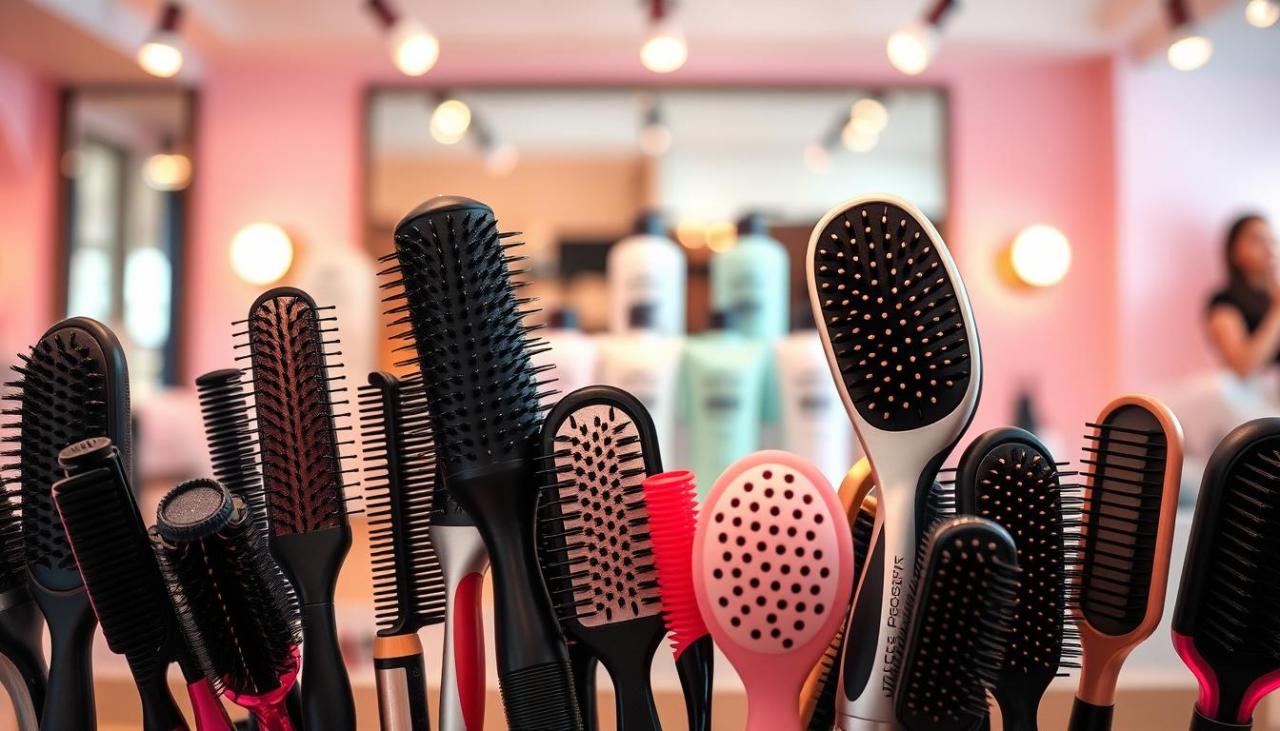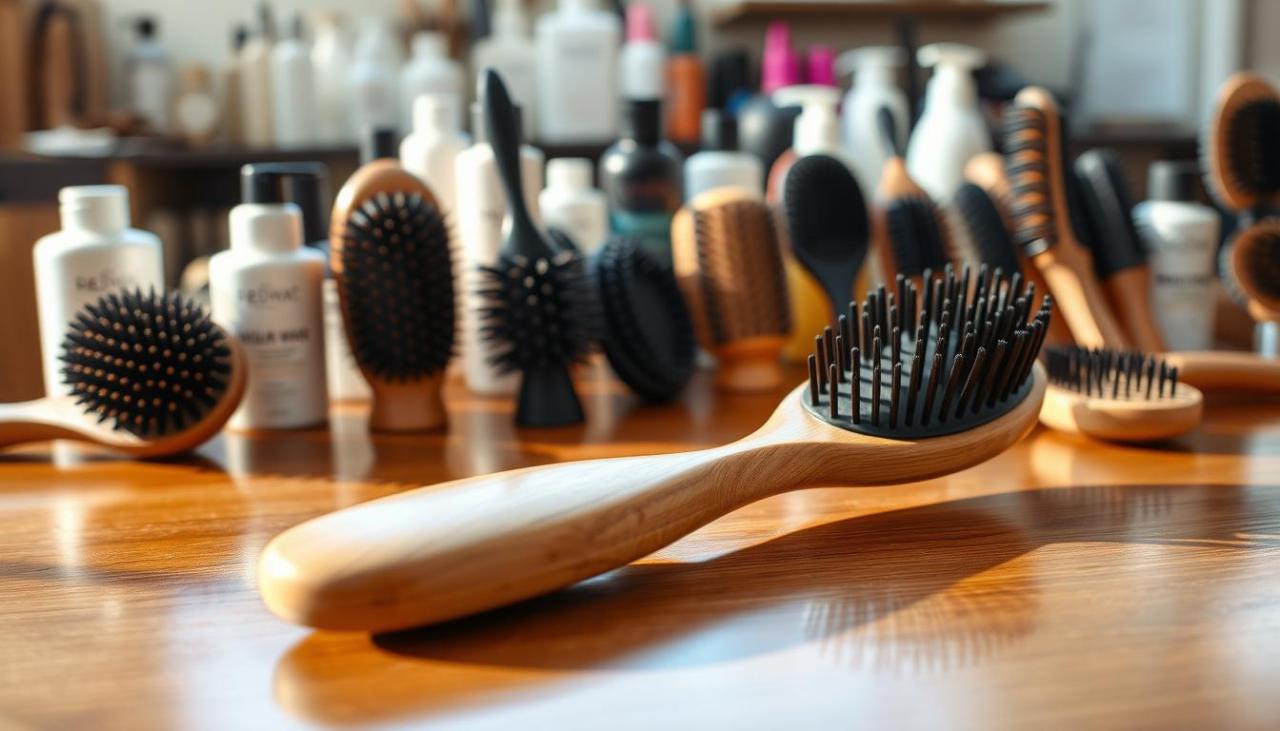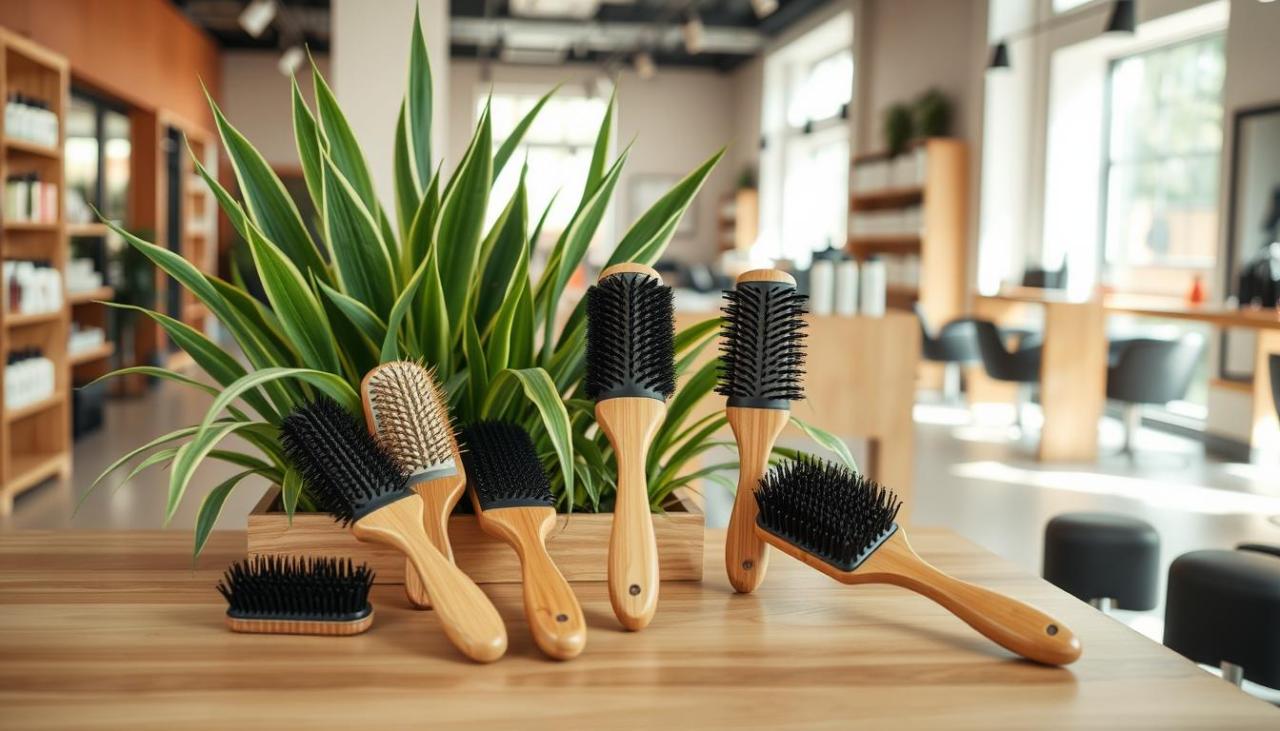
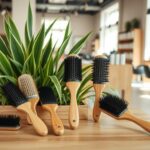
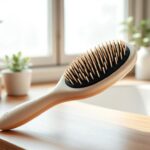
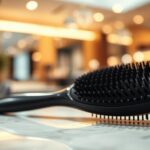
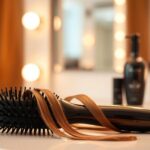
Hair Brush for Thick Hair is an essential topic for anyone struggling with the unique challenges of managing voluminous locks. Thick hair can be both a blessing and a curse, often requiring the right tools and techniques to maintain its health and appearance. The right hair brush can make all the difference, helping to detangle, style, and protect your hair from damage.
In this discussion, we’ll explore why selecting the proper hair brush is crucial for thick hair, the types of brushes best suited for it, and effective brushing techniques that promote hair health. From understanding common hair issues to discovering eco-friendly options, we’ll cover everything you need to know to keep your thick hair looking its best.
The Importance of Choosing the Right Hair Brush for Thick Hair
Selecting the right hair brush for thick hair is a crucial aspect of maintaining healthy locks and achieving desired styles. Thick hair, often characterized by its volume and density, requires specific tools to prevent damage and promote overall hair health. Using the wrong brush can lead to tangles, breakage, and split ends, emphasizing the need for careful consideration when choosing a hairbrush.
The right hair brush can significantly impact the health of thick hair. A brush designed for thick hair should have strong bristles that can effectively penetrate the dense strands without causing excessive pulling or tugging. Natural bristle brushes, for instance, are fantastic for distributing natural oils throughout the hair, enhancing shine and reducing frizz. Moreover, a well-chosen brush can help to detangle thick hair more gently, reducing the risk of breakage and promoting a smoother, healthier appearance.
Common Hair Problems and Solutions with the Right Brush
Individuals with thick hair often face specific challenges, including excessive frizz, tangles, and difficulty in styling. These issues can be alleviated by using the appropriate brush. The following points illustrate how the right brush addresses common problems associated with thick hair:
- Tangles and Knots: Thick hair is prone to tangling, especially when wet. A wide-tooth comb or a paddle brush designed for thick hair can help gently detangle without pulling or breaking strands.
- Frizz Control: A boar bristle brush helps maintain moisture levels in thick hair, reducing frizz and enhancing shine. This type of brush smooths the hair cuticle, leading to a healthier look.
- Limited Styling Options: Using a round brush with the right bristle type can make blow-drying easier and create volume and movement, allowing for more versatile hairstyles.
Using the wrong brush can lead to significant hair damage. For example, a fine-toothed comb, typically used for thin hair, can pull and break thick strands, especially when they are wet and more fragile. Additionally, using a brush with metal bristles can cause excessive heat during styling, leading to further damage. Another scenario involves using a stiff-bristled brush that can tug at the hair, resulting in split ends and a rough texture.
In summary, choosing the right hair brush for thick hair is essential for maintaining its health and style. It not only helps in managing common problems associated with thick hair but also prevents potential damage caused by inappropriate tools.
Different Types of Hair Brushes Suitable for Thick Hair
Choosing the right hair brush is crucial for effectively managing and styling thick hair. The different types of brushes available cater to various needs, ensuring that each stroke through thick locks is smooth and effective. Understanding the characteristics of these brushes can greatly enhance your hair care routine and styling outcomes.
When considering brushes for thick hair, it’s essential to look at the design and the materials used. Each type of brush serves a unique purpose, from detangling to styling, and knowing which one to choose can make a significant difference in maintaining healthy and beautiful hair.
Paddle Brushes
Paddle brushes are a staple for those with thick hair, as they are designed for quick detangling and smoothing out large sections of hair. Their wide, flat surface allows for maximum contact, making it easier to brush through thick strands without causing damage.
– Material: Paddle brushes often feature either boar bristles or a combination of nylon and boar bristles. Boar bristles are known for distributing natural oils throughout the hair, promoting shine and health.
– Usage: Ideal for straightening thicker hair types, paddle brushes can be used on both wet and dry hair.
Round Brushes
Round brushes are perfect for adding volume and creating curls in thick hair. They come in various sizes, allowing for different styles and finishes.
– Material: Many round brushes are made with heat-resistant nylon bristles, which are excellent for blow-drying.
– Usage: The size of the brush determines the tightness of the curl or wave, with larger brushes providing a looser style.
Detangling Brushes
Detangling brushes are specifically designed to handle knots and tangles without pulling or breaking hair. These brushes often have flexible bristles that glide through thick hair effortlessly.
– Material: Most detangling brushes are made with nylon bristles designed to bend and flex. Some may include silicone tips to minimize friction on the hair.
– Usage: Best used on wet hair in the shower with conditioner to ease the detangling process.
Choosing the Right Brush for Your Hair Texture
Selecting the right brush depends significantly on your hair texture and styling goals. Here are some tips to consider:
– For coarse and curly thick hair, a wide-toothed paddle brush or a detangling brush can offer the best results.
– If your thick hair is straight, a round brush will help create volume and smoothness.
– Consider the bristle type; natural bristles like boar can add shine and reduce frizz while synthetic bristles offer durability and heat resistance.
“Choosing the right brush based on your hair texture can significantly improve your styling experience and hair health.”
Techniques for Effectively Using a Hair Brush on Thick Hair
Brushing thick hair can be a challenge, but with the right techniques, it can become an effortless and enjoyable experience. Proper brushing not only keeps your hair looking its best but also helps to prevent damage and breakage. By understanding the right methods and tools, you can maintain the health and shine of your thick locks.
One essential technique for brushing thick hair is to ensure that you’re using the right brush type. A wide-tooth comb or a paddle brush with flexible bristles can work wonders, as they glide through the hair without pulling or snagging. Additionally, the importance of sectioning thick hair cannot be understated; by dividing your hair into manageable sections, you can effectively detangle without causing stress or breakage.
Brushing Techniques for Thick Hair
Employing effective brushing techniques is crucial for maintaining the health of thick hair. Here’s a step-by-step guide to ensure you’re brushing your hair correctly:
1. Start with Dry or Slightly Damp Hair: It’s best to brush hair when it’s dry or just slightly damp after a shower. Excessively wet hair is more prone to breakage.
2. Section Your Hair: Divide your thick hair into four or more sections using hair clips. This makes it easier to work through your hair without overwhelming yourself.
3. Begin from the Ends: Start brushing from the ends of your hair and slowly work your way up towards the roots. This technique helps to gradually detangle knots without pulling harshly at the scalp.
4. Use a Gentle Motion: When brushing, use gentle strokes rather than aggressive pulling. A light touch reduces the risk of breakage and keeps hair cuticles smooth.
5. Brush One Section at a Time: Focus on one section at a time, brushing through it thoroughly before moving on to the next. This ensures that you don’t miss any tangles and minimizes damage.
6. Comb Through with Fingers: After brushing, use your fingers to go through your hair to remove any remaining tangles. This adds an extra layer of gentleness.
7. Finish with a Wide-Tooth Comb: For added smoothness, finish off by running a wide-tooth comb through your hair to distribute any natural oils from the scalp down the length of your hair.
8. Regular Maintenance: Regular brushing, at least every other day, keeps tangles at bay and maintains hair health by distributing oils evenly.
“Gentle brushing not only prevents breakage but also enhances shine and smoothness in thick hair.”
By following these techniques, you will not only simplify the brushing process but also ensure your thick hair remains healthy, vibrant, and beautifully styled.
Maintaining Your Hair Brush for Optimal Performance
Keeping your hair brushes in top-notch condition is essential for ensuring they work effectively and last longer. A well-maintained brush not only helps in detangling and styling your thick hair but also promotes healthier hair by preventing breakage and split ends. This guide will provide you with methods for cleaning different types of hair brushes and a routine for maintenance that will keep your brushes performing at their best.
Cleaning Different Types of Hair Brushes
Regular cleaning of your hair brush is critical to its longevity. Different materials and bristle types require specific care:
– Plastic and Nylon Brushes: These brushes can be easily cleaned with warm soapy water. Use a mild shampoo or dish soap, dip a cloth in the solution, and wipe down the bristles. Rinse with warm water and let it air dry.
– Wooden Brushes: For wooden brushes, avoid soaking them in water. Instead, use a damp cloth with a little soap to wipe the bristles and handle. Follow up by wiping with a dry cloth to remove excess moisture.
– Natural Bristle Brushes: Like wooden brushes, these should not be soaked. Use a dry shampoo or a soft brush cleaner to remove build-up from the bristles. A gentle comb can help clear out any hair strands stuck between the bristles.
Maintenance Routine for Hair Brushes
Establishing a cleaning routine is crucial for maintaining the performance of your hair brushes. Here is a suggested schedule for cleaning:
– Weekly Cleaning: Give your brushes a thorough clean once a week. Remove hair from the bristles using a comb or your fingers. Soak or wipe down according to the brush type as mentioned above.
– Monthly Deep Cleaning: Perform a deeper clean by soaking your brushes in warm water mixed with vinegar or shampoo for about 10-15 minutes. This helps in removing product build-up and ensures hygiene.
– Yearly Inspection: Once a year, check your brushes for any signs of wear and tear. This includes checking for broken bristles, loose handles, or damaged materials.
Signs That Indicate a Brush Needs Replacement
Understanding when to replace or upgrade your hair brush is key to maintaining optimal performance. Here are the main indicators:
– Worn Bristles: If the bristles are frayed or bent, they can cause more harm than good. A brush should glide smoothly through your hair; worn bristles can snag and break hair strands.
– Loose Handle: If the handle feels loose or detached from the bristles, it’s time to consider a replacement. A sturdy handle ensures better control and ease of use while styling.
– Persistent Odors or Build-Up: If your brush retains smells or becomes sticky even after cleaning, it may be time to invest in a new one.
By following these guidelines for maintenance and cleaning, you can ensure that your hair brush remains a reliable tool in your hair care routine, providing both performance and longevity.
Recommended Hair Brushes for Thick Hair Based on Expert Opinions
Finding the right hair brush for thick hair is essential for managing volume and achieving smooth, healthy-looking locks. Experts agree that certain brushes outperform others in catering to the unique needs of thicker hair types. Let’s dive into some of the top-rated hair brushes recommended by professionals, highlighting their features, benefits, and what makes them suitable for thick hair.
Top-Rated Hair Brushes for Thick Hair
When it comes to selecting the best hair brushes for thick hair, it’s important to consider their design, bristle type, and functionality. Here are some expert-approved options that stand out in the market:
- Wet Brush Original Detangler
This brush features flexible bristles that glide through thick hair without tugging or pulling. Its unique design is ideal for detangling wet hair, reducing breakage and maintaining hair integrity. - Denman D3 Brush
Known for its iconic design, the Denman D3 has widely spaced, nylon bristles that effectively detangle and smooth thick hair. The brush’s rubber grip makes it easy to handle, allowing for effortless styling and smoothing. - Tangle Teezer Thick & Curly Hair Brush
Specifically designed for thicker, curly hair, this brush features long, flexible teeth that detangle without disrupting natural curl patterns. Its unique shape helps to distribute product evenly, making it a favorite among those with textured hair. - Mason Pearson Popular Brush
This luxury brush combines boar bristles and nylon tufts to stimulate the scalp and distribute natural oils. Perfect for thick hair, its handcrafted design ensures durability and effectiveness in smoothing and shining hair. - Boar Bristle Hair Brush
A classic choice for thick hair, the boar bristle brush helps to reduce frizz and promote shine by distributing oils from the scalp. It’s particularly effective for straightening and smoothing thick strands without damaging them.
Customer feedback is essential for understanding the effectiveness of these brushes. Many users praise the Wet Brush for its ability to detangle hair painlessly, particularly after a shower. The Denman Brush is often highlighted for its role in defining curls while providing volume. Meanwhile, the Tangle Teezer is lauded for its efficiency in dealing with stubborn knots in curly hair.
“The right brush can make all the difference. For thick hair, look for brushes that offer flexibility and comfort while detangling.” – Hair Care Expert
In summary, these hair brushes are highly recommended for their specific features that address the challenges faced by individuals with thick hair. From detangling to smoothing and styling, each brush serves its purpose effectively while ensuring minimal damage to hair.
Common Mistakes to Avoid When Brushing Thick Hair
Brushing thick hair can be a daunting task, and many people make common mistakes that can lead to damage, breakage, and frustration. Understanding these errors can help you maintain the health and vibrancy of your hair. Being aware of how to properly care for and brush thick locks will not only simplify your hair care routine but also improve your hair’s overall condition.
One of the primary mistakes individuals make when brushing thick hair is using the wrong type of brush. Not all brushes are created equal, and choosing one that is not designed for thick hair can exacerbate tangles and lead to breakage. Additionally, brushing hair that is wet or damp can cause even more damage, as wet hair is more susceptible to stretching and breaking. Here are some of the most frequent errors and how to avoid them:
Improper Brushing Techniques
Understanding the right techniques for brushing thick hair can make a significant difference in your hair health. Here are common mistakes and solutions:
- Starting from the Roots: Many people start brushing their hair from the roots down, which can cause pulling and breakage. Instead, always start from the tips and work your way up to the roots. This technique gently detangles without causing stress on the hair shaft.
- Neglecting Conditioning: Some people brush their hair without any product, which can make the process more difficult and painful. Using a leave-in conditioner or detangling spray can significantly ease the brushing process and protect the hair.
- Brushing Too Vigorously: Applying too much pressure while brushing can lead to split ends and damage. A gentle hand is key; brushing slowly and softly helps remove tangles without harming the hair.
- Forgetting Regular Maintenance: Not trimming and maintaining your hair regularly can lead to split ends, making brushing more challenging. Scheduling regular haircuts helps keep the ends healthy and manageable.
These solutions can transform your hair care routine, making brushing a more enjoyable and effective process. Real-life testimonials show the impact of correcting these brushing techniques. For instance, Jenna, a thick-haired individual, shared her experience of switching to a wide-tooth comb and using a detangling spray before brushing. She found that her hair was not only easier to manage but also looked shinier and healthier. Similarly, Mark noticed a significant reduction in breakage after he began brushing his hair from the tips, which made his thick curls much more defined and less frizzy.
By avoiding these common mistakes and implementing the suggested techniques, you can enhance the health of your thick hair, making it more manageable and vibrant.
The Role of Hair Brushes in Styling and Finishing Thick Hair
Selecting the right hair brush is crucial for those with thick hair, as it can significantly affect the styling process and the final appearance. A suitable brush not only helps in detangling but also influences the hair’s texture, volume, and shine, allowing for various styles—from sleek and straight to bouncy curls. Understanding the role of brushes in styling thick hair can elevate your hair game and provide versatility in your looks.
The influence of a hair brush goes beyond its basic function of detangling. Different brushes are designed with specific bristle types, shapes, and sizes, all of which cater to various styling needs. For instance, a round brush can add volume and curls, while a paddle brush is ideal for straightening and smoothing thick hair. Choosing the right brush can enhance the effectiveness of styling products, leading to optimal results that last throughout the day.
Brush Selection for Various Hairstyles
When it comes to achieving diverse hairstyles with thick hair, the choice of brush is paramount. Each brush type serves a unique purpose, and selecting the appropriate one can yield different effects. Here are some popular brush types and their applications:
- Round Brushes: Perfect for creating volume and curls. The size of the brush can determine the size of the curl, with larger brushes yielding bigger waves.
- Paddle Brushes: Ideal for straightening thick hair and achieving a smooth finish. The wide surface helps distribute heat evenly when blow-drying.
- Denman Brushes: Excellent for defining curls and smoothing textures. The narrow design makes it easier to style and separate hair strands.
- Boar Bristle Brushes: Great for distributing natural oils and adding shine. They are particularly beneficial for finer thick hair, as they help reduce frizz.
These brushes can transform thick hair from unruly to refined, depending on your desired look.
Integrating brushes with styling products enhances the overall styling experience and achieves the best results. For example, when using a round brush, applying a volumizing mousse or heat protectant can help maintain curl integrity and protect against heat damage. Similarly, using a smoothing serum with a paddle brush can create a sleek finish while taming frizz. Here are some tips for effective brush and product pairing:
- Always apply heat protectant before using any heated tool or brush to safeguard your hair from damage.
- Use a volumizing spray or mousse on damp hair before blow-drying with a round brush to maximize volume and bounce.
- For a sleek look, apply a lightweight smoothing serum or oil to dry hair before brushing with a paddle brush.
- Experiment with different brushes and products to find the right combination that works for your hair type and desired style.
By understanding the synergy between brushes and styling products, you can effectively harness the full potential of thick hair, allowing for a range of stunning styles that reflect your personal flair.
Choosing the right hair brush is essential for optimal styling results, especially for thick hair.
Natural and Eco-Friendly Hair Brushes for Thick Hair
Choosing the right hair brush can significantly influence the overall health and appearance of thick hair. Natural and eco-friendly hair brushes not only provide effective grooming but also promote sustainability by minimizing environmental impact. With the growing awareness of the effects of synthetic materials, many are turning to options that nurture both their hair and the planet.
Natural hair brushes, often made from materials like wood, bamboo, and natural bristles, offer several benefits for thick hair. They tend to be less abrasive on the scalp and hair follicles, reducing the risk of breakage and promoting healthier hair growth. Additionally, natural materials are breathable, which can help in reducing static and frizz, making them ideal for managing thick hair. They often feature ergonomic designs that provide comfort while brushing, thus enhancing the overall experience.
Comparison of Synthetic versus Natural Bristle Brushes
When deciding between synthetic and natural bristle brushes for thick hair, it’s important to understand their distinct characteristics and effectiveness.
Natural bristle brushes are generally made from materials such as boar hair, which can help distribute natural oils from the scalp through the hair shaft. This not only adds shine but also maintains moisture and reduces dryness, which is particularly beneficial for thick hair. In contrast, synthetic bristles, often made from nylon or polyester, can generate more static and may not provide the same level of oil distribution.
Here are key points to consider when comparing both types:
- Hair Health: Natural bristles promote healthier hair by distributing oils evenly, while synthetic bristles can sometimes lead to dryness.
- Scalp Comfort: Natural brushes are gentler on the scalp, which is advantageous for those with thick, coarse hair.
- Durability: Synthetic brushes often wear out faster than quality natural brushes, which can last for years with proper care.
- Environmental Impact: Natural brushes are typically biodegradable and sourced sustainably, whereas synthetic options contribute to plastic waste.
For those interested in sustainable hair care, several brands specialize in eco-friendly products that cater to thick hair. These brands prioritize quality materials and ethical practices, ensuring a positive impact on both your hair and the environment.
- EcoTools: They offer a range of bamboo brushes that are gentle on the hair and planet, perfect for thick hair.
- Bamboo Hair Brush Co: Focuses on eco-friendly bamboo brushes with natural bristles, promoting healthy hair and sustainability.
- Natural Bristle Brush Co: Specializes in high-quality boar bristle brushes known for their effectiveness in managing thick hair.
- Wet Brush: Their eco-friendly range features brushes that detangle without pulling, suitable for thick, wet hair.
Investing in natural and eco-friendly hair brushes not only contributes to your personal hair care routine but also supports a sustainable lifestyle, making it a win-win for you and the planet.
Wrap-Up
In conclusion, finding the right Hair Brush for Thick Hair is vital for maintaining healthy, beautiful locks. By choosing the appropriate brush and employing the correct techniques, you can prevent damage and promote vibrant hair. With insights from experts and a better understanding of brush maintenance, you’re now equipped to make informed choices that enhance your thick hair experience.
Question & Answer Hub
What type of brush is best for thick hair?
Paddle brushes and wide-tooth combs are often recommended for thick hair due to their ability to detangle without causing breakage.
How often should I clean my hair brush?
It’s best to clean your hair brush every 1-2 weeks to remove hair, product buildup, and dirt.
Can I use a round brush on thick hair?
Yes, round brushes can be effective for thick hair, especially for creating volume and curls when blow-drying.
Should I use natural or synthetic brushes?
Natural bristle brushes are often gentler on thick hair and help distribute oils, while synthetic brushes can provide better detangling.
What are the signs that I need a new hair brush?
If the bristles are worn down, bent, or the brush feels ineffective, it’s time to consider replacing it.