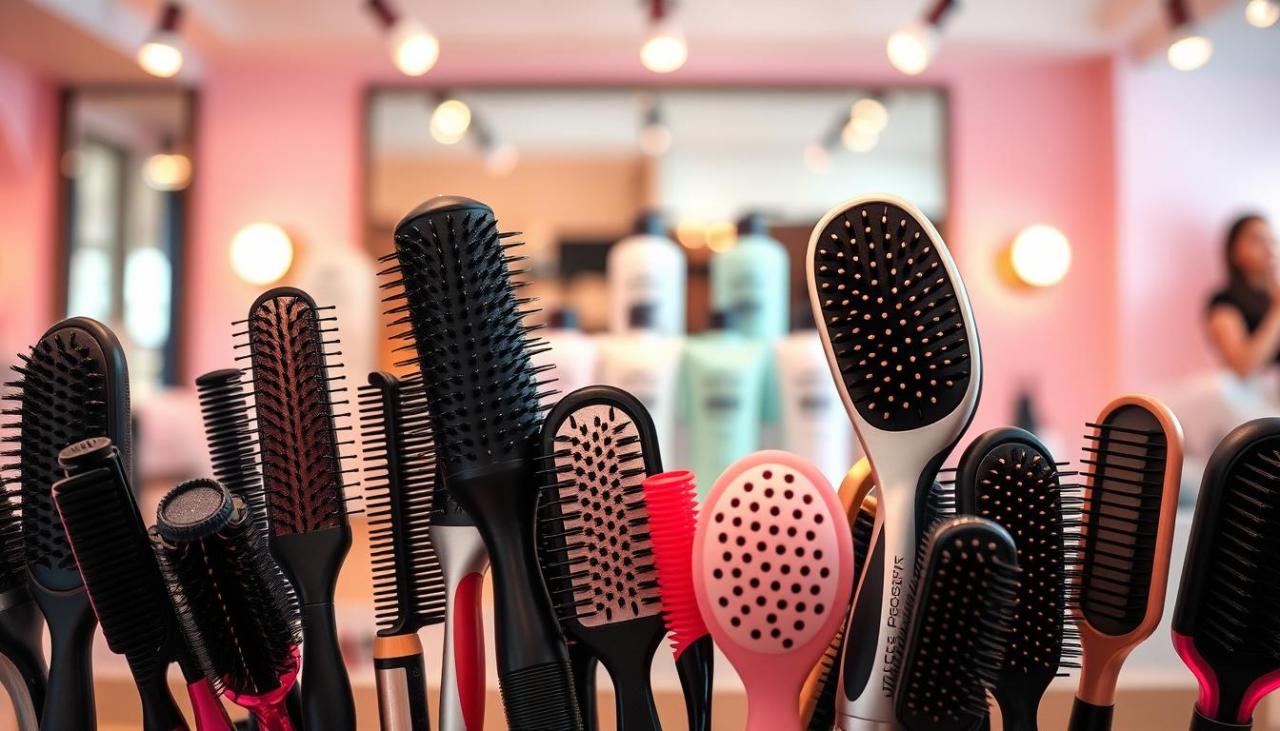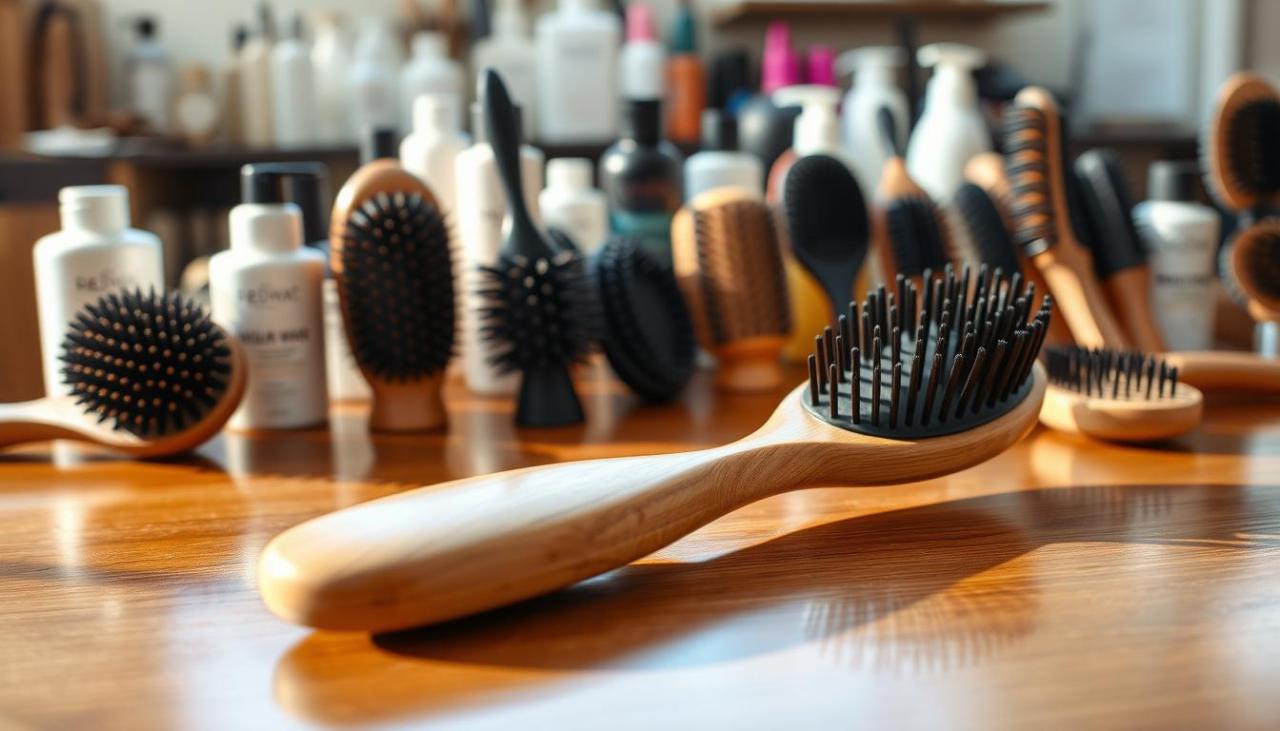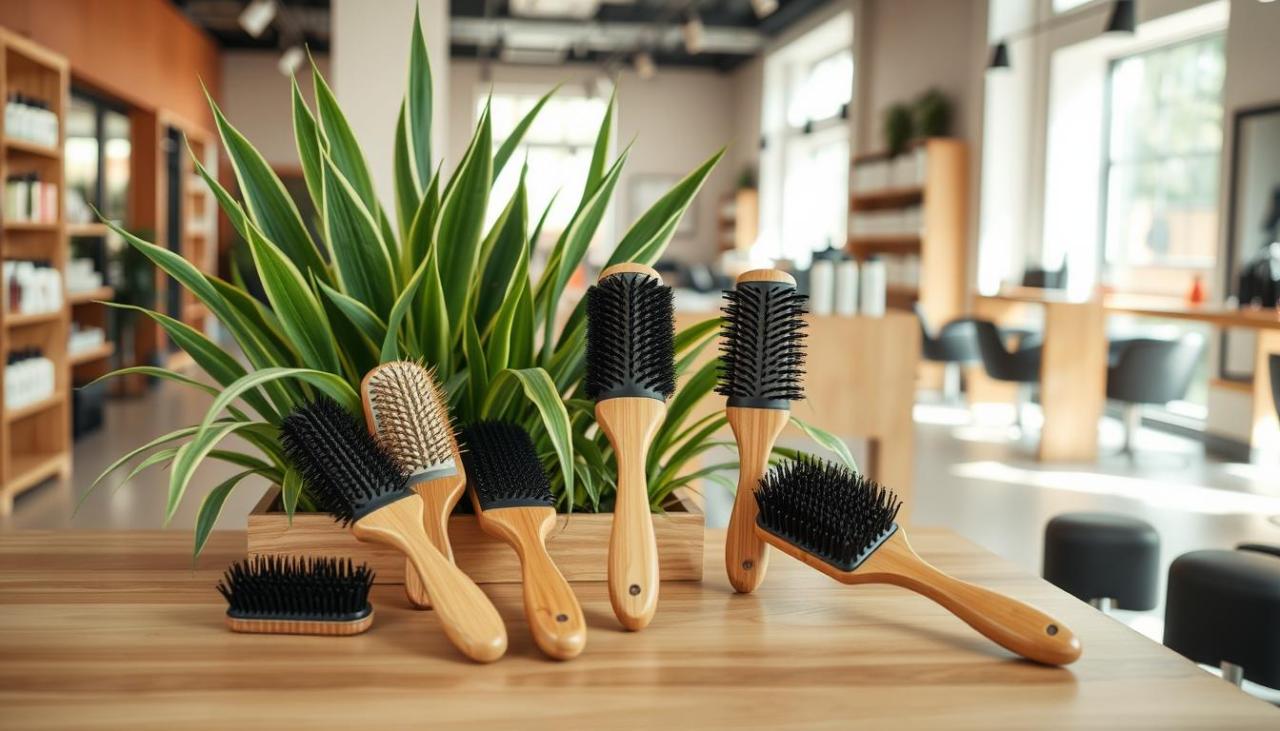
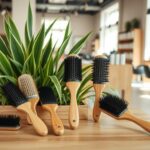
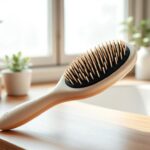
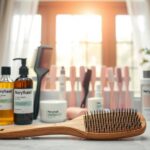
Hair Brush for Men is more than just a grooming tool; it’s an essential part of a man’s daily routine that can significantly impact hair health and appearance. Whether you have straight, curly, or wavy hair, choosing the right brush can make all the difference in achieving the desired style while maintaining hair integrity.
This guide dives into the various types of brushes available for men, highlighting their specific uses and benefits for different hair types. Additionally, it offers practical tips on proper brushing techniques, maintenance, and how to seamlessly incorporate brushing into your grooming regimen for optimum results.
The Importance of Choosing the Right Hair Brush for Men
Selecting the right hair brush is a crucial aspect of men’s grooming that often goes overlooked. The proper brush not only enhances the appearance of your hair but also plays a significant role in maintaining its health. Different brushes are designed for different hair types and styles, making it essential to understand their features and how they can be beneficial.
When it comes to hair brushing, various hair types—such as straight, wavy, curly, or coily—demand specific brushes tailored to their unique needs. Using the incorrect type of brush can lead to ineffective styling, tangling, and, more importantly, damage to the hair. For instance, a fine-toothed comb may work well on straight hair but could cause breakage in curly or coily textures.
Hair Types and Their Specific Brushing Needs
Understanding the distinct needs of different hair types helps in selecting the right brush. Each hair type has its own characteristics and requires particular brushes to ensure optimal care and styling.
- Straight Hair: Typically, a paddle brush or a wide-tooth comb works best. These brushes help in smoothing out the hair and managing flyaways without causing excessive pulling.
- Wavy Hair: For wavy hair, a vented brush is ideal. This type of brush allows for airflow while styling, helping to enhance natural waves while minimizing frizz.
- Curly Hair: A wide-tooth comb is essential for curly hair. It prevents breakage and helps maintain the curl pattern without disrupting the natural texture.
- Coily Hair: Coily hair benefits from a detangling brush or a pick. These brushes are designed to navigate through tight curls with minimal breakage, helping to maintain moisture.
Improper brushing methods can lead to a variety of hair issues. When pressure is applied incorrectly, or when using the wrong brush, it can lead to split ends, breakage, and even a decline in hair health. The way you brush your hair matters; for instance, starting from the ends and gradually working up to the roots can minimize damage.
“It’s not just about styling; it’s about the health of your hair.”
In summary, choosing the right hair brush is a vital aspect of hair care that directly impacts hair health, styling efficacy, and overall appearance. Each hair type has distinct requirements that must be met to avoid damage and promote healthy hair growth.
Various Types of Hair Brushes Suitable for Men
Choosing the right hair brush is essential for effective grooming and styling for men. Different brushes serve distinct purposes, accommodating various hair types, lengths, and textures. Understanding these differences can enhance your daily routine, resulting in healthier hair and a polished appearance.
When it comes to hair brushes, it’s crucial to select the right one based on your specific hair needs. Here, we will explore three common types of brushes: boar bristle brushes, paddle brushes, and round brushes, detailing their features, benefits, and suitability for different hair lengths and textures.
Boar Bristle Brushes
Boar bristle brushes are renowned for their ability to distribute natural oils from the scalp throughout the hair. This results in a shiny, healthy finish. They are especially beneficial for medium to long hair types.
- Best for: Men with thick or coarse hair that requires extra conditioning.
- Benefits: They help reduce frizz and static while smoothing the hair cuticles.
- Usage: Ideal for daily grooming and styling, these brushes can be used on dry hair to enhance shine.
Paddle Brushes
Paddle brushes are wide and flat, making them perfect for detangling and smoothing out hair quickly. They work well for straight or wavy hair and are suitable for all hair lengths.
- Best for: Men with long, thick, or curly hair that may easily get tangled.
- Benefits: They cover more surface area, allowing for quicker styling and detangling.
- Usage: Great for use on wet or dry hair; paddle brushes are often used in combination with hair dryers for a sleek finish.
Round Brushes
Round brushes are ideal for creating volume and curls. They come in various sizes, catering to different styling needs, from loose waves to tight curls.
- Best for: Men with shorter hair looking for added volume or styling versatility.
- Benefits: They allow for greater control while styling, making it easier to create structured looks.
- Usage: Typically used when blow-drying hair; the brush helps shape the hair while adding movement and body.
“The right hair brush not only enhances your style but also promotes healthier hair by reducing breakage and damage.”
Understanding these different types of brushes will help you make informed choices that suit your grooming needs. Each brush type offers unique advantages depending on your hair length and texture, allowing you to achieve your desired look with ease.
Features to Look for in a Men’s Hair Brush
Choosing the right hair brush is essential for maintaining healthy hair and achieving your desired style. Men’s hair brushes come in various shapes, sizes, and materials, making it important to understand the key features that can impact your grooming routine. By selecting the right brush, you can improve your hair care practices and enhance your overall look.
When selecting a hair brush, it’s crucial to consider several features that contribute to the overall effectiveness and comfort of the tool. The bristle material, handle design, and size all play significant roles in ensuring a pleasant brushing experience. Additionally, ergonomic designs can greatly enhance usability, making the grooming process more efficient and enjoyable.
Bristle Material, Handle Design, and Size
The bristle material of a hair brush significantly affects its performance and suitability for different hair types. Common materials include nylon, boar bristles, and mixed bristles. Nylon bristles often provide excellent detangling for thicker hair, while boar bristles are gentler and ideal for distributing natural oils, promoting shine and health.
The handle design is another important feature. Ergonomic handles can make a big difference in how comfortable the brush feels during use. A well-designed handle allows for better grip and control, minimizing hand fatigue during grooming sessions. Additionally, the size of the brush can determine its effectiveness; larger brushes are usually better for longer hair, while smaller brushes can be more manageable for short styles.
To select the right brush based on individual grooming routines, consider the following factors:
- Hair Type: Choose a brush that caters to your specific hair texture, whether it’s thick, fine, curly, or straight.
- Styling Needs: Different brushes serve different purposes, such as smoothing, volumizing, or curling, so select one that aligns with your styling goals.
- Frequency of Use: If you brush your hair daily, investing in a higher-quality brush can lead to better hair health over time.
- Maintenance: Some brushes require more cleaning and care than others. Consider how much time you are willing to dedicate to upkeep.
“A good brush should feel like an extension of your hand, making the grooming experience seamless and enjoyable.”
In summary, understanding the features of a men’s hair brush—bristle material, handle design, and size—can significantly enhance your grooming routine. By taking the time to select a brush that suits your individual needs, you can enjoy a more effective and pleasant hair care experience.
The Best Techniques for Brushing Men’s Hair
Brushing men’s hair is not just about looking good; it’s also essential for maintaining healthy hair. Different hair types require distinct techniques to ensure optimal results. Understanding how to brush effectively can enhance your style while minimizing damage. Here we’ll explore the best practices tailored for various hair types, common mistakes men make, and the significance of sectioning hair before brushing.
Brushing Techniques for Different Hair Types
It’s crucial to apply the right technique based on your hair type to achieve the best results. Here are effective methods for various hair textures:
- Straight Hair: Start at the tips and work your way up. Use a wide-tooth comb or a brush with soft bristles to gently detangle any knots, ensuring you don’t yank or pull the hair. Brushing should be done when the hair is slightly damp to prevent breakage.
- Wavy Hair: For wavy hair, use a paddle brush and brush in sections. Begin by sectioning the hair to avoid tangles. Brush from the roots to the ends, but be gentle to maintain the natural wave pattern. Apply a leave-in conditioner for added moisture.
- Curly Hair: Curly hair benefits from brushing when wet. Use a wide-tooth comb and start from the ends, gradually working your way up. Instead of brushing, consider using your fingers to detangle, which helps preserve curls and reduces frizz.
- Thick Hair: For thick hair, section the hair into manageable parts. Use a boar bristle brush to distribute natural oils while detangling. It’s best to brush thick hair when it’s dry to avoid excessive pulling.
Common Mistakes While Brushing Hair
Avoiding common pitfalls can greatly improve the health and appearance of your hair. Here are some mistakes and tips to avoid them:
- Brushing Wet Hair: Many men brush their hair when it’s soaking wet, which can lead to breakage. Instead, gently towel dry and wait until it’s damp before brushing.
- Using the Wrong Brush: Not all brushes are created equal. Using a brush that suits your hair type can make a significant difference. Always select brushes designed specifically for your hair texture.
- Starting from the Roots: Brushing from the roots down can create knots and increase breakage. Always start from the ends and work your way up to detangle effectively.
- Skipping Product: Many men forget to use a detangling spray or conditioner before brushing, which can help prevent damage. A light spray can make the brushing process smoother and healthier.
Importance of Sectioning Hair for Effective Brushing
Sectioning hair is a critical step that many overlook. It allows for a more controlled brushing experience, minimizing damage and enhancing styling. Here’s why sectioning is beneficial:
- Reduces Tangles: By sectioning your hair, you can focus on detangling smaller portions, which helps to reduce the number of tangles and knots.
- Improves Styling: Sectioning allows for better control over the shape and direction of your hairstyle, making it easier to achieve your desired look.
- Prevents Breakage: Brushing smaller sections reduces the amount of force applied to each strand, minimizing breakage and keeping your hair healthy.
Proper brushing techniques, tailored to your specific hair type, can significantly enhance both the health and appearance of your hair.
Maintaining and Cleaning Hair Brushes for Longevity
Proper maintenance and cleaning of hair brushes not only enhances their performance but also extends their lifespan. A well-cared-for brush can make all the difference in your grooming routine, keeping your hair healthy and looking great. Knowing the right cleaning methods for different types of brushes ensures that you maintain their quality while preventing the buildup of hair and product residue.
Cleaning Methods for Different Types of Brushes
Different brushes require specific cleaning techniques to prevent damage and ensure longevity. Here are the key methods for various types of hair brushes:
- Boar Bristle Brushes: These brushes should be cleaned gently with a mixture of warm water and a few drops of mild shampoo. Soak the bristles for a few minutes, then gently comb through to remove any debris. Rinse thoroughly and lay flat to dry.
- Plastic or Nylon Brushes: These can be easily cleaned with soap and water. Use a soft cloth or sponge to scrub the bristles. For stubborn buildup, a toothbrush can be effective. Make sure to rinse well and dry with a towel.
- Round Brushes: Use a comb to remove hair strands from the bristles. Then, clean with warm soapy water, ensuring you do not soak the entire brush, especially if it has a wooden handle. Rinse carefully and let it air dry.
- Wet Brushes: Designed for detangling wet hair, these brushes require regular cleaning to prevent mildew. Clean with a mixture of vinegar and water, rinsing thoroughly afterward to eliminate any odors.
Regular Maintenance to Extend Brush Life
Routine maintenance is crucial for prolonging the life of your hair brushes. Here are essential practices to incorporate into your grooming regimen:
- Daily Cleaning: After each use, remove hair strands using your fingers or a comb. This simple step prevents buildup and makes deep cleaning easier.
- Weekly Deep Cleaning: Aim for a thorough clean once a week, especially if you use styling products. Follow the appropriate cleaning method for your brush type.
- Avoid Excessive Heat: Keep brushes away from heat sources and avoid using them on wet hair frequently, as this can damage the bristles and the handle.
- Store Properly: Store brushes in a dry, cool place to prevent moisture damage. Avoid leaving them in the bathroom, where humidity can lead to mold growth.
Indicators for Replacing a Hair Brush
Knowing when to replace your hair brush is essential for maintaining hair health. Look for the following signs:
- Bristle Wear: If the bristles are bent or broken, they can tug at your hair, leading to damage. Replace your brush if you notice significant wear.
- Handle Damage: Cracked or broken handles can affect how you use the brush, making it less effective. A damaged handle is a clear indicator for replacement.
- Odor or Mold: If your brush retains odors or shows signs of mold despite regular cleaning, it’s time to invest in a new one for hygiene reasons.
- Frequent Hair Breakage: If you notice increased hair breakage during brushing, your brush may be past its prime and could be causing harm rather than helping.
Regular maintenance and timely replacement of hair brushes can greatly enhance your grooming experience and keep your hair looking its best.
How to Incorporate Hair Brushes into Your Daily Grooming Routine
Incorporating hair brushes into your daily grooming routine is essential for maintaining healthy hair and an overall polished appearance. A consistent brushing routine not only helps detangle and style your hair but also stimulates the scalp, distributing natural oils throughout. This guide will provide a structured grooming routine that includes brushing, the optimal timing for this activity, and the long-term benefits of making it a daily habit.
Structured Grooming Routine Including Brushing
Creating a grooming routine that seamlessly integrates brushing is vital for both efficiency and effectiveness. Here’s a suggested sequence to follow each day:
1. Start with a Clean Canvas: Begin your routine by washing your hair with a suitable shampoo and conditioner. This cleanses your scalp and prepares your hair for brushing.
2. Towel Dry Gently: After showering, gently towel dry your hair to remove excess moisture. Avoid vigorous rubbing, as this can lead to breakage.
3. Apply Hair Products: If you use styling products, apply them while your hair is still slightly damp. This ensures even distribution and better hold.
4. Brush Your Hair: Now, it’s time to incorporate brushing. Use a quality hair brush, starting from the roots and working your way down to the ends. This technique helps in detangling and promoting blood circulation in the scalp.
5. Style as Desired: After brushing, style your hair as you wish. Whether you prefer a simple slick back or something more elaborate, brushing will have laid a solid foundation.
Incorporating these steps into your daily grooming routine not only enhances your overall appearance but also ensures your hair remains healthy.
Timing of Brushing in Relation to Other Grooming Activities
The timing of brushing is crucial for maximizing its benefits. It’s most effective to brush your hair at specific times during your grooming process:
– Post-Shower: Brushing right after you shower, while your hair is still damp, can help detangle and distribute conditioner evenly.
– Before Bed: A gentle brushing session before bed can help to remove any loose hair and distribute natural oils, keeping your hair nourished overnight.
– Before Styling: Always brush your hair before applying any heat styling tools. This helps to prevent damage and ensures an even application of heat.
Implementing these timings into your routine ensures that brushing complements your overall grooming efforts, leading to healthier hair.
Benefits of Making Brushing a Daily Habit
Making brushing a daily habit offers numerous advantages that contribute to overall hair health and grooming efficiency. Here are some benefits to consider:
– Improves Scalp Health: Regular brushing stimulates blood circulation in the scalp, promoting hair growth and a healthier scalp environment.
– Enhances Shine and Luster: Brushing distributes natural oils from the scalp throughout the hair shafts, resulting in a shinier, healthier appearance.
– Prevents Tangles and Breakage: Consistent brushing helps prevent knots and tangles, reducing the risk of hair breakage and damage.
– Aids in Styling: Brushing provides a solid foundation for styling, allowing for easier manipulation of hair into desired shapes and styles.
Implementing these benefits into your daily routine fosters a greater appreciation of the importance of brushing, enhancing both the health of your hair and your grooming experience.
Popular Hair Brush Brands for Men in the Market Today
In the world of men’s grooming, selecting the right hair brush can significantly impact the health and style of your hair. Not all brushes are created equal, and various brands offer unique features designed specifically for men’s hair types and styling needs. Here’s an overview of some popular hair brush brands that are making waves in the market today, focusing on their unique offerings and price points.
Renowned Brands and Their Unique Features
Several brands have established themselves as leaders in providing high-quality hair brushes for men. Below is a list of these brands, along with the unique features they offer:
- Kent: Known for its handcrafted brushes, Kent uses natural bristles that help distribute natural oils throughout the hair. This results in a healthy shine and reduces frizz, making it particularly appealing for men with medium to long hair. Prices typically range from $25 to $70.
- Tangle Teezer: This brand specializes in detangling brushes that are designed with flexible bristles to minimize breakage. Tangle Teezer brushes are particularly effective for thick or curly hair, offering a pain-free grooming experience. They range from $15 to $30.
- Hercules Sägemann: This brand features a variety of boar bristle brushes that are great for fine to medium hair types. The brushes help reduce static and add shine, making them ideal for styling. Prices for Hercules Sägemann brushes generally fall between $20 and $50.
- Viking Revolution: Known for its grooming products, Viking Revolution offers hair brushes that are designed with strong, durable bristles suitable for thick hair. Their brushes often include ergonomic handles for better grip. Price ranges from $10 to $25, making them budget-friendly.
- Bristle & Mane: This brand focuses on luxury grooming tools made from high-quality wood and bristles. Their brushes not only look elegant but also help in preventing breakage and promoting healthy hair. Prices range from $30 to $60.
The choice of a hair brush can depend on individual hair type, styling preferences, and budget. By considering the unique features and price ranges of these brands, men can find a hair brush that not only fits their grooming routine but also enhances their overall hair health and style.
Common Myths About Hair Brushes Debunked
Many individuals, particularly men, encounter a myriad of myths regarding hair brushes that can complicate their hair care routines. Misconceptions about the types of brushes, their effects on hair health, and their proper uses can lead to poor hair management and even damage. By debunking these myths, we aim to equip you with the knowledge needed to enhance your hair care practices effectively.
Understanding the truth behind these myths can significantly improve your grooming habits and the overall health of your hair. It’s essential to clear the air about these misconceptions so that men can choose the right hair brushes and techniques that truly benefit their hair type and lifestyle.
Myth: All Hair Brushes Are the Same
A common belief is that any brush will do the job for any hair type. However, this could not be further from the truth. Different hair types require specific brushes to ensure optimal care and styling.
– Bristle Types Matter: Natural bristles are suitable for thick hair, while synthetic bristles are often better for finer hair. For example, a boar bristle brush works wonders for distributing natural oils in thicker hair, improving shine and health.
– Shape and Size: Round brushes are great for creating volume and curls, while paddle brushes are typically used for straightening and smoothing.
– Purpose-Driven Design: Some brushes are designed specifically for detangling, styling, or blow-drying, indicating that selecting the right brush is crucial to achieving desired results.
“Using the appropriate hair brush for your hair type can dramatically enhance your styling routine and hair health.”
Myth: Brushing Hair Causes Hair Loss
Many men fear that brushing their hair frequently leads to hair loss. While it’s true that excessive pulling and harsh brushing can damage hair follicles, regular brushing is not inherently harmful.
– Gentle Techniques: Using a brush suited for your hair type and employing gentle strokes can help stimulate the scalp and promote hair growth.
– Detangling vs. Damage: Brushes designed for detangling can minimize breakage. For instance, a wide-toothed comb is excellent for wet hair to avoid pulling.
– Scalp Stimulation: Brushing can enhance blood circulation in the scalp, which can be beneficial for hair growth when done correctly.
“Brushing, when done properly, will not cause hair loss but can actually support healthy hair growth.”
Myth: You Should Only Brush Hair When It’s Dry
Another misconception is that hair should only be brushed when it’s dry. In reality, the state of your hair determines the best time to brush it.
– Wet Hair Benefits: Using a specialized wet brush can help detangle hair without causing breakage, which is critical for those with curly or wavy hair textures.
– Avoiding Damage: Brushing dry hair when it’s tangled can lead to breakage. It’s better to use a leave-in conditioner or detangler on wet hair before brushing.
– Routine Adjustments: For men with longer hairstyles, brushing after a shower can help in maintaining the style and prevent knots from forming.
“Understanding when to brush your hair can prevent damage and enhance manageability.”
Myth: Expensive Brushes Are Always Better
It’s a common assumption that the priciest brushes yield the best results. However, price does not always equate to quality or suitability for your hair type.
– Material Matters: While premium materials can enhance performance, many affordable brushes offer excellent quality and functionality.
– Personal Suitability: The best brush for you is one that caters to your specific hair needs rather than its price tag.
– Research Over Cost: Reading reviews and understanding your hair requirements will yield better results than simply choosing the most expensive option available.
“Choosing the right hair brush is more about understanding your hair needs than the price you pay.”
Epilogue
In summary, selecting the right hair brush is crucial for not only styling but also for the overall health of your hair. By understanding the various options and techniques available, you can elevate your grooming routine and debunk common myths surrounding hair brushing. Remember, a little care goes a long way in keeping your hair looking its best.
Essential Questionnaire
What type of brush is best for thick hair?
A paddle brush with wide-set bristles is ideal for thick hair as it allows for easier detangling and smoothing.
How often should I clean my hair brush?
It’s recommended to clean your hair brush at least once a month to remove hair, product buildup, and dirt.
Can I use a hair brush on wet hair?
It’s best to use a wide-tooth comb on wet hair to prevent breakage, as brushes can cause more damage when hair is wet and vulnerable.
Are expensive hair brushes worth it?
High-quality brushes often use better materials and construction, which can last longer and provide better results, making them a worthwhile investment.
How do I choose the right brush for my hair type?
Identify your hair type (straight, curly, thick, or fine) and select a brush that complements your needs; for example, boar bristle brushes are great for fine hair while round brushes work well for styling.