
Did you know that nearly 50% of adults report experiencing some form of skin irritation on their head? Many people overlook the fact that their daily grooming routine might be the primary culprit behind this persistent discomfort.
We believe that selecting the right Hair Brush for Sensitive Scalp is essential for maintaining long-term wellness. Using a harsh tool can lead to unnecessary inflammation and breakage, turning a simple task into a painful experience.
Our goal is to help you transform your morning routine into a soothing care ritual. By choosing a high-quality sensitive scalp brush, you protect your delicate skin while promoting healthy growth. Let us guide you through the best options available to ensure your comfort and peace of mind.
Key Takeaways
- Identify the signs of irritation caused by improper grooming tools.
- Understand why material choice matters for delicate skin.
- Learn how to select a tool that minimizes friction and tension.
- Discover the long-term benefits of gentle daily maintenance.
- Improve your overall comfort during your morning routine.
Understanding Sensitive Scalps
Knowing what your sensitive scalp needs is key to better hair health. Many of us deal with scalp tightness, itching, or tenderness. This makes grooming feel like a burden, not a self-care moment.
What is a Sensitive Scalp?
A sensitive scalp reacts strongly to outside things, leading to inflammation or discomfort. Even simple actions like combing can hurt. Using a gentle hair brush helps reduce irritation and protects your scalp’s delicate skin.
Common Causes of Sensitivity
Many things can upset your scalp, from environmental stress to daily products. Product buildup from things like dry shampoos or styling gels can clog pores. Harsh weather or frequent heat styling also dries out your scalp.
When your scalp is dry or irritated, it needs a soothing scalp brush. This brush should spread natural oils gently. It helps keep blood flowing, which is crucial for hair health and follicle strength.
Signs You Need a Specialized Brush
Spotting early signs of scalp trouble can prevent lasting damage. Look out for redness, flaking, or a burning feeling after brushing. If you see these, your brush is probably too harsh.
| Feature | Standard Brush | Specialized Brush |
|---|---|---|
| Bristle Texture | Rigid and sharp | Soft and flexible |
| Scalp Impact | Can cause micro-tears | Massages and soothes |
| Hair Type Suitability | General use | Sensitive or thinning |
| Overall Comfort | Low | High |
If you see these signs, it’s time for a change. Choose a tool that puts your comfort first. The right equipment makes your daily routine a scalp-friendly one.
Importance of Choosing the Right Hair Brush
Your hair brush is the first defense for a sensitive scalp. Many of us brush our hair without thinking, but the brush we use affects our scalp’s health. Choosing the right brush is key to avoiding harm to delicate areas.
Impact on Scalp Health
Low-quality brushes can cause tiny tears on the scalp. These tears lead to inflammation, redness, and irritation. Using a gentle hair brush reduces the friction that causes these problems.
Using harsh tools can harm the scalp’s natural barrier. When we care for our scalp, our hair follicles stay strong. This prevents damage that we might not notice until it hurts.
Benefits of Soft Bristles
Soft bristles cushion the scalp during brushing. Unlike stiff bristles, they don’t dig into the skin. This is crucial for those with sensitive scalps.
- Even distribution: Soft bristles spread natural oils evenly.
- Reduced friction: They prevent hair breakage and scalp pulling.
- Increased comfort: They make brushing a soothing experience.
How a Good Brush Can Reduce Discomfort
A good soothing scalp brush is more than a styling tool. It keeps the scalp hydrated and healthy. This is essential for good hair care.
Choosing the right brush is a form of self-care. Switching to a soothing scalp brush reduces daily irritation. Caring for our scalp helps our hair grow strong and healthy.
Features to Look for in a Hair Brush
Finding the right hair brush can make styling easier and more comfortable. The wrong brush can irritate your scalp. So, we look for design features that focus on your comfort.
Softness and Flexibility of Bristles
The bristle texture is key. A scalp-friendly brush has soft, flexible tips. These tips move through tangles without scratching or pulling your skin.
Rigid bristles can damage your scalp. Flexible materials bend when they touch your scalp. This gives a gentle massage instead of a harsh scrape.
Brush Shape and Size
The brush’s shape and size matter a lot. A scalp-safe hair brush often has a curved head that fits your skull.
This shape lets the bristles cover your scalp evenly. It avoids pressure points that can hurt during styling.
Ergonomic Design for Ease of Use
The handle’s design is also crucial. An ergonomic handle helps you control pressure better. This is important for sensitive scalps.
A non-slip grip lets you control the brush well. This control prevents accidental pulling. It makes grooming safe and easy every time.
Types of Hair Brushes Suitable for Sensitive Scalps
Choosing the right hair brush is key when your scalp is sensitive. Not all brushes are the same, and finding a scalp-friendly brush is crucial. The right design helps manage your hair without causing irritation or pain.
Paddle Brushes
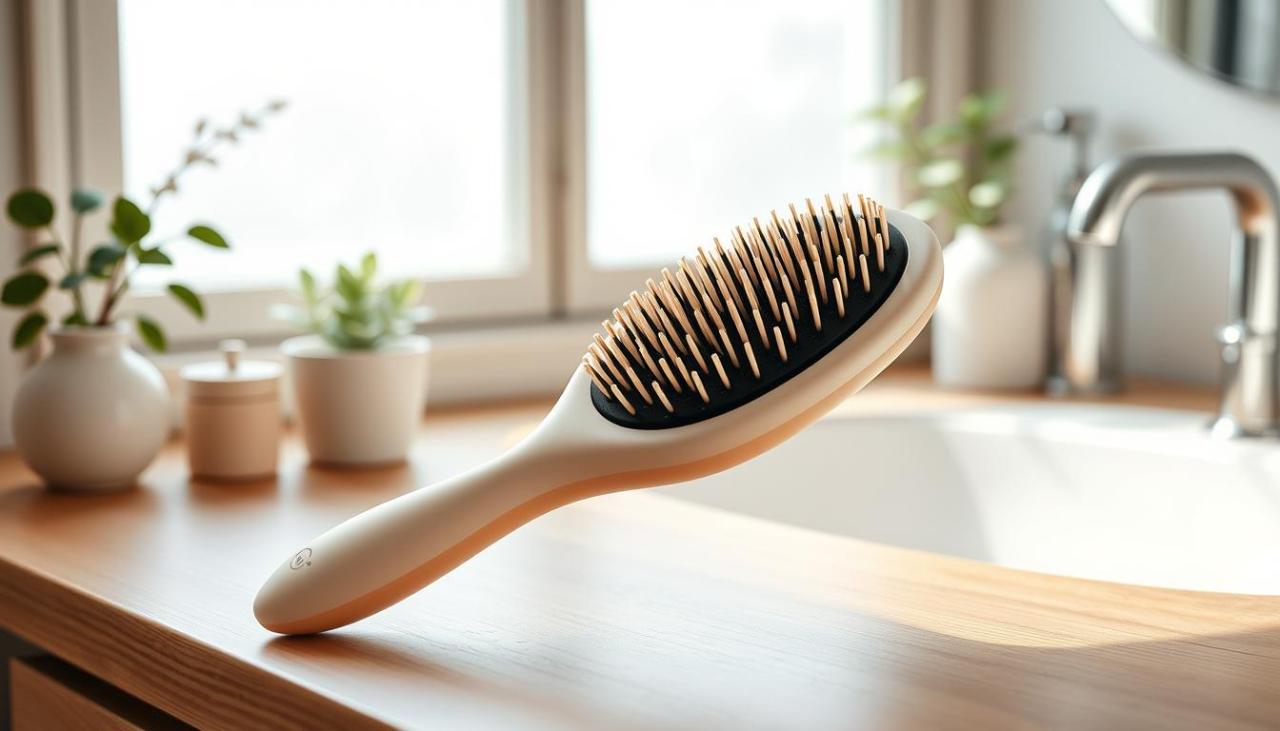
Paddle brushes are great for sensitive skin. They have a cushioned base that softens the bristles. This makes them a gentle scalp-safe hair brush for everyday use.
Round Brushes
Round brushes are good for styling but can be harsh if not used carefully. Look for ones with soft, flexible bristles and a smooth barrel. They add volume gently, without discomfort.
Wide Tooth Combs
Wide tooth combs are perfect for untangling hair. They move through hair easily, making them a great scalp-safe hair brush for sensitive scalps. Their design avoids the tight bristles found in other brushes.
Using these tools in your routine helps care for your hair and skin. Whether it’s a paddle brush for daily use or a wide tooth comb for detangling, a scalp-friendly brush makes grooming healthier and more comfortable.
Recommended Brands for Sensitive Scalp Brushes
Looking for the right brush for a sensitive scalp can be tough. But, top brands have created perfect brushes. Choosing a soft bristle hairbrush is key for a gentle hair care routine. It helps avoid the irritation from regular brushes.
Tangle Teezer
Tangle Teezer changed the game with its special design. Its brushes move through tangles without hurting your scalp. Many say it’s the best for a gentle detangling experience.
Wet Brush
The Wet Brush is famous for its IntelliFlex bristles. These bristles are thin, strong, and flexible. They don’t hurt your scalp, making it perfect for sensitive scalps.
Mason Pearson
Mason Pearson offers a classic choice. Their brushes are known as luxury hairbrushes. They use high-quality materials and are great for distributing natural oils to soothe your scalp.
Investing in your scalp health is important. These top brands offer many benefits:
- Ergonomic designs that make using them easier.
- Advanced materials that prevent static and breakage.
- Specialized bristle patterns that massage your scalp gently.
- Long-lasting durability, making them a smart buy.
The best brush for you depends on your hair and comfort. Try these options to find the best for your needs.
How to Properly Use a Hair Brush
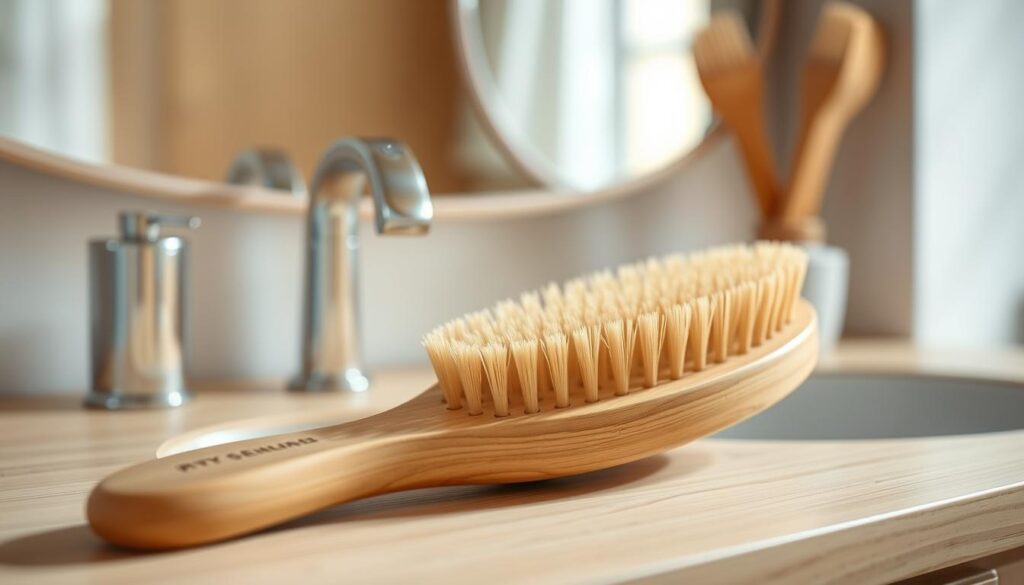
Even the best tools can harm if used wrong. We often overlook how we handle our hair, which affects scalp health more. By changing our daily habits, we can make brushing a calming ritual that protects our hair.
Techniques for Gentle Brushing
Start with the ends of your hair when using a soft bristle hairbrush. This stops small knots from becoming big tangles near the roots. Use slow, careful strokes to avoid scalp friction.
If you hit a knot, stop right away to avoid pulling it out. A gentle detangling brush helps you move through hair without breaking strands or scratching your scalp. Being patient is crucial.
The Importance of Sections
Divide your hair into sections before brushing. This reduces scalp tension. It lets you control each part better and avoid tugging too hard.
Sectioning also helps find hidden knots. This method lowers breakage risk and keeps your hair smooth. It’s a simple change that makes a big difference in scalp comfort.
Frequency of Brushing
Brushing is good for oil distribution, but too much can irritate. Brush twice a day—morning and night. This keeps blood flow to follicles without stressing them too much.
If your hair tangles a lot, brush more gently. Consistency is key for a healthy scalp. Use the table below to see how habits affect your hair care.
| Habit | Impact on Scalp | Recommended Action |
|---|---|---|
| Aggressive Pulling | High Tension | Use gentle detangling brush |
| Brushing Wet Hair | Increased Breakage | Use wide-tooth comb only |
| Daily Maintenance | Healthy Oil Flow | Use soft bristle hairbrush |
| Sectioning Hair | Reduced Stress | Always divide into parts |
Tips for Maintaining Your Hair Brush
A clean scalp care brush is key for comfort and hygiene. Your tools should get the same care as your hair products. A simple routine keeps your brush a gentle grooming partner.
Cleaning Your Brush
Your brush picks up hair, dust, and oils over time. Remove loose hair after each use to avoid buildup. Wash your scalp care brush with warm water and mild shampoo once a week.
Scrub the bristles with your fingers or a small tool. Rinse well and let it air dry with bristles down. This stops water from pooling and causing mold or bacteria.
When to Replace Your Hair Brush
Tools wear out, even the best ones. Check your brush for damage signs often. Bent or missing bristles mean it’s time for a new one.
A cracked base or worn-out cushion also signals a need for a new brush. Damaged tools can scratch your skin and cause irritation. Replace your scalp care brush every six to twelve months for a safe and comfortable routine.
Storing Your Brush Correctly
Proper storage keeps your brush in good shape. Store your tools in a clean, dry place or a vanity organizer. Avoid humid spots like the bathroom counter to prevent damage.
Also, keep your brush out of direct sunlight to prevent material damage. A little care extends the life of your grooming accessory.
| Maintenance Task | Frequency | Benefit |
|---|---|---|
| Remove loose hair | Daily | Prevents debris buildup |
| Deep clean with soap | Weekly | Removes oil and bacteria |
| Inspect for damage | Monthly | Ensures scalp safety |
| Replace old brush | Every 6-12 months | Maintains optimal performance |
Addressing Different Hair Types
Finding the right balance between detangling and comfort starts with knowing your hair type. Hair texture is key in how a tool works with your skin. The right scalp care brush keeps your hair healthy without causing irritation or breakage.
Brushes for Thin Hair
Thin hair is fragile and can break easily with harsh tools. Choose a brush with extra-soft, flexible bristles that move through hair without pulling at the roots. A good hair brush for sensitive scalp gently stimulates blood flow while protecting your hair.
- Look for nylon bristles with rounded tips.
- Avoid heavy, metal-based brushes that can cause static.
- Focus on lightweight designs to prevent over-brushing.
Brushes for Curly Hair
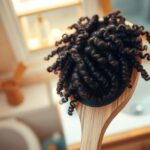
Curly hair needs a special approach because coils can trap knots near the scalp. You need a tool that detangles well while being gentle. A scalp care brush with wide teeth is best for keeping your curls natural.
Consistency is key for curly hair. Using a brush made for detangling reduces scalp tension during your morning routine. This prevents the discomfort of pulling through tight knots.
Brushes for Thick Hair
Thick hair is a different challenge because it’s hard for bristles to reach the scalp. Use a brush with a mix of long and short bristles for even oil distribution. This design lets you massage your scalp well without too much pressure.
When picking your scalp care brush, look for durability and ergonomic handles. A strong grip makes it easy to go through thick hair with precision. Aim for a smooth finish and a calm scalp all day.
DIY Hair Care Tips for Sensitive Scalps
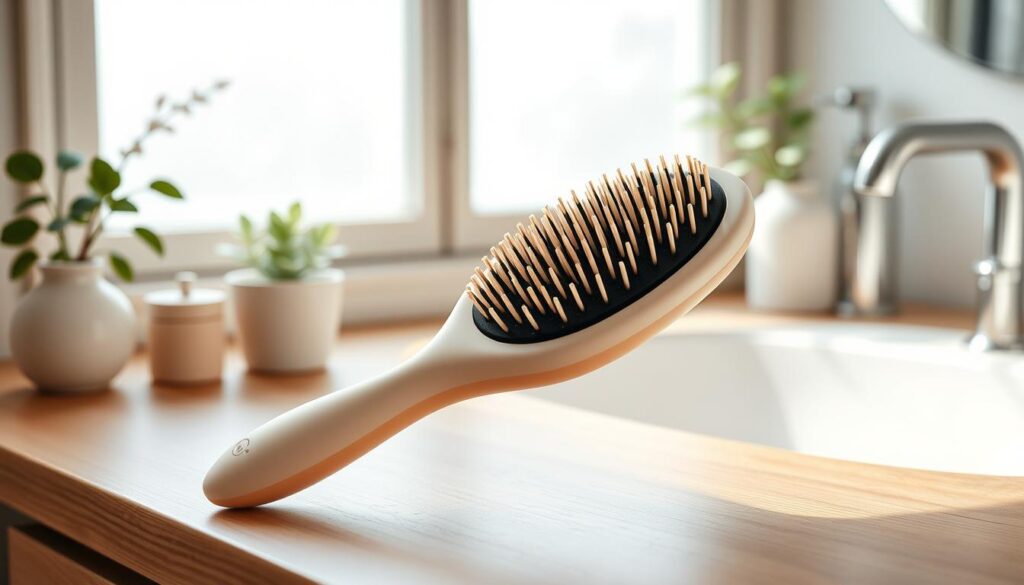
Keeping a healthy scalp is more than just using the right tools. It’s about a complete care approach. A good hairbrush for delicate scalp is key, but your daily habits matter too. Simple, natural steps can ease irritation and help your scalp grow hair better.
Natural Oil Treatments
Natural oils are great for deep hydration without harsh chemicals. Try jojoba, sweet almond, or argan oil for your scalp. They match the natural oils our scalp makes, keeping moisture balanced.
Massage a few drops of these oils into your scalp with your fingers before washing. This loosens dry flakes and feels soothing. Regular use makes using your hairbrush for delicate scalp easier by softening buildup.
Avoiding Irritating Hair Products
Many hair products can cause sensitivity or allergic reactions. Look for products without sulfates, synthetic fragrances, and parabens. Switching to fragrance-free or hypoallergenic products can help sensitive skin right away.
- Sulfates: These detergents can strip away natural oils, leaving the scalp dry and itchy.
- Synthetic Fragrances: Often the primary cause of contact dermatitis on the scalp.
- Alcohol-based styling products: These can cause excessive dryness and irritation over time.
Protective Hairstyles
Reducing scalp manipulation is crucial for sensitive scalps. Styles like loose braids or low buns keep hair in place and reduce detangling needs. These styles lower inflammation risk by reducing tension.
These styles also prevent tangles, so you use your hairbrush for delicate scalp less. Minimizing daily friction lets your scalp recover and keep its natural barrier. Keep styles loose to avoid pulling on hair follicles, which can make sensitivity worse.
Seeking Professional Advice
Sometimes, your scalp needs more than just a gentle hairbrush for delicate scalp care. While many issues can be fixed with simple changes, some problems need a doctor’s help.
When to Consult a Dermatologist
See a doctor if you notice signs that are more than just dryness or mild irritation. If you have persistent itching, unexplained redness, or sores, it could be a sign of something serious like dermatitis or psoriasis.
“A healthy scalp is the foundation of beautiful hair, and ignoring chronic inflammation can lead to long-term damage.”
If you see sudden hair thinning or patches of irritation that don’t get better, don’t wait. A dermatologist can check if your sensitivity is from an allergy, infection, or hormonal issue.
Creating a Care Routine Together
After seeing a professional, you can work on a care plan that’s just for you. This way, your daily habits and tools match your medical needs.
Your doctor might recommend special shampoos or help you pick a specialized tool that’s gentle. By mixing medical advice with your daily routine, you help your scalp heal better.
| Feature | Home Care | Professional Care |
|---|---|---|
| Diagnosis | Self-assessment | Clinical testing |
| Treatment | Gentle brushing | Medicated therapy |
| Goal | Daily comfort | Root cause resolution |
Knowing when to ask for help is key to your well-being. Using the right hairbrush for delicate scalp is a good start. But, getting professional advice ensures you’re on the right path to lasting comfort.
Frequently Asked Questions
Ever wondered how long your hair tools last or if they really work? You’re not alone. Many readers ask us about keeping their scalp healthy with a Hair Brush for Sensitive Scalp. These questions help us find the best ways to care for your scalp.
How Often Should I Replace My Hair Brush?
Experts say to replace your brush every six to twelve months. Look for bent bristles, a cracked base, or trapped debris. If you see these signs, it’s time for a new brush. A worn-out brush can cause friction, which hurts a sensitive scalp.
Are There Specific Brands for Sensitive Scalps?
Yes, many brands make gentle grooming tools for sensitive scalps. Tangle Teezer, Wet Brush, and Mason Pearson are known for their soft bristles. They help detangle without pulling, making them great for a Hair Brush for Sensitive Scalp.
Can a Brush Really Help with Scalp Health?
A good brush is more than just for styling. It gently stimulates your scalp. Brushing helps blood flow to your hair follicles, boosting scalp health. Regular, gentle brushing keeps your scalp hydrated and healthy.
| Brush Type | Best For | Scalp Benefit |
|---|---|---|
| Paddle Brush | Long, straight hair | Gentle surface massage |
| Detangling Brush | Knotted, fine hair | Reduces pulling tension |
| Boar Bristle Brush | Oil distribution | Natural conditioning |
| Wide Tooth Comb | Wet, fragile hair | Prevents breakage |
Choosing the right Hair Brush for Sensitive Scalp is key to a better daily routine. Focus on comfort and quality to keep your scalp healthy and free from irritation.
Conclusion: Choosing the Best Hair Brush for Us
Finding the right tools for your hair care routine can change how you feel every day. We think investing in a high-quality sensitive scalp brush is key. It gives you the relief you need while protecting your delicate skin.
Summary of Essential Takeaways
Choosing the right brush means looking at bristle flexibility and design. Brands like Tangle Teezer and Mason Pearson offer great options. These tools help prevent irritation and support healthy hair growth.
Comfort and Daily Care
Your daily hair care should be a soothing ritual, not a chore. A proper sensitive scalp brush is a gentle partner in your wellness journey. Making small changes to your technique can greatly improve comfort over time.
Exploring Your Options
We suggest trying different designs to find what works best for you. You have the power to choose what supports your scalp health in the long run. Start looking for the right brush today and enjoy a more mindful grooming routine.