Did you know that nearly 65% of people have some form of natural texture? Yet, most struggle to manage it correctly. Many of us spend years fighting our natural pattern, unaware that the secret to vibrant, healthy locks lies in embracing our unique texture.
We believe that wavy hair is incredibly versatile. But it demands a specific approach to stay hydrated and defined. Without the right moisture balance, this hair type often becomes prone to unwanted frizz and dryness.
Mastering your routine starts with understanding your specific pattern. By following expert-backed wavy hair care strategies, you can transform your daily maintenance into a simple, rewarding ritual. Our goal is to provide you with the best wavy hair tips to ensure your hair remains strong, shiny, and full of life every single day.
Key Takeaways
- Identify your specific texture pattern to choose the right products.
- Prioritize deep hydration to prevent frizz and breakage.
- Use gentle styling techniques to enhance your natural movement.
- Protect your hair from heat damage to maintain long-term health.
- Consistency is the foundation of a successful hair care routine.
Understanding Wavy Hair
If you’ve ever wondered how to get wavy hair that stays defined, start by understanding your hair type. Every hair type is unique, and knowing yours is key to a great routine. By grasping the science behind your hair, you can pick the best products and tools to highlight your natural beauty.
Characteristics of Wavy Hair
To grasp your hair, first figure out its texture and density. Run a single strand between your thumb and finger to test texture. If it feels almost invisible, your hair is fine. If it feels thick, it’s coarse.
Next, do the ponytail test to check density. Wrap a tape around your ponytail. A small circumference means low density, while a larger one means high. Using a good hair brush for wavy hair helps manage these traits without damage.
The Different Types of Waves
Wavy hair falls into three main types, each needing a unique styling approach. Knowing your type helps keep your waves vibrant and healthy:
- Type 2a: These waves are subtle and loose, often appearing as a slight bend in the hair.
- Type 2b: This type features a more defined S-shaped pattern that starts from the mid-lengths.
- Type 2c: These waves have the most volume and a tighter, more pronounced wave structure.
Common Misconceptions About Wavy Hair
Many think wavy hair is just straight hair that hasn’t been brushed. But this is a big myth. Wavy hair has a unique structure that needs specific care to avoid frizz.
Another myth is that all waves need heavy products to stay in place. Too much product can weigh down your hair, making it look flat. Knowing your hair’s true needs is the best way to get wavy hair that looks healthy and lively.
Essential Hair Care Tips for Wavy Hair
Getting healthy, vibrant waves starts with basic steps in every wash. Good wavy hair care is not just about products. It’s also about how you handle your hair to keep its natural bounce. By improving your routine, you can avoid damage and keep your hair looking great every day.
How to Wash Wavy Hair Properly
Many of us wash our hair too often, losing vital natural oils. These oils help keep waves hydrated and defined. Try to limit washing to two or three times a week to keep your scalp balanced.
When washing, focus shampoo on your scalp, not the ends. Gently massage it in to remove buildup without causing damage. This simple trick is one of our top wavy hair tips for less frizz and better wave shape.
Choosing the Right Products
Picking the right products is key to good care. Look for formulas without harsh sulfates and heavy silicones, which can weigh down waves. Choose lightweight, moisturizing ingredients for bouncy, soft hair.
Check labels for nourishing ingredients like aloe vera or jojoba oil. These add moisture without being greasy. Using the right products keeps your hair healthy and easy to manage all week.
Importance of Conditioning
Conditioning is essential for wavy hair. It softens the hair cuticle, making it easier to detangle without breakage. Apply conditioner from mid-lengths to ends, where your hair needs most hydration.
Simple lifestyle changes can protect your hair while you sleep. Use a silk or satin pillowcase to reduce tangles and keep waves smooth. Here’s a guide to help you manage your wash routine:
| Routine Step | Frequency | Primary Benefit |
|---|---|---|
| Cleansing | 2-3 times/week | Removes buildup |
| Deep Conditioning | Once weekly | Restores moisture |
| Detangling | During conditioning | Prevents breakage |
| Night Protection | Every night | Reduces frizz |
Best Styling Techniques for Wavy Hair
Styling your hair should be easy and fun every day. Use gentle methods to keep your natural texture and avoid damage. This wavy hair tutorial will show you how to style your hair without harming it.
Enhancing Natural Waves
Avoid rubbing your hair with a towel. Instead, use a microfiber towel or an old cotton t-shirt to gently remove excess water. This helps prevent frizz and keeps your natural pattern intact.
When drying, a diffuser is key for volume. Use low heat and slowly move the dryer around your head. This method is great for how to get wavy hair that looks like it came from the salon.
Heat Styling Tips
Always use a heat protectant spray before styling with hot tools. It acts as a shield against high temperatures. Keep your tools at a moderate temperature to avoid dryness and breakage.
For beachy waves, wrap small hair sections around a curling wand, leaving the ends out. This gives a relaxed, chic look. Let your hair cool completely before touching it to set the style.
The Role of Hair Accessories
Accessories do more than add style; they protect your hair. Use silk or satin scrunchies to keep your hair up without causing damage. These materials are gentler on wavy hair than traditional bands.
Decorative clips can also be used to pin back hair for a polished look. They clear your face while showing off your natural texture. Here’s a quick guide to picking the right tools for your hair.
| Tool Type | Primary Benefit | Best For |
|---|---|---|
| Microfiber Towel | Reduces Frizz | Drying |
| Diffuser Attachment | Adds Volume | Defining Waves |
| Silk Scrunchie | Prevents Breakage | Securing Hair |
| Heat Protectant | Shields Strands | Thermal Styling |
Recommended Hair Products for Wavy Hair
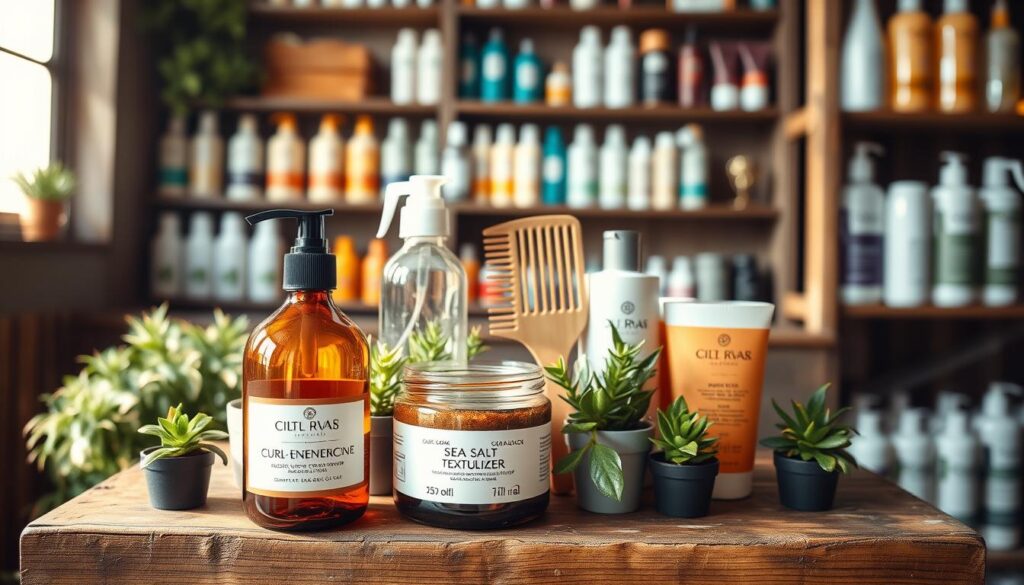
We believe that beautiful waves start with the right products. Choosing the right wavy hair products is key. They should support your natural texture without weighing you down.
Look for lightweight, hydrating formulas. This way, your hair stays soft, manageable, and defined all day.
Top Shampoos for Wavy Hair
A gentle cleanser is the first step to a great routine. Opt for sulfate-free shampoos. They clean well without stripping your hair of natural oils.
These shampoos help keep your wavy hair from getting dry. Dryness can lead to frizz.
Best Conditioners for Waves
Conditioning is crucial for detangling. Choose products that deeply hydrate without weighing your hair down. Many use a multi-purpose conditioner as a leave-in treatment.
This makes their daily routine simpler. It keeps their hair healthy and vibrant.
Styling Creams and Gels to Try
Styling creams and gels are great for definition. These wavy hair products hold your waves in place and add shine. Try different types to find what works best for your hair.
| Product Category | Primary Benefit | Best For |
|---|---|---|
| Sulfate-Free Shampoo | Gentle Cleansing | Maintaining Natural Oils |
| Hydrating Conditioner | Detangling & Moisture | Softening Wavy Hair |
| Lightweight Styling Gel | Definition & Hold | Long-Lasting Texture |
The goal is to find products that work well together. By choosing the right wavy hair products, you can confidently show off your natural look.
Natural Remedies for Wavy Hair Health
We think nature is the best for keeping wavy hair healthy and bouncy. Many commercial products are available, but plant-based ingredients are gentler and more effective. To get wavy hair that looks great, try simple, old-fashioned methods.
DIY Hair Masks for Wavy Hair
Deep nourishment is key for defined and soft waves. You can make powerful masks at home with avocado, honey, and yogurt. These ingredients give your hair the hydration it needs.
“Nature holds the key to hair vitality, offering ingredients that restore balance without the need for harsh chemicals.”
These masks deeply nourish your hair, repairing damage and making it more elastic. Use them once a week for the best results.
Oils That Nourish Wavy Locks
Locking in moisture is vital, without making your hair look greasy. Lightweight oils are perfect for keeping waves lively and frizz-free.
- Jojoba oil: Mimics the natural sebum of your scalp.
- Grapeseed oil: Extremely lightweight and perfect for fine waves.
- Sweet almond oil: Adds incredible shine and softness.
Natural oils are better than many wavy hair products because they let your hair breathe. Apply them to damp hair to keep it hydrated.
Herbal Rinses for Shine and Health
Herbal rinses are an old trick for a natural glow. Steeping herbs like rosemary or chamomile in water makes a tonic. It balances your scalp and smooths your hair cuticle.
Adding a rinse with apple cider vinegar or herbal tea to your wavy hair tutorial can help. It removes buildup and makes your waves reflect light better. Consistency is the key to better hair health and shine.
How to Avoid Common Wavy Hair Problems
Managing wavy hair can be tricky, but there are solutions. By following wavy hair tips, you can keep your hair looking great every day. First, figure out what’s causing your hair issues.
Frizz Control Strategies
Frizz is a big problem for wavy hair. It happens when your hair’s cuticle opens, letting moisture in. Use a microfiber towel to gently blot your hair instead of rubbing it hard.
Apply a leave-in conditioner when your hair is still damp to close the cuticle. Also, use wavy hair products made to fight humidity. These products help keep your waves smooth and defined all day.
Dealing with Loose or Flat Waves
Loose or flat waves might be due to your wash routine. Washing too much can take away natural oils, while too much product can weigh your hair down. Try adjusting how often you wash your hair to find the right balance.
When styling, apply creams to the mid-lengths and ends, not the roots. Using a diffuser on your blow dryer can also add volume. These tips can make your waves bouncy and defined again.
Addressing Dryness and Breakage
Dryness can make your hair brittle and prone to breakage. Detangle your hair while it’s full of conditioner with a wide-tooth comb. This reduces damage and keeps your wave pattern intact.
Choose high-quality wavy hair products for deep hydration. Look for ingredients like shea butter or argan oil. Keeping your hair moisturized is key to avoiding split ends and keeping your waves soft.
| Common Problem | Primary Cause | Recommended Solution |
|---|---|---|
| Excessive Frizz | Humidity and dryness | Use anti-humidity serum |
| Flat Waves | Heavy product buildup | Clarifying shampoo |
| Hair Breakage | Rough detangling | Detangle while wet |
| Dry Texture | Lack of moisture | Deep conditioning mask |
Haircut Options that Flatter Wavy Hair
Getting those beachy waves starts with a great haircut. A haircut that matches your natural wave pattern gives your hair life and volume. It’s hard to get this without the right cut.
Best Haircuts for Wavy Textures
Layers are key for managing waves. They remove weight, making your hair look fuller and more lively. A textured lob or modern shag can add bounce and make your hair look fuller.
Talk to your stylist about how much work you want. Some cuts need daily styling, while others are easy to maintain.
Tips for Choosing the Right Stylist
Find a stylist who knows wavy hair. They should use dry-cutting to see how your hair falls. Check their work for beachy waves on similar hair types.
- Ask for a consultation to discuss your hair goals.
- Inquire about their experience with wavy or curly hair types.
- Bring photos that clearly show the texture you want to achieve.
Maintenance Advice for Wavy Cuts
Regular trims keep your hair healthy and prevent split ends. Get a trim every eight to twelve weeks. Use deep conditioning to keep your hair hydrated and waves defined.
| Haircut Style | Best For | Maintenance Level |
|---|---|---|
| Long Layers | Adding movement | Low |
| Textured Lob | Volume and shape | Medium |
| Modern Shag | Defining waves | High |
Seasonal Care for Wavy Hair
Changing your hair care with the seasons is key to keeping it healthy. Humidity, temperature, and indoor heat affect your hair’s texture. By being proactive with wavy hair care, your hair stays vibrant and healthy all year.
Adjusting Your Routine for Summer
Summer means high humidity and lots of sun, causing frizz and dryness. Use lightweight, hydrating products that won’t weigh your waves down. Also, protect your hair from UV damage with a hat or leave-in conditioner with UV filters.
“Consistency is the foundation of healthy hair, even when the climate changes.”
Winter Hair Care Essentials
Winter’s dry air and indoor heat take moisture from your hair. Use deep conditioning treatments to fight static and brittleness. Add a heavy hair oil or butter to your wavy hair care routine for extra hydration.
- Use a humidifier in your bedroom to keep air moisture stable.
- Switch to a sulfate-free shampoo to keep natural oils.
- Wear silk-lined hats to reduce hair breakage.
Fall and Spring Tips for Wavy Hair
Fall and spring bring unpredictable weather. These seasons are great for trying new wavy hairstyles that handle changing humidity. Keep a versatile styling cream ready for windy days.
Keep your hair’s moisture balanced by watching how it reacts to the air. If your waves are limp, clean your scalp to remove buildup. If they’re dry, use more hydrating masks. Being flexible with your products keeps your hair looking great, no matter the weather.
Frequently Asked Questions about Wavy Hair
Getting to know your natural texture takes time and the right info. We’ve collected answers to common questions. They’re here to help you improve your routine and look your best.
Washing Frequency
Most wavy-haired folks find washing two to three times a week is perfect. It keeps the scalp healthy and doesn’t strip away natural oils. On off days, try a co-wash to refresh your hair without drying it out.
Curling Techniques
Heat tools can help define your curls. A curling wand is great for even beachy waves when your natural texture is uneven. Always use a heat protectant spray, like Bumble and bumble, to keep your hair healthy.
Essential Tools
A wide-tooth comb is essential for detangling wet hair without breaking it. Watching a wavy hair tutorial can teach you how to use a diffuser attachment. This tool boosts volume and definition as you dry your hair.
Your path to healthy, vibrant hair is unique. Keep trying different products and techniques to find what makes your waves stand out. We hope these tips help you love your natural beauty every day.