
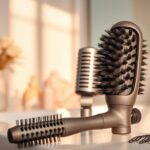
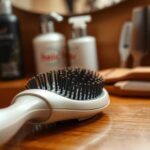
Exploring the world of Hair Smoothing Tools reveals a fascinating blend of technology and artistry designed to transform your hair. These tools promise not just a sleek appearance but also touch upon the intricate science that governs our hair’s structure and behavior. As we dive deeper, we’ll uncover secrets behind their effectiveness and how they cater to different hair types.
From flat irons to smoothing brushes, understanding these tools can enhance your hair care routine and boost your styling confidence. Choosing the right tool involves more than just aesthetics; it requires insight into how they work, their impact on hair health, and essential features that ensure both safety and efficacy.
The Science Behind Hair Smoothing Tools
Hair smoothing tools have become a staple in the world of beauty, transforming frizzy and unruly locks into sleek and manageable strands. At the heart of these tools lies advanced technology and a deep understanding of hair structure and chemistry. These devices employ a combination of heat and specialized materials to alter the hair’s texture temporarily or semi-permanently, promoting a polished look that many desire.
The technology behind hair smoothing tools is primarily based on thermal conduction and the materials used in the plates of these devices. Most commonly, these tools feature plates made from ceramic, tourmaline, or titanium. Ceramic plates distribute heat evenly, minimizing hotspots that can damage hair. Tourmaline, a semi-precious mineral, emits negative ions when heated, which helps to reduce static and frizz, resulting in a shinier finish. Titanium plates are known for their durability and heat retention, allowing for faster styling and effective smoothing, particularly on thicker hair types.
At a molecular level, hair is primarily composed of a protein called keratin, which forms the structure of the hair shaft. When heat is applied through smoothing tools, it causes the hydrogen bonds in the keratin to break temporarily. This breaking of bonds allows the hair to be reshaped, leading to a straighter, smoother texture. As the hair cools, the bonds reform, locking the new shape in place until the next wash. However, frequent use of high heat can lead to long-term damage, as excessive thermal exposure can degrade the protein structure of the hair, leading to dryness and breakage.
Thermal Properties and Hair Health
Understanding the thermal properties involved in hair smoothing is essential for maintaining hair health. Optimal temperatures for styling are generally between 300°F to 400°F (150°C to 200°C), depending on hair type. For finer hair, lower temperatures are advisable to prevent damage, while coarser hair might require higher settings for effective smoothing.
Using a thermal protection spray prior to styling can create a barrier that helps shield hair from the damaging effects of heat. This spray often contains silicones and other polymers that coat the hair, reflecting some of the heat away while also providing moisture to the hair strands.
In summary, the use of hair smoothing tools is a delicate balance of utilizing heat to reshape hair while implementing protective measures to maintain its health. The right combination of technology and care can lead to beautiful, smooth hair without compromising its integrity. Regular maintenance with hydrating treatments and minimizing the frequency of heat styling can further enhance hair health, allowing individuals to enjoy the benefits of smoothing tools without adverse effects on their hair.
Different Types of Hair Smoothing Tools Available
When it comes to achieving sleek and smooth hair, various hair smoothing tools cater to different needs and preferences. Understanding the types of tools available can help you make an informed choice that suits your hair type and styling routine. From flat irons to blow dryers and smoothing brushes, each tool has its unique features and effectiveness in delivering that desired smooth look.
The effectiveness of hair smoothing tools varies significantly based on design, technology, and how they interact with different hair textures. Below is a closer look at the different types of hair smoothing tools available, their unique benefits, and the hair types they best serve.
Flat Irons
Flat irons are one of the most popular tools for straightening and smoothing hair. They work by applying heat to the hair strands between two flat plates, effectively altering the hair’s natural structure.
- Effectiveness: Flat irons provide long-lasting results and can achieve a sleek look quickly, making them ideal for styling hair for special occasions.
- Target Hair Types: They are suitable for all hair types, especially thick and frizzy hair, as the high heat can penetrate and smooth out curls effectively.
- Unique Features: Many modern flat irons come with adjustable temperature settings and ceramic or tourmaline plates that distribute heat evenly, reducing damage.
Blow Dryers
Blow dryers are versatile tools that can smooth hair while drying it. The combination of heat and airflow helps to eliminate frizz and create a polished look.
- Effectiveness: While not as sleek as flat irons, blow dryers can create smooth and volumized styles when used with a round brush.
- Target Hair Types: They work well on all hair types but are particularly effective for wavy and curly hair, helping to enhance natural texture while reducing frizz.
- Unique Features: Some blow dryers come with ionic technology, which helps to lock in moisture and reduce drying time, minimizing heat damage.
Smoothing Brushes
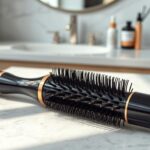
Smoothing brushes combine the functions of a brush and a flat iron. They heat up and simultaneously glide through the hair to straighten and smooth it.
- Effectiveness: Smoothing brushes can be less effective than flat irons for very curly or coarse hair but excel in creating a natural, straight look that retains body and movement.
- Target Hair Types: They are best suited for fine to medium hair types that require gentle smoothing without high heat exposure.
- Unique Features: Many smoothing brushes feature heat settings and bristles designed to detangle while styling, allowing for a more effortless experience.
Choosing the right hair smoothing tool not only depends on your hair type but also on the desired style and finish you want to achieve.
Essential Features to Consider When Choosing a Hair Smoothing Tool
Choosing the right hair smoothing tool can significantly impact your hair’s health and styling results. With a myriad of options available in the market, understanding the essential features can lead you to make an informed decision. A good hair smoothing tool not only enhances your look but also protects your hair from heat damage and promotes long-lasting smoothness.
One of the primary features to consider is the plate material of the smoothing tool. Different materials offer various benefits and drawbacks:
- Ceramic Plates: Known for even heat distribution, ceramic plates are gentle on the hair and minimize damage. They are a great option for everyday use.
- Titanium Plates: Titanium heats up quickly and retains high temperatures, making it suitable for thick or coarse hair. However, it can potentially cause more damage if not used carefully.
- Tourmaline Plates: These plates emit negative ions that help to reduce frizz and static, making them ideal for those with frizzy hair. They also provide a smooth glide during styling.
Another crucial feature is the heat settings. Adjustable temperature control allows users to customize the heat level according to their hair type, which is essential for minimizing damage. Generally, fine or damaged hair should be styled at lower temperatures (around 300°F), while thicker hair may require higher settings (up to 450°F). Ensuring that your tool has a range of heat settings can help cater to different hair types effectively without compromising hair health.
The size of the smoothing tool matters too. Larger plates cover more hair in less time, making them efficient for long, thick hair. Conversely, narrower plates are beneficial for shorter styles or for reaching roots and fringes. When considering size, think about your hair length and styling needs to choose a tool that offers the right balance of efficiency and versatility.
Safety features also play a vital role when selecting a hair smoothing tool. Automatic shut-off is an important feature that turns the tool off after a set period of inactivity, reducing the risk of accidents and fires. Temperature locks prevent accidental changes in the heat setting during styling, ensuring you maintain the desired temperature throughout the process.
The longevity of the tool and the health of your hair are closely linked to the features you choose. High-quality materials and advanced technology can extend the life of your hair smoothing tool. For instance, tools with tourmaline or ceramic plates tend to last longer due to their durability and resistance to scratching. Maintaining your tool with proper care, such as cleaning plate surfaces after use, can also contribute to its lifespan.
Prioritizing the features that align with your hair type and styling habits will not only enhance the effectiveness of your hair smoothing tool but will also promote healthier hair. Choosing wisely can lead to improved styling experiences and long-lasting results, keeping your hair looking its best.
The Impact of Hair Smoothing Tools on Hair Health
The use of hair smoothing tools, such as flat irons and smoothing brushes, has become increasingly popular for achieving sleek, polished hairstyles. While these tools can offer immediate aesthetic benefits, their impact on hair health is a complex subject that merits thorough examination. Understanding both the potential benefits and drawbacks is essential for making informed choices about hair care.
Hair smoothing tools provide several benefits, including enhanced manageability and style versatility. They allow for easy styling, making it simple to create a variety of looks, from straight and sleek to soft waves. Additionally, many modern smoothing tools come equipped with advanced technology, such as ceramic or tourmaline plates, which can help minimize damage by distributing heat evenly and reducing frizz. However, frequent use of these tools can lead to drawbacks, particularly in terms of heat exposure. Excessive heat can strip the hair of moisture, leading to brittleness, split ends, and breakage over time.
Effects on Specific Hair Conditions
Certain hair conditions can significantly influence how hair reacts to smoothing tools. For example, individuals with naturally curly or textured hair may experience different outcomes than those with straight hair. Curly hair often requires more heat to achieve smoothness, which can exacerbate issues like dryness and frizz. On the other hand, fine or thin hair is more susceptible to heat damage, resulting in rapid deterioration of hair quality.
It is crucial to consider the following hair conditions when using smoothing tools:
- Color-Treated Hair: The chemicals in hair dyes can weaken the hair structure. Using heat styling tools on color-treated hair can lead to fading and increased porosity, making it more prone to damage.
- Frizzy Hair: While smoothing tools can help tame frizz, overuse can lead to a cycle of damage, requiring more frequent styling to manage unruly strands.
- Damaged or Brittle Hair: For hair already compromised by heat or chemical treatments, additional heat exposure can exacerbate existing issues, leading to more serious damage.
To minimize heat damage while achieving desired smoothness, consider these tips:
1. Use a heat protectant before styling. Products containing silicones can create a protective barrier against heat while adding shine.
2. Adjust temperature settings based on hair type; fine hair generally requires lower temperatures, while coarser textures may need higher heat.
3. Limit frequency of use by exploring alternative styling methods, such as air drying or braiding, to reduce reliance on heat.
4. Incorporate deep conditioning treatments into your routine to maintain moisture levels in your hair and counteract damage.
“Taking proactive steps to protect your hair can significantly reduce the long-term damage associated with heat styling.”
By being mindful of these factors and implementing protective measures, you can enjoy the benefits of hair smoothing tools while maintaining the overall health and integrity of your hair.
Step-by-Step Guide to Using Hair Smoothing Tools Effectively
Using hair smoothing tools can transform your hair from frizzy and unruly to sleek and polished. To achieve the best results, it’s essential to follow a structured approach that includes preparation, application, and post-use care. This guide will walk you through each step to maximize the effectiveness of your hair smoothing tools.
Preparation for Hair Smoothing
Before diving into the smoothing process, proper preparation is crucial for achieving desired results. Start by selecting the right tools based on your hair type. This may include flat irons, smoothing brushes, or hair dryers with smoothing attachments. Here’s how to prepare:
1. Cleanse and Condition: Begin with a gentle shampoo followed by a hydrating conditioner to remove any product buildup. Focus on using products that are sulfate-free to avoid stripping natural oils from your hair.
2. Towel Dry Gently: After washing, gently towel dry your hair. Avoid vigorous rubbing that can lead to frizz.
3. Apply Heat Protectant: Before applying any heat, always use a heat protectant spray or serum to safeguard your hair from damage. Apply it evenly, focusing on the ends where hair is most vulnerable.
Application of Hair Smoothing Tools
Once your hair is well-prepared, it’s time to apply the smoothing tool of your choice. Follow these steps for effective application:
– Sectioning Hair: Divide your hair into sections using hair clips. This ensures that you can focus on one segment at a time, leading to a more thorough smoothing process.
– Adjust Temperature: For flat irons, set the temperature according to your hair type. Generally, 300°F is suitable for fine hair, while 400°F is better for coarse hair.
– Smoothing Technique: Glide the tool slowly from the roots to the tips. For flat irons, aim for a smooth, steady motion. With a smoothing brush, ensure you’re applying gentle pressure while moving through the section.
Post-Use Care
After using hair smoothing tools, appropriate care is essential to maintain the results and keep your hair healthy. Consider the following steps:
– Let Hair Cool: Allow your hair to cool down completely before styling further or tying it up. This helps to set the style and prevents frizz.
– Avoid Washing Immediately: Try not to wash your hair for at least 24 hours post-smoothing. This helps the smoothing treatment to set better.
– Use Light Styling Products: If necessary, apply a small amount of serum or light oil to enhance shine and reduce any residual frizz.
Common Mistakes to Avoid
Even with the best intentions, certain mistakes can undermine your smoothing efforts. Here are common pitfalls to avoid:
– Using Too Much Product: Overloading your hair with product can lead to heaviness and greasiness, counteracting the sleek look you desire.
– Ignoring Temperature Settings: Using a temperature that is too high for your hair type can cause irreversible damage. Always match the heat setting to the condition of your hair.
– Rushing the Process: Taking your time is vital; hasty applications often lead to missed spots and uneven results.
Remember, patience and proper technique are key to achieving beautifully smooth hair!
Maintenance Tips for Hair Smoothing Tools
Proper maintenance of hair smoothing tools is essential for ensuring their longevity and optimal performance. With the right care, these tools can serve you well for years, delivering smooth and sleek results every time. Adhering to maintenance practices not only preserves the tool’s functionality but also helps in safeguarding your hair from potential damage caused by worn-out equipment.
Cleaning and maintaining your hair smoothing tools is crucial to keep them in prime condition. Regular cleaning prevents product buildup, which can affect the tool’s efficiency and hair health. After each use, ensure that your tools are cooled down before wiping them down with a microfiber cloth. Avoid using harsh chemicals; instead, opt for gentle cleaners that are specially formulated for electronic devices. A little mixture of mild soap and warm water can work wonders for removing buildup. Make sure to follow up with a dry cloth to ensure no moisture remains, as this can cause rust or damage over time.
Storage and Care Routines
Proper storage plays an equally important role in the longevity of your hair smoothing tools. When not in use, store them in a dry, cool place away from direct sunlight. Cords should be carefully coiled to avoid kinking, and if possible, keep them in a protective pouch or drawer to avoid dust accumulation or accidental damage. For tools with ceramic or tourmaline plates, consider a heat-resistant mat to protect surfaces and maintain the integrity of the tool.
In addition to these practices, several products can aid in maintaining your tools without compromising either their quality or your hair’s health. Using a heat protectant spray before styling can help prevent product buildup on your tools while also protecting your hair. Brands like Chi and Tresemmé offer effective heat protectants. It’s also beneficial to invest in a cleaning spray designed for styling tools, which can aid in daily maintenance without risk of damage. These products are typically formulated to cut through grime while preserving the integrity of the tool’s surface.
Lastly, keeping an eye on the condition of your tools is vital. If you notice any unusual sounds, performance issues, or signs of wear and tear, consider scheduling a professional inspection or replacing the tool if necessary. This proactive approach will ensure you consistently achieve the desired results without damaging your hair.
User Experiences and Testimonials on Various Hair Smoothing Tools
In the quest for sleek, frizz-free hair, users have turned to various hair smoothing tools, each with its unique technology and approach. Personal experiences and testimonials provide valuable insights into how these tools perform across different hair types and styling goals. Below, we explore a collection of user experiences that highlight the effectiveness and satisfaction levels associated with various hair smoothing tools.
User feedback reveals a rich tapestry of experiences based on individual hair types, textures, and specific styling ambitions. From professional stylists to everyday users, the testimonials reflect a wide range of preferences, showcasing how certain brands and models resonate more with particular demographics.
Experiences with Different Hair Types and Styling Goals
Understanding the diverse experiences of users sheds light on the performance of hair smoothing tools. The effectiveness often varies significantly depending on hair type, such as straight, wavy, curly, or coily textures. The following points summarize key user experiences that exemplify this diversity:
-
“I have thick, curly hair, and the XYZ smoothing tool has been a game changer for me. It reduces frizz and keeps my curls defined without sacrificing volume!”
– A satisfied user with thick curls.
-
“As someone with fine, straight hair, I was worried that the smoothing tool might weigh my hair down. But the ABC model made my hair look sleek and shiny without any heaviness!”
– A fine-haired user sharing her positive experience.
-
“My hair is very coarse and prone to breakage. The DEF hair smoothing tool has made a noticeable difference, leaving my hair feeling softer and more manageable after just one use!”
– A user with coarse hair.
-
“I love how the GHI tool delivers smoothness that lasts. My wavy hair stays straight for days, even in humid weather!”
– A user praising the longevity of results.
-
“I have color-treated hair, and I was worried about heat damage. The JKL smoothing tool has adjustable settings that protect my hair while still providing excellent results!”
– A color-treated hair user expressing satisfaction with heat protection features.
The trends in user preference also indicate a clear demand for tools that combine efficiency with hair health. Many users expressed a preference for smoothing tools that feature adjustable heat settings, as they allow customization based on individual hair needs. Moreover, advanced technologies like ionic and steam smoothing have gained popularity for their ability to enhance shine and minimize damage.
Additional perspectives also reveal a growing interest in eco-friendly and sustainable tools, with users appreciating brands that prioritize environmental responsibility. This shift in focus not only reflects changing consumer values but also influences brand loyalty, as users increasingly support companies that align with their beliefs.
In conclusion, the user experiences shared highlight the importance of selecting hair smoothing tools based on individual hair types and desired outcomes. The diverse testimonials showcase not only the effectiveness of various models but also the personal stories that shape user satisfaction and preferences in the ever-evolving world of hair care.
Incorporating Hair Smoothing Tools into Your Hair Care Routine
Integrating hair smoothing tools into your hair care regimen can dramatically enhance the health and appearance of your hair. With the right approach, these tools can become an essential part of your weekly routine, providing long-lasting results while keeping your locks looking sleek and manageable. This guide will help you seamlessly incorporate hair smoothing tools into your hair care practices, ensuring you achieve the best results.
To start, it’s essential to establish a structured weekly hair care routine that prioritizes the use of hair smoothing tools. Consider incorporating these tools on a regular basis as part of your wash day or styling days.
Choosing the Right Frequency Based on Hair Type
The frequency of using hair smoothing tools should be tailored to your specific hair type and condition. Here’s a breakdown of recommended usage:
- Fine Hair: Use smoothing tools once a week. Fine hair is more susceptible to heat damage, so moderation is key.
- Medium Hair: Smoothing tools can be used twice a week. This allows for achieving smoothness without compromising the integrity of the hair.
- Thick or Curly Hair: Smoothing tools can be used up to three times a week, especially if your hair is prone to frizz and needs more frequent management.
In addition to the frequency, it’s beneficial to use complementary products that enhance the effectiveness of your hair smoothing tools. These products help protect hair from heat and add extra smoothness. Consider the following categories of products:
Complementary Products for Enhanced Effectiveness
Utilizing the right complementary products can significantly elevate the results of your hair smoothing routine. Here are some examples:
- Smoothing Serums: These can be applied before using a smoothing tool to create a barrier against heat, helping to seal in moisture and shine.
- Heat Protectant Sprays: Essential for preventing heat damage, these sprays should be applied liberally to damp hair before any heat styling.
- Conditioning Masks: Incorporate a deep conditioning treatment once a week to nourish and repair your hair, providing a healthy base for smoothing.
It’s crucial to remember that while smoothing tools can be effective, they should always be used in conjunction with a solid hair care routine. Regular trims, hydrating products, and proper care minimize damage and maintain the integrity of your hair over time. By thoughtfully integrating hair smoothing tools and complementary products into your regimen, you can achieve beautifully smooth hair that looks and feels fantastic.
Summary
In conclusion, the journey through the realm of Hair Smoothing Tools highlights their critical role in achieving silky, smooth hair while considering the health of your locks. By understanding the different types and learning how to use and maintain them correctly, you can enjoy beautiful results without compromising your hair’s integrity. Embrace these tools as allies in your hair care routine, and unlock the full potential of your hair.
Question Bank
What types of hair can benefit from smoothing tools?
Hair smoothing tools are effective for various hair types, particularly frizzy, wavy, or curly hair, as they help to create a sleek, polished look.
How often should I use hair smoothing tools?
Frequency varies by hair type and condition; generally, 1-2 times a week is recommended to prevent heat damage.
Are hair smoothing tools safe for color-treated hair?
Yes, but it’s essential to use heat protectant products and adjust the heat settings to avoid further damage to the hair.
Do I need to use products before using a smoothing tool?
Yes, applying a heat protectant or smoothing serum before using the tool helps shield hair from heat damage.
Can I use hair smoothing tools on wet hair?
Some tools are specifically designed for wet-to-dry styling, but using traditional smoothing tools on wet hair can lead to damage.
How can I maintain my hair smoothing tool?
Cleansing the tool after each use and storing it properly can prolong its life; refer to the manufacturer’s instructions for specific care tips.