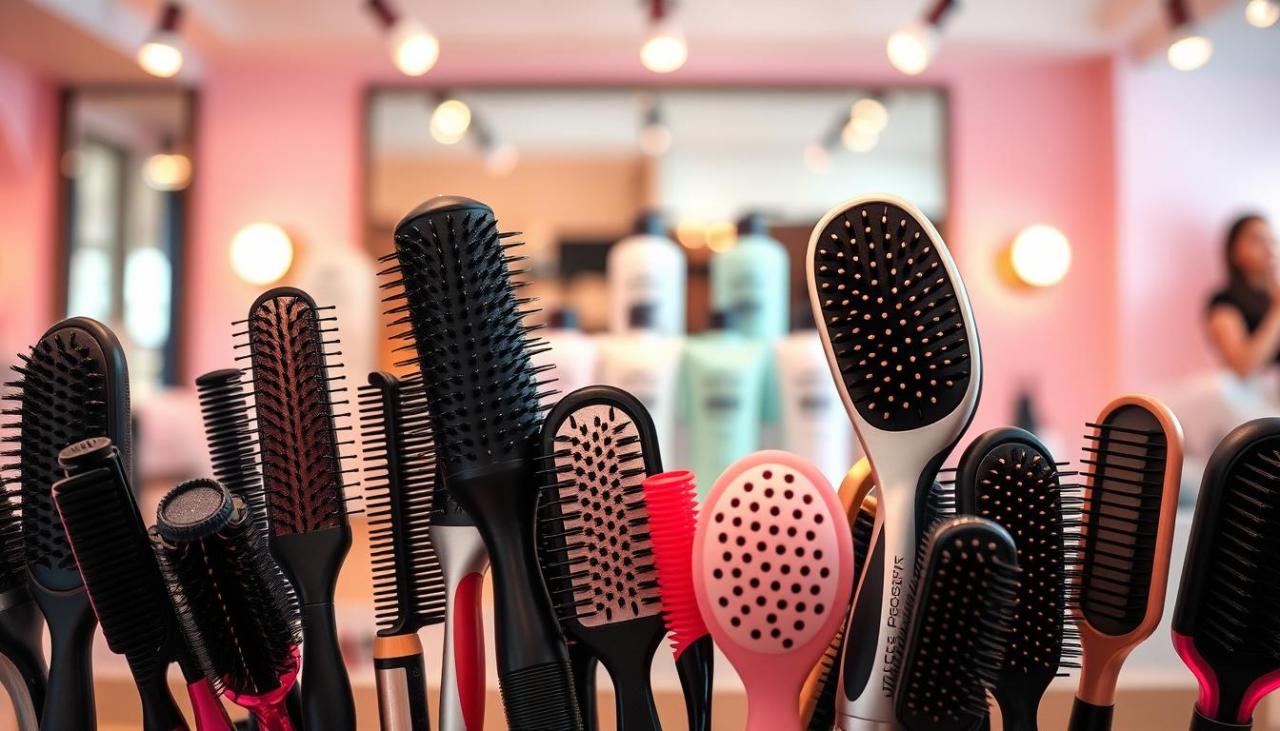
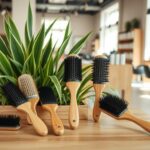
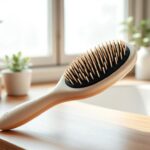
Hair Brush for Fine Hair opens the door to understanding the delicate nature of fine hair and the importance of selecting the right tools for its care. With its unique characteristics, fine hair requires specialized brushes that can enhance its natural beauty without causing damage.
In this guide, we will explore the significance of choosing the right hair brush, the various types of brushes suited for fine hair, effective brushing techniques, styling tips, and maintenance practices that can help maximize the health and appearance of your fine locks.
The Importance of Choosing the Right Hair Brush for Fine Hair
Selecting the appropriate hair brush for fine hair is pivotal in maintaining its health and enhancing its natural beauty. Fine hair, characterized by its delicate strands and reduced volume, requires specific care to avoid damage and promote a glossy, vibrant look. Using the right tools tailored for fine hair can make a significant difference in achieving the desired style while preventing unnecessary breakage and stress on the hair.
Fine hair possesses unique characteristics that greatly influence the type of brushing tools one should choose. Typically, fine hair is thinner and more fragile than other hair types, making it prone to damage from harsh brushing. Using a brush that is too stiff or has rough bristles can lead to breakage and split ends. Consequently, it’s essential to opt for a brush that is gentle yet effective. A specialized hair brush designed for fine hair often has softer bristles and a flexible design to minimize tension on the strands, allowing for smooth and stress-free styling.
Characteristics of Fine Hair
The characteristics of fine hair necessitate special consideration when selecting a brush. Unlike thicker hair types, fine hair tends to be more susceptible to various challenges. Here are key characteristics that influence brush selection:
- Thin Structure: Fine hair strands are thinner, which means they can easily break if subjected to excessive force during brushing.
- Reduced Volume: Fine hair often appears flat, making it crucial to choose a brush that can help create volume without damaging the hair.
- Increased Oiliness: Because fine hair can get oily quickly, using a brush that distributes oils effectively can be beneficial.
Benefits of Using a Specialized Hair Brush
Utilizing a brush specifically designed for fine hair yields numerous advantages that contribute positively to hair health and styling. These brushes often incorporate features that align with the needs of fine hair:
- Gentle Bristles: Brushes designed for fine hair typically feature soft, flexible bristles that glide through the hair smoothly, reducing the risk of breakage.
- Volume Creation: Many specialized brushes are designed to add lift and body, enhancing the appearance of fine hair.
- Static Reduction: Many brushes for fine hair have materials that help minimize static, allowing for smoother styling.
Consequences of Using Inappropriate Brushes
Using the wrong type of brush can have detrimental effects on fine hair, leading to a variety of issues that can compromise hair health:
- Breakage and Damage: Harsh bristles or inappropriate brush types can easily cause strands to snap, resulting in a frayed and unhealthy appearance.
- Split Ends: The wrong brush can exacerbate split ends, making it essential to choose a brush that is kind to the delicate nature of fine hair.
- Increased Oiliness: Certain brushes may not effectively distribute the natural oils, leading to a greasy appearance.
Choosing the right hair brush for fine hair is not just about style; it’s essential for maintaining the health and integrity of your hair.
Types of Hair Brushes Suitable for Fine Hair
When it comes to styling fine hair, using the appropriate brush is essential for achieving the desired look while maintaining hair health. Fine hair can be delicate and prone to breakage, so selecting the right type of brush can make a significant difference in both styling ease and overall hair condition. Below, we’ll explore various types of brushes that are particularly effective for fine hair, along with insights into their materials and features.
Different Types of Brushes for Fine Hair
Understanding the specific brush types suited for fine hair can help you choose the one that best fits your styling needs. Each brush type offers unique benefits that cater to the fragility and needs of fine hair.
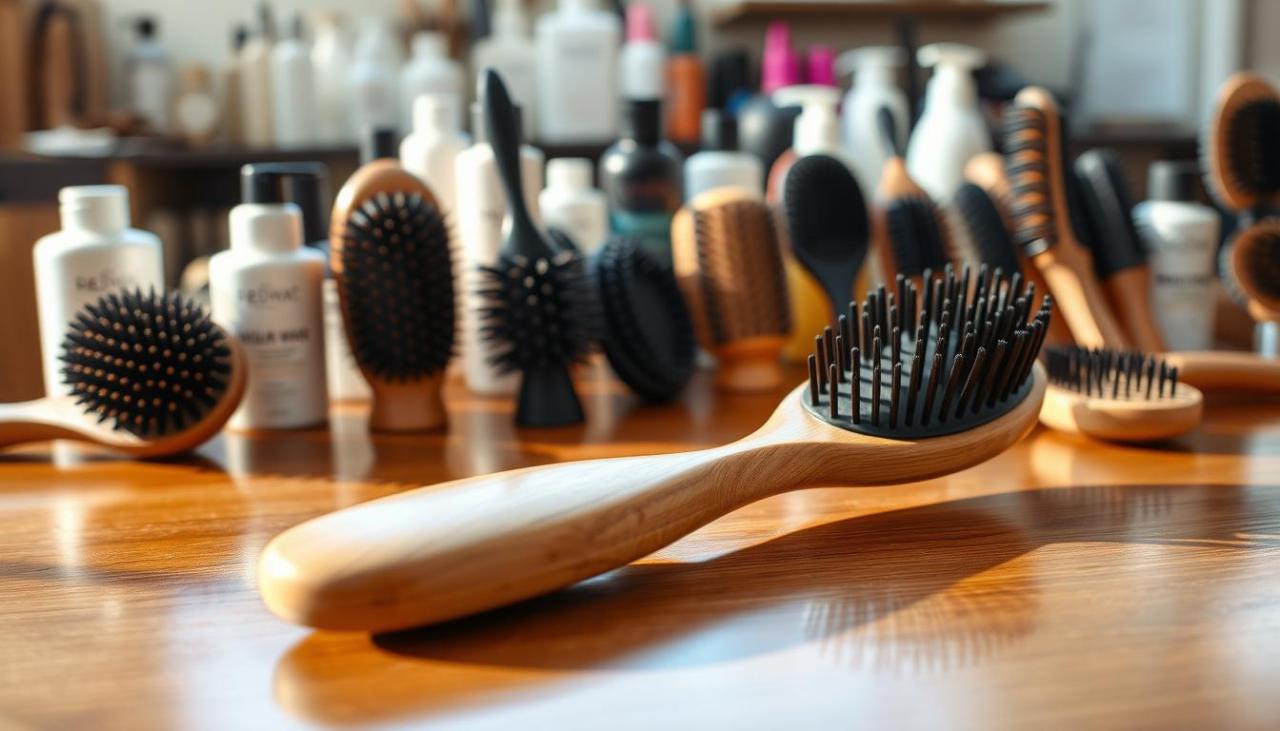
- Boar Bristle Brushes: These brushes are excellent for fine hair as they distribute natural oils from the scalp along the hair shaft, adding shine and reducing frizz. The soft bristles prevent excessive pulling and breakage.
- Wide-tooth Combs: Ideal for detangling, wide-tooth combs minimize tension on fine strands when used on wet hair, preventing unnecessary breakage.
- Vent Brushes: With their spaced bristles, vent brushes allow airflow during blow-drying, providing volume without weighing down fine hair.
- Round Brushes: Perfect for curling and adding volume, round brushes come in various sizes; smaller ones create tighter curls while larger ones give soft waves.
- Paddle Brushes: Best for smoothing and straightening, paddle brushes are effective on fine hair when used gently to avoid pulling.
Materials Impacting Fine Hair
The materials used in hair brushes can significantly affect the health of fine hair. Different materials offer varying levels of gentleness and effectiveness in styling.
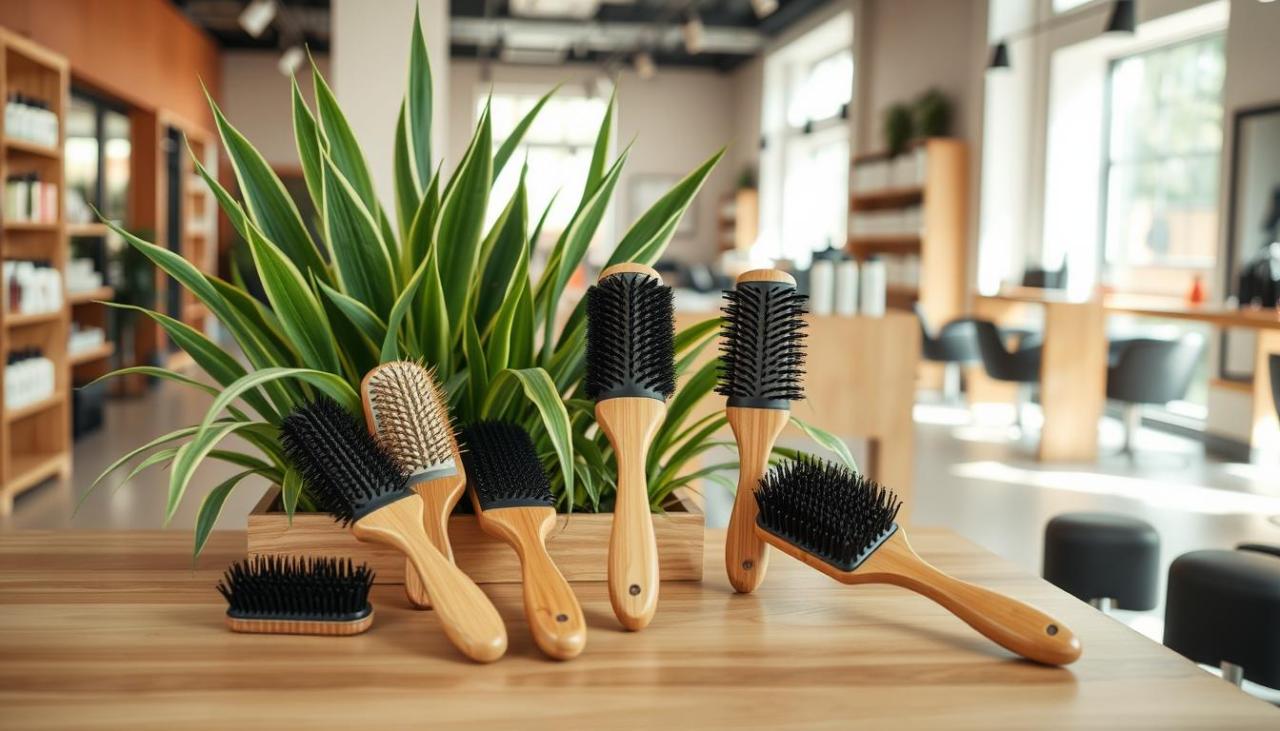
- Natural Bristles: Often made from boar or horse hair, these bristles are soft and flexible, making them perfect for fine hair, as they reduce friction and static.
- Synthetic Bristles: Typically made from nylon or polyester, these bristles can be harsher on fine hair. However, some high-quality synthetic brushes are designed with rounded tips that minimize pulling.
- Plastic Brushes: While lightweight and affordable, plastic brushes can create static, which is counterproductive for fine hair. Opt for those with rounded edges to minimize damage.
Features Ideal for Fine Hair Brushes
Selecting brushes with specific features is crucial when caring for fine hair. The right characteristics can enhance your styling experience while protecting your hair from damage.
- Bristle Type: Brushes with soft, flexible bristles are better suited for fine hair, as they glide through without snagging or pulling.
- Brush Shape: Round and vented shapes are ideal for adding volume and reducing drying time, while paddle brushes are great for sleek styles.
- Size: Smaller brushes are suited for detail work, while larger brushes can cover more surface area quickly. Choose based on your styling goals.
- Weight: Lightweight brushes are easier to handle and cause less fatigue, especially during prolonged styling sessions.
Techniques for Effectively Brushing Fine Hair
Fine hair requires special care and attention when it comes to brushing. Using the right techniques can significantly reduce damage and improve the overall health and appearance of your hair. Understanding how to brush fine hair correctly not only helps in maintaining its integrity but also enhances its natural shine and volume.
Brushing fine hair the right way can minimize breakage and frizz. This involves using a gentle touch, the right tools, and a strategic approach. Here are some effective techniques to consider:
Effective Brushing Techniques
To ensure you’re brushing fine hair effectively, it’s crucial to understand the methods that can help avoid damage. Here are some key techniques to follow:
1. Use a Wide-Tooth Comb or Boar Bristle Brush:
A wide-tooth comb is perfect for detangling wet hair, reducing breakage. A boar bristle brush can help distribute natural oils from the scalp, which is particularly beneficial for fine hair.
2. Start from the Ends:
Always begin brushing from the ends of your hair and work your way up to the roots. This technique helps to gently remove tangles without pulling too hard on the hair.
3. Be Gentle and Patient:
Avoid aggressive brushing. Instead, use short, gentle strokes and take your time. If you encounter a knot, ease it out slowly rather than yanking at it.
4. Brush When Hair is Dry:
Fine hair is more susceptible to breakage when wet. If you need to detangle wet hair, use a wide-tooth comb and avoid brushing until it is dry.
Step-by-Step Technique for Beginners
If you’re new to caring for fine hair, following a simple step-by-step process can help you brush effectively:
– Step 1: Ensure your hair is dry and free of excessive product buildup. If needed, lightly spritz with a leave-in conditioner for added slip.
– Step 2: Section your hair into manageable parts. This makes it easier to ensure every strand is brushed properly.
– Step 3: Start with the lower sections of your hair. Clip the upper parts away to focus on the lower layers first.
– Step 4: Using your chosen brush or comb, gently detangle the ends of your hair, gradually working your way up.
– Step 5: Repeat the process for each section, ensuring to be gentle at all times.
Importance of Sectioning Hair While Brushing
Sectioning your hair before brushing is a crucial method that enhances the effectiveness of your brushing routine. By dividing your hair into smaller sections, you can ensure a thorough and gentle detangling process.
To section your hair effectively:
1. Divide into Quadrants: Part your hair down the middle and then across from ear to ear. This will create four sections.
2. Secure Each Section: Use hair clips or ties to keep sections out of the way while you work on one at a time.
3. Focus on One Section at a Time: This allows you to concentrate fully on detangling each individual part, minimizing the risk of creating more knots.
4. Release Sections Gradually: Once you’ve brushed through one section, unclamp the next and repeat the process.
“Brushing fine hair with care can significantly improve its health and appearance.”
By implementing these techniques and understanding the importance of sectioning, you can maintain the beauty of your fine hair while minimizing damage. With practice, you’ll find a routine that works perfectly for you, ensuring that your hair remains vibrant and healthy.
The Role of Hair Brushes in Styling Fine Hair
Selecting the right hair brush is essential for styling fine hair, as it can significantly influence the overall look and manageability. Different brushes serve unique purposes, allowing for a variety of hairstyles ranging from sleek and polished to voluminous and bouncy. Understanding the specific roles of various brushes can empower individuals with fine hair to achieve their desired style effortlessly.
Choosing the appropriate brush can enhance the texture and appearance of fine hair. For instance, round brushes can create volume during blow-drying, while paddle brushes are perfect for smoothing and detangling. Each brush type has unique features that cater to different styling needs, making it important to select wisely based on the desired outcome.
Styling Tips Using Specific Brushes for Fine Hair
Utilizing the right brushes in specific ways can transform fine hair into beautiful styles. Here are some tips to effectively use different brushes for optimal styling results:
- Round Brushes: Great for adding volume and curl. Use a medium-sized round brush while blow-drying to lift the roots, creating a fuller look.
- Paddle Brushes: Ideal for straightening and smoothing. These brushes work best on wet hair to detangle and create a sleek finish.
- Vent Brushes: Designed for quick drying. Use this type when you want to speed up the drying process without adding too much tension.
- Teasing Brushes: Perfect for creating volume at the roots. Gently tease the hair at the crown for added height, especially useful for updos.
- Boar Bristle Brushes: Excellent for distributing natural oils along the hair shaft. This helps in maintaining shine and reducing frizz.
Understanding the influence of each brush type can help you select the ideal tool for your specific styling needs.
Comparison of Brush Types for Styling Fine Hair
The effectiveness of different brushes can be clearly illustrated through a comparison table, detailing the outcomes for each type when used on fine hair.
| Brush Type | Use | Outcome |
|---|---|---|
| Round Brush | Adds volume and curl | Creates bouncy waves and lifts roots |
| Paddle Brush | Detangling and straightening | Produces a smooth and polished look |
| Vent Brush | Quick drying | Reduces drying time and maintains texture |
| Teasing Brush | Adds height and volume | Enhances updos and styles requiring lift |
| Boar Bristle Brush | Distributes oils | Increases shine and decreases frizz |
These insights into the role of hair brushes in styling fine hair can aid in achieving desired looks while maintaining hair health.
Maintenance and Care of Hair Brushes for Fine Hair
Proper maintenance and care of hair brushes specifically designed for fine hair is crucial for ensuring they remain effective and safe for use. Fine hair is delicate and requires special attention, making the upkeep of brushes equally important. A well-maintained brush not only enhances the hair styling experience but also contributes to the overall health of fine hair.
Cleaning hair brushes regularly is essential to remove product buildup, dust, and oils that accumulate over time. For fine hair, the cleaning process should be gentle to avoid damaging the bristles. Start by removing hair strands stuck in the brush using a comb or your fingers. Then, prepare a mixture of warm water and a few drops of mild shampoo. Soak the brush in this solution for about 10–15 minutes. After soaking, use an old toothbrush to scrub the bristles gently, ensuring that all debris is removed. Rinse the brush thoroughly under running water and allow it to air dry completely, bristle-side down, to maintain its shape and integrity.
Replacement Guidelines for Hair Brushes
Knowing when to replace hair brushes used for fine hair is vital for maintaining hair health. Hair brushes can wear out over time, losing their effectiveness and potentially causing more harm than good. Here are some key points to consider regarding replacement:
- Brushes should be replaced every 6 to 12 months, depending on usage. Frequent styling may necessitate a shorter replacement cycle.
- If the bristles are visibly frayed or bent, it’s time for a new brush. Damaged bristles can snag fine hair, leading to breakage.
- After an illness or scalp condition, replacing brushes is a good practice to prevent the spread of bacteria.
The longevity of fine hair can be significantly impacted by the maintenance of hair brushes. Regular cleaning prevents the transfer of dirt and oil to the hair, which can weigh it down and lead to a lifeless appearance. Furthermore, using a brush with compromised bristles can cause hair damage, split ends, and breakage. Thus, proper care extends not only the life of the brush but also preserves the health and beauty of fine hair.
“Maintaining your hair brushes is as essential as caring for your hair itself. A clean brush promotes healthier hair.”
Common Misconceptions About Brushing Fine Hair
Brushing fine hair often comes with a host of myths that can lead to damaging practices. Many people believe that brushing techniques and tools are one-size-fits-all, which can lead to unnecessary breakage and damage for those with fine hair. By debunking these myths, we can help individuals develop better hair care habits that promote healthier and more manageable fine hair.
One prevalent misconception is that brushing fine hair too frequently causes excessive damage. While it’s true that fine hair is more prone to breakage, the right brushing technique can actually promote scalp health and distribute natural oils, resulting in healthier hair. In contrast, neglecting to brush can lead to tangles, which can cause more breakage when eventually dealt with.
Myths Versus Truths About Brushing Fine Hair
Several myths regarding brushing fine hair exist, and it’s essential to understand the truths behind them to avoid harm. The following list Artikels common misconceptions, the associated truths, and the outcomes of following these myths versus proper techniques:
-
Myth: Brushing fine hair daily will damage it.
The truth: Gentle brushing helps remove tangles and distributes natural oils.
Proper brushing can enhance the overall health of the hair.
-
Myth: All brushes are suitable for fine hair.
The truth: Using a wide-tooth comb or a brush designed for fine hair reduces breakage.
Choosing the right tools can prevent unnecessary damage and promote healthy hair.
-
Myth: Wet hair should not be brushed.
The truth: Using a detangling brush on wet hair can minimize breakage.
Wet hair is more fragile, so using the appropriate tools is crucial for maintaining hair integrity.
-
Myth: Brushing fine hair from root to tip is necessary.
The truth: Starting from the tips and working your way up reduces tugging and breakage.
Proper technique ensures that tangles are handled gently, preserving hair health.
Understanding these myths and the realities surrounding them allows individuals with fine hair to adopt better brushing techniques. Making simple adjustments to brushing routines can significantly improve the overall condition and appearance of fine hair, leading to healthier and more vibrant locks.
Recommendations for Top Hair Brushes for Fine Hair
Finding the right hair brush for fine hair can significantly improve your styling routine and the health of your hair. With delicate strands prone to breakage, using the appropriate brush can help avoid damage while ensuring your hair looks fabulous. Here’s a curated list of some of the best-reviewed hair brushes specifically designed for fine hair.
When purchasing a hair brush for fine hair, consider several critical features. Look for brushes that are lightweight and have soft bristles to minimize tugging and pulling. Brushes with wide-set bristles can help reduce static and frizz. Additionally, checking for ergonomic handles will enhance comfort during use, especially for daily styling.
Best-Reviewed Hair Brushes for Fine Hair
Here’s a selection of top-rated hair brushes ideal for fine hair, along with their standout features:
- Tangle Teezer Original: This brush features flexible teeth that glide through hair without tugging or pulling, making it perfect for detangling fine hair. Its compact design allows for easy portability.
- Wet Brush Pro: Known for its IntelliFlex bristles, this brush effectively detangles wet or dry hair while reducing breakage. It’s lightweight and features a comfortable grip, ideal for everyday use.
- Harry Josh Pro Tools Ceramic Round Brush: This round brush is excellent for styling fine hair, as it heats evenly to create volume and shine. Its ceramic-coated barrel helps reduce frizz and adds a polished finish.
- Spornette Deville Boar Bristle Brush: This brush combines boar bristles with nylon for optimal smoothing and styling. The boar bristles distribute natural oils, which can help keep fine hair healthy and shiny.
- Braun Satin Hair 7 Brush: Featuring intelligent heat control, this brush helps protect fine hair from heat damage while delivering effective styling. Its ion technology reduces static and enhances shine.
User testimonials and expert opinions highly praise these brushes for their ability to handle fine hair delicately while providing excellent styling results. Many users specifically mention how the Tangle Teezer transforms their detangling routine, making it less painful. Experts in hair care recommend the Wet Brush Pro for its flexibility and ease of use, particularly for those with sensitive scalps. Furthermore, the Harry Josh Pro Tools brush is often highlighted for its performance in creating volume without damaging fine strands.
Overall, these brushes are not only well-reviewed but also backed by positive user experiences, ensuring that they meet the needs of those with fine hair effectively.
How to Integrate Hair Brushes into a Fine Hair Care Routine
Brushing is an essential part of maintaining healthy fine hair, but it needs to be integrated thoughtfully into your overall hair care routine. By ensuring the timing and technique of brushing aligns with your washing, drying, and styling habits, you can enhance the health and appearance of your fine hair.
Brushing should be approached as an opportunity to distribute natural oils, detangle hair, and stimulate the scalp, rather than just a styling tool. The right frequency and method can help prevent breakage and enhance shine, making it vital to customize your brushing routine based on the specific needs of your fine hair.
Timing of Brushing in Relation to Washing, Drying, and Styling
Understanding when to brush your hair is crucial in a fine hair care routine. Effective timing allows for optimal detangling and minimizes damage. Here’s how to appropriately time your brushing:
1. Before Washing: Brushing your hair before a wash can help remove tangles and loose strands, making the washing process easier. Use a wide-tooth comb or a brush designed for fine hair.
2. Post-Wash: After washing, while your hair is damp, gently detangle with a wide-tooth comb starting from the ends and working your way up. This method reduces strain on the hair shaft.
3. During Drying: While hair is drying, avoid excessive brushing. Instead, use a brush designed for fine hair to smooth any knots, focusing on the ends. If air-drying, you can use your fingers to separate strands instead of a brush.
4. Before Styling: Prior to styling, ensure your hair is fully dry. Brush through your hair to smooth it out and ensure even distribution of styling products.
Brushing at the right moments can significantly enhance the manageability of fine hair and maintain its health.
Adjusting Brushing Frequency Based on Hair Needs
The frequency of brushing fine hair depends on various factors including hair texture, styling habits, and overall health. To effectively adjust your brushing regimen, consider the following:
– Daily Needs: For those with fine hair that becomes easily tangled, brushing once or twice daily may be necessary to maintain smoothness.
– Environmental Factors: If you’ve been exposed to humidity or wind, increased brushing might be needed to combat tangles that arise from these conditions.
– Product Use: Heavy use of styling products can lead to buildup, making it essential to brush more frequently to remove any knots or clumps.
– Scalp Health: Regular brushing stimulates the scalp, which can promote healthier hair growth; however, over-brushing can lead to breakage. Aim for a balance based on your hair’s specific condition.
By tailoring your brushing frequency to your hair’s unique needs, you can foster healthier strands and a more vibrant appearance.
“Integrating proper brushing techniques into your routine can mean the difference between healthy, vibrant fine hair and strands that are prone to damage.”
Final Conclusion
In summary, choosing the right hair brush for fine hair is essential for maintaining its health and achieving beautiful styles. By understanding the specific needs of fine hair and implementing the right techniques and tools, you can elevate your hair care routine and enjoy vibrant, healthy hair every day.
Clarifying Questions
What features should I look for in a hair brush for fine hair?
Look for brushes with soft bristles, a lightweight design, and a shape that fits your styling needs to minimize damage to fine hair.
How often should I brush fine hair?
Brush fine hair gently once or twice a day, depending on its condition and styling needs, to prevent breakage and tangling.
Can I use a regular brush on fine hair?
Using a regular brush may cause damage or breakage; it’s recommended to use a brush specifically designed for fine hair.
How can I reduce static in fine hair while brushing?
To reduce static, use a brush with natural bristles and consider applying a leave-in conditioner or anti-static spray before brushing.
Is it necessary to clean my hair brush regularly?
Yes, cleaning your hair brush regularly helps maintain its effectiveness and prevents the buildup of oils and product residue, which can affect your hair health.