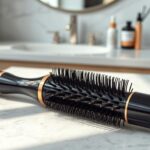
When it comes to managing thick hair, the straightening brush emerges as a game-changer, offering a blend of efficiency and ease that traditional tools struggle to match. This innovative styling tool not only smooths out unruly locks but also saves precious time in your daily routine, making it an essential addition to any hair care arsenal.
With various features tailored specifically for thick hair, such as adjustable temperature settings and specialized bristle materials, straightening brushes provide a customized experience that caters to different hair types. Whether you’re looking to tame coarse curls or sleek out waves, this tool is designed to make your styling sessions quicker and more effective.
Understanding the Benefits of Using a Straightening Brush for Thick Hair
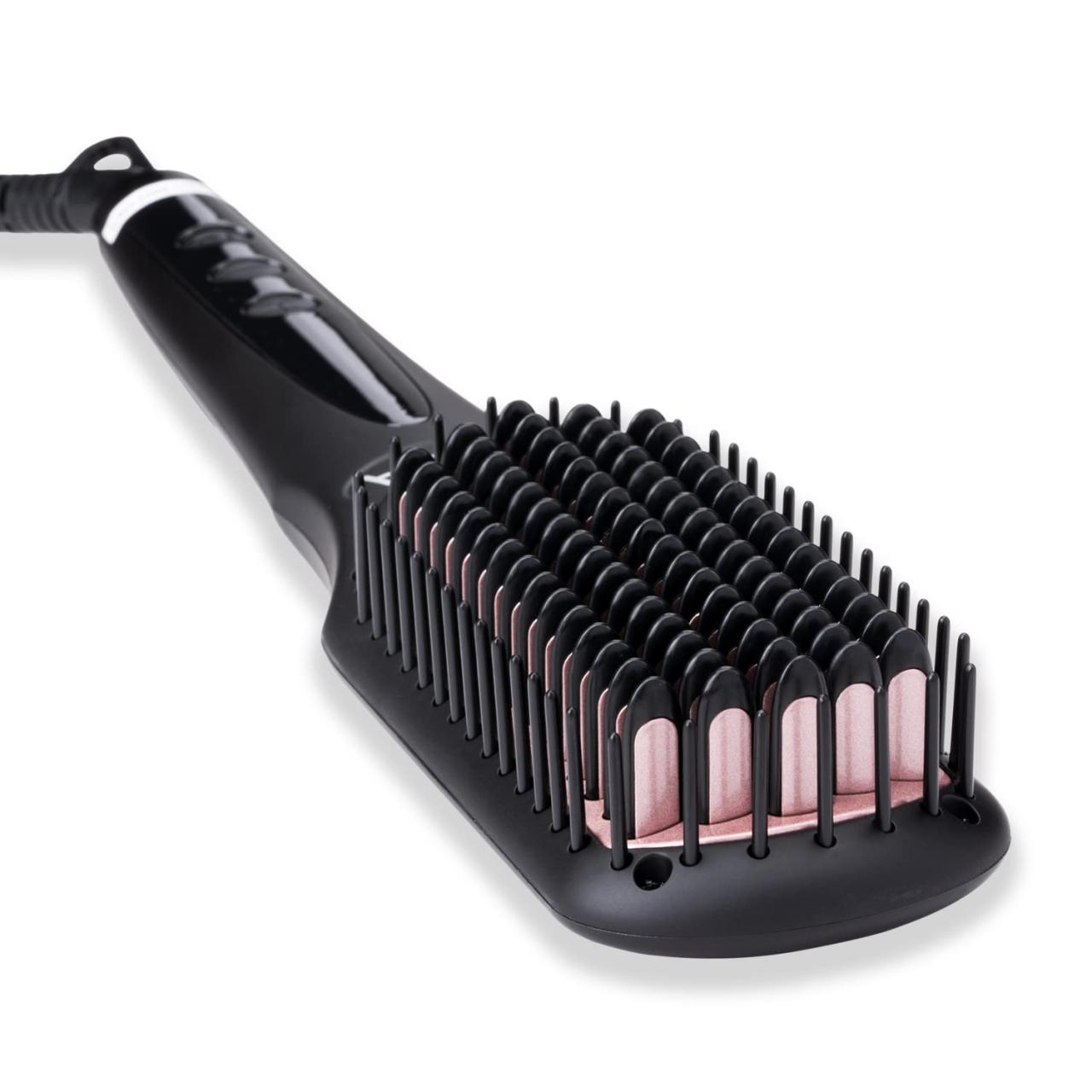
For those with thick hair, achieving a smooth and sleek look can often feel like a daunting task. Traditional styling tools, such as flat irons and blow dryers, may not always deliver the desired results efficiently. A straightening brush, on the other hand, offers a unique blend of ease and effectiveness, making it an ideal choice for taming thick locks.
The advantages of straightening brushes become apparent when comparing them to their traditional counterparts. Unlike flat irons, which can be cumbersome and require precise technique, straightening brushes combine the benefits of brushing with heat styling. This dual functionality means that you can detangle while you style, significantly reducing the risk of heat damage. Moreover, the design of straightening brushes allows for greater surface area contact, promoting even heat distribution and reducing the likelihood of hot spots that can burn hair.
Time Efficiency in Styling Thick Hair
When it comes to thick hair, the time it takes to achieve a polished look can be a serious consideration. Straightening brushes excel in this area by streamlining the styling process. Here are some reasons why they can save precious minutes in your routine:
- Quick Heating: Most straightening brushes reach their optimal styling temperature in a matter of seconds, allowing for immediate use.
- Simultaneous Brushing and Straightening: The ability to detangle while straightening means fewer passes over each section of hair, cutting down on styling time.
- Wide Bristles: The design of straightening brushes typically features wider bristles that can cover more hair at once, making the process faster and more efficient.
Benefits for Various Thick Hair Types
Thick hair can come in various textures and conditions, and straightening brushes cater to a diverse range of needs. Understanding the specific benefits for different hair types can help users maximize the effectiveness of their styling tools:
- Coarse Hair: Straightening brushes can help smooth out rough textures while maintaining volume, allowing for a sleek finish without flattening the hair.
- Wavy Hair: For those with natural waves, a straightening brush can create a soft, straight look while preserving some of the hair’s natural body.
- Curly Hair: Straightening brushes are gentler on curls than flat irons, offering a more forgiving approach to heat styling, thereby helping to minimize frizz and maintain curl integrity.
Using a straightening brush can transform your styling routine, making it not only faster but also safer for the health of your hair.
Key Features to Look for in a Straightening Brush for Thick Hair
Finding the right straightening brush for thick hair can significantly enhance your styling experience, making it smoother and more manageable. It’s essential to identify features that cater specifically to the needs of thicker hair, ensuring that the brush not only straightens effectively but also maintains hair health.
When selecting a straightening brush, several key features distinguish the best options for thick hair. These features contribute to both the efficiency of the styling process and the overall health of your hair. Below are the vital aspects to consider:
Material of Bristles
The type of bristles used in a straightening brush can impact the overall heat distribution and hair health. Bristle materials greatly influence how effectively the brush can straighten thick hair without causing damage.
– Ceramic Bristles: Ceramic bristles provide even heat distribution, which minimizes hot spots that can damage hair. They are particularly effective for thick hair as they can penetrate the hair shaft more thoroughly.
– Tourmaline Bristles: Known for their ability to emit negative ions, tourmaline bristles help to reduce frizz and static. They are beneficial for thick hair since they promote a smooth finish and add shine.
– Mixed Bristles: A combination of nylon and boar bristles can offer the best of both worlds: the nylon bristles detangle, while the boar bristles distribute oils from the scalp along the hair shaft, enhancing moisture and shine.
Choosing the right bristle material can significantly impact both styling effectiveness and hair health.
Importance of Temperature Control
Temperature control is crucial when using a straightening brush on thick hair. Different hair textures respond differently to heat, and having the ability to adjust the temperature can prevent damage.
– Low Heat Settings: For finer sections of thick hair or for those with color-treated strands, lower heat settings (around 320°F to 350°F) can prevent overheating, which can lead to dryness and brittleness.
– Higher Heat Settings: Thick, coarse hair often requires higher temperatures (between 370°F and 450°F) to achieve a smooth finish. Brushes with a wide range of temperature settings allow users to find the optimal heat for their hair type.
Proper temperature control ensures that you achieve the desired straightening effect without compromising hair integrity.
Step-by-Step Guide on How to Use a Straightening Brush Effectively
Using a straightening brush can be a game-changer for those with thick hair, providing a quicker and easier way to achieve sleek, straight locks. However, to maximize its effectiveness, it’s essential to follow a methodical approach. This guide will break down the steps to ensure you get the best possible results from your straightening brush.
Proper Technique for Using a Straightening Brush
To begin using a straightening brush effectively, ensure that your hair is clean, dry, and free from excess product. The following steps Artikel the proper technique for achieving smooth, straight hair:
1. Heat the Brush: Start by turning on your straightening brush and setting it to the appropriate temperature. For thick hair, a higher temperature (around 400°F or 200°C) is often effective, while fine hair may require lower settings.
2. Divide Hair into Sections: Sectioning your hair properly is crucial. Use clips to divide your hair into manageable parts, typically starting with the lower layers and working your way up.
3. Take Small Sections: For each section, take a smaller subsection of hair (about 1-2 inches wide) to ensure that the brush can straighten evenly and effectively.
4. Brush Methodically: Glide the brush down each subsection slowly, allowing the heat to penetrate the hair. Make sure to avoid rushing through this step; a slow and steady approach yields better results.
5. Repeat if Necessary: If a subsection is still not straight after one pass, repeat the brushing process, but avoid excessive heat exposure to prevent damage.
Preparation Checklist Before Using the Brush
Preparing your hair before using a straightening brush is vital for optimal results. Here’s a checklist to follow:
- Ensure hair is clean and completely dry to avoid steam damage.
- Use a heat protectant spray to shield hair from heat damage.
- Brush out any tangles with a wide-toothed comb or a detangling brush.
- Section hair into manageable parts using clips, starting from the nape of the neck and working your way up.
- Set the straightening brush to the appropriate temperature for your hair type.
Best Practices for Sectioning Hair
Proper sectioning of hair is key to achieving a smooth finish with a straightening brush. Here are best practices to follow when sectioning:
1. Start from the Bottom: Begin with the lower layers of your hair. This allows you to effectively straighten the thicker top layers without interference.
2. Use Clips: Utilize hair clips to secure each section. This keeps your hair organized and prevents it from getting tangled.
3. Keep Sections Small: Smaller sections (1-2 inches) will allow the brush to heat the hair more thoroughly, resulting in a smoother finish.
4. Work in Layers: Once the bottom layers are straightened, release the next layer and repeat the process until all hair is straightened.
5. Finish with a Serum: After straightening, apply a light serum to add shine and help control frizz.
Effective sectioning and proper technique significantly enhance the straightening process, leading to smoother, healthier-looking hair.
Common Mistakes to Avoid When Straightening Thick Hair
Straightening thick hair can be a challenge, but avoiding common pitfalls can lead to smoother, healthier results. Many individuals struggle with the process, leading to damage or less-than-ideal styling outcomes. Understanding these mistakes is key to achieving a sleek and polished look without compromising hair health.
One of the most frequent errors is neglecting to apply heat protection products. These products are essential for safeguarding hair against the high temperatures of styling tools. Skipping this step can result in significant damage, leading to dryness, split ends, and breakage. Heat protectants create a barrier between your hair and the heat, allowing you to achieve your desired style while minimizing harm.
Excess Product Usage Before Styling
Using too much product before straightening can weigh down thick hair and lead to greasy or flat results. It’s crucial to strike a balance when applying styling products. Here are some important points to consider:
- Thick hair often requires a bit of product to manage frizz, but it’s important to use the right amount. Start with a small amount and gradually increase it as needed.
- Heavy creams or oils can make hair feel limp instead of sleek. Opt for lightweight products that provide moisture without excess weight.
- Layering multiple products can create buildup, which can cause hair to look dull and lifeless. Choose a few high-quality products that work well together.
- Always give products a chance to absorb into the hair before applying heat. This ensures the styling tools work effectively without frying the product on the surface.
“Using the optimal amount of product not only enhances styling results but also promotes healthier hair over time.”
By being mindful of these common mistakes, you can significantly improve your straightening routine for thick hair, resulting in a flawless finish that’s both stylish and healthy.
Maintenance Tips for Prolonging the Life of Your Straightening Brush
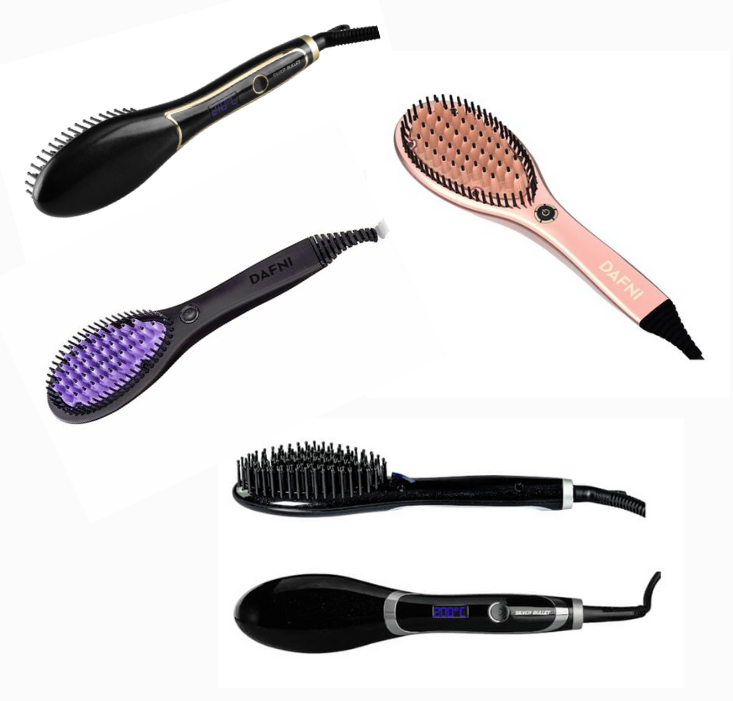
Maintaining the longevity and performance of your straightening brush is crucial, especially if you have thick hair that requires regular styling. Proper care will ensure that your brush stays in optimal condition, allowing it to deliver consistent results over time. Here are some essential maintenance tips to keep your straightening brush functioning at its best.
Cleaning Techniques for Your Straightening Brush
Regular cleaning is vital to avoid product buildup, which can hinder performance and lead to damage over time. Here are some practical cleaning techniques to consider:
- Unplug and Cool Down: Always unplug the brush and let it cool down completely before cleaning to prevent burns and damage.
- Remove Hair Strands: Use a fine-toothed comb or your fingers to gently remove any hair strands stuck in the bristles after each use.
- Use a Damp Cloth: Wipe the bristles and the surface of the brush with a damp cloth to remove dust and product residue. Avoid using excessive water.
- Purpose-Built Cleaners: Occasionally, apply a small amount of alcohol or vinegar with a cotton pad to remove tougher buildup, ensuring it’s safe for your brush material.
Proper Storage Practices
Storing your straightening brush correctly can significantly minimize the risk of damage. Here are effective storage practices to follow:
- Use a Heat-Resistant Pouch: Store your brush in a heat-resistant pouch or case to protect it from accidental damage when not in use.
- Avoid Hanging by Cord: Don’t hang the brush by its cord, as this can lead to internal damage. Instead, lay it flat or wrap the cord around the handle securely.
- Keep in a Cool, Dry Place: Store the brush in an area away from moisture and heat, as these elements can cause malfunctions over time.
Maintaining Performance Over Time
To keep your straightening brush performing at its peak, consider the following tips:
- Regular Inspections: Periodically check the bristles for wear and tear. If they appear damaged, it might be time to replace the brush.
- Temperature Settings: Always use the appropriate heat settings for your hair type. Excessive heat can cause the brush to wear out more quickly.
- Avoid Overuse: Try not to use the straightening brush daily. Give your hair a break to prevent both hair and tool damage.
- Follow Manufacturer Guidelines: Always refer to the manufacturer’s instructions for specific cleaning and maintenance recommendations to ensure you don’t void any warranties.
Regular maintenance can significantly extend the life and effectiveness of your straightening brush, ultimately saving you time and money.
Comparing Popular Straightening Brushes for Thick Hair
Straightening brushes have become a popular styling tool for individuals with thick hair. Their ability to combine the functionality of a brush and a straightener allows for a gentler and quicker styling experience. In this section, we will take a closer look at some of the top-rated straightening brushes available on the market, analyzing their features, pros and cons based on user feedback, and expert reviews.
The following table summarizes the key specifications and unique features of each brush, making it easier to make an informed choice based on your needs.
| Product Name | Temperature Range | Plate Material | Unique Features | Average Rating |
|---|---|---|---|---|
| INFINITIPRO by Conair | 300°F – 450°F | Ceramic | Fast heat-up, automatic shut-off | 4.5/5 |
| Biolage Smooth Proof | 250°F – 450°F | Tourmaline ceramic | Ion technology, moisture-lock | 4.6/5 |
| Amika Polished Perfection | 170°F – 450°F | Titanium | Digital display, dual voltage | 4.7/5 |
| Revlon One-Step | 140°F – 430°F | Ceramic | Versatile styling, built-in ionic generator | 4.4/5 |
Pros and Cons of Each Product
When selecting a straightening brush, it is essential to weigh the pros and cons based on user experiences. Here’s a closer look at the feedback for each product:
- INFINITIPRO by Conair
Pros: Great heat retention and fast styling.
Cons: Can snag thick hair if not used carefully.
- Biolage Smooth Proof
Pros: Moisture-lock technology enhances shine.
Cons: Higher price point compared to others.
- Amika Polished Perfection
Pros: Quick heat-up time and adjustable temperature.
Cons: Heavier design may be uncomfortable for extended use.
- Revlon One-Step
Pros: Multi-functional for straightening and volumizing.
Cons: Bulky design may be challenging for detailed styling.
Unique Features That Set Some Brushes Apart
Several straightening brushes have unique features that distinguish them in a competitive market. These attributes can significantly enhance the styling experience and results.
- INFINITIPRO by Conair: Notable for its fast heat-up time, allowing users to start styling almost immediately. The automatic shut-off function adds a layer of safety.
- Biolage Smooth Proof: Uses advanced ion technology that minimizes frizz while enhancing moisture retention, making it ideal for thick and often unruly hair.
- Amika Polished Perfection: Comes with a digital display that clearly shows the selected temperature, along with dual voltage for travel convenience.
- Revlon One-Step: Features a built-in ionic generator that not only straightens but also adds volume, making it a versatile tool for different styles.
By understanding these comparisons and unique features, individuals with thick hair can make a more informed decision when selecting a straightening brush that best fits their styling needs.
Personalizing Your Straightening Routine Based on Hair Thickness and Texture
When it comes to straightening hair, one size definitely does not fit all. Tailoring your straightening routine to your individual hair thickness and texture can make a significant difference in achieving smooth, sleek results without causing damage. Understanding how to adjust your approach based on your hair’s unique characteristics will help you achieve the best outcome.
Selecting the appropriate temperature settings is crucial for effective straightening. Generally, thicker and coarser hair can tolerate higher temperatures, while fine or damaged hair requires lower heat settings to prevent breakage. Here’s a breakdown of recommended temperature ranges based on hair thickness:
Temperature Settings for Different Hair Types
Setting the right temperature not only enhances the straightening process but also minimizes heat damage. The following temperature guidelines can help you determine the best heat level for your hair type:
- Fine Hair: 250°F – 300°F (120°C – 150°C) – This lower range helps protect delicate strands from overheating.
- Medium Hair: 300°F – 350°F (150°C – 180°C) – Suitable for slightly thicker hair, allowing for effective straightening without excessive heat.
- Thick or Coarse Hair: 350°F – 450°F (180°C – 230°C) – Higher temperatures assist in taming stubborn hair textures, but be cautious to avoid damage.
Understanding your hair’s curliness and coarseness is essential to refining your straightening technique. Curlier and coarser hair may need additional preparation to ensure a smooth finish. Consider these tips for adjusting your approach:
Techniques for Curliness and Coarseness
Adapting your straightening techniques based on hair texture can lead to more effective and lasting results. Here are some methods to consider:
- Prepping for Straightening: Use a quality heat protectant spray to shield your hair from heat damage. For coarser hair, applying a smoothing serum can help reduce frizz and enhance shine.
- Sectioning Hair: Work in smaller sections to ensure even straightening. This is particularly important for thick or curly hair, as it allows for more thorough coverage and better results.
- Using the Right Brush: Opt for a straightening brush with bristles designed for thick or curly hair. This can help grasp hair more effectively, ensuring smooth results with each pass.
- Technique Variation: For curlier textures, consider using a combination of brushing and holding the hair in place for a few seconds at a time to achieve a sleeker finish.
By personalizing your straightening routine in accordance with your hair thickness and texture, you ensure not only a stunning look but also the long-term health of your hair. This tailored approach allows for effective styling while minimizing potential damage, resulting in beautifully straightened locks.
Troubleshooting Common Issues with Straightening Brushes
Using a straightening brush can be a game-changer for managing thick hair, but it is not without its challenges. Many users encounter problems such as frizz, uneven straightening, or unpleasant burning smells during their styling routine. Understanding these common issues and knowing how to address them can significantly enhance your experience with a straightening brush.
When using a straightening brush on thick hair, it is vital to recognize the typical problems that may arise. These problems can stem from various factors, including incorrect temperature settings, improper technique, or even the type of product used on the hair. Here are some common issues and their corresponding solutions.
Frizz Management
Frizz can occur when the hair is not properly moisturized or when the straightening brush is used at too high a temperature. To effectively manage frizz, consider implementing the following tips:
- Use a heat protectant spray: Always apply a quality heat protectant before styling to shield your hair from moisture loss.
- Adjust the temperature: Lower the temperature setting on the brush to reduce damage and frizz. Thick hair often requires a balance between heat and protection.
- Consider your technique: Section your hair properly and avoid going over the same area multiple times, which can lead to frizz.
Uneven Straightening
Achieving an even straightening effect can be tricky, especially with thick hair. Here are some strategies to ensure a more uniform result:
- Work in sections: Divide your hair into smaller sections to ensure that each piece gets adequate heat and attention.
- Brush slowly: Glide the brush through each section slowly to allow the heat to penetrate the hair shaft evenly.
- Use the right brush size: Choose a brush size that matches your hair thickness; larger brushes work better for thicker sections to prevent uneven results.
Burning Smells
A burning smell can indicate overheating or that the product applied to the hair is reacting to the heat. To mitigate this issue, consider the following precautions:
- Check the temperature: Ensure that you are using the appropriate heat setting for your hair type. Thick hair generally requires higher heat, but it should never exceed necessary levels.
- Avoid product buildup: Using too many styling products can result in buildup that burns when exposed to heat. Keep your hair clean and free of excess product.
- Use natural products: Opt for natural styling products that are less likely to react negatively to heat.
Preventive measures can go a long way in avoiding these common issues altogether. Regularly maintain your straightening brush by cleaning it after each use and ensuring that it is in good condition. Additionally, investing in a high-quality brush with adjustable heat settings can provide better control and results, ultimately making your styling routine smoother and more enjoyable. By following these tips and being mindful of the techniques used, you can effectively troubleshoot and prevent issues when styling thick hair with a straightening brush.
Ultimate Conclusion
In summary, embracing a straightening brush for thick hair can transform your styling experience from cumbersome to effortless. With the right techniques and understanding of your hair’s unique needs, you can achieve flawless, straight locks without the hassle of traditional methods. So, invest in a quality straightening brush and enjoy the freedom of beautifully styled hair every day.
Quick FAQs
How do I choose the right temperature for my hair?
It’s best to start with a lower temperature for finer thick hair and gradually increase it for coarser textures, usually between 350°F to 450°F based on your hair type.
Can I use a straightening brush daily?
Using a straightening brush daily is possible, but it’s essential to use heat protectant products to minimize damage and keep your hair healthy.
What type of bristles are best for thick hair?
Look for straightening brushes with heat-resistant, sturdy bristles designed to penetrate thick hair effectively, such as nylon or ceramic bristles.
Do straightening brushes work on wet hair?
It’s generally recommended to use straightening brushes on dry hair for the best results and to prevent damage, although some brushes are designed specifically for damp hair.
How can I prevent my hair from frizzing after using a straightening brush?
To prevent frizz, apply a lightweight serum or anti-frizz product after straightening, and ensure your hair is thoroughly dry before styling.