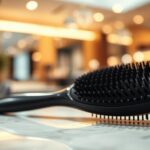
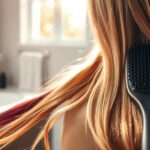
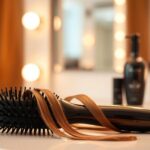
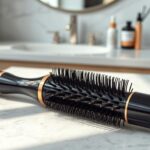
Professional hair brushes are essential tools that can significantly influence the health and appearance of your hair. Choosing the right brush not only enhances styling but also promotes overall hair well-being. With countless options on the market, knowing which brush to use for your hair type and styling needs can make all the difference. Whether you have straight, curly, or textured hair, finding a suitable professional brush can elevate your styling game and improve the health of your locks.
From the materials used in the bristles to the design of the handle, professional hair brushes are crafted with specific purposes in mind. Unlike regular brushes, these tools are designed to meet the demands of hairstylists and individuals who prioritize hair care. Understanding the various types of professional hair brushes and their functions can help you achieve desired hairstyles while maintaining the integrity of your hair.
The Importance of Choosing the Right Professional Hair Brush
Choosing the right professional hair brush is more than just a matter of personal preference; it significantly impacts hair health and styling outcomes. The tools we use can either enhance our hair’s beauty or contribute to damage, making it essential to select brushes that align with our hair type and styling needs. A well-chosen brush can improve manageability, reduce breakage, and promote a shinier, healthier appearance.
The difference between professional and regular hair brushes lies primarily in their material and design. Professional brushes are often crafted from high-quality materials such as boar bristles, nylon, or a blend of both, allowing them to glide through the hair with minimal friction. This results in less breakage and damage compared to regular brushes, which may be made from cheaper plastic or low-quality synthetic fibers. Moreover, professional brushes are designed with ergonomics and functionality in mind. They often feature comfortable grips, lightweight structures, and specialized shapes that cater to various styling techniques, making them more efficient and effective for achieving desired looks.
For instance, fine hair benefits from a brush with soft, flexible bristles that detangle without pulling or causing static. A round boar bristle brush can add volume and shine to fine hair while minimizing heat damage when blow-drying. Conversely, thick or coarse hair often requires a paddle brush with sturdy bristles that can effectively detangle and smooth the hair. The right brush not only eases the styling process but also enhances the overall appearance of the hair, contributing to a polished look.
“The right brush enhances not just how your hair looks, but how it feels.”
Different hair types can drastically change the effectiveness of specific brushes. For example, curly or wavy hair thrives with a wide-tooth comb or a specialized curl brush that maintains the curl pattern while minimizing frizz. On the other hand, a vent brush can be ideal for quick drying and styling while providing volume for straight hair types. Knowing the right brush to use can make a world of difference in achieving healthy, beautiful hair and ensuring that styling efforts are both efficient and effective.
Ultimately, investing in a professional hair brush tailored to individual hair characteristics not only improves styling results but also contributes to overall hair health. By choosing the right tool, individuals can elevate their daily hair care routine, allowing for less frizz, more shine, and better manageability.
Various Types of Professional Hair Brushes and Their Uses
The world of professional hair brushes is diverse, with each type designed for specific tasks in hair care and styling. Understanding these different brushes and their unique applications is essential for achieving desired results, whether you’re a stylist or someone who enjoys personal grooming. This guide delves into the various types of professional hair brushes available on the market, exploring their specific uses and features.
Types of Professional Hair Brushes
There are several types of hair brushes, each tailored to meet different needs in hair care and styling. Below are the primary types of professional hair brushes, along with their uses and characteristics.
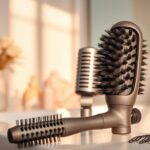
- Round Brushes: Renowned for their versatility, round brushes come in various sizes, making them ideal for creating volume and curls. The barrel shape allows stylists to shape and lift hair while blow-drying, effectively adding body to flat locks. A larger round brush works well for creating loose waves, while a smaller barrel can achieve tight curls. The bristles can be made of natural materials or synthetic fibers, each providing different smoothing effects.
- Paddle Brushes: Paddle brushes are flat and wide, designed for detangling and smoothing hair. Their broad surface area allows for quick styling on longer hair, making them excellent for straightening and removing knots. Paddle brushes are typically used on wet hair, as they can handle moisture well without causing damage. They can also be beneficial for those with thick, unruly hair, providing an efficient way to tame and smooth strands.
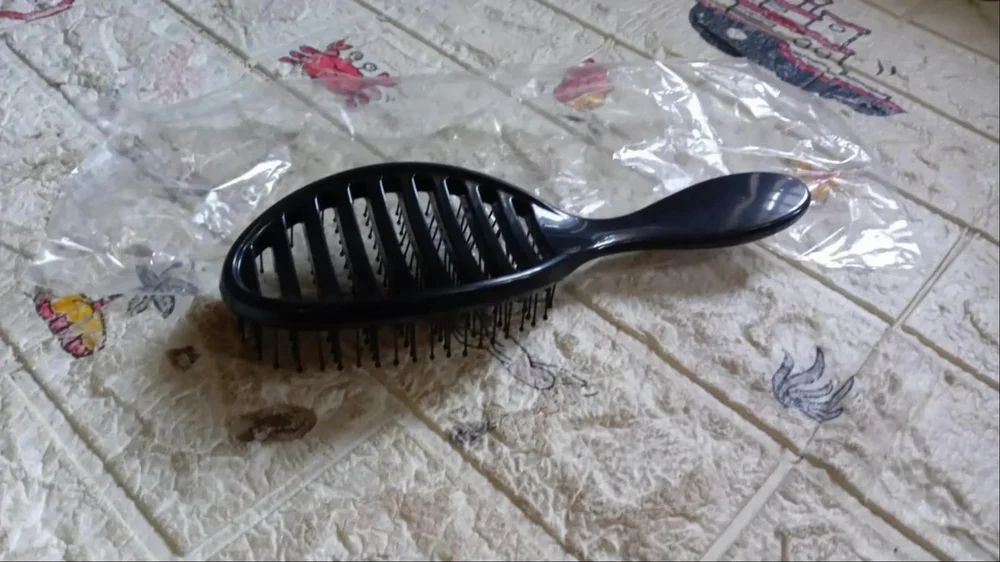
- Vent Brushes: Characterized by their open construction, vent brushes are engineered for fast drying. The spaced-out bristles allow air to circulate through the hair, reducing drying time when used with a blow dryer. They are ideal for those with fine hair, as they prevent tangling while efficiently lifting hair from the scalp. Additionally, vent brushes work well for adding texture and volume during styling sessions.
Comparative Features
When choosing the right brush for a specific task, it is important to understand the differences in features among round, paddle, and vent brushes. Each type offers unique benefits that cater to various hair types and styling goals.
Round brushes create volume and curls, paddle brushes detangle and smooth, while vent brushes expedite drying and add texture.
- Round Brushes: Typically have a cylindrical shape that allows for rolling movement. Bristles vary in size and material, influencing the finish of the styled hair.
- Paddle Brushes: Feature a flat design for broader coverage. They possess flexible bristles that glide through hair without pulling, helping prevent breakage during detangling.
- Vent Brushes: Have a unique design with gaps between bristles. This feature maximizes airflow, making them perfect for quick drying and creating lift at the roots.
Understanding these types of professional hair brushes and their distinct functions can greatly enhance hair styling and care routines. Selecting the appropriate brush for your hair type and desired style is crucial for achieving the best results and maintaining healthy hair.
The Materials Used in Professional Hair Brushes and Their Benefits
Professional hair brushes are crafted from a variety of materials, each chosen for its unique benefits that cater to different hair types and styling needs. Understanding these materials can significantly enhance hair health and improve styling results. This section delves into the common materials used in professional hair brushes, their advantages, and how bristle types can impact hair care.
The primary materials used in the construction of professional hair brushes include wood, plastic, metal, and various types of bristles. Each material has distinct characteristics that influence performance and durability. For instance, wooden brushes are often praised for their ability to reduce static and distribute natural oils along the hair shaft. On the other hand, plastic brushes are lightweight and often come in a variety of styles, making them a popular choice for everyday use. Metal brushes, while less common, offer durability and can withstand high temperatures, useful for heat styling.
When it comes to bristle types, hair brushes generally feature either natural or synthetic bristles. Natural bristles, such as boar hair, are known for their ability to smooth the hair cuticle and enhance shine, making them ideal for fine or damaged hair. They help in distributing sebum from the scalp down the hair shaft, which can improve overall hair health. Synthetic bristles, like nylon, tend to be more durable and resistant to heat, making them suitable for styling and detangling thicker or coarser hair. The choice between these bristle types can significantly affect styling results and hair maintenance.
| Material | Pros | Cons |
|---|---|---|
| Wood |
|
|
| Plastic |
|
|
| Metal |
|
|
Choosing the right brush material can make a significant difference in maintaining healthy hair and achieving desired styling results.
Techniques for Using Professional Hair Brushes Effectively
Using a professional hair brush correctly can significantly enhance your styling routine while promoting healthier hair. Understanding the different techniques suited for various hair types and styles is essential for achieving the desired look. This guide will explore effective brushing methods for both wet and dry hair, as well as how to combine brushing with other styling tools for optimal results.
Brushing Techniques for Different Hair Types
Each hair type—straight, wavy, curly, and coily—requires specific brushing techniques to prevent damage and promote shine. Here are some effective methods tailored to various hair types:
- Straight Hair: For straight hair, using a paddle brush is ideal. Start at the ends and work your way up to the roots to detangle. This method minimizes breakage and helps maintain the hair’s natural shine.
- Wavy Hair: A detangling brush or a wide-toothed comb works well for wavy hair. Brush gently while the hair is damp to keep the waves intact. Scrunch the hair while brushing to enhance the natural wave pattern.
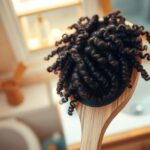
- Curly Hair: Always brush curly hair when it’s wet and conditioned to avoid frizz. Use a wide-toothed comb or a specialized curl brush, starting from the tips and gradually working upwards. This technique maintains the curl structure and reduces breakage.
- Coily Hair: Coily hair benefits from minimal brushing. Use a leave-in conditioner and a wide-toothed comb to gently detangle when wet. Avoid brushing dry coily hair, as it can cause frizz and disrupt the natural curl pattern.
Brushing Wet Hair versus Dry Hair
The method of brushing varies significantly based on whether the hair is wet or dry. Understanding these differences is crucial for maintaining hair health.
When brushing wet hair, it’s important to remember that it is more vulnerable to breakage. Utilize a wide-toothed comb or a detangling brush designed for wet hair. Begin at the ends and slowly work your way up to the roots, applying conditioner or a detangling spray to ease the process. This method helps prevent tugging and minimizes damage.
In contrast, brushing dry hair can help distribute natural oils from the scalp down the hair shaft, which promotes shine and health. For dry hair, use a bristle brush or a boar bristle brush, starting from the roots and working toward the tips. This technique stimulates the scalp and enhances overall hair texture.
Brushing wet hair requires more care than dry hair, as it is more prone to breakage.
Combining Brushing Techniques with Other Styling Tools
To achieve optimal hairstyles, combining brushing techniques with styling tools can be highly effective. The following methods illustrate how to enhance your styling routine:
- Blow Drying: Use a round brush during blow-drying to create volume and smoothness. Section the hair and roll the brush from the roots to the ends, directing the heat from the dryer down the hair shaft.
- Flat Ironing: Before flat ironing, brush the hair with a heat-resistant brush to remove any tangles. This ensures a smooth application of the straightening tool, leading to a sleeker finish.
- Curling: For curling, use a styling brush to create soft waves. Brush through your hair after curling to soften the curls and blend them for a more natural look. This technique enhances the overall style without losing definition.
By integrating these techniques into your hair care regimen, you can achieve better results while maintaining healthy hair. Understanding how to effectively use professional hair brushes based on your hair type and desired style is key to unlocking your hair’s full potential.
Maintenance Tips for Professional Hair Brushes
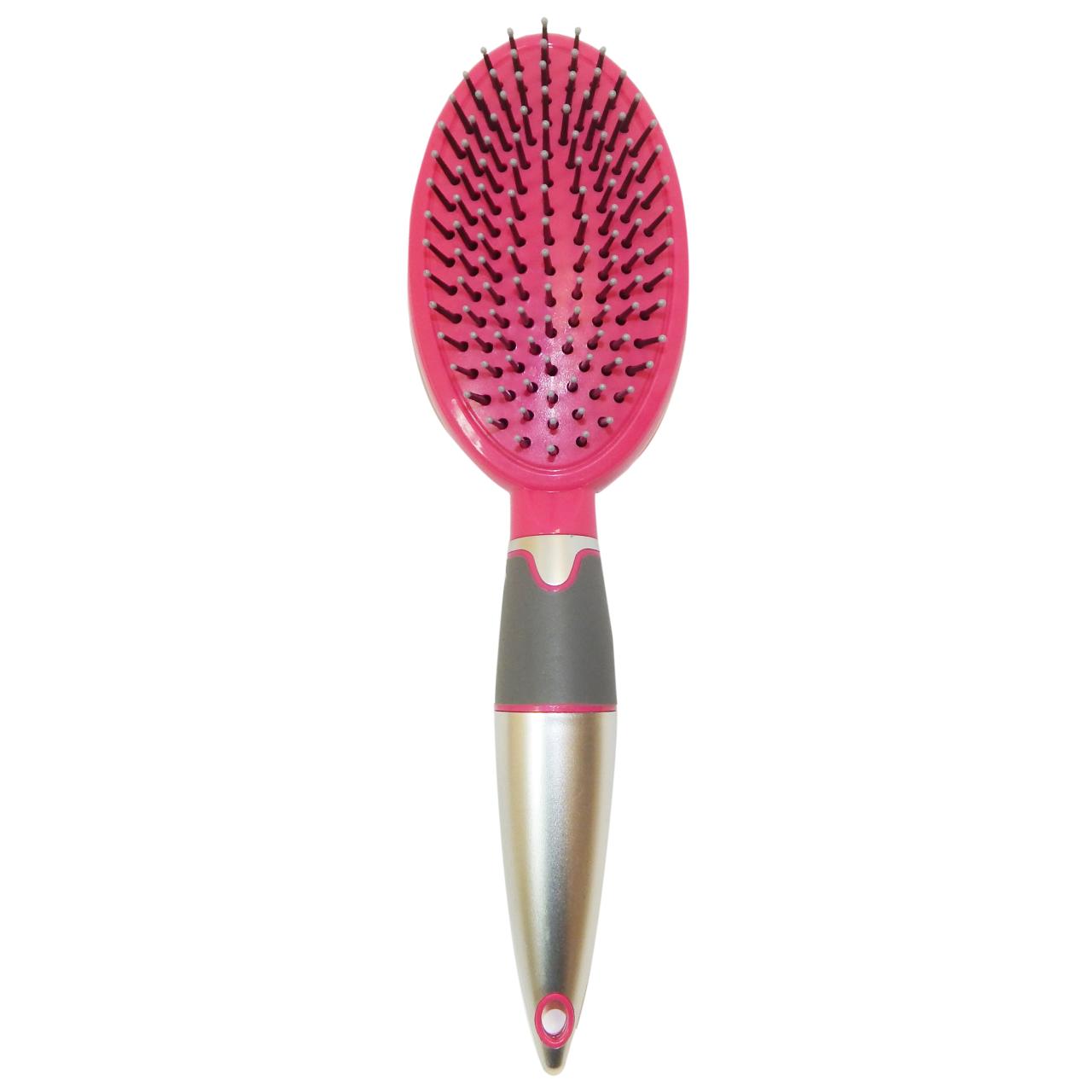
Caring for your professional hair brushes is essential to ensure they remain effective and last for years. Regular maintenance not only keeps your tools clean but also helps maintain the quality of your hair styling. Dirty or damaged brushes can lead to poor styling results and can even affect the health of your hair. Here’s a comprehensive guide on how to care for and maintain your professional hair brushes.
Regular cleaning plays a crucial role in brush maintenance. Over time, hair products, dirt, and oil accumulate on your brushes, which can hinder their performance. To keep your brushes in top condition, follow these cleaning methods:
1. Daily Cleaning: After each use, remove hair strands from the bristles to prevent tangling and build-up. Use your fingers or a comb to gently pull out any trapped hair.
2. Weekly Deep Cleaning: At least once a week, wash your brushes with a gentle shampoo. Mix warm water with a few drops of shampoo in a bowl. Swirl the bristles around and let them soak for a few minutes before rinsing them under clean, warm water. Ensure that no shampoo residue remains, as this can affect hair quality.
3. Disinfecting: Use a mixture of water and vinegar or rubbing alcohol to disinfect your brushes. This helps eliminate germs and bacteria. Soak the bristles for a few minutes, then rinse thoroughly.
4. Drying: After cleaning, reshape the bristles and let the brushes dry flat on a towel. Avoid standing them upright in a jar, as this can bend the bristles.
Dos and Don’ts for Brush Maintenance
Maintaining your professional hair brushes requires following specific practices to ensure their longevity and efficiency. Here’s a helpful checklist of dos and don’ts:
Dos:
- Do clean your brushes regularly to remove hair and product build-up.
- Do store brushes in a clean, dry place to prevent mold and bacteria growth.
- Do use brushes designed for your specific hair type to avoid damage.
- Do check bristles for damage and replace brushes when necessary.
Don’ts:
- Don’t use harsh chemicals or cleaning products that can damage bristles.
- Don’t soak brushes in water for too long, as this can weaken the glue holding bristles in place.
- Don’t bend or pull at the bristles harshly during cleaning, as this can distort their shape.
- Don’t leave brushes exposed to direct sunlight for extended periods, as this can cause fading and brittleness.
Maintaining your brushes with these tips will not only prolong their lifespan but will also enhance your hairstyling experience. Remember, a well-maintained brush can make a significant difference in the quality of your work and the health of your hair.
The Role of Professional Hair Brushes in Salon Services
In the world of hairstyling, the tools of the trade significantly influence the outcome of a service. Among these, professional hair brushes stand out as essential instruments that enhance both the stylist’s effectiveness and the client’s satisfaction. They are not merely accessories; they play a crucial role in various salon services, from blowouts to intricate styling sessions.
Professional hair brushes are specifically designed to meet the demands of different hair types and styling techniques. Their construction, featuring high-quality bristles and ergonomic designs, allows for better control and precision during styling. In salon settings, brushes are pivotal in creating smooth finishes, adding volume, and defining curls or waves. Stylists often select brushes based on the specific treatment being performed, as each type of brush serves a unique purpose.
Preferred Brushes for Specific Treatments
Selecting the right brush impacts the overall effectiveness of hair services. For instance, during blowouts, round brushes are commonly favored. They help lift the hair at the roots and create volume while allowing for a smooth finish. The diameter of the round brush is chosen based on the length and texture of the hair; larger brushes are ideal for straightening long hair, while smaller ones work well for creating curls in shorter styles.
Flat brushes, or paddle brushes, are often preferred for detangling and smoothing hair. They work exceptionally well for straightening and are beneficial for long, thick hair. Additionally, vent brushes are used for quick drying, as their design allows hot air to pass through easily, reducing drying time without excessive heat damage.
The choice of high-quality brushes profoundly affects customer satisfaction. Using quality brushes minimizes hair breakage and improves the final look, ensuring that clients leave the salon with a polished style. Brushes made from natural bristles, such as boar bristles, are particularly effective for distributing natural oils throughout the hair, enhancing shine and health.
In contrast, using inferior brushes can lead to frizz, uneven results, and customer dissatisfaction. Stylists who invest in professional-grade tools often notice a direct correlation between their equipment quality and the quality of the services they provide. A well-executed hairstyle, aided by the right brush, not only boosts the stylist’s reputation but also leads to repeat business and referrals, ultimately contributing to the salon’s success.
Innovations in Professional Hair Brush Design
The world of professional hair care has witnessed remarkable innovations in hair brush design, driven largely by advancements in technology and consumer demand for enhanced usability and performance. Today’s hair brushes are not just styling tools; they represent a blend of functionality, comfort, and aesthetic appeal.
Recent advancements in brush design have been significantly influenced by ergonomic considerations. Brushes now feature grips that are shaped to fit the contours of the hand, reducing strain during use. This ergonomic approach is crucial for professionals who spend hours styling hair. Additionally, many brushes now utilize heat-resistant materials to withstand the high temperatures of styling tools like blow dryers and curling irons, thus ensuring durability and performance over extended periods.
Technological Advancements in Brush Design
The integration of technology into hair brush design has led to the development of cutting-edge features that cater to both professionals and consumers. These innovations focus on improving the styling experience while promoting hair health. Here are key advancements in the field:
- Ion Technology: Brushes equipped with ion generators help reduce static and frizz, providing smoother and shinier hair. This technology releases negative ions that counteract the positive ions present in dry hair.
- Heat Distribution: Some brushes are designed with materials that distribute heat evenly across the bristles, allowing for quicker and more efficient styling without causing damage to the hair.
- Self-Cleaning Brushes: Innovations like self-cleaning bristles, which can be activated with a simple mechanism, are increasingly popular. These brushes eliminate hair and product buildup, ensuring optimal performance.
- Smart Brushes: The emergence of smart brushes that connect to mobile apps is on the rise. These brushes can track hair health, provide styling tips, and even monitor the temperature to prevent heat damage.
As we look to the future, several trends are likely to shape the hair brush market. Sustainable materials are becoming a priority as consumers are more conscious of their environmental impact. Brushes made from biodegradable or recycled materials will likely become commonplace. Furthermore, customization options, such as brushes that can adapt to different hair types and styling needs through interchangeable bristles, are expected to gain traction. The integration of artificial intelligence into styling tools could also lead to personalized recommendations based on individual hair characteristics.
Overall, the evolution of professional hair brushes reflects a commitment to enhancing user experience, promoting healthier hair, and embracing sustainability in design.
Last Recap
In conclusion, investing in a professional hair brush tailored to your hair type and styling preferences can lead to healthier, more beautiful hair. As we explored the different brush types, materials, and techniques, it’s clear that the right brush is more than just a styling tool; it’s an investment in your hair’s health. Remember to maintain your brushes properly and stay updated with the latest innovations in brush design to keep your hair looking its best.
User Queries
What is the difference between natural and synthetic bristles?
Natural bristles are often softer and better for distributing natural oils, while synthetic bristles can provide more grip and are typically more durable.
How often should I clean my hair brush?
You should clean your hair brush at least once a month to remove hair and product buildup.
Can I use a professional hair brush on wet hair?
Some brushes are designed specifically for wet hair, but it’s best to check the manufacturer’s guidelines before using.
What type of brush is best for fine hair?
A paddle brush with soft bristles is ideal for fine hair, as it detangles without causing damage.
Are there brushes specifically for curly hair?
Yes, there are specialized brushes designed to define and maintain curls without causing frizz.