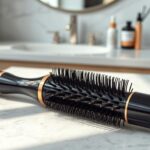
The Hair drying brush has revolutionized the way we style our hair, combining the functions of a brush and a blow dryer into one convenient tool. This nifty device not only cuts down on styling time but also offers a sleek, polished finish that stands out. With its ability to reduce heat damage compared to traditional tools, hair drying brushes are a game-changer for anyone looking to maintain healthy hair while achieving various hairstyles effortlessly.
From bouncy curls to straight locks, the versatility of a hair drying brush is impressive. Whether you’re rushing out the door or preparing for a night out, this tool allows for quick and effective styling, making it a favorite among hair enthusiasts. Plus, the ease of use and time-saving benefits make it a must-have accessory in every hair care routine.
The benefits of using a hair drying brush for styling hair
Using a hair drying brush can revolutionize your hair styling routine, combining the functions of a dryer and a brush into one efficient tool. This innovative device not only helps in achieving a polished look but also significantly reduces the time spent on styling. For those who often find themselves juggling a busy schedule, this tool is a game-changer. The hair drying brush allows users to dry and style their hair simultaneously, which means you can go from wet to beautifully styled hair in a matter of minutes.
One of the major advantages of a hair drying brush is its ability to save time while providing a sleek finish. Traditional styling methods often involve multiple tools—starting with a hairdryer, followed by a flat iron or curling wand. In contrast, a hair drying brush eliminates the need for these additional steps. With its heated bristles that dry and smooth hair at the same time, users can achieve salon-quality results much faster. For instance, while a straightforward blow-dry might take around 20-30 minutes, using a hair drying brush can often cut that down to just 10-15 minutes, allowing you to get on with your day more quickly.
Reduction of Heat Damage
The hair drying brush also significantly reduces heat damage compared to traditional styling tools. Conventional blow dryers can expose hair to direct heat for extended periods, leading to dryness and split ends. In contrast, a hair drying brush operates at a lower temperature while still effectively drying hair. This is particularly beneficial for those with fine or damaged hair, as it minimizes the risk of further harm. Many hair drying brushes now come equipped with technology that helps distribute heat evenly, preventing hot spots that can scorch the hair.
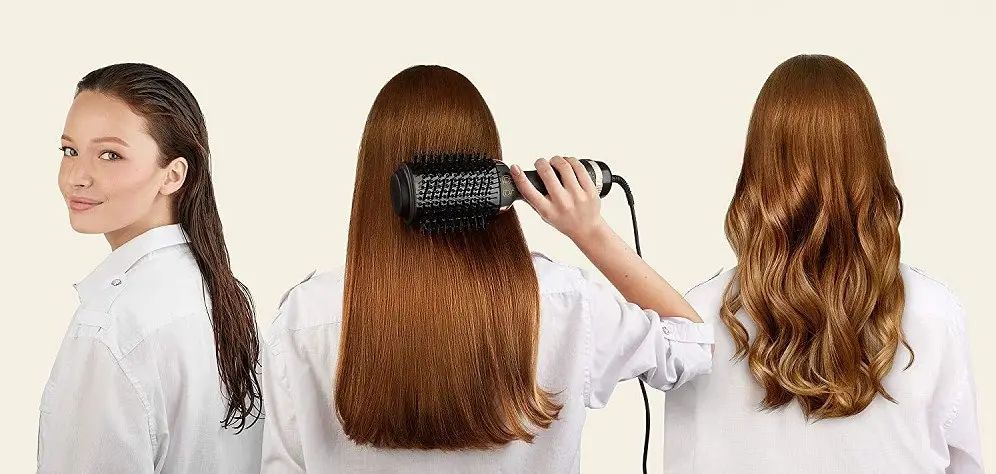
The versatility of hairstyles achievable with a hair drying brush is another appealing feature. This tool is not just for straightening; it can create a variety of styles depending on the technique used. Users can achieve soft waves, bouncy curls, or sleek straight hair, making it a suitable choice for different occasions.
- For a smooth, straight finish, simply brush through damp hair from root to tip.
- To create loose waves, twist sections of hair as you run the brush through, holding the ends for a few seconds.
- For added volume, lift the roots while drying, which gives a natural bounce and fullness.
The hair drying brush combines the convenience of drying and styling, reducing heat exposure and enhancing versatility.
This multifunctional tool not only enhances styling options but also promotes healthier hair by reducing the need for multiple heat sources, making it an essential addition to any hair care routine.
Comparing different types of hair drying brushes available in the market
Hair drying brushes have revolutionized the way we style our hair, combining the functions of a blow dryer and a styling brush into one handy tool. With various types available, understanding their features can help you choose the right one for your hair type and styling needs.
Types of hair drying brushes and features
There are several types of hair drying brushes, each designed with unique features catering to different hair types and styling preferences. Below are three popular types that stand out in the market:
- Round Brushes: These brushes are designed for volume and curl. Typically made with a ceramic or metal barrel, they conduct heat effectively, allowing for quicker drying and styling. The bristles are often a mix of natural and synthetic materials, providing flexibility and grip.
- Paddle Brushes: Ideal for straightening and smoothing hair, paddle brushes have a flat and wide design. They are great for long hair and can help in controlling frizz. Many paddle brushes are equipped with vent holes to improve airflow during drying, making them a favorite for those with thick hair.
- Auto-Rotating Brushes: These innovative tools simplify the styling process by automatically rotating to create curls or waves. Often equipped with built-in heat settings, they are perfect for users looking for versatility in styling without a steep learning curve.
Best materials used in brushes and impact on hair health
The materials used in hair drying brushes significantly influence their performance and the health of your hair.
- Ceramic: Known for its ability to distribute heat evenly, ceramic helps in minimizing hair damage by preventing hotspots and drying out hair excessively.
- Tourmaline: Often infused into ceramic brushes, tourmaline emits negative ions that reduce static and frizz, promoting smoother and shinier hair.
- Natural Bristles: Brushes with natural bristles, such as boar bristle, are excellent for distributing natural oils from the scalp, enhancing shine and health while minimizing breakage.
Price range and value for different budgets
Hair drying brushes vary widely in price, making it essential to find one that meets your budget without compromising on quality.
- Budget Brushes ($20-$40): Often simple in design with basic features, these brushes are suitable for occasional users or those with short hair. Examples include basic paddle brushes that do the job without extra frills.
- Mid-Range Brushes ($40-$100): These brushes usually come with enhanced features like multiple heat settings or advanced bristle technology, providing a blend of quality and performance. Brands like Revlon and Hot Tools fall into this category.
- High-End Brushes ($100+): Often featuring cutting-edge technology and premium materials, these brushes are designed for serious styling enthusiasts. Brands like Dyson offer high-quality options that promise exceptional results and durability.
Techniques for using a hair drying brush effectively
Using a hair drying brush can streamline your hair styling routine, providing both drying and styling benefits in one tool. However, to achieve the best results, it’s essential to understand the techniques that enhance its effectiveness. This guide will help you master the use of a hair drying brush, ensuring your hair remains healthy and beautifully styled.
Step-by-step guide for using a hair drying brush
To effectively use a hair drying brush, follow these steps for optimal results:
- Start with damp hair: After washing, gently towel-dry your hair to remove excess water. Your hair should be damp, not dripping wet, as this allows for better styling and minimizes damage.
- Apply heat protectant: Before you begin, spritz a heat protectant spray throughout your hair. This will shield your strands from heat damage.
- Section your hair: Divide your hair into manageable sections. Working with smaller sections promotes more effective drying and styling.
- Begin at the roots: Place the brush at the roots of a section and turn it on. Slowly glide the brush down the length of your hair, allowing the bristles to grip and smooth.
- Use the right speed and heat settings: Adjust the speed and heat according to your hair type. Fine hair may require lower heat, while thicker hair can handle higher settings.
- Finish with cool air: Once you reach the ends, switch to the cool setting for a few seconds. This helps to lock in shine and set your style.
Proper hair sectioning for efficiency
Properly sectioning your hair is crucial for achieving a polished look while using a hair drying brush. Here’s how to do it effectively:
Sectioning not only aids in more efficient drying but also helps to reduce the risk of heat damage.
- Divide into quadrants: Create four sections by parting your hair down the middle and then from ear to ear. Secure each section with clips.
- Work from bottom to top: Start with the lower sections close to your nape, and gradually work your way up. This helps manage volume and ensures thorough drying.
- Use smaller subsections: Within each quadrant, create smaller subsections, ideally 1-2 inches wide. This allows the brush to effectively grip and smooth each strand.
Common mistakes to avoid while using a hair drying brush
Awareness of common pitfalls can help you avoid hair damage and achieve better results. Here are key mistakes to steer clear of:
Avoiding these common mistakes ensures your hair remains healthy and your styling process is efficient.
- Using the brush on wet hair: Always ensure your hair is damp, not dripping wet, to prevent excessive heat exposure.
- Skipping heat protectant: Never neglect to apply heat protectant. This step is essential for protecting your hair from heat damage.
- Holding the brush in one place: Constantly moving the brush will prevent heat damage and ensure even drying.
- Using high heat for all hair types: Adjust the heat setting according to your hair’s needs; finer hair requires less heat.
- Neglecting maintenance: Regularly clean your brush to remove hair and product buildup, ensuring it performs effectively.
Maintenance tips to prolong the life of a hair drying brush
To keep your hair drying brush in excellent condition and extend its lifespan, regular maintenance and proper storage are essential. These practices not only enhance performance but also ensure that you get the most value from your investment. Here, we’ll explore effective cleaning routines, optimal storage strategies, and indicators for when your brush may need replacement.
Best cleaning practices for hair drying brushes
Regular cleaning is crucial to maintain the performance of your hair drying brush. Over time, hair, product buildup, and dirt can accumulate, impacting its effectiveness. Follow these steps to keep your brush clean:
- Remove hair strands: After each use, promptly remove any hair strands wrapped around the bristles. This prevents tangling and ensures better airflow during drying.
- Wash with soap and water: Use a soft, damp cloth or sponge with mild soap to clean the bristles and body of the brush. Avoid using harsh chemicals that could damage the materials.
- Rinse and dry: If you use water to wash the brush, ensure you rinse it thoroughly and let it air dry completely before the next use. This prevents moisture buildup, which can lead to mold.
- Disinfect regularly: Every few weeks, consider disinfecting the bristles with rubbing alcohol or a vinegar-water solution to eliminate bacteria and buildup.
Storage tips to prevent damage
Proper storage can significantly impact the longevity of your hair drying brush. Here are some recommended practices:
- Store in a cool, dry place: Avoid leaving your brush in areas with high humidity, such as bathrooms, as moisture can degrade the bristles.
- Use a protective pouch: If your brush came with a protective pouch, use it for storage. This shields the bristles from dust and accidental damage.
- Avoid heat sources: Keep your brush away from direct heat sources like radiators or hair straighteners, as excessive heat can warp the bristles.
- Keep out of reach: Store your brush in a location that is less likely to be bumped or knocked over, preventing accidental damage.
Recognizing when a hair drying brush needs replacement
It’s vital to know when it’s time to replace your hair drying brush to ensure effective styling and maintain hair health. Here are signs that indicate a replacement is necessary:
- Worn out bristles: If the bristles are frayed, bent, or missing, the brush will not perform effectively and can snag or break your hair.
- Decreased performance: Noticeably reduced airflow or difficulty in achieving desired results can signal that the brush has lost its effectiveness.
- Visible damage: Cracks, chips, or warping of the brush body can affect usability and may lead to further damage during styling.
- Odor or buildup: A persistent smell or visible buildup that cleaning doesn’t eliminate suggests the brush has reached the end of its life.
Analyzing customer feedback and reviews on popular hair drying brushes
Customer feedback plays a pivotal role in understanding the effectiveness and reliability of hair drying brushes. As these tools gain popularity, assessing the experiences of users can guide potential buyers in making informed decisions. A thorough analysis of customer reviews reveals key insights about the features that are most appreciated and the common issues that arise with various models.
When considering a hair drying brush, it’s essential to examine customer reviews as they provide a realistic glimpse into the product’s performance beyond marketing claims. Reviews often highlight both impressive features and drawbacks, allowing buyers to weigh their options carefully. By dissecting customer feedback, trends and patterns emerge, offering valuable guidance for those seeking the best hair drying brush for their needs.
Summary of Customer Reviews
Analyzing customer reviews highlights several recurring themes regarding the features and performance of popular hair drying brushes. The following points summarize the most frequently praised aspects and common complaints:
- Quick Drying Time: Many users commend hair drying brushes for their ability to significantly reduce drying time compared to traditional methods. Customers often express satisfaction with products that can dry and style hair simultaneously, saving time in their daily routines.
- Ease of Use: Customer feedback frequently points out the ergonomic design and lightweight nature of many brushes, making them easy to handle. Users appreciate the intuitive operation, which often allows for one-handed styling.
- Versatile Styling Options: Reviews commonly highlight the versatility of hair drying brushes in achieving different styles, from sleek and straight to voluminous waves. Many users enjoy the flexibility of using one tool for various styling needs.
- Heat Settings: Customers often appreciate models with adjustable heat settings, allowing for customization based on hair type and styling preferences. This feature is praised for enabling users to minimize heat damage.
- Durability: While many users report satisfaction with the longevity of their brushes, some complaints arise regarding the durability of specific models, with a few reviewers highlighting issues with overheating or components malfunctioning over time.
Importance of Reading Reviews
Reading customer reviews before making a purchase is crucial for several reasons. It allows potential buyers to gather firsthand accounts of product performance and reliability, which can be significantly more informative than manufacturer descriptions. Reviews can reveal insights into the practicality of a product, including user experiences regarding ease of use, effectiveness, and durability.
Additionally, reviews often provide context that can help in understanding how a product performs across different hair types and conditions. For example, a particular brush may be highly rated for fine hair but may not perform as well on thick or curly hair. Understanding these nuances helps buyers choose a product that aligns with their specific needs.
Trends in Customer Feedback Across Brands and Models
Analyzing customer feedback across various brands and models of hair drying brushes reveals interesting trends. Some brands consistently receive high praise for performance and reliability, while others may face recurring complaints. The following trends have been noted in customer feedback:
- Brand Reputation: Established brands tend to have a loyal customer base, often receiving positive reviews due to their reputation for quality. Customers frequently express trust in these brands based on prior experiences or recommendations.
- Innovative Features: Newer models that incorporate advanced technology, such as ionic or ceramic technology, often garner positive feedback for their performance in reducing frizz and enhancing shine. Customers appreciate the incorporation of innovative features that improve styling results.
- Affordability vs. Quality: There is a noticeable trend where users weigh affordability against quality. Some customers are willing to invest in higher-priced models for perceived better performance, while others highlight budget-friendly options that perform surprisingly well.
- Customer Service Experience: Feedback often includes comments on customer service encounters, with users appreciating brands that offer responsive support in case of issues. Positive customer service experiences can enhance overall satisfaction and brand loyalty.
Creating a hair care routine that complements the use of a hair drying brush
Establishing a solid hair care routine is essential for anyone looking to maximize the benefits of a hair drying brush. Not only does a well-rounded regimen promote healthier hair, but it also enhances styling results, allowing for a smoother, shinier finish. A thoughtful approach to hair care can significantly amplify the effectiveness of a hair drying brush, resulting in beautifully styled hair with less effort.
To ensure your hair is in optimal condition for styling, it’s important to choose the right products and techniques that align with the capabilities of a hair drying brush. This section Artikels the essential components of a hair care routine that will enhance your experience and results with this versatile tool.
Essential Components of a Hair Care Routine
A comprehensive hair care routine involves several key steps that work in tandem with a hair drying brush. Here are vital aspects to consider:
1. Cleansing: Use a gentle shampoo suitable for your hair type. Sulfate-free formulas are often recommended as they cleanse without stripping natural oils. Regular cleansing helps to remove product buildup, ensuring your hair is fresh and ready for styling.
2. Conditioning: Apply a nourishing conditioner after every wash. Look for products that contain moisturizing ingredients like shea butter or argan oil. This step not only detangles the hair but also provides essential moisture, improving manageability during the drying process.
3. Leave-in Treatments: Incorporating a leave-in conditioner or a light styling cream can provide added moisture and protection. These products also help in maintaining your hair’s elasticity, which is crucial for styles achieved with a hair drying brush.
4. Heat Protectant: Always use a heat protectant spray before using the hair drying brush. This product forms a barrier that shields hair from heat damage, helping to maintain its integrity while achieving the desired style.
5. Styling Products: Depending on your desired finish, consider using a volumizing mousse or smoothing serum. For example, a mousse can add body to fine hair, while a serum works wonders for frizz control on thicker hair types.
6. Regular Treatments: Schedule regular deep conditioning treatments or hair masks. These treatments can replenish moisture and nutrients, enhancing your hair’s health over time. Opt for weekly applications to maintain optimal condition.
“Healthy hair is the foundation for achieving stunning styles with minimal effort.”
In addition to these steps, maintaining a balanced diet rich in vitamins and minerals can also contribute to overall hair health. Foods high in Omega-3 fatty acids, biotin, and proteins support hair growth and resilience, ensuring your locks are always ready for styling.
By integrating these components into your hair care routine, you can significantly enhance the effectiveness of your hair drying brush, leading to healthier and more beautiful results with every style.
Safety precautions when using a hair drying brush
Using a hair drying brush can undoubtedly simplify your styling routine, but it’s essential to prioritize safety to prevent accidents and injuries. Familiarizing yourself with potential hazards and understanding proper usage techniques will not only protect you but also enhance your overall experience with the tool.
The potential hazards of using a hair drying brush primarily stem from its combination of heat and electrical components. Common risks include burns, electrical shocks, and overheating. To avoid these issues, it’s crucial to follow safety guidelines. Always inspect your hair drying brush before usage to ensure it’s in good working condition. Look for frayed cords, damaged bristles, or any signs of wear.
Electrical safety tips
When using any styling tool, adhering to electrical safety tips is crucial. These precautions help to protect both you and your hair drying brush from potential hazards. Consider the following important safety measures:
- Always plug your hair drying brush into a grounded outlet to prevent electrical shocks.
- Avoid using the brush near water or in wet areas, as moisture can increase the risk of electric shock.
- Never leave the brush unattended while it’s plugged in, and unhook it from the outlet when not in use.
- Ensure that the cord is not tangled or pinched, and avoid using it if the plug is damaged.
- Keep the brush away from flammable materials, as the heat can pose a fire hazard.
Identifying and handling common malfunctions
Recognizing and addressing malfunctions promptly can greatly enhance safety when using a hair drying brush. Some typical issues include overheating, unusual noises, or failure to turn on. If you encounter these problems, it’s important to take immediate action.
When your hair drying brush becomes unusually hot, it may be due to a blockage in the air vents or a malfunctioning heating element. Check for hair or dust buildup, and clean the vents carefully. If the issue persists, consider contacting the manufacturer or a professional for repairs.
Unusual sounds, such as rattling or buzzing, often indicate internal damage or electrical issues. In this case, refrain from using the brush until it has been inspected and repaired. If your brush does not turn on at all, inspect the power source and cord for any visible damage. Remember, using a malfunctioning device can lead to severe injuries, so it’s better to err on the side of caution.
Conclusive Thoughts
In conclusion, the Hair drying brush serves as an indispensable ally in our hair care arsenal, blending efficiency and style in one powerful tool. With the right techniques and maintenance, it not only enhances our styling experience but also promotes healthier hair over time. Whether you’re a seasoned user or new to the world of hair styling, investing in a quality hair drying brush can elevate your everyday routine and help you achieve salon-worthy results right at home.
FAQs
Can I use a hair drying brush on wet hair?
Yes, most hair drying brushes are designed for use on damp hair, but it’s best to towel-dry your hair first for optimal results.
How do I choose the right size hair drying brush?
The size of the brush depends on your hair length and desired style; larger brushes are great for volume, while smaller ones are better for curls.
Can I use styling products with a hair drying brush?
Absolutely! Using heat protectants or styling products can enhance your results, just ensure they are suitable for use with heat.
How often should I clean my hair drying brush?
It’s best to clean your hair drying brush after every few uses to remove hair and product buildup, ensuring optimal performance.
Are hair drying brushes suitable for all hair types?
Yes, there are hair drying brushes designed for various hair types, including fine, thick, curly, and straight hair, so you can find one that suits your needs.