Did you know that we lose 50 to 100 strands of hair every day? It’s a normal part of our hair growth. But how we take care of our hair can really affect its health and shine.
Many think grooming is just about getting rid of tangles. But learning Hair Brush Instructions is key to a good beauty routine. It helps stimulate the scalp and spreads natural oils down to the hair ends.
Knowing how to use a hair brush right can stop hair from breaking and losing its shine. We think gentle, regular care can change your hair’s texture over time. By following these tips, you can keep your hair healthy and looking great every day.
Key Takeaways
- Grooming daily helps distribute natural oils for better shine.
- Proper techniques prevent breakage and split ends.
- Scalp stimulation promotes better circulation for growth.
- Always detangle from the ends before moving to the roots.
- Choosing the right tool is essential for your specific texture.
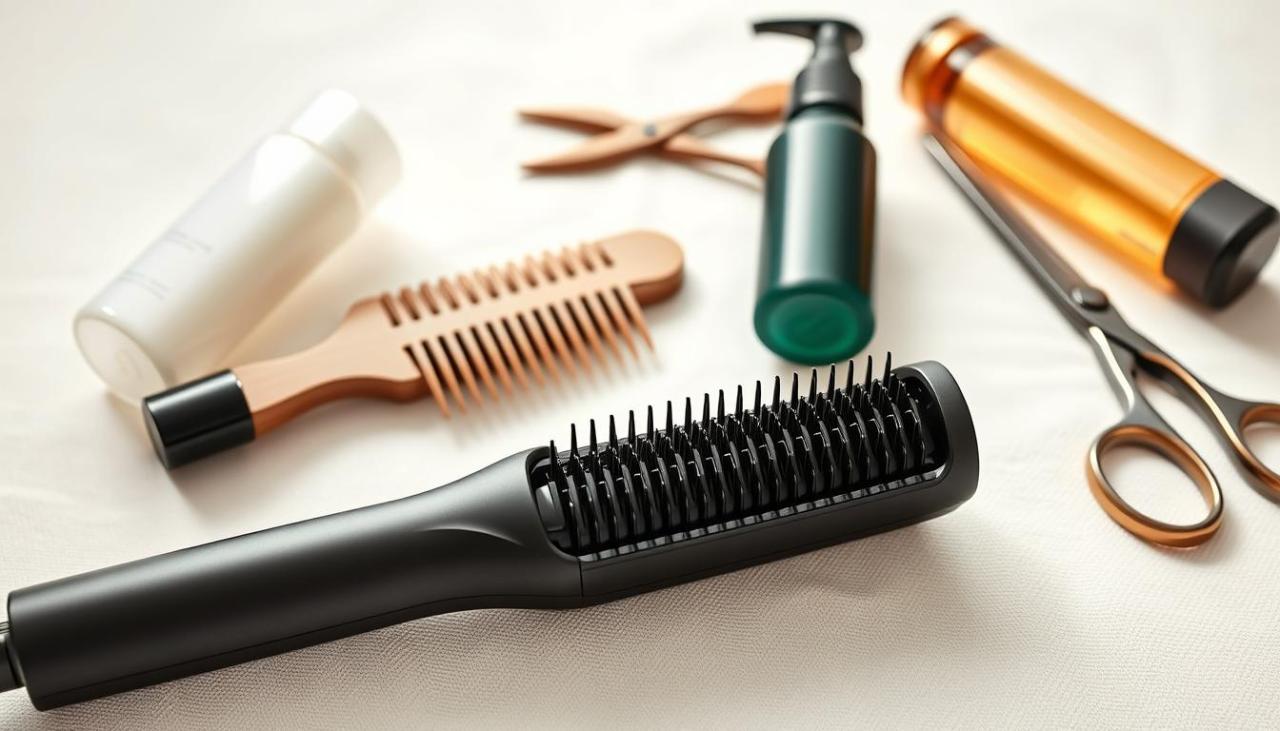
Understanding Different Hair Brush Types
Your hair care tools are key to your style. Choosing the right brush is crucial for your hair’s health. Following Hair Brush Instructions keeps your hair healthy every day.
Paddle Brushes
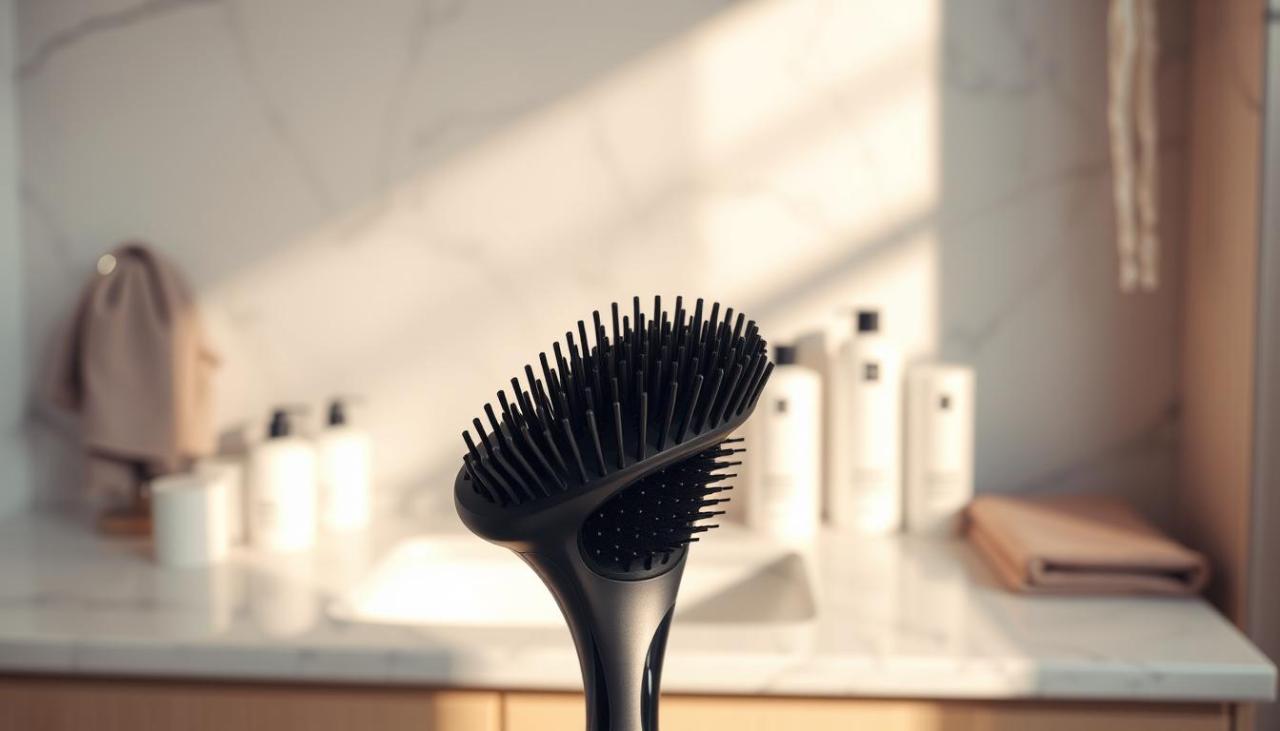
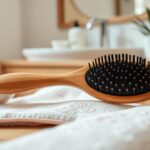
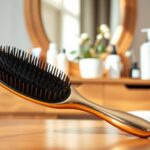
Paddle brushes are great for all hair types. Their wide base smooths long or thick hair fast. Use them daily to gently detangle and avoid scalp tension.
Round Brushes
Round brushes are perfect for a salon-quality blowout. They help add volume and smooth out waves. Make sure to pick the right barrel size for your hair length.
Vent Brushes
Vent brushes let air flow through, drying hair faster. They’re great for adding volume at the roots without too much heat.
Bristle Types
The type of bristles on your brush matters a lot. It affects how your hair looks and feels. Here’s what you need to know:
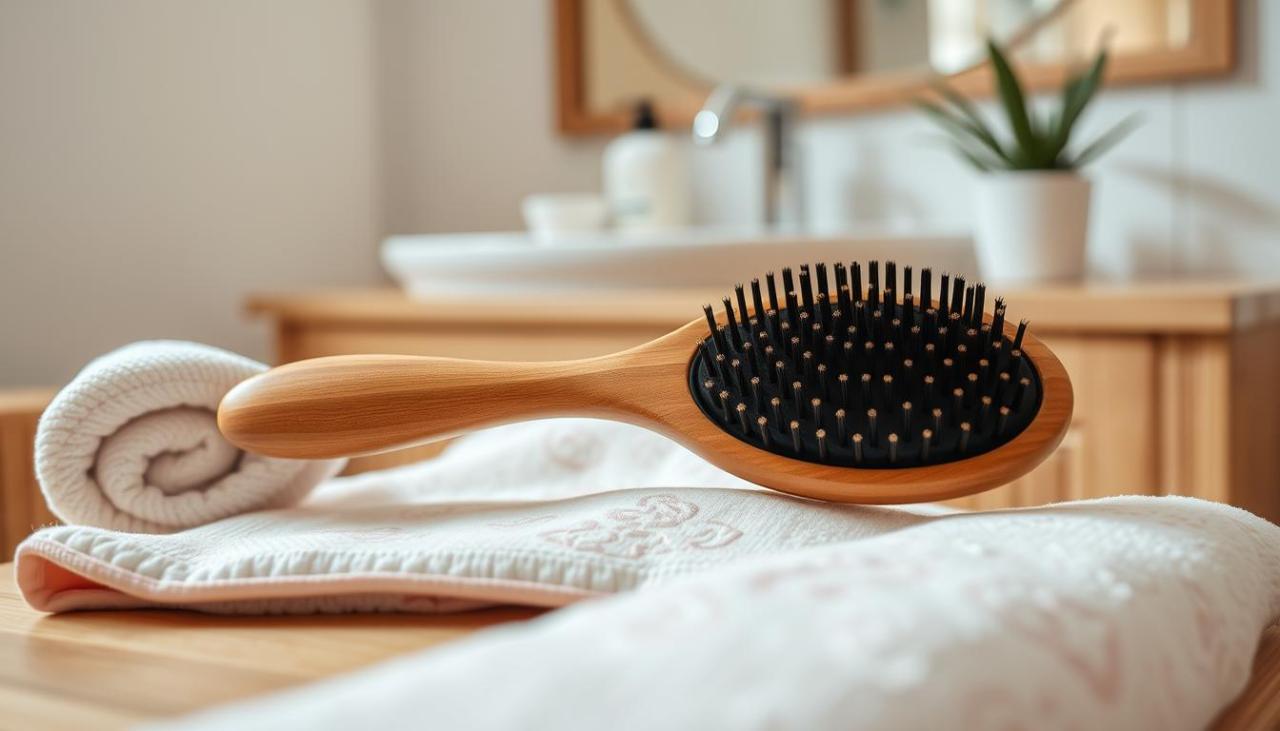
- Boar Bristles: These natural fibers spread your scalp’s oils, making your hair shiny.
- Nylon Bristles: Stiffer, they’re best for detangling thick or coarse hair.
- Mixed Bristles: Many brushes mix both for detangling and smoothing.
Choosing the right bristle type is important. It helps prevent damage and makes your hair easier to manage. Try different brushes to find what works best for you.
Preparing Your Hair for Brushing
Getting a smooth, tangle-free look begins before you even brush your hair. Taking a few extra moments to prep your hair is key. It helps prevent breakage and stress on your hair follicles. By following Proper Hair Brushing Methods, your hair stays healthy and vibrant every day.
Wet vs. Dry Hair
Choosing the right time to brush is crucial. We suggest brushing dry hair to avoid the fragility of wet strands. But, those with curly or textured hair might find detangling while damp with conditioner works best.
“Patience is the companion of wisdom, and in hair care, it is the secret to preserving the integrity of every strand.”
Detangling Products
Dealing with stubborn knots? A high-quality detangler can change everything. These products give your brush the slip it needs to move through hair without pulling. Apply a light leave-in conditioner or detangling spray to the mid-lengths and ends before brushing.
Using these products right is key to Proper Hair Brushing Methods. They protect your hair from split ends by reducing friction. Focus the product on tangle-prone areas for even coverage.
Sectioning Your Hair
For thick or long hair, trying to brush the whole head at once can lead to tangles. Divide your hair into smaller sections using clips. This lets you detangle one area at a time, starting from the ends and moving up.
- Divide hair into four equal quadrants.
- Secure each section with a soft, snag-free clip.
- Release one section at a time for thorough detangling.
This method is vital for keeping your hair healthy. It turns a frustrating task into a relaxing part of your routine. Consistency in your Proper Hair Brushing Methods leads to the best results for your hair type.
Proper Brushing Techniques for Different Hair Types
We think learning the best hair brush techniques is key to great hair at home. Mastering hair brushing means knowing your hair type is unique. Tailoring your brushing to your hair type keeps it healthy and shiny.
Straight Hair
Straight hair is easy to handle but needs care to avoid breakage. Use a paddle brush to smooth from roots to ends. This spreads your scalp’s oils, making your hair healthy and shiny.
Curly Hair
Curly hair is fragile and needs special care. Avoid dry brushing to prevent frizz and damage. Detangle curls when they’re wet with conditioner for smooth brushing.
Wavy Hair
Wavy hair needs a gentle touch. Avoid harsh detangling to protect your natural wave. Use a wide-tooth comb or a brush made for wavy hair to keep your waves defined.
By using these best hair brush techniques, you protect your hair. Mastering hair brushing respects your hair’s natural structure. It keeps your hair looking great every day.
Tips for Brushing Wet Hair Safely
When your hair is freshly washed, it’s at its most fragile. Water makes the hair shaft swell, making it more likely to get damaged. Using the right Hair Brush Tips can help keep your hair safe during this time.
Use the Right Brush
Regular brushes with tight bristles can snap wet hair. Instead, use a wide-toothed comb or a detangling brush made for wet hair. These tools gently work through tangles, which is crucial for our essential Hair Brush Tips.
“The secret to healthy hair is treating it like fine silk, even when it’s wet and weak.”
Gentle Techniques
Begin detangling at the hair’s ends. This method prevents small knots from becoming big tangles near the roots. Be patient and use slow, gentle strokes to avoid scalp pulling.
If you hit a tough knot, don’t force the comb. Apply some leave-in conditioner to help it slide through. This trick is one of the best Hair Brush Tips for avoiding breakage.
Drying Tips
Think about how you dry your hair before using a brush. Rubbing it with a cotton towel can cause frizz and split ends. Use a microfiber towel to gently remove excess moisture instead.
Let your hair air dry a bit before brushing. This reduces the stress on your hair. Making these small changes can make a big difference over time.
Brushing Your Hair: Step-by-Step Instructions
Learning the right way to brush your hair can make daily care a special ritual. Using the Best Hair Brush Techniques protects your hair from damage. A regular routine keeps your scalp healthy and your hair smooth.
Starting from the Ends
Begin brushing at the bottom of your hair. Brushing from the roots can push small knots into big ones. Focusing on the ends first helps clear minor snags before reaching the scalp.
Gradually Working Up
After smoothing the ends, move the brush up a few inches and brush again. Keep going until you can brush from roots to tips easily. This Step-by-step Hair Brush Guide helps you control the brush and avoid getting stuck.
Be Gentle with Tangles
If you hit a tough knot, stop and don’t pull on it. Use your fingers to gently work out the tangle before brushing again. Patience is key to avoid breakage and keep your hair healthy. Being gentle with your hair will make it stronger and healthier over time.
Common Hair Brushing Mistakes to Avoid
Many of us unknowingly damage our hair by repeating common brushing mistakes every single day. While we often focus on products, our physical technique plays a massive role in hair health. Following a proper Step-by-step Hair Brush Guide can help you avoid these hidden pitfalls and maintain stronger, shinier locks.
Over-Brushing
A popular myth suggests that brushing your hair one hundred times a day leads to extra shine. In reality, excessive brushing creates unnecessary friction that weakens the hair cuticle. This leads to split ends and premature breakage rather than the healthy glow you desire.
Using the Wrong Brush
Not every tool is designed for every hair texture. Using a dense bristle brush on thick, curly hair can cause significant frizz and mechanical damage. Always ensure your tool matches your specific hair needs to keep your strands intact and manageable.
Brushing Too Hard
We often treat our hair like a rug that needs aggressive scrubbing, but it is actually quite fragile. Brushing with too much force pulls hair from the root and snaps the shaft. If you find yourself struggling to get the brush through, stop and use a detangling spray instead of forcing the motion.
To help you visualize the impact of these habits, we have compiled a summary of common errors and their effects on your hair quality.
| Mistake | Primary Consequence | Recommended Fix |
|---|---|---|
| Over-Brushing | Cuticle damage | Limit to styling needs |
| Wrong Tool | Increased frizz | Match brush to texture |
| Excessive Force | Hair breakage | Use gentle, slow strokes |
| Dry Detangling | Split ends | Use detangler first |
By correcting these habits, you will notice a significant improvement in your hair’s overall appearance. Remember that consistency with a proper Step-by-step Hair Brush Guide is the key to long-term hair vitality.
Maintaining Your Hair Brushes
We often focus on shampoos and conditioners, but our brushes need regular care too. A clean brush is key for proper hair brushing methods. It stops oils, dead skin, and old product buildup. Without this care, hair can become dull and scalp irritation can occur.
Cleaning Your Brush
To keep your tools clean, remove trapped hair after each use. Use a wide-tooth comb or your fingers to do this. Every week, wash your brush in warm water with a bit of gentle shampoo.
Swirl the brush in the soapy water to get rid of dirt. Then, rinse it well. Make sure the brush is dry before using it again to avoid mold. Following these hair brush care instructions will keep your scalp and hair healthy.
Storing Your Brush
Storing your brushes right is as important as cleaning them. Keep them in a clean, dry place, not on a bathroom counter. This protects the bristles from dust and prevents damage.
Don’t store your brushes in humid places like a steamy shower. Moisture can harm wooden handles and weaken the bristles. A cool, dry spot is the best place for them to last longer.
Checking for Damage
Regular checks help you know when a brush needs to be replaced. Look at the bristles for fraying, melting, or missing parts. If the cushion of your paddle brush is cracked, it won’t work well for styling.
Also, check the handle for loose parts or cracks. Inspecting your tools helps prevent hair breakage. Replacing a damaged brush is a small price for your hair’s health.
When to Replace Your Hair Brush
Knowing when to replace your hair brush is key for healthy hair. We often focus on our styling products, but our tools matter too. Even with the right Hair Brushing Tutorial, a worn-out brush can damage your hair.
Signs of Wear and Tear
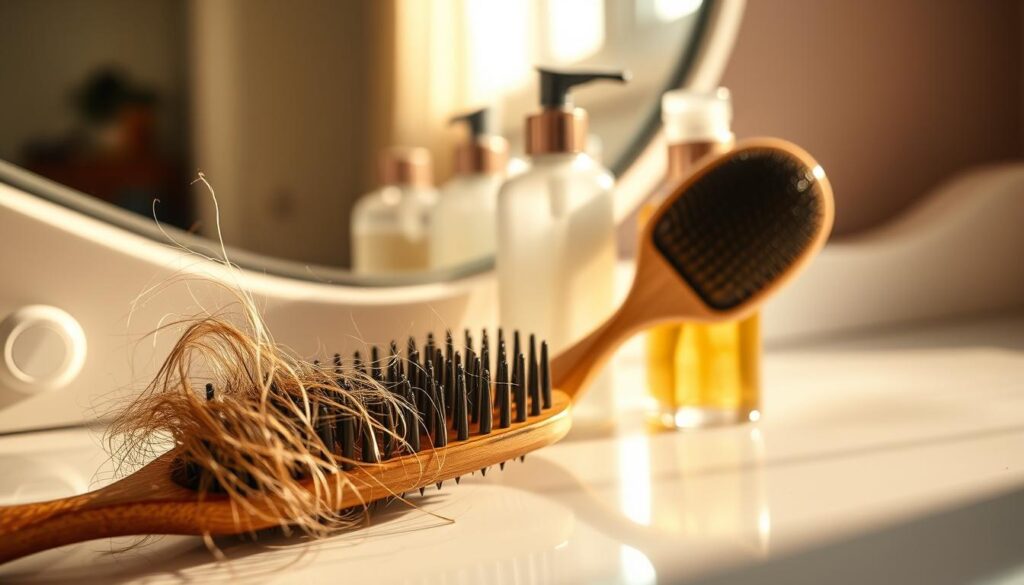
Check your brush often to keep it in good shape. Look for missing bristles, bent pins, or cracks in the handle. If the cushion is stiff or has lost its shape, it’s time for a new one.
Following Hair Brush Care Instructions helps your brush last longer. But, it can’t stop wear and tear. If your brush no longer glides smoothly, it’s time for a new one.
Choosing a New Brush
When picking a new brush, think about your hair type and styling needs. A good brush should feel right in your hand and offer the right tension. Our Hair Brushing Tutorial can help you choose the right one for your routine.
Look for brushes with smooth, rounded tips to avoid scalp irritation. A durable brush is a smart choice for your hair’s health. Make sure the materials are right for your hair type, as recommended by the manufacturer.
Eco-Friendly Options
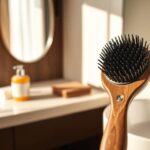
Many brands now offer eco-friendly brushes. Bamboo handles and natural rubber cushions are great for the planet. They’re also durable and feel luxurious.
When switching to eco-friendly brushes, keep them clean with your Hair Brush Care Instructions. Choosing sustainable options helps the planet and keeps your hair healthy. Look for certifications to ensure the materials are eco-friendly.
Frequency of Brushing: How Much is Too Much?
Brushing your hair regularly is key to keeping it strong and shiny. Finding the right balance is crucial for your hair’s health. Hair Brush Tips can help you know when to stop to avoid breakage.
Daily Brushing Guidelines
Experts say brushing your hair once or twice a day is enough. This helps spread natural oils down to the ends, making your hair naturally hydrated and shiny. Brushing too much can remove these oils or damage your hair.
“Healthy hair is a reflection of a consistent and gentle care routine, not the intensity of your brush strokes.”
Brushing During Styling
Brushing more often when styling can depend on your tools. Using a blow dryer might need more brushing to smooth your hair. But, always use a heat-resistant brush to avoid damage.
Use a wide-tooth comb or a detangling brush for styling. These Hair Brush Tips help your style last longer without harming your hair.
| Hair Type | Recommended Frequency | Best Tool |
|---|---|---|
| Fine/Straight | Twice Daily | Boar Bristle Brush |
| Curly/Coily | Only When Wet | Wide-Tooth Comb |
| Wavy | Once Daily | Paddle Brush |
Nighttime Routines
A gentle brushing at night helps remove tangles and debris. This prevents knots from getting tighter while you sleep, reducing breakage. Always brush slowly from the ends up.
By following these Hair Brush Tips, you protect your hair from damage. A calm, nightly routine prepares your hair for tomorrow and relaxes you.
Special Considerations for Hair Treatments
Mastering hair brushing is key when you add color or chemicals to your hair. Chemically treated hair has a raised cuticle, making it more likely to break. We need to change our daily routines to protect our hair.
Brushing After Hair Color
Coloring your hair can make it feel dry or porous. Gentle handling is crucial to keep the color bright and prevent breakage. Use a wide-tooth comb or a soft-bristled brush to avoid putting too much pressure on your hair.
Start brushing from the bottom and work your way up. This method helps avoid tangles and keeps your hair smooth. By mastering hair brushing, you keep your color vibrant and your hair healthy.
Brushing After Treatments
Chemical treatments like keratin smoothing or perms weaken your hair. It’s important to be gentle with your hair for a few days after treatment. Avoid harsh brushing to let your hair recover.
“The secret to maintaining chemically treated hair lies in the patience you show during your morning routine. Treat your hair like fine silk, and it will reward you with lasting shine and strength.”
Caring for Treated Hair
To keep your hair looking great, use products that help with detangling. Apply a leave-in conditioner or detangling spray before brushing. This makes mastering hair brushing easier, even on dry or brittle hair.
| Hair Condition | Recommended Tool | Brushing Frequency |
|---|---|---|
| Freshly Colored | Wide-tooth comb | Twice daily |
| Chemically Treated | Soft bristle brush | Once daily |
| Damaged/Brittle | Detangling brush | As needed only |
Remember to clean your hair tools often to avoid buildup. Clean brushes prevent old oils from damaging your hair. Regular care is essential for mastering hair brushing and keeping your hair healthy.
Hair Care Products to Use with Your Brush
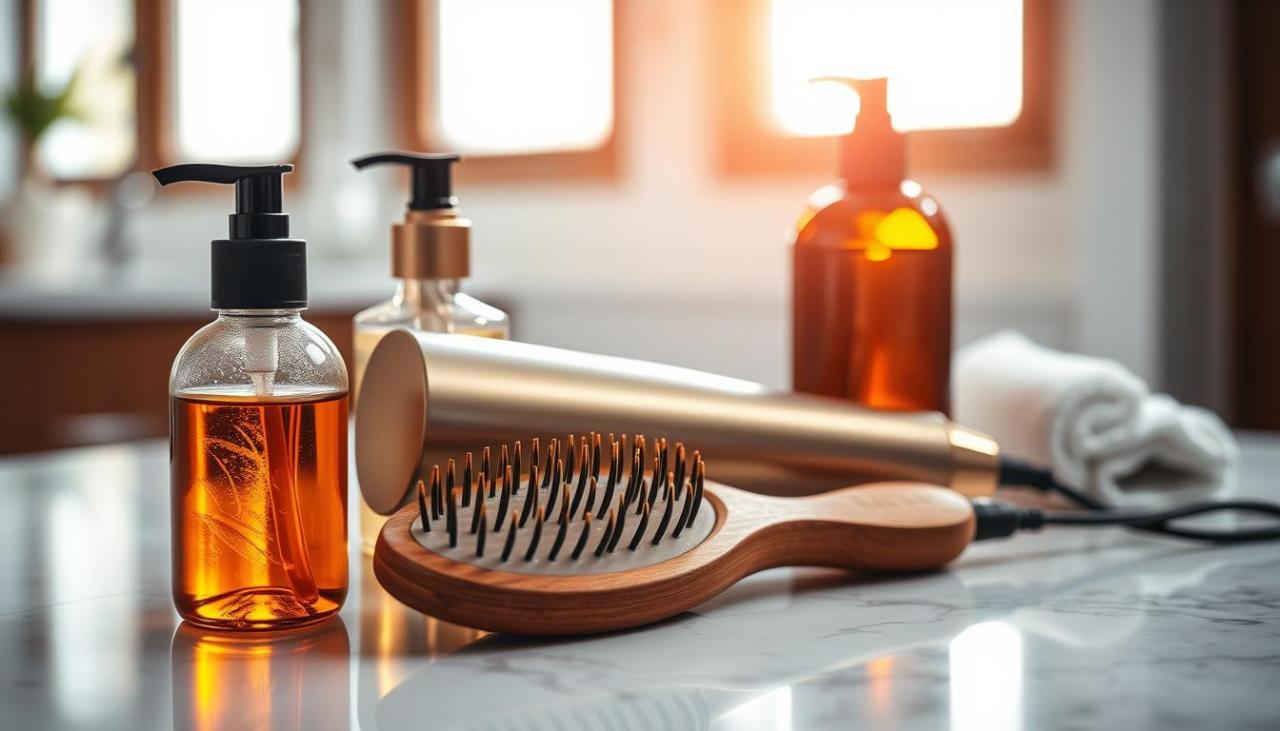
Getting healthy hair is more than just the right tool. Adding high-quality products to your daily routine changes how your hair responds to grooming. Use a best hair brush for hair repair to fix damaged hair with targeted formulas for the best results.
Detanglers and Conditioners
Using a leave-in conditioner or detangling spray helps your bristles move through knots smoothly. These products reduce friction and prevent hair breakage during brushing. Apply them to the mid-lengths and ends for the best results.
Serums for Shine
Lightweight serums add a protective layer that reflects light and reduces frizz. A small amount of argan oil or silicone-based serum helps distribute natural oils evenly. This simple step improves your style’s finish while keeping your hair healthy.
Heat Protectants
Always use a thermal protectant before styling with heated tools and your brush. This barrier protects your hair from high temperatures and prevents moisture loss. Mastering this Hair Brushing Tutorial means balancing your tools with the right chemical support for vibrant, strong hair.