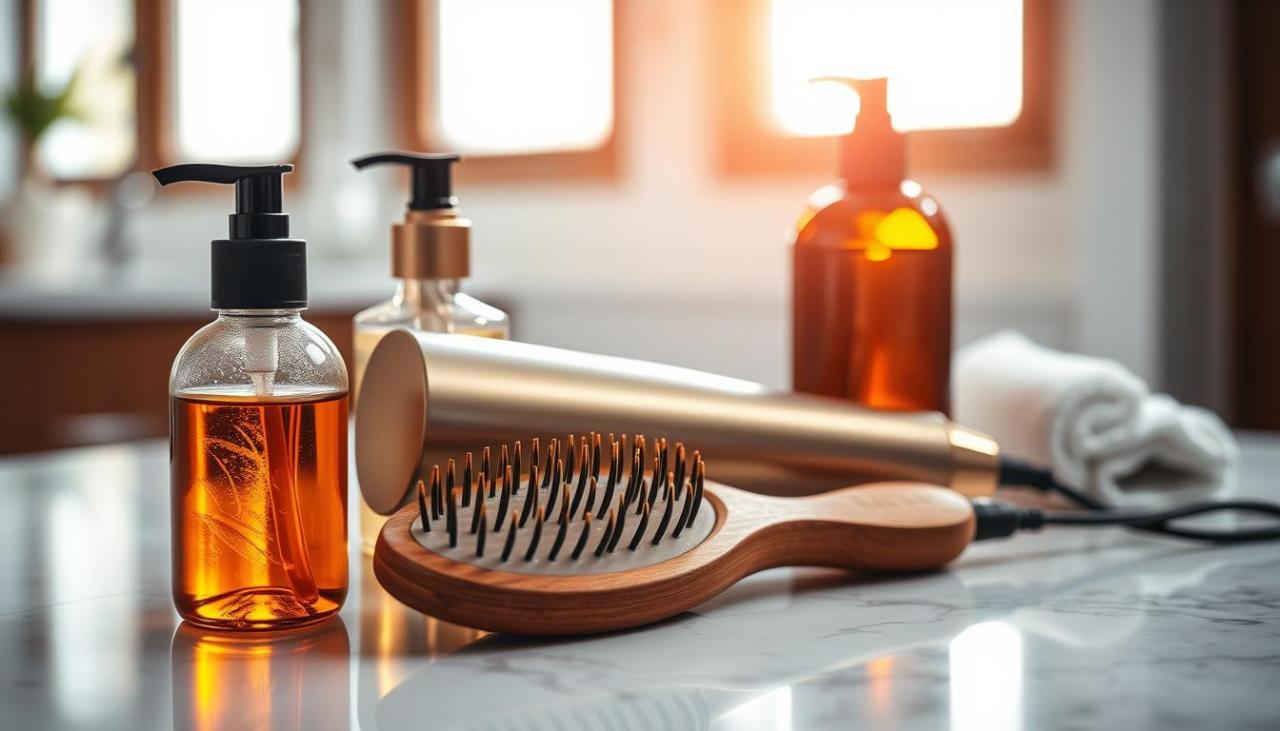
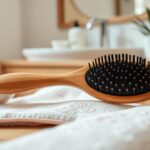
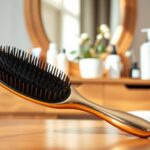
Did you know your hair brush can have more bacteria than a kitchen sponge? People often ignore these tools, but they pick up dead skin, oils, and product residue daily. Keeping your hair tools clean is key for scalp health and getting salon-quality hair at home.
We think regular care is crucial for any routine. By using our Hair Brush Cleaning Tips, you can make your favorite tools last longer. Clean tools mean healthy, shiny hair. We want to share a simple guide that’s easy for everyone to follow.
Key Takeaways
- Prioritize hygiene to prevent scalp irritation and buildup.
- Remove loose strands after every single use.
- Deep wash your tools at least once every two weeks.
- Use gentle soap to protect delicate bristles from damage.
- Ensure items are completely dry before storing them away.
Importance of Keeping Your Hair Brushes Clean
Keeping your hair brush hygiene up is key to getting salon-quality hair at home. We often focus on our hair products but forget about our brushes. Regularly cleaning your hair brush helps prevent scalp stress and buildup.
Benefits of Clean Brushes for Hair Health
Every brush stroke collects oils, dead skin, and pollutants. If not cleaned, these go back onto your hair, making it look dull and greasy. This can happen even after washing.
A dirty brush can also spread bacteria, causing scalp irritation. By focusing on hair brush hygiene, you keep your scalp healthy. A clean brush is essential for vibrant hair.
Impact on Styling Products Performance
Styling products like mousses and gels need a clean brush to work well. A dirty brush can’t spread products evenly. This leads to uneven hair, with some parts weighed down and others dry.
Learning how to clean hair brush helps your styling products work better. A clean brush ensures even distribution, making styling easier. Here’s why keeping your tools clean is crucial.
| Feature | Dirty Brush | Clean Brush |
|---|---|---|
| Product Distribution | Uneven and clumpy | Smooth and consistent |
| Scalp Health | Risk of irritation | Promotes healthy skin |
| Hair Appearance | Dull and greasy | Shiny and vibrant |
| Tool Longevity | Bristles degrade faster | Extended lifespan |
Different Types of Hair Brushes
Choosing the right hair brush is important. It should match the material of your hair. Knowing what your brushes are made of is critical to avoid damage. This way, your brushes will last longer and work better.
Natural Bristle Brushes
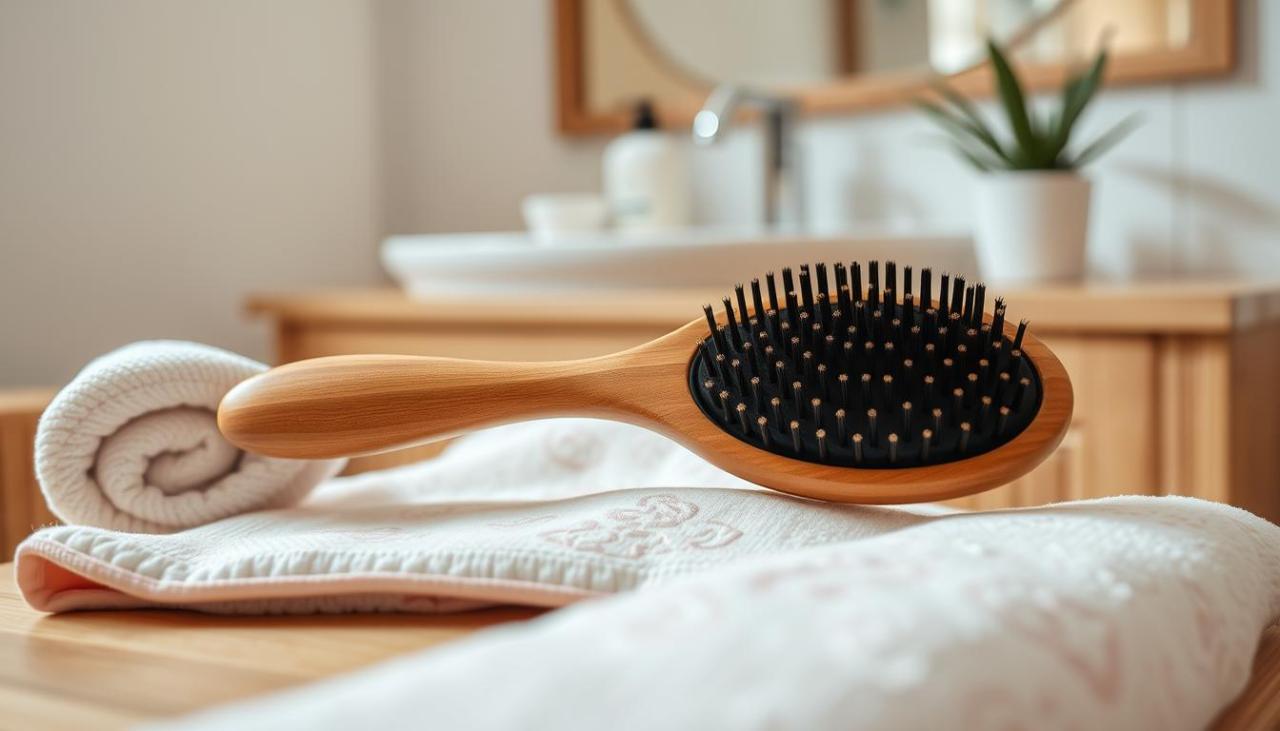
Natural bristle brushes, like those from boar hair, spread scalp oils well. They are exceptionally delicate because they are organic and absorb oils and debris. So, they need a gentle cleaning touch.
Don’t soak these brushes too much. Too much water can harm the wooden handles or weaken the fibers. Use a mild shampoo and a soft brush to clean them gently.
Synthetic Bristle Brushes
Synthetic brushes, made from nylon or plastic, are very durable. They can handle a lot of use and are easy to clean. Since they don’t absorb water, you can clean them more thoroughly.
- They are resistant to most cleaning solutions.
- They dry quickly after a deep wash.
- They are ideal for detangling wet hair without breakage.
Specialized Brushes for Hair Types
The design of your brush affects how much hair and product it collects. Whether you use a wide-paddle brush for smoothing or a round brush for volume, each has its own cleaning needs. Here’s how different brushes fit into your hair care routine:
| Brush Type | Primary Use | Cleaning Difficulty |
|---|---|---|
| Paddle Brush | Smoothing and detangling | Moderate |
| Round Brush | Blowouts and styling | High |
| Vent Brush | Quick drying | Low |
Knowing your tools helps you choose the right cleaning method. Tailoring your cleaning to your brush’s material and shape keeps it in good condition. Consistency is key to maintaining your styling tools’ effectiveness.
Frequency of Cleaning Your Hair Brushes
Keeping your hair brush hygiene up is key. If we don’t clean our brushes, we spread old oils, dead skin, and product buildup on our hair. A regular cleaning routine helps keep your scalp healthy and free from unwanted stuff.
How Often Should You Clean Them?
For most, cleaning your brushes every two weeks is a good start. If you use a lot of styling products, you might need to clean them weekly. These products leave a sticky film that catches dust and dirt quickly.
“Clean tools are the foundation of a healthy hair care routine; never underestimate the power of a fresh brush.”
Here’s a quick guide to help you figure out when to clean your brushes based on how often you use them.
| Usage Level | Product Frequency | Cleaning Schedule |
|---|---|---|
| Minimal | Rarely | Once a month |
| Moderate | Occasional | Every two weeks |
| High | Daily | Once a week |
Signs Your Brush Needs Cleaning Soon
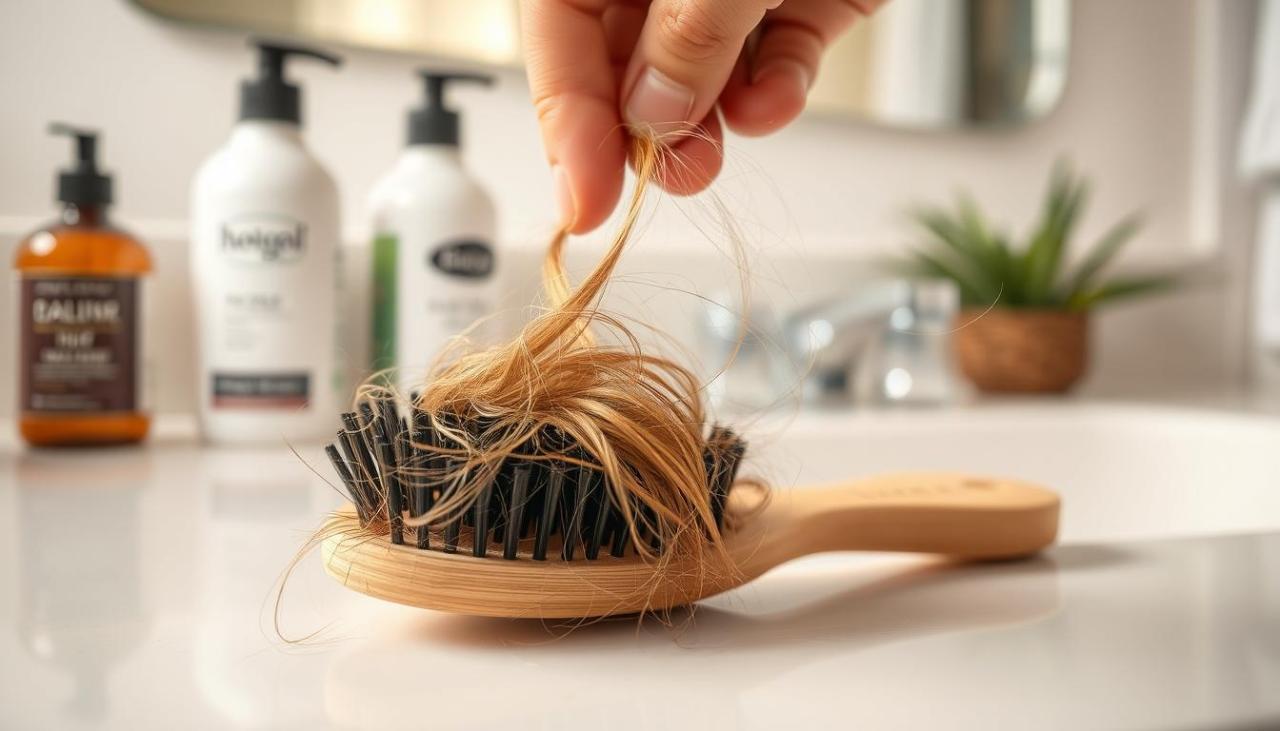
Your brush might show you it’s time for a clean before you even think about it. Look out for lint, hair clumps, or a greasy texture on the bristles. These signs mean your brush is not spreading your scalp oils well.
A bad smell from your brush is another clear sign. Keeping your hair brush hygiene up prevents bacteria buildup. When you notice these signs, it’s time for a deep clean to keep your hair looking great.
Tools You’ll Need for Cleaning Hair Brushes
Starting with the right tools for cleaning hair tools is key. Having everything ready before you begin makes the job easier and faster. You won’t get stuck searching for items while your brushes soak.
Essential Cleaning Supplies
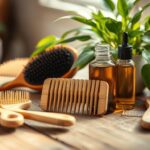
You don’t need fancy or harsh chemicals to clean your brushes well. Most things you need are probably in your bathroom already. Here are the basics to keep your brushes clean and working well:
- Mild shampoo or gentle liquid soap.
- A clean, medium-sized bowl for soaking.
- Warm water to help break down oils and product buildup.
- A clean towel for drying.
“Regular maintenance is the secret to longevity for your hair care accessories, ensuring that every stroke is as clean as the first.”
Optional Tools for Deep Cleaning
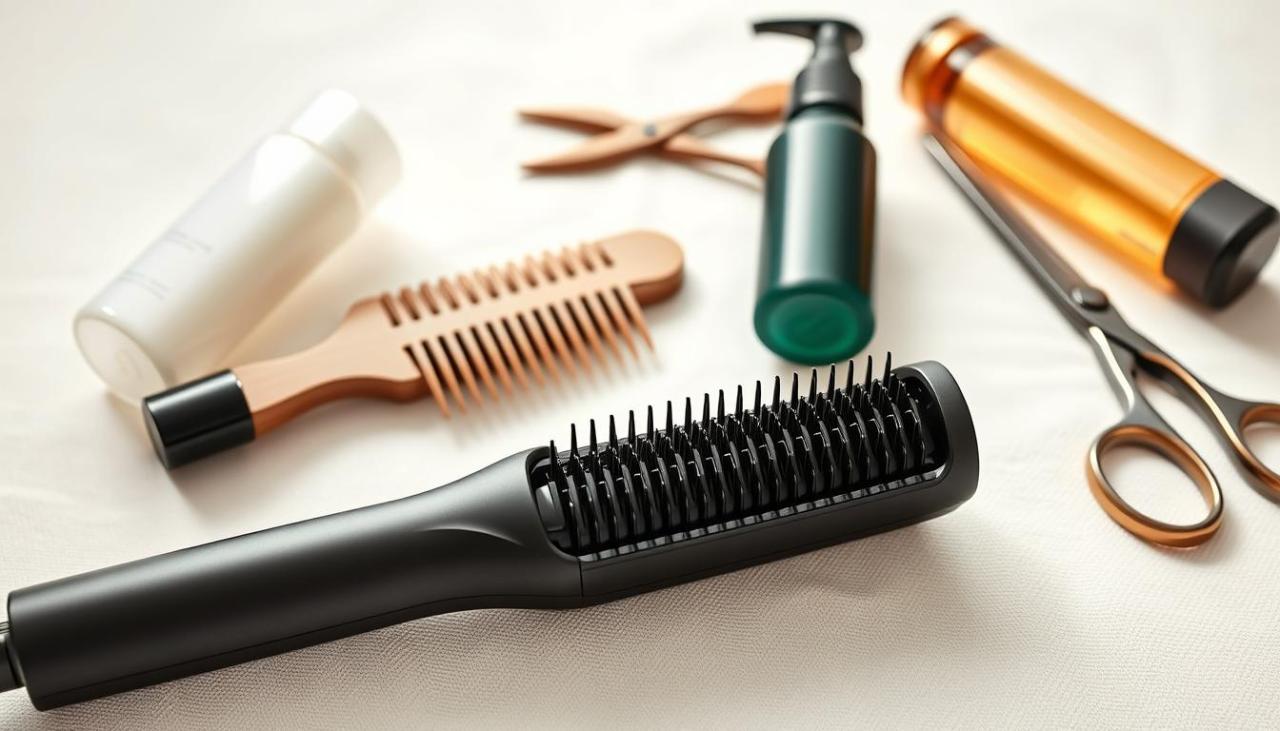
For brushes with thick bristles or lots of buildup, just washing might not do. Specialized cleaning hair tools can get deep into the bristles to remove tough dirt. These tools are great for keeping your brushes in good shape for longer.
Adding these items to your cleaning kit can make a big difference:
- Brush rakes designed to pull out trapped hair.
- Small combs to lift away lint and dust.
- An old toothbrush for scrubbing the base of the brush.
For more tips on cleaning hair brushes and keeping your space tidy, check out expert advice. Having these tools ready means you can do a deep clean without interruptions. Regular cleaning is essential for healthy hair and tools that look new.
Step-by-Step Guide to Cleaning Hair Brushes
We often forget to clean our hair brushes. But learning how to clean a hair brush can change your hair care routine. A clean brush means no old oils or dust on your hair. By cleaning it right, your brushes last longer.
Removing Hair from Your Brush
The first step is to remove hair from your brush. Strands get stuck over time, holding dirt and bacteria.
Use a brush cleaner tool, a rat-tail comb, or your fingers to get the hair out. Start at the base and work up to clear all debris.
Soaking and Disinfecting Your Brush
After removing hair, sanitize the bristles. The best way to clean a hair brush is to soak it in warm water with mild shampoo.
Soak the bristles but keep the handle and cushion dry. This stops water damage and bad smells.
Rinsing and Drying Techniques
Rinse the brush well under cool water to get rid of soap. Shake it to remove extra water from the bristles.
Put the brush face down on a towel to dry. This way, water drains and prevents mold.
| Step | Action | Goal |
|---|---|---|
| 1 | Physical Removal | Clear trapped hair |
| 2 | Gentle Soak | Sanitize bristles |
| 3 | Thorough Rinse | Remove soap residue |
| 4 | Air Drying | Prevent mold growth |
Cleaning Brushes with Natural Ingredients
You can sanitize your hair tools with items from your kitchen. Many find the best way to clean hair brush is with gentle, household items. These methods are affordable and good for the environment.
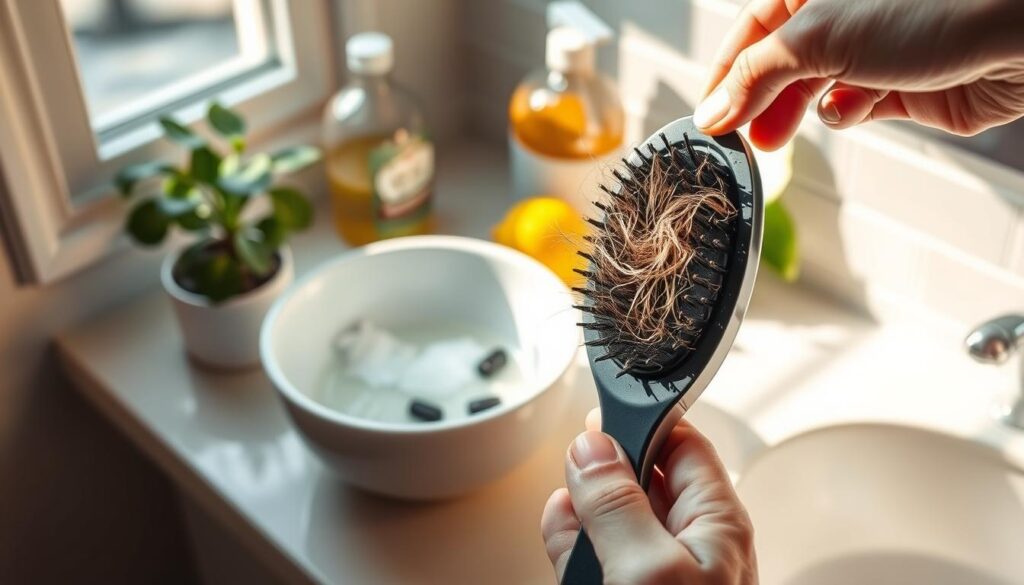
Using Vinegar and Water Solution
A mix of white vinegar and water is a great disinfectant for grooming tools. Vinegar cuts through grease and residue on bristles. To make it, mix equal parts warm water and white vinegar in a bowl.
Soak your brush in the solution for ten to fifteen minutes. This kills bacteria and removes buildup without harming the brush. It’s the best way to clean hair brush surfaces safely.
Baking Soda for Stubborn Buildup
For stubborn grime, baking soda is your go-to. It’s a gentle abrasive that removes hard styling products. Mix a small amount of baking soda with water to make a paste.
Use an old toothbrush to apply the paste to the bristles and base. Scrub where buildup is most visible for a deep clean. Using these simple ingredients keeps your tools fresh and clean.
Avoiding Damage While Cleaning Hair Brushes
When you choose to clean hair brush at home, safety is key. Many high-end tools have delicate parts that need care. A few simple steps can keep your favorite tools working well for years.
Tips for Preserving Brush Bristles
Natural bristles, like boar hair, are very sensitive. Use only mild shampoos or gentle cleansers to keep them healthy. Always be gentle when removing debris to prevent damage.
For special brushes, use a soft-bristled toothbrush to clean between bristles. This way, you can clean hair brush at home without hurting it. Make sure the bristles dry straight to keep them effective.
Avoiding Excess Moisture
Water can harm many hair brushes, like those with wooden handles. Water can cause warping, cracking, or mold. Instead, clean the handle with a damp cloth.
Always dry your brush completely before storing it. A damp brush can cause damage over time. Lay the brush flat with bristles down on a towel to dry properly.
Alternatives to Conventional Cleaning Solutions
Exploring new ways to clean hair tools can make your routine better and kinder to the planet. Basic soap and water are good for light cleaning. But, for tough grime, you might need something more.
Looking into specialized cleaners can really help your favorite brushes last longer.
Eco-Friendly Cleaning Options
For a green beauty routine, many biodegradable cleaners are out there. These products are gentle on the environment but tough on dirt and oils. They use plant-based surfactants, avoiding harsh chemicals.
These eco-friendly cleaners often come in concentrated forms. A little goes a long way. They’re great for avoiding synthetic fragrances or dyes. Choosing these options helps the planet and keeps your grooming kit in great shape.
Commercial Brush Cleaners Worth Trying
Heavy styling products like waxes, gels, or hairsprays can be tough on standard cleaners. That’s where professional-grade solutions shine. They quickly dissolve thick buildup, saving you time and effort.
Look for products with these benefits:
- Fast-acting enzymes that break down protein-based styling residue.
- Non-corrosive ingredients that protect your brush bristles.
- Quick-rinse technology to remove any slippery film.
Whether you pick a natural, biodegradable soap or a commercial spray, the goal is the same. Regular care keeps hair healthy. By using different cleaning hair tools, your brushes stay fresh and ready for use.
What to Do with Old or Damaged Brushes
Knowing when to replace your hair brush is key. Even with regular cleaning, brushes wear out. Spotting wear helps keep your hair healthy.
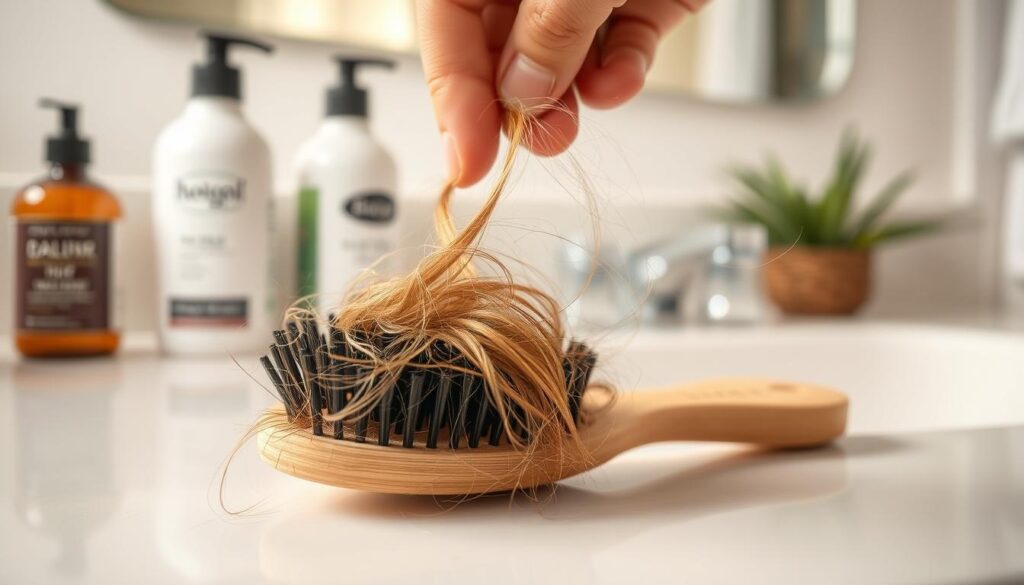
When to Replace Your Hair Brushes
Check your tools often to see if they work well. Look out for these signs to know it’s time for a new brush:
- Missing or bent bristles: These can damage your hair.
- Cracked or warped handles: A broken handle makes styling hard.
- Worn-out cushions: A dry or stiff cushion hurts your scalp.
Don’t wait until your brush breaks. A bad brush can cause hair damage and scalp problems, even if you clean it well.
Creative Ways to Upcycle Old Brushes
Don’t throw away old brushes. They can be useful for cleaning tasks that need some elbow grease.
Here are some ways to reuse your old brushes:
- Detail cleaning: Use stiff bristles for grout, keyboards, or hard spots in the bathroom.
- Craft projects: Old brushes are great for applying textured paint or glue in DIY projects.
- Shoe maintenance: A clean brush is perfect for buffing leather shoes or cleaning sneakers.
By reusing these items, you cut down on waste and keep your space tidy. Make sure to clean the brushes before using them again to keep them hygienic.
Maintaining Brush Cleanliness After Cleaning
Keeping your hair brush clean is a daily task. It makes your hair care routine smooth. By adding small habits to your day, your tools last longer and your hair stays healthy.
Regular Maintenance Tips
Removing loose hair after each use is key. Hair at the base traps oils and products, which can harm your clean hair.
Use a brush cleaner or your fingers to clean the bristles every day. This simple step keeps debris from getting stuck in the brush.
“Consistency is the key to hygiene; a few seconds spent cleaning your brush today saves you minutes of scrubbing tomorrow.”
Storing Your Brushes Properly
Where you store your brushes matters a lot. Keep them in a dry, clean place to avoid dust and dirt.
- Don’t leave brushes in humid places like bathrooms, as moisture can damage wooden handles.
- Use a special drawer or a clean organizer to protect the bristles.
- Store brushes bristle-side up to keep them in good shape.
Proper storage is crucial for hair brush maintenance. It keeps your tools ready and reduces the need for deep cleaning.
Common Mistakes to Avoid When Cleaning Brushes
Many of us accidentally damage our brushes while cleaning them. Proper hair brush maintenance is key to keeping them clean and effective. By avoiding common mistakes, you can make your brushes last longer.
Over-Soaking Brushes
One big mistake is soaking brushes with rubber cushions in water too long. Water can get trapped in the brush, leading to mold and bacteria. This can harm your scalp.
To avoid this, clean these brushes quickly and lightly. Never soak them in water. For more tips on caring for your tools, check out these storage tips to extend electric hair brushes.
Using Harsh Chemicals
Some people use strong cleaners to sanitize their brushes. But this can damage the handles and bristles. Harsh chemicals can also make the brushes less effective.
It’s better to use mild soaps or natural cleaners. This gentle approach helps keep your brushes in good condition. It’s the safest way to avoid damaging them.
Conclusion: Keep Your Hair Brushes Fresh and Clean
Keeping your grooming tools clean is key to healthy hair. We think small habits can make a big difference for your scalp and hair.
Summary of Essential Practices
Good hair brush cleaning is about being consistent, not hard. Wipe off loose hair after each use to avoid oil buildup. This keeps your tools in top shape for styling.
Use mild soap or vinegar to clean your brushes. This way, you protect your favorite brushes like Mason Pearson or Denman.
Building a Sustainable Habit
Make these cleaning tasks a part of your weekly routine. A clean brush helps distribute products better and keeps your hair shiny. Start using these tips today for better hair care at home.
Your hair is worth the best care, and clean tools are the first step. Take care of your hair and tools for long-lasting benefits.