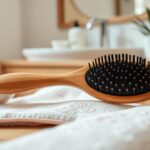
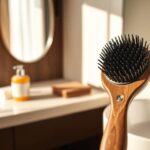
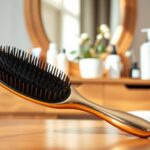
Did you know your hair brush can have more bacteria than a kitchen sponge? It’s a shocking fact many ignore in their daily routines. These tools can become a breeding ground for bacteria, dust, and product residue over time.
Ignoring your tools can lead to oil and dead skin buildup. This can harm your scalp health. We think that proper care is key to lasting results. By focusing on consistent Hair Brush Maintenance, your tools will stay in top shape for years.
Clean tools are crucial for a good grooming routine. Join us as we guide you through Hair Brush Maintenance. Keep your scalp feeling fresh and revitalized every day.
Key Takeaways
- Grooming tools often collect more bacteria than common household items.
- Regular cleaning prevents the accumulation of oils and dead skin.
- Neglected tools can hinder your overall scalp health.
- Consistent care extends the lifespan of your favorite accessories.
- Clean equipment is the foundation of a successful beauty routine.
Understanding the Importance of Hair Brush Maintenance
Your hairbrush might be holding more than just hair. We often overlook the tool we use to apply hair products. Keeping your Hair Brush Maintenance up is key for healthy, beautiful hair.
Why Clean Brushes Matter
Every brush stroke picks up dead skin, dust, and styling residue. These build up and attract bacteria. Clean brushes prevent reapplying yesterday’s dirt to your scalp.
Impact on Hair Health
Dirty brushes can irritate your scalp and make your hair smell bad. They block hair follicles with old oils and products. This harms your scalp health and makes your hair look dull or oily. Clean tools are crucial for a good hair care routine.
How Often to Clean Your Brush
It’s important to clean your brushes regularly. Don’t wait until they look dirty. Here are some hair brush care tips for a healthy scalp:
- Monthly Cleaning: The bare minimum for a standard brush.
- Bi-Weekly Cleaning: Best for those who use styling products every day.
- Immediate Action: Clean your brush right away if you see dust or clumps.
| Condition | Impact on Scalp | Hair Appearance |
|---|---|---|
| Dirty Brush | High irritation risk | Dull and greasy |
| Regularly Cleaned | Balanced and healthy | Shiny and vibrant |
| Sanitized | Optimal hygiene | Clean and refreshed |
Types of Hair Brushes and Their Care
Not all hair brushes are the same, and they need different cleaning methods. When we talk about maintaining hair brushes, we must think about the materials they’re made of. Using the wrong cleaning method can harm delicate bristles or damage your favorite tool.
Bristle Brushes
Boar bristle brushes are loved for pulling sebum down the hair shaft. This natural process helps distribute oils evenly, giving your hair a healthy shine. Because these bristles are porous, they need gentle care and shouldn’t be soaked for too long to avoid damage.
Paddle Brushes
Paddle brushes have synthetic bristles in a rubber or cushioned base. Caring for your hair brush in this category means making sure water doesn’t get trapped inside the cushion. If water stays inside, it can cause mold, so always squeeze the cushion gently after washing.
Round Brushes
Round brushes are key for styling but can get clogged with hair and product. To keep them working well, remove hair from the base of the bristles often. Regular maintenance helps the heat-resistant materials work well during blow-drying.
Specialized Brushes
Specialized tools, like vented brushes or detanglers, need special care. These brushes have wider gaps between bristles, making them easy to clean with a comb. Properly caring for your hair brush ensures these designs can move through your hair without causing breakage.
“The longevity of your hair tools is directly proportional to the care you invest in them. A clean brush is the foundation of a healthy hair care regimen.”
| Brush Type | Primary Material | Cleaning Frequency | Best Cleaning Method |
|---|---|---|---|
| Boar Bristle | Natural Fiber | Weekly | Dry brush & light rinse |
| Paddle | Synthetic/Rubber | Bi-weekly | Soap & water wash |
| Round | Ceramic/Metal | Weekly | Comb removal & wipe |
| Vented | Plastic | Monthly | Soak & scrub |
Knowing these differences can make your tools last longer. We suggest creating a routine for maintaining hair brushes that fits your collection. This simple habit keeps your hair looking great every day.
Essential Tools for Effective Cleaning
Having the right tools makes cleaning your hair tools quick and easy. A dedicated kit helps you learn brush cleaning techniques well. This way, you always keep your tools in great shape.
Comb and Brush Cleaner
A special tool is key for removing hair and dirt from brushes. The Olivia Garden Brush Cleaner is a top choice. It’s made from recycled materials and works on all brush types.
Soap and Water
Household items are great for a deep clean. Mix warm water with mild shampoo or dish soap. This combo breaks down oils and residue well.
- Fill a basin with warm water.
- Add a small amount of mild soap.
- Gently agitate the brush in the solution to lift away grime.
Disinfectant Spray
For extra protection, use a disinfectant spray. It kills microbes on the bristles and handle. Make sure the spray is safe for your brush’s material to avoid damage.
Step-by-Step Guide to Cleaning Your Hair Brush
Learning the right brush cleaning techniques is key to healthier, shinier hair. Just a few minutes of cleaning keeps your scalp free from oils and old products.
Removing Hair Strands
The first step is to remove hair from the brush’s base. Use tweezers or a comb’s pointed end to gently pull out these strands.
Make sure to clean around the entire base. This step helps avoid unnecessary tension on your scalp during styling.
Washing the Brush
After removing hair, it’s time to sanitize the brush. Use a small amount of mild shampoo or soap mixed with warm water.
Dip the brush in the soapy water and scrub the bristles with your fingers or a cloth. This removes oils and styling products that dull your hair.
Drying the Brush
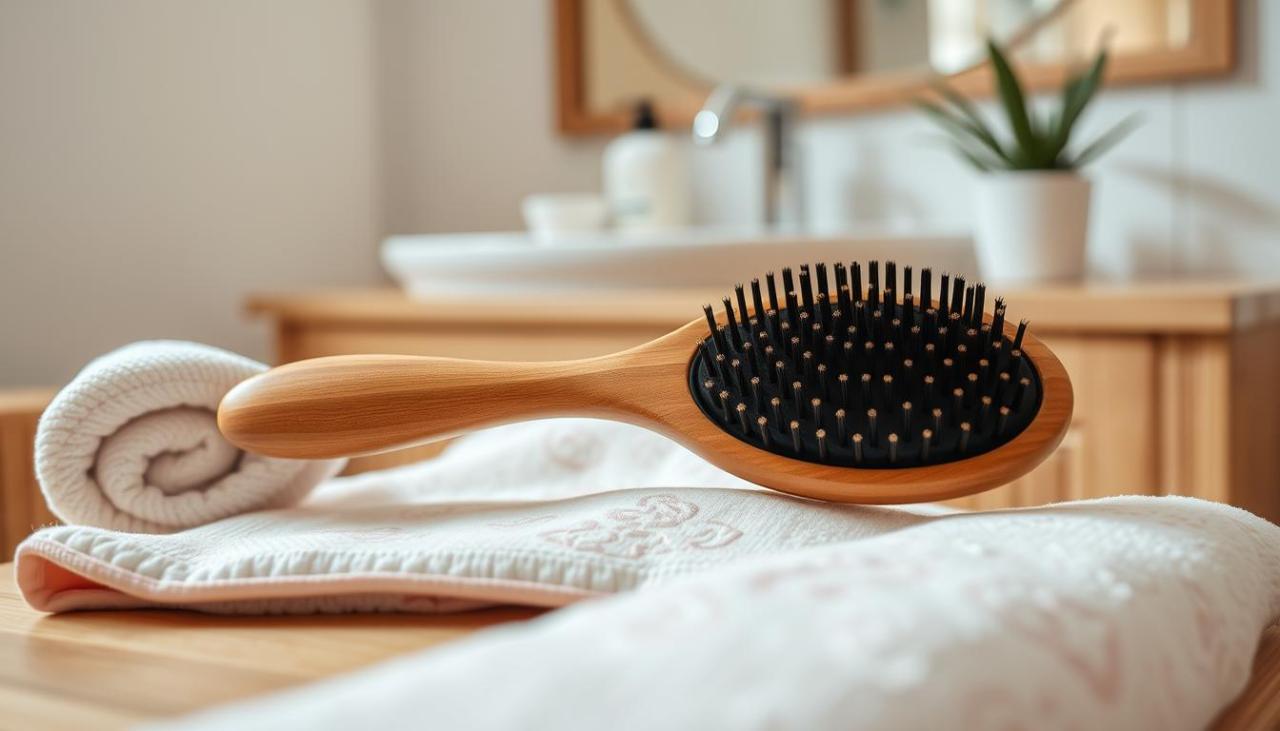
Drying the brush correctly is crucial for its longevity. Shake off excess water and lay the brush face down on a clean towel to air dry.
This method prevents moisture from causing mold or handle damage. By following this hair brush cleaning guide, your tools stay clean and ready for use.
Deep Cleaning Techniques for Stubborn Build-Up
When your hair tools look dull and grimy, it’s time for advanced brush cleaning techniques. Styling creams, oils, and hairsprays leave a tough film. These methods help get your tools back to their best.
Soaking Method
The soaking method works well for plastic or synthetic brushes with heavy buildup. Fill a basin with warm water and a bit of clarifying shampoo. Soak the brush head for about ten minutes to break down the dirt.
Be careful with brushes made of natural wood or bamboo. Don’t soak them for too long, as water can damage the handle or crack the finish. Always check the manufacturer’s label before soaking.
Baking Soda Solution
For thick, waxy buildup, a baking soda solution is the best choice. Mix four to five tablespoons of baking soda with one liter of warm water until it’s dissolved. This mixture gently removes grime without harming the bristles.
Dip your brush in the solution and let it sit for a few minutes. Use an old toothbrush to scrub between the bristles if needed. Rinse well with cool water to remove all residue.
Vinegar Rinse
Our hair brush cleaning guide suggests a vinegar rinse for odors and mineral deposits. Mix one part white vinegar with two parts warm water in a clean bowl. The vinegar’s acidity is great for breaking down styling product residue.
Swish the brush in the liquid for a few minutes, then rinse under running water. This step makes your tools feel fresh and clean. Always let your brushes air dry with the bristles down to prevent moisture buildup.
Tips for Preventing Hair Build-Up
Keeping your styling tools clean is key to their longevity. By stopping debris from building up, you prevent dirt and oils from getting back into your hair. Follow these hair brush care tips to keep your tools clean and useful.
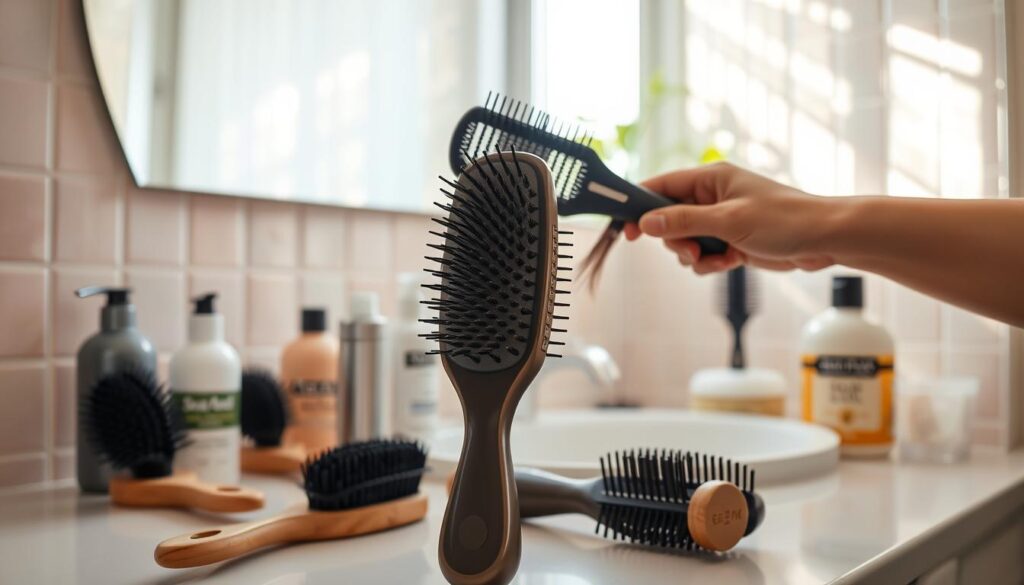
Regular Use of a Comb
Removing loose hair after each use is a simple way to stay clean. Trapped hair in the bristles catches dust and styling residue. Use a small comb to remove hair daily, preventing matting and oil buildup.
Choosing the Right Brush
Caring for your hair brush starts with picking the right one for your hair. The wrong brush can cause breakage and buildup. A matching brush moves smoothly through your hair, reducing the need for styling products.
Limiting Product Use
Styling creams, gels, and hairsprays can make your brushes sticky. Apply these products to the mid-lengths and ends, not the roots. This helps reduce residue on your brush during daily use.
| Habit | Frequency | Primary Benefit |
|---|---|---|
| Remove loose hair | Daily | Prevents matting |
| Check for residue | Weekly | Reduces oil buildup |
| Deep clean | Monthly | Ensures sanitation |
Storage Tips for Keeping Brushes Clean
Keeping your brushes in top shape is more than just washing them sometimes. It’s about smart storage habits. Many people forget how important the place where their tools live is. By following hair brush care tips, your tools stay clean and ready for styling every day.
Where to Store Your Brushes
The best spot for your hair tools is a cool, dry place, away from sunlight. Store them in a drawer or a vanity organizer, not on a countertop. This keeps dust and particles off your scalp.
“Cleanliness is the foundation of beauty, and that includes the tools you use to style your hair every single day.”
Using Covers or Cases
Protective covers or cases are great for travel or a tidy vanity. They keep your tools safe from dirt. If you don’t have a case, a clean fabric pouch works well for maintaining hair brushes on the move.
Avoiding Moist Environments
Don’t store your brushes in the bathroom, where it’s too humid. Moisture can cause mold and bacteria, harming your hair. Always dry your brushes completely before storing them.
For boar bristle brushes, lay them face down on a towel to dry. This lets air get through the bristles. By following these tips, you’ll keep your tools in great shape for years.
Understanding When to Replace Your Hair Brush
Keeping your hair brush clean is key. Even with good care, brushes wear out over time. Knowing when to replace them keeps your hair healthy and easy to manage.
Signs It’s Time for a New Brush
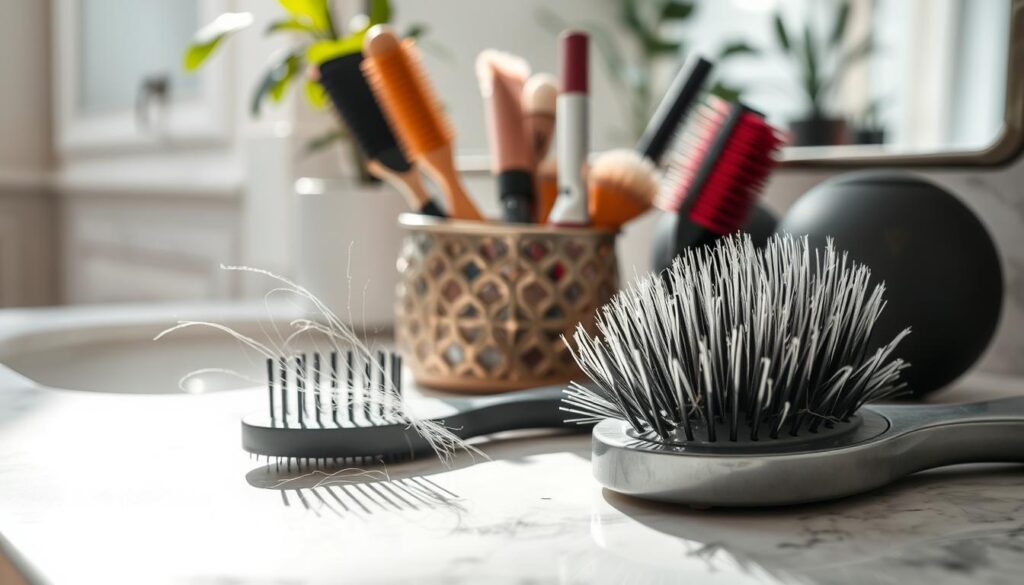
Check your brushes often for damage. Look for missing or bent bristles, which can harm your scalp or break your hair. A cracked or warped base means the brush is broken.
If your brush smells bad and won’t clean up, it’s time for a new one. This smell usually means bacteria or mold are growing. Using a dirty brush can put dirt and oils back into your hair.
Benefits of Upgrading Your Brushes
Getting new brushes can make your daily routine better. A new brush with good bristles makes styling easier and reduces hair damage. This can make your hair look smoother and shinier.
“A high-quality hair brush is an investment in your long-term hair health; replacing it when worn is not an expense, but a necessity for scalp vitality.”
Modern brushes also have designs that are easier to hold and use. The right brush for your hair type can save you time. Here’s a guide to check your brushes:
| Condition | Severity | Recommended Action |
|---|---|---|
| Missing bristles | Moderate | Replace soon |
| Cracked base | High | Replace immediately |
| Persistent odor | High | Discard immediately |
| Frayed bristles | Low | Monitor closely |
Sustainability Tips
When it’s time to get rid of your old brush, do it the right way. Many plastic brushes can’t be recycled, so check your local recycling rules. If your brush has a wooden handle, you might be able to compost the wood.
Look for brushes made from sustainable materials like bamboo or natural rubber. These last longer and are better for the planet. Responsible disposal is part of taking care of your hair.
Hair Brush Maintenance for Different Hair Types
Keeping your hair brush in top shape starts with knowing your hair type. Each hair type reacts differently to bristles, so your cleaning routine must adjust. Good hair brush hygiene keeps your tools working well and prevents damage to your hair.
For Curly Hair
Curly hair needs heavy styling products like creams, gels, and conditioners. These products build up fast at your brush’s base, causing tangled messes and less effectiveness. Clean your brush every week to get rid of this buildup and stop it from going back onto your hair.
For Straight Hair
People with straight hair use their brush to spread scalp oils down to the ends. Boar bristle brushes are great at this, helping distribute oils evenly. To keep this process going, clean your brush to remove dust and lint that block bristles from reaching your scalp.
For Color-Treated Hair
Color-treated hair is delicate and dry. When cleaning brushes for this hair, use mild, sulfate-free shampoos to avoid harsh chemicals. Gentle care is key here to protect your color and prevent breakage from friction.
Final Thoughts on Hair Brush Care
Cleaning your vanity shows you care about your health. Taking care of your hair brush is key to having healthy, shiny hair.
This guide should help you keep your tools in top shape. Learning how to clean your hair brush makes it a special part of your routine. It keeps your scalp healthy and free from irritation.
Essential Habits for Longevity
Changing your daily routine can greatly improve your hair. Taking care of your hair brush makes every brush stroke gentle and effective.
By cleaning your hair brush often, you protect your investment. Brands like Mason Pearson or Denman benefit from regular cleaning. This stops oils and styling products from making your hair dull.
Continuing Your Education
Check out our library for more grooming tips. Learning more helps you pick the right products for your hair and style.
Keep up with new beauty tech to keep your routine exciting. Your path to healthier hair begins with daily, thoughtful choices.