Did you know that styling tools collect more dead skin and product buildup than kitchen sponges? People often ignore these grooming tools, yet they cause dull, lifeless hair. We think that keeping your tools in good shape is key to great hair at home.
Our Hair Brush Care Tips will show you how to care for your tools. By cleaning your hairbrush for healthier hair, you stop oils and debris from going back to your scalp. This simple step keeps your hair looking great every day.
Whether you use manual or electric tools, being consistent is crucial. We’re here to teach you how to make your tools last longer with effective methods.
Key Takeaways
- Regular maintenance prevents the buildup of dead skin and styling products.
- Cleaning your tools helps keep your strands cleaner for a longer duration.
- Proper drying techniques are vital to prevent damage to bristles and handles.
- Boar bristle tools require specific attention to distribute natural oils effectively.
- Consistent upkeep significantly extends the lifespan of your favorite styling accessories.
Why Hair Brush Care is Important
Keeping your grooming tools in top shape is easy and makes a big difference for your scalp health. We spend a lot on good hair products but forget about our brushes. By following best practices for hair brush maintenance, your brushes stay effective, clean, and gentle on your hair every day.
Benefits of Regular Brush Maintenance
Regular cleaning protects your hair and scalp from harm. A clean brush moves smoothly through your hair, cutting down on breakage and keeping dirt out. Here are the main benefits of keeping your tools clean:
- Improved Scalp Hygiene: Cleaning removes trapped dirt and bacteria that can irritate your skin.
- Enhanced Performance: Clean bristles work better, making styling and detangling smoother.
- Extended Tool Life: Proper care keeps bristles and handles in good shape, saving you money.
Preventing Product Buildup
Every brush stroke collects oils, dead skin, and styling products. This mix creates a sticky film that can make your hair look dull or greasy. Understanding the importance of cleaning hair brushes regularly is key to keeping your hair looking fresh and vibrant.
If you don’t clean your brush, you’re putting old grime back on your hair. Adding a quick clean to your weekly routine keeps your brush a beauty tool, not a source of impurities. These small steps lead to healthier, shinier hair with every use.
Types of Hair Brushes and Their Care
Not all hair brushes are the same, and they need different care. Knowing what your brush is made of is key to keeping it in great shape. By following best practices for hair brush maintenance, your brushes will last for many years.
Boar Bristle Brushes
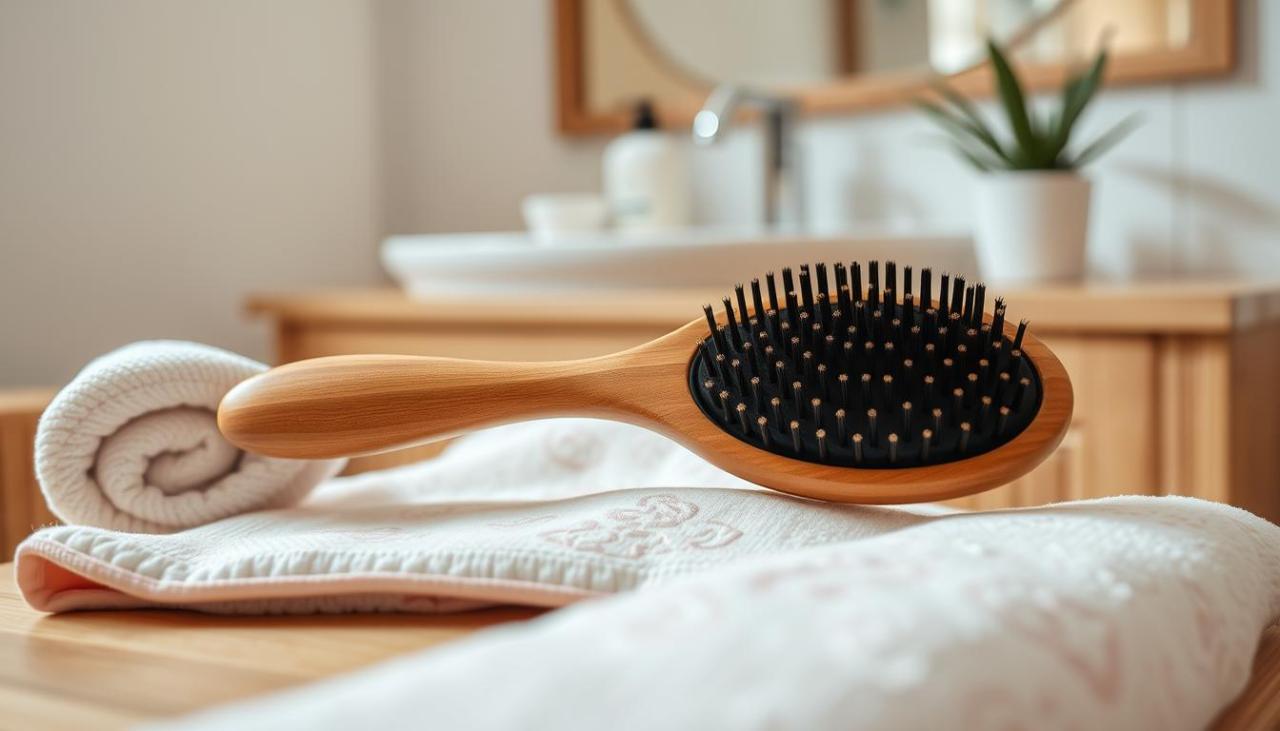
Boar bristle brushes spread natural oils through your hair. They are made of natural bristles, so they need a gentle touch when cleaning. Use mild shampoo and lukewarm water to keep them from getting damaged.
“Quality tools are an investment in your hair’s health, and proper care is the interest you pay on that investment.”
Paddle Brushes
Paddle brushes are a must-have in most beauty routines. They often have synthetic materials that keep their shape well. To care for these brushes, remove trapped hair and wipe the base with a damp cloth.
Be careful not to soak paddle brushes in water, as this can cause mold or mildew. Let them air dry with the bristles facing down.
Round Brushes
Round brushes are key for a perfect blowout. But, they can get clogged with product. Clean them often to prevent bristle brittleness. Use a brush cleaner or a wide-tooth comb to remove debris from the barrel.
Keeping these tools in good condition is crucial for your hair care. By following these best practices for hair brush maintenance, you protect your investment and keep your hair healthy every day.
How to Clean Your Hair Brushes
Learning how to clean hair brushes properly can change your daily routine. Clean your tools after styling to avoid hardened product residue. This habit stops oils, dead skin, and styling agents from damaging your hair.
Step-by-Step Cleaning Guide
Start by using a comb or brush cleaner to remove loose hair. Then, mix warm water with a bit of gentle shampoo in a basin. Consistency is vital for your tools’ health.
Soak the brush in the solution and clean the bristles with your fingers or a soft toothbrush. Rinse it under cool water to get rid of soap. Lay the brush on a towel with bristles down to air dry.
Recommended Cleaning Solutions
The right solution depends on your brush’s material. Warm water and mild dish soap work well for most synthetic or plastic brushes. For tough buildup, try a diluted vinegar solution.
| Cleaning Method | Best For | Frequency |
|---|---|---|
| Mild Shampoo | Daily Maintenance | Weekly |
| Vinegar Soak | Deep Buildup | Monthly |
| Dry Brushing | Hair Removal | Daily |
Make sure your brush is completely dry before using it again. This prevents mold or bacteria. By following these steps, you keep your tools in great shape and your hair healthy.
Tips for Storing Your Hair Brushes
Where you put your brush after styling matters a lot. Many people clean their brushes well but forget about where they store them. Smart storage habits are key to making your hair brush last longer.
Ideal Storage Conditions
Keep your brushes in a cool, dry spot, away from sunlight. Humidity can harm wooden handles and loosen bristles. Always make sure your brush is dry before storing it to avoid mold or bacteria.
Store your brushes with the bristles up. This keeps them from bending or losing shape. By doing this, your brush will be ready for your next styling without any unnecessary wear.
Best Brush Holders for Longevity
The right container is crucial for keeping your tools in good shape. Open-top cups or vanity organizers are great because they let air circulate. For more tips on protecting your hair tools, check out these tips for extending the life of your hair to keep your collection in top condition.
Don’t just throw your brushes into a crowded drawer. They might get crushed or tangled. Using a special holder keeps them safe and organized. Getting a good storage solution is a smart move for anyone who cares about their hair.
Common Mistakes in Hair Brush Care
We often overlook how our daily habits can damage high-quality hair brushes. While we focus on keeping our hair healthy, we neglect the tools we use every day. Knowing these common mistakes helps us take better care of our grooming essentials.
Using the Wrong Products
One big mistake is using harsh chemicals to clean your tools. Many think soaking a brush in strong cleaners will clean it better. But, these chemicals can chemically burn the bristles, making them brittle or even melting them.
Always use mild, gentle soaps when cleaning hair brush bristles. Harsh cleaners can damage the materials, whether they’re synthetic or natural boar hair. Keeping your brush safe from harsh agents helps it last longer.
Ignoring Frequency of Cleaning
Another common error is not cleaning your brush often enough. If you let dust, hair product residue, and oils build up, your brush can become a breeding ground for bacteria. This not only makes the brush less effective but can also spread dirt back onto your hair.
It’s crucial to clean your hair brushes regularly for scalp health. A quick check once a week can tell you when it’s time for a deep clean. By regularly cleaning your hair brushes, you avoid long-term damage from hardened debris on the brush base.
How Often Should You Replace Your Hair Brushes?
Every hair tool has a lifespan. Even with the best tips for extending the life of your hair brush, they will wear out. Knowing when to replace your brush is key for healthy hair.
Signs It’s Time for a New Brush
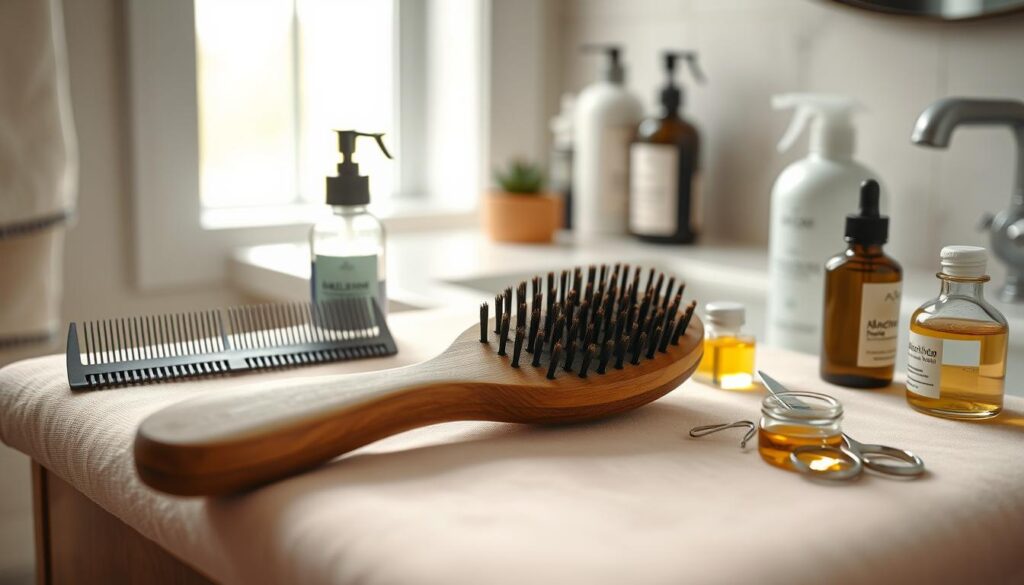
Check your tools often for damage. If bristles are frayed or bent, it’s time for a new brush. A stiff base or a cracked handle also mean it’s time to replace it.
Sometimes, damage isn’t easy to see. If your brush pulls your hair or causes breakage, it’s losing its effectiveness. For more tips, check out these 5 signs its time to replace your brush.
Longevity of Different Brush Types
The life of your brush depends on its materials. High-quality boar bristle brushes last longer but shed bristles. Synthetic brushes are durable but can lose shape or get heat damage.
Consistency is key in hair care. By following tips for extending the life of your hair brush, you can get the most out of it. Replace your brush every six to twelve months if you use it daily for best results.
The Right Way to Use Your Hair Brush
How you brush your hair affects your brush’s life and your hair’s health. Many people focus on brush quality but forget about technique. A mindful approach can prevent breakage and keep your hair looking great.
Brush Techniques for Different Hair Types
Every hair type needs a special touch to stay healthy. For fine or fragile hair, use a soft brush gently. Thick or curly hair benefits from sectioning to avoid tangles.
Choosing the right brush is key. Wet hair is safer with a paddle brush than a round brush. Always stop if you feel resistance and gently work through tangles.
“The secret to beautiful hair is not just the products you use, but the gentle care you provide every single day.”
Importance of Brushing from Roots to Tips
Brushing is more than just detangling. It helps distribute natural oils evenly. This keeps your hair healthy and hydrated.
Brushing from roots to tips also prevents oil buildup at the scalp. This keeps your hair clean longer and reduces washing frequency. It also keeps your brush clean, extending its life.
The Role of Hair Products in Brush Care
Keeping your hair brush clean is more than just washing it. The products you use on your hair can clog your brush quickly. Knowing this helps us protect our brushes from damage.
“The secret to longevity in any tool is consistent, mindful care that prevents damage before it starts.”
How Products Affect Brush Performance
Styling sprays, gels, and pomades don’t just stay on your hair. They also stick to your brush’s bristles and base. This buildup attracts dust, lint, and hair, making your brush less effective.
This buildup makes brushing harder, leading to hair breakage. It also traps bacteria, which can harm your scalp.
Choosing the Right Products for Your Hair Type
Choose light, water-soluble styling products to keep your brush clean. These products are easier to remove, preventing damage to your brush’s bristles.
If you use thicker styling creams, apply them to the ends of your hair. This keeps your brush clean for longer. The right products for your hair type keep your brush working well.
Additional Tools for Brush Care
Keeping your brush clean is all about the right tools. Basic methods are good for daily use. But, special accessories make how to clean hair brushes easier and more effective.
Tool Options for Cleaning
The right tools help you clean deep into the brush’s bristles. It’s smart to have a small kit of special items. This keeps your tools in great shape.
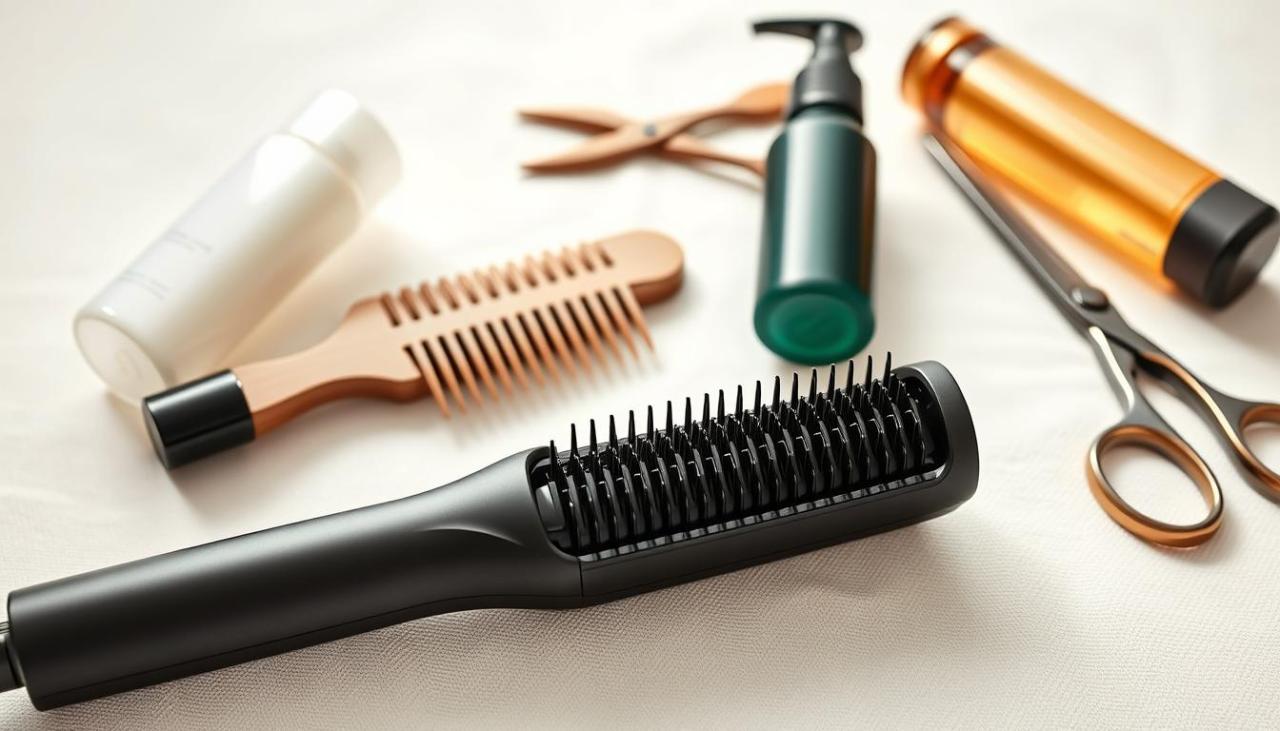
- Brush Rakes: These tools have metal teeth to remove matted hair from paddle and round brushes.
- Fine-Toothed Combs: Great for getting out stubborn hair that gets tangled near the cushion.
- Microfiber Cloths: Perfect for cleaning the handle and brush head without leaving lint.
Products to Maintain Brush Quality
The liquids you use are key to keeping your brush in good shape. Harsh chemicals can harm natural bristles or damage rubber cushions.
When learning how to clean hair brushes, use a mild, sulfate-free shampoo or a brush cleanser. These products gently remove oils and buildup without harming the brush. For a quick clean, a sanitizing spray can keep your tools ready for daily use.
Conclusion: Enjoying Healthy Hair with Proper Brush Care
Your journey to vibrant hair starts with daily habits. Keeping your tools clean and well-maintained is key. This way, they stay effective and hygienic for years.
Essential Habits for Longevity
This guide aims to keep your brushes in top shape. Following these Hair Brush Care Tips prevents scalp and hair damage. A clean brush moves smoothly through your hair, reducing breakage and split ends.
Commitment to Daily Maintenance
Start adding these Hair Brush Care Tips to your daily routine today. Brands like Mason Pearson or Denman offer quality tools. A well-cared-for brush is essential for beautiful hair.
Your commitment to these simple steps ensures your tools stay reliable. They will serve you well for a long time.