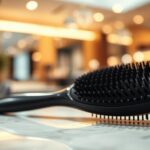
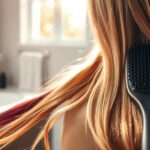
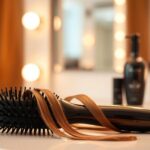
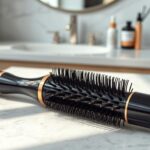

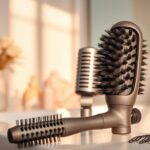
Anti-frizz electric brush technology has revolutionized the way we style our hair, making it easier than ever to achieve sleek, polished locks without the hassle. With advanced heating elements and specially designed bristles, these tools work in harmony to eliminate frizz while promoting hair health.
The benefits of using an anti-frizz electric brush extend beyond mere aesthetics; they include time efficiency and enhanced manageability. As more users share their positive experiences, it’s clear that these brushes are changing the hair care game for individuals with all hair types.
Understanding the Technology Behind Anti-frizz Electric Brushes
Anti-frizz electric brushes have rapidly gained popularity for their ability to create smooth, manageable hair with minimal effort. These innovative tools combine the benefits of heat and specially designed bristles to eliminate frizz and enhance the overall look of hair. Understanding the technology behind these brushes reveals how they work, the impact on hair health, and the brands that are leading the charge in this beauty revolution.
The key technology in anti-frizz electric brushes lies in their heating elements and bristle designs, which work in tandem to deliver optimal results. The heat helps to relax the hair cuticle, allowing for smoother styling, while the unique bristle configurations help to distribute natural oils from the scalp along the hair shaft. This dual action not only reduces frizz but also promotes shine and softness.
Types of Heating Elements in Anti-frizz Brushes
Different heating elements can significantly influence the performance and safety of anti-frizz electric brushes. Here are some common types of heating technologies used:
- Tourmaline Technology: Tourmaline-infused heating elements emit negative ions when heated. These ions counteract positive ions in frizzy hair, sealing the cuticle and reducing static.
- Ceramic Heating: Ceramic plates offer even heat distribution, which minimizes hot spots that can damage hair. They are ideal for achieving consistent styling results.
- Infrared Technology: Brushes with infrared heating penetrate the hair shaft more deeply, reducing styling time and minimizing damage by ensuring the heat is distributed more evenly.
The choice of heating element can directly affect hair health. For instance, brushes with ceramic or tourmaline features not only smooth frizz but also reduce the risk of heat damage, making them safer for regular use.
Brands Utilizing Innovative Technology
Numerous brands have embraced innovative technology to develop effective anti-frizz electric brushes. These brands often focus on combining advanced heating elements with ergonomic designs for ease of use and effectiveness.
- Revlon: Known for their One-Step Hair Dryer and Styler, Revlon integrates ceramic heating technology to minimize frizz while styling.
- Conair: Their InfinitiPro line features tourmaline technology, providing the benefit of negative ions for a smooth finish.
- ghd: This brand offers brushes with advanced infrared technology, ensuring gentle styling without compromising on effectiveness.
These brands highlight how innovation in heating technology can lead to better hair health, making anti-frizz brushes a staple in many hair care routines.
The Benefits of Using an Anti-frizz Electric Brush
Incorporating an anti-frizz electric brush into your hair care routine offers numerous advantages that can transform the way you style your hair. These innovative tools are designed to combat frizz while providing smooth, sleek results that traditional styling methods often struggle to achieve.
The primary benefits of using an anti-frizz electric brush include time efficiency, ease of use, and improved hair health. Unlike flat irons or curling wands, which can expose hair to extreme heat, electric brushes provide a gentler approach by combining heat and bristle technology to detangle and smooth without excessive damage.
Main Advantages of Electric Brushes
When considering the switch to an anti-frizz electric brush, it’s helpful to understand the specific advantages they offer over traditional styling tools. Here are some key points to consider:
- Time-Saving: Electric brushes often reduce styling time significantly, allowing you to achieve smooth hair in just minutes, compared to the longer durations required with traditional tools.
- Gentle on Hair: These brushes utilize lower temperatures than flat irons, minimizing heat damage and keeping your hair healthier over time.
- Versatility: An electric brush can easily create various styles, from straight and sleek to soft waves, making it a suitable tool for different looks.
- Ease of Use: The brush format allows for simple, straightforward styling without the need for multiple products or complicated techniques.
- Built-in Technology: Many electric brushes come equipped with ionic technology that helps to lock in moisture and reduce static, leading to a shinier finish.
User experiences further highlight the effectiveness of anti-frizz electric brushes. Many customers report dramatic improvements in their hair texture and overall appearance after switching from conventional styling tools.
“I used to spend hours trying to tame my frizz with a flat iron, but the electric brush made everything so much quicker and easier. My hair looks healthier and shinier!”
Comparatively, traditional styling tools like flat irons and curling wands often require multiple passes over the hair to achieve smoothness, which can lead to increased damage. The one-pass efficiency of anti-frizz electric brushes allows for less heat exposure overall, promoting healthier hair while maintaining style durability.
Overall, the anti-frizz electric brush stands out as a versatile, effective solution in modern hair care routines, appealing particularly to those seeking both convenience and hair health.
How to Choose the Right Anti-frizz Electric Brush
Selecting the ideal anti-frizz electric brush can significantly influence your hair management routine. With various options available, understanding key features and how they align with your hair type is essential for achieving smooth, frizz-free locks.
When looking for an anti-frizz electric brush, certain characteristics can enhance the effectiveness and comfort of your styling experience. Key features to consider include bristle material, temperature settings, and the size of the brush. Each of these elements plays a crucial role in how well the brush performs and caters to your specific hair needs.
Key Features in Electric Brushes
Brushing technology has advanced, and a few key features stand out when selecting an electric brush.
- Bristle Material: Look for brushes with a combination of ionic and ceramic bristles. Ionic bristles help reduce static and frizz, while ceramic bristles distribute heat evenly, preventing damage to hair.
- Temperature Settings: Choose a brush with adjustable temperature settings. Fine hair requires lower heat, while thicker hair benefits from higher temperatures for effective styling.
- Size: The size of the brush should correspond to your hair length and styling goals. A wider brush is better for long or thick hair, while a smaller brush is effective for short hair or bangs.
Hair Types and Suitable Brushes
Different hair types require specific brushes for optimal styling results. Understanding this can help you select the best tool for your needs.
- Straight Hair: For straight hair, an electric brush with smooth, soft bristles works well to maintain sleekness and minimize frizz.
- Wavy Hair: A medium-sized electric brush with mixed bristles can enhance natural waves while keeping frizz at bay.
- Curly Hair: Curly hair often benefits from a larger, paddle-style electric brush with wide-spaced bristles to detangle without disrupting the curl pattern.
- Coily Hair: Coily hair should pair with a brush that has flexible bristles to avoid breakage and allow for the formation of defined curls.
Checklist for Purchasing an Electric Brush
Before making a purchase, consider the following checklist to ensure you pick the right electric brush that meets your needs:
- What is my hair type and texture? Understanding this helps narrow down suitable brush options.
- Does the brush have adjustable temperature settings? This feature is vital for protecting hair from heat damage.
- What bristle material is used? Look for ionic and ceramic combinations for the best results.
- Is the size appropriate for my hair length and styling preferences? Choose a size that complements your hair.
- What is the warranty or return policy? A good warranty can provide peace of mind for your investment.
Proper Usage Techniques for Anti-frizz Electric Brushes
Using an anti-frizz electric brush can transform your hair styling routine, delivering smooth, sleek results while minimizing frizz. To achieve the optimal results with this innovative styling tool, it’s essential to understand the proper techniques for use. Here’s a breakdown of effective methods, preparation steps, and common pitfalls to avoid.
Effective Techniques for Using the Brush
Mastering the techniques for using an anti-frizz electric brush can make a significant difference in the final results. Here are some key points to consider for effective usage:
- Section Hair Carefully: Divide your hair into manageable sections, typically 2-4 depending on thickness. This ensures the brush can effectively straighten and smooth each section without missing spots.
- Use on Dry Hair: The brush is designed for use on dry hair. Ensure your hair is completely dry before starting to prevent damage.
- Adjust Temperature Settings: Set the temperature according to your hair type. Fine hair typically requires lower heat (around 300°F), while thicker textures may benefit from higher settings (up to 400°F).
- Slow and Steady Strokes: Glide the brush slowly through your hair, allowing the bristles to smooth each strand. Rushing can lead to uneven results.
- Angle the Brush: Hold the brush vertically for straightening or slightly at an angle to create volume at the roots.
Preparing Hair Before Styling
Proper preparation of your hair is crucial for achieving the best results with an anti-frizz electric brush. Follow these steps for effective preparation:
- Cleanse Your Hair: Start with a clean slate by washing your hair with a sulfate-free shampoo and conditioner to remove any residue that might weigh it down.
- Apply a Heat Protectant: Use a quality heat protectant spray or serum. This step is essential to shield your hair from heat damage during styling.
- Detangle Thoroughly: Use a wide-tooth comb to detangle your hair gently. This minimizes breakage and ensures smooth strokes with the brush.
- Dry Completely: Make sure your hair is completely dry and free of moisture before using the brush. This helps prevent damage and achieves better styling results.
- Consider Product Use: Avoid heavy styling products that can weigh hair down. Instead, opt for light oils or serums tailored for frizz control.
Common Mistakes to Avoid
Being aware of common mistakes can save you from damaging your hair while using an anti-frizz electric brush. Here are some pitfalls to steer clear of:
- Skipping Heat Protectant: Never neglect this important step. Skipping heat protectant can lead to irreversible damage from the high temperatures of the brush.
- Using on Wet Hair: Avoid using the brush on damp or wet hair as this can cause severe damage and result in poor styling outcomes.
- Overheating the Brush: Excessively high temperatures can harm your hair, leading to dryness and breakage. Always adjust the heat setting according to your hair type.
- Rushing the Process: Take your time while styling. Rushing can result in uneven styles and increased frizz. Patience leads to better results.
- Neglecting Regular Maintenance: Keep your brush clean by regularly removing hair strands and buildup from the bristles. This ensures optimal performance.
Maintenance and Care for Your Anti-frizz Electric Brush
Taking care of your anti-frizz electric brush is essential for maintaining its performance and ensuring it lasts for years to come. Regular maintenance not only helps keep your brush clean but also enhances its ability to manage frizz and style hair effectively. Let’s explore some best practices for cleaning, inspecting, and scheduling maintenance for your brush.
Cleaning Best Practices
Keeping your anti-frizz electric brush clean is crucial for optimal performance. Dust, hair, and product buildup can affect its efficiency and even damage the bristles. Follow these steps to ensure your brush remains in top condition:
- Unplug and Cool Down: Always unplug the brush and let it cool completely before cleaning.
- Remove Hair: Use your fingers or a wide-tooth comb to gently remove any hair strands caught between the bristles. For stubborn tangles, try using a pair of scissors carefully.
- Wipe with a Damp Cloth: Dampen a microfiber cloth with water or a mild cleaning solution. Wipe the bristles and the surface of the brush to remove any residue.
- Clean the Heating Element: If your brush has a heating element, ensure that it is free from product buildup. A cotton swab can help get into tight spaces.
- Dry Completely: Before using the brush again, ensure all parts are completely dry to avoid any electrical issues.
Inspecting for Wear and Tear
Regularly checking your anti-frizz electric brush for signs of wear and tear is essential to maintain its functionality. Look for these indicators that may require your attention:
- Bristle Condition: Inspect the bristles for bending, breakage, or excessive wear. Damaged bristles can lead to ineffective styling and potential hair damage.
- Heating Issues: If the brush doesn’t heat up or heats up unevenly, it may signal a problem with the internal components.
- Loose Connections: Check the cord for any frays or breaks, and ensure all connections are secure. A damaged cord can pose safety hazards.
If you notice any significant wear, consider replacing the brush or contacting the manufacturer for repair options.
Routine Maintenance Schedule
Establishing a maintenance schedule based on how often you use your anti-frizz electric brush can help keep it in optimal condition. Here’s a suggested routine:
- Daily: Remove hair strands post-use and wipe down the bristles with a damp cloth.
- Weekly: Conduct a more thorough clean by following the detailed cleaning steps Artikeld above.
- Monthly: Perform a comprehensive inspection of bristles, the heating element, and the cord for any signs of wear.
- Quarterly: Deep clean the brush, potentially including a soak if the manufacturer allows it, to remove any stubborn buildup.
“Regular maintenance not only enhances the longevity of your electric brush but also ensures healthier hair styling experiences.”
Exploring Alternative Solutions for Frizz Control
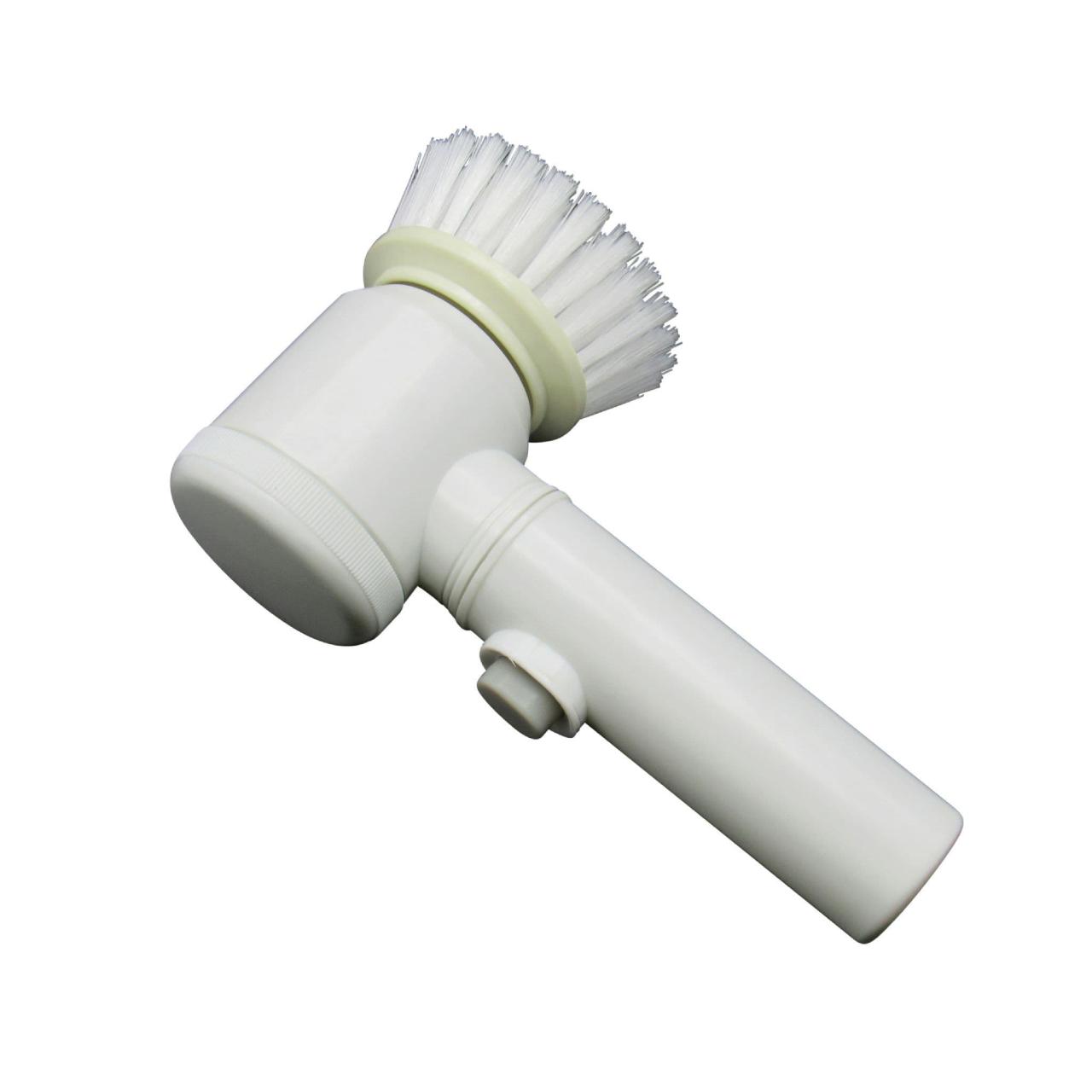
Finding effective solutions for frizz control is essential for achieving smooth, manageable hair. While anti-frizz electric brushes are popular for their convenience and immediate results, other methods such as serums, oils, and natural remedies also offer various advantages and drawbacks. Understanding these alternatives can help in crafting a more comprehensive hair care regimen tailored to individual needs.
Comparison of Frizz Control Methods
When considering frizz control, it’s important to evaluate the effectiveness of different products. Below is a comparison of anti-frizz electric brushes with serums, oils, and natural remedies, highlighting their respective pros and cons.
- Anti-Frizz Electric Brushes:
These brushes combine heat and bristle technology to smooth hair instantly.
- Pros: Quick results, easy to use, minimizes heat damage, can be used on dry hair.
- Cons: Some models may be expensive, requires access to electricity, not a permanent solution.
- Serums:
Serums coat the hair shaft, reducing moisture loss and providing a protective barrier.
- Pros: Long-lasting effects, can tame frizz throughout the day, often contains beneficial ingredients.
- Cons: Can weigh down fine hair, may cause buildup if not washed out regularly.
- Oils:
Natural oils, like argan or coconut oil, hydrate and nourish damaged hair.
- Pros: Natural ingredients, adds shine, can improve hair health over time.
- Cons: May make hair greasy if over-applied, results may take longer to notice.
- Natural Remedies:
Common remedies like apple cider vinegar or aloe vera can help control frizz.
- Pros: Affordable, uses commonly available household items, no chemicals.
- Cons: May require consistent application, results can vary greatly between individuals.
Integrating these methods into a hair care regimen can enhance overall results. For instance, using an anti-frizz electric brush for styling while applying a serum or oil post-styling can provide additional frizz control and shine. Similarly, incorporating natural remedies as pre-treatment can prepare hair for styling, resulting in a more polished finish. By understanding the unique benefits of each method, individuals can adapt their routines to achieve the best results for their hair type and texture.
User Reviews and Product Recommendations
User reviews play a significant role in shaping consumer choices, especially in the beauty and grooming industry. With the rise of social media and online shopping, potential buyers rely heavily on the experiences of others when selecting products like anti-frizz electric brushes. These reviews provide insights not only into performance but also into build quality, usability, and brand reputation.
When considering an anti-frizz electric brush, it’s essential to evaluate options based on user feedback. This feedback often highlights key features that users value, such as heating speed, bristle quality, ease of use, and overall effectiveness in controlling frizz. Below is a comparison table of some top-rated anti-frizz electric brushes, showcasing their features, price points, and user ratings.
Comparison of Top-Rated Anti-Frizz Electric Brushes
The following table summarizes popular choices in the market, allowing for a quick overview of various models. Each brush is evaluated based on the essential features that matter most to users.
| Brush Model | Features | Price (USD) | User Rating (out of 5) |
|---|---|---|---|
| Brush A | Fast heating, ceramic bristles, anti-static technology | $49.99 | 4.5 |
| Brush B | Multiple temperature settings, lightweight, tangle-free cord | $39.99 | 4.7 |
| Brush C | Ion technology, auto shut-off, travel-friendly design | $59.99 | 4.6 |
| Brush D | LED display, heat-resistant bristles, ergonomic handle | $44.99 | 4.3 |
User reviews not only provide feedback on the effectiveness of the product but also contribute to the overall brand reputation. A higher average rating often leads to increased trust among consumers, while a lower rating can significantly deter potential buyers. Many users express their satisfaction or dissatisfaction based on specific attributes of the product, such as durability and performance over time, which can greatly influence future purchases.
User feedback highlights the need for reliability and quality in anti-frizz electric brushes, leading consumers to prioritize brands with positive reviews.
Understanding Frizz
Frizz can be one of the most frustrating challenges in hair care, making hair look unkempt and wild. Understanding its causes and how to prevent it is essential for achieving smooth, manageable hair. In this section, we will explore the common causes of frizz, how environmental factors play a role in it, and provide preventive measures that can be taken alongside the use of an anti-frizz electric brush.
Frizz occurs when the hair’s cuticle, which is the outer protective layer, becomes raised or damaged. This can happen due to a variety of reasons, including humidity, lack of moisture, and damage from heat styling tools. Environmental factors such as weather conditions also contribute significantly to frizz.
Common Causes of Frizz
Understanding the specific causes of frizz can help in choosing the right methods for management. The following points Artikel the most common factors that contribute to frizz:
- Humidity: High levels of moisture in the air can cause hair to absorb water, leading to swelling and a raised cuticle, which creates frizz.
- Dryness: Lack of moisture from factors such as over-washing, harsh shampoos, or dry climates can lead to brittle hair that is prone to frizz.
- Heat Damage: Frequent use of heat styling tools can strip the hair of its natural oils, resulting in weak and frizzy strands.
- Chemical Treatments: Treatments such as coloring, perming, or relaxing can damage the hair structure, making it more susceptible to frizz.
- Physical Damage: Rough towel drying, excessive brushing, or using the wrong hair accessories can lead to cuticle damage and frizz.
Preventive Measures for Frizz Control
In addition to using an anti-frizz electric brush, there are several preventive measures to minimize frizz. Effective strategies include:
- Moisturizing Products: Utilizing hydrating shampoos and conditioners can help maintain moisture levels in the hair, reducing frizz.
- Regular Deep Conditioning: A weekly deep conditioning treatment can restore moisture and elasticity to the hair, making it less prone to frizz.
- Avoiding Over-Washing: Washing hair too frequently can strip it of natural oils. Aim to wash hair a few times a week instead.
- Using a Microfiber Towel: A microfiber towel minimizes friction while drying, reducing the chances of frizz.
- Heat Protection: Applying a heat protectant before using styling tools can help shield the hair from damage.
Selecting the Right Hair Care Products
Choosing the right products can significantly enhance the effectiveness of your anti-frizz routine. Here are some tips for selecting suitable hair care products:
- Look for Anti-Frizz Ingredients: Ingredients like argan oil, shea butter, and coconut oil are known for their moisturizing properties.
- Silicone-Based Products: While they can build up over time, silicones provide a protective layer around the hair, helping to smooth the cuticle.
- Avoid Sulfates: Sulfates can strip away natural oils, leading to dryness and frizz. Opt for sulfate-free shampoos.
- Consider Hair Type: Tailor your product choice to your specific hair type and texture for the best results.
“Keeping hair hydrated is key to preventing frizz and achieving a sleek, polished look.”
Closing Summary
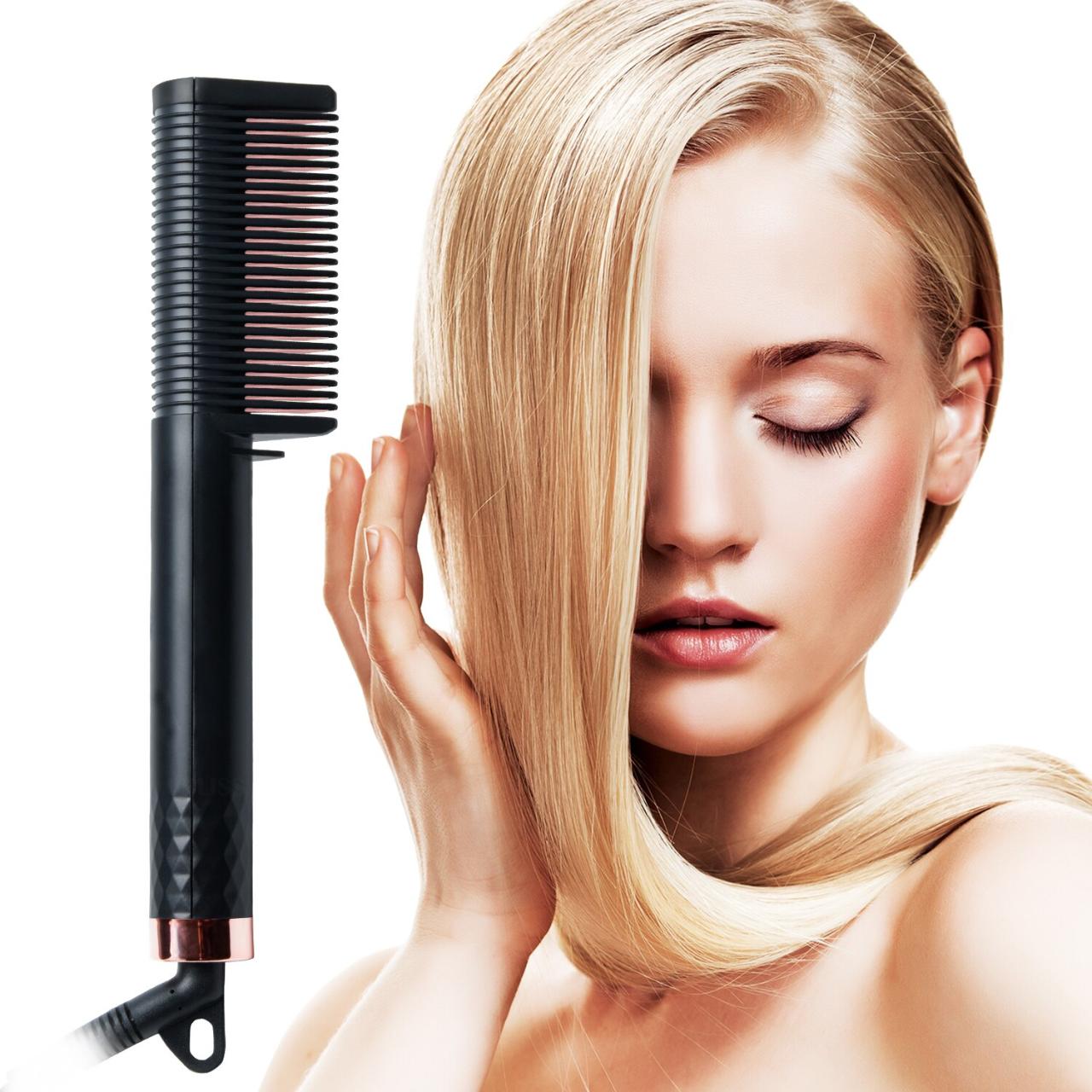
In conclusion, the anti-frizz electric brush is not just a styling tool; it’s an essential part of your hair care routine. By understanding the technology, benefits, and maintenance of these brushes, you can transform your frizz-prone hair into smooth, beautiful strands, ensuring every styling session is a success.
Questions and Answers
How does an anti-frizz electric brush work?
It uses heat and bristle design to smooth hair cuticles, reducing frizz.
Can I use the brush on wet hair?
It’s generally recommended to use it on dry or slightly damp hair for best results.
How often should I clean my anti-frizz electric brush?
You should clean it after every few uses to maintain performance and hygiene.
Is it safe for all hair types?
Yes, but it’s advisable to adjust the heat settings based on your hair type to prevent damage.
Can I travel with an anti-frizz electric brush?
Absolutely, many models are lightweight and come with dual voltage for international use.