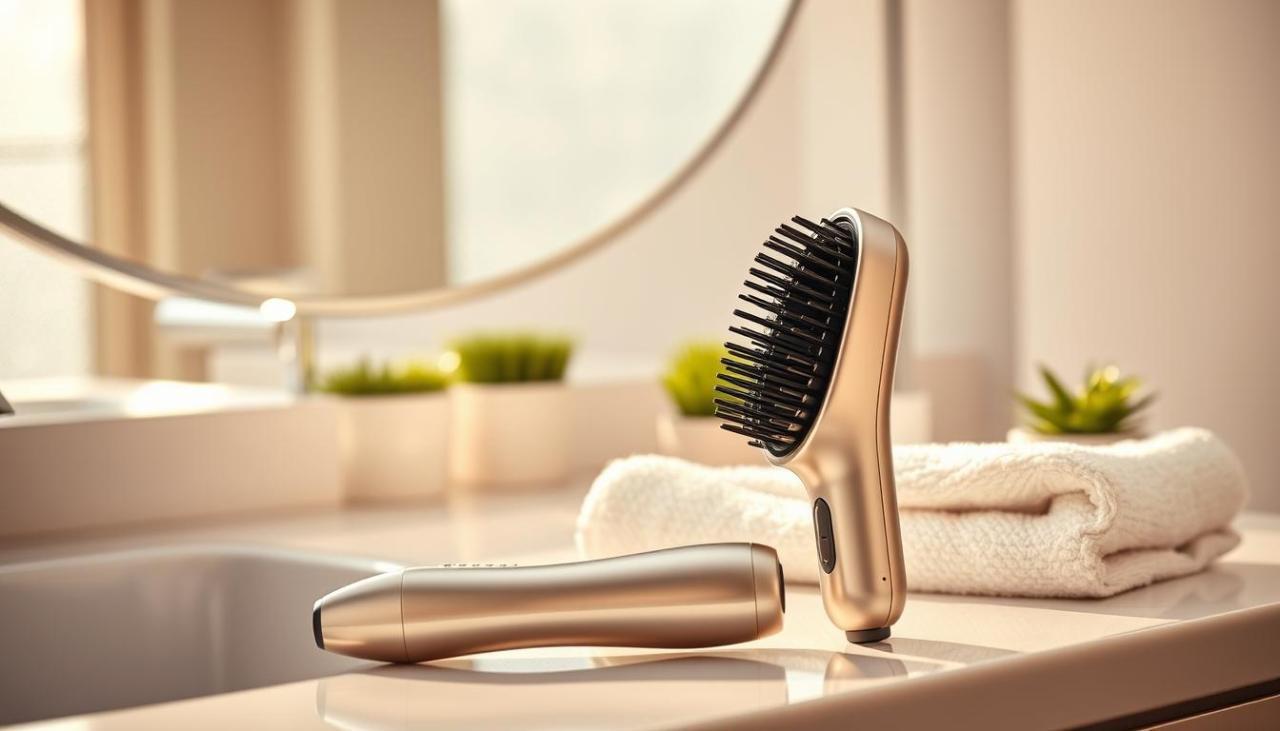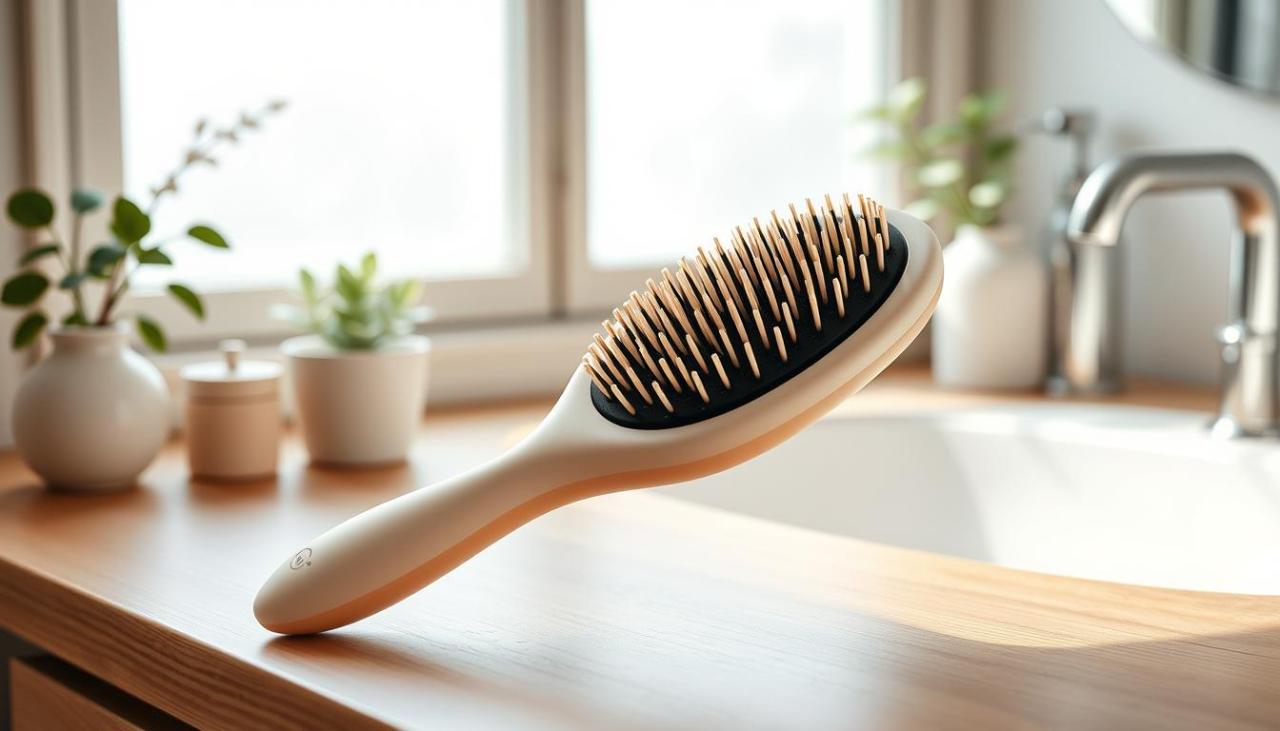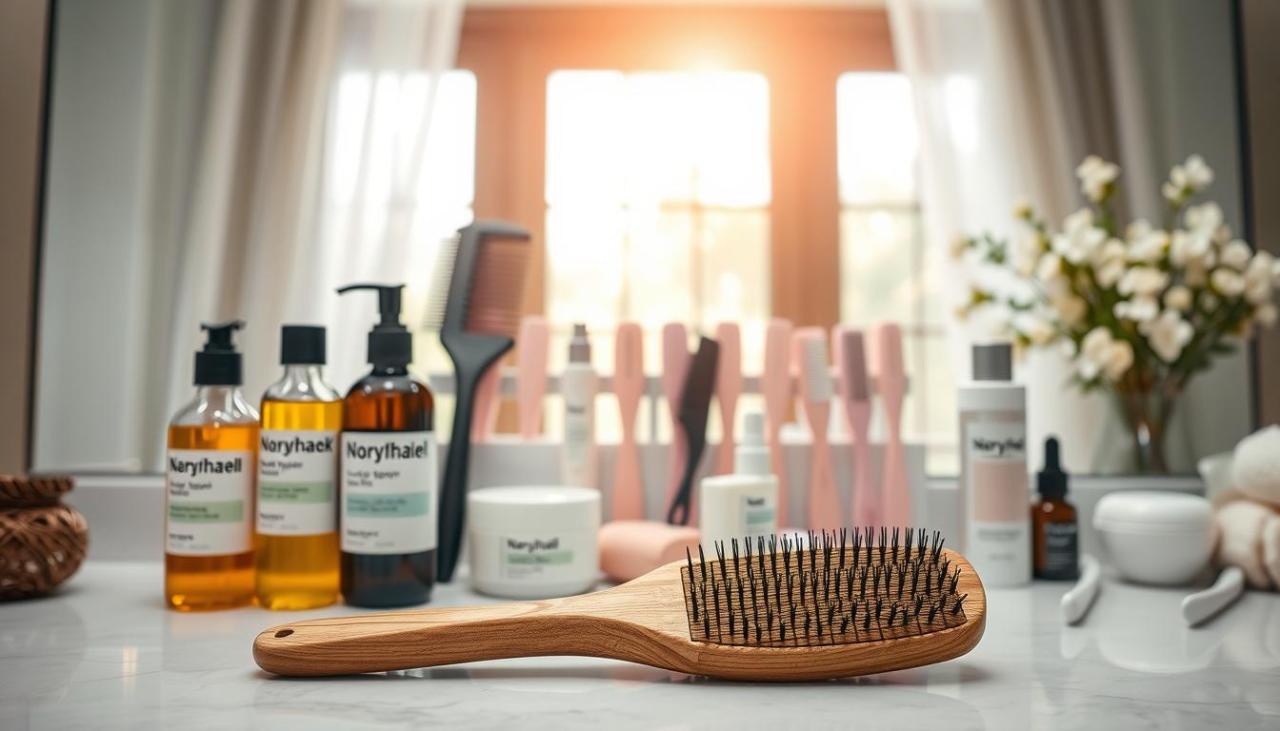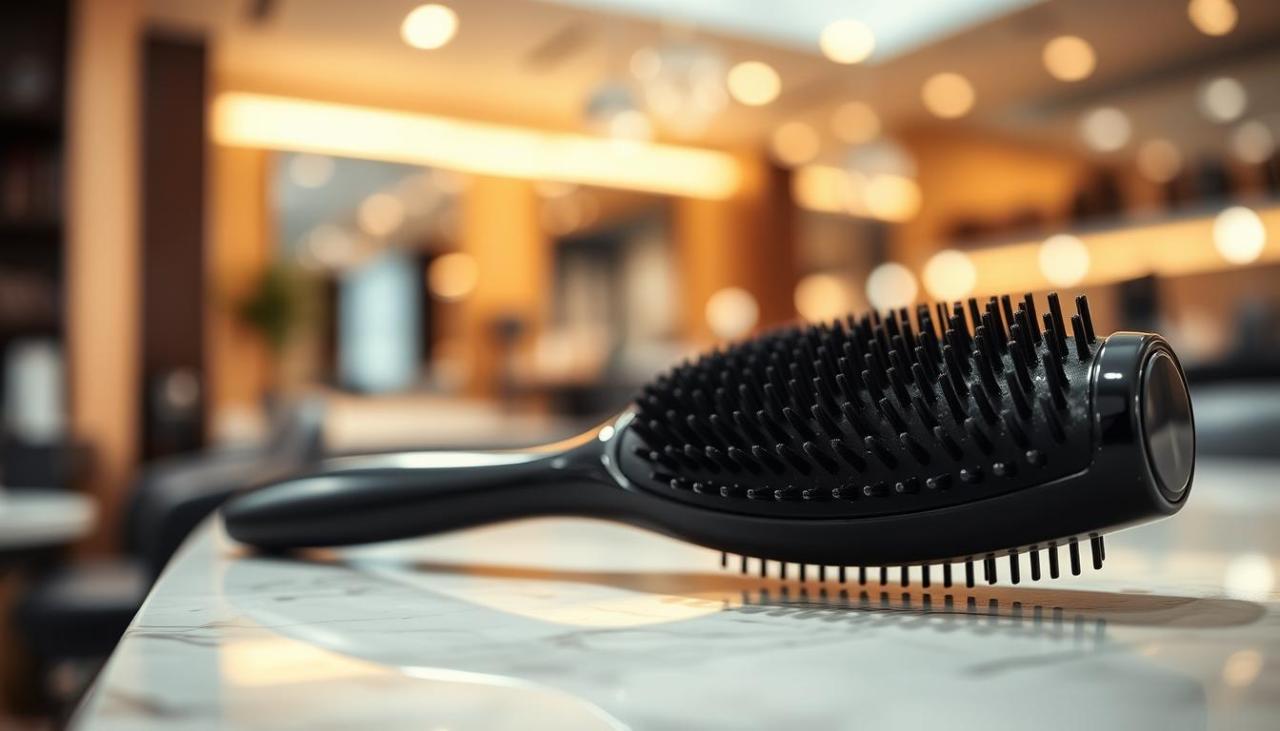
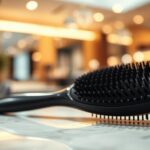
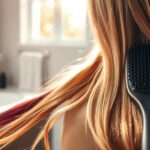
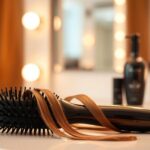
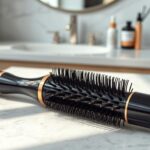
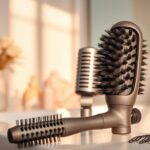
Hair Straightening Device opens the door to a world of sleek and polished hair, providing an essential guide for anyone looking to achieve that perfect look. From flat irons to heated brushes, the variety of devices available today makes it easier than ever to find the right tool for your hair type and styling preferences.
Understanding the intricate technologies that power these devices, along with the safety measures and hair care tips necessary for optimal results, ensures a healthy and stylish finish. This guide will also address common myths, helping you make informed decisions when it comes to hair straightening.
Understanding Different Types of Hair Straightening Devices
In the world of hair care, achieving sleek and straight hair has become easier with the advent of various hair straightening devices. Each type offers distinct features and benefits tailored to meet different styling needs. Understanding these differences helps you choose the right tool for your hair type and desired look.
The market features several popular hair straightening devices, primarily flat irons, brushes, and heated rollers. Each device serves the purpose of straightening hair but does so in unique ways that suit various hair textures and styles.
Types of Hair Straightening Devices
Choosing the right hair straightening device can significantly impact the health and appearance of your hair. Below is a comparison of the most common types, highlighting their features, benefits, and ideal usage scenarios.
| Device Type | Key Features | Best Usage Scenario |
|---|---|---|
| Flat Iron |
– Precise temperature control – Plates available in ceramic, titanium, or tourmaline – Suitable for all hair types |
Best for achieving pin-straight hair or for curling ends in straight hairstyles. |
| Hair Straightening Brush |
– Combines brushing and straightening – Faster styling time – Ideal for thick or wavy hair |
Great for quick touch-ups or when you’re short on time, especially for thick or frizzy hair. |
| Heated Rollers |
– Provides volume and curls along with straightening – Usually features a heat indicator – Gentle on hair while styling |
Perfect for creating soft waves or curls while maintaining a straight finish in the overall hairstyle. |
Flat irons are renowned for their versatility, making them suitable for various hair types. They are particularly effective for individuals seeking sleek, straight strands or sophisticated curls. Hair straightening brushes provide a quicker alternative, ideal for busy mornings, allowing users to brush and straighten simultaneously. Heated rollers, on the other hand, are excellent for adding volume and soft curls while straightening the hair, making them a popular choice for special occasions or when extra styling is desired.
The Technology Behind Hair Straightening Devices
Hair straightening devices have evolved significantly over the years, becoming more efficient and versatile. The core technology powering these devices revolves around heat application and material science, designed to provide optimal styling while minimizing damage to hair. Understanding the intricacies of this technology can help consumers make informed choices that not only enhance styling results but also protect hair health.
Modern hair straighteners utilize advanced heating technologies, which are crucial for achieving sleek, smooth results. The primary mechanism involves ceramic, tourmaline, or titanium plates that distribute heat evenly. Ceramic plates are known for their ability to retain heat and provide a consistent temperature, essential for reducing hot spots that can damage hair. Tourmaline, a naturally occurring mineral, enhances heat distribution and emits negative ions; this helps in sealing the hair cuticle and reducing frizz. Titanium plates heat up quickly and are lighter, making them ideal for those seeking fast styling.
Impact on Hair Health and Styling Results
The technology behind hair straightening devices not only affects styling efficiency but also plays a significant role in hair health. Higher-quality materials and innovative features can mitigate heat damage, which is often a major concern for users. For instance, many modern straighteners now come with adjustable heat settings ranging from low to high, allowing users to customize the temperature according to their hair type.
When choosing a straightener, consider the following technologies and features:
- Adjustable Heat Settings: Straighteners with multiple heat settings enable users to select a temperature that suits their hair texture—lower settings for fine or damaged hair, and higher settings for thick or coarse hair.
- Smart Technology: Some brands integrate smart sensors that automatically adjust the temperature based on the moisture content of the hair, providing personalized styling while reducing risk of over-drying.
- Infrared Technology: Infrared heat penetrates the hair shaft, allowing for quicker styling while minimizing external heat exposure. This technology helps in maintaining moisture levels and reducing damage.
- Steam Functionality: Devices like the L’Oréal Professionnel Steam Pod utilize steam to hydrate and style simultaneously, enhancing the overall health of the hair during the straightening process.
As an example, the Dyson Corrale straightener features flexing plates that gather hair for enhanced styling and reduced reliance on heat, while still achieving salon-quality results. Brands such as ghd and BaByliss also showcase innovations that focus on maintaining hair integrity while providing effective styling capabilities.
In summary, the technology behind hair straightening devices has advanced to prioritize both styling performance and hair health, making it easier for consumers to achieve their desired looks without compromising the condition of their hair.
Safety Measures When Using Hair Straightening Devices
Using hair straightening devices can help achieve sleek, smooth styles, but safety should always be a priority. These tools, which often reach high temperatures, can pose risks of burns, hair damage, or electrical hazards if not used correctly. By understanding and implementing essential safety precautions, you can enjoy your styling routine without unnecessary worries.
When utilizing hair straightening devices, it’s crucial to be aware of the potential hazards and take steps to mitigate them. High temperatures can not only damage hair but also cause burns to the skin. Additionally, improper handling of electrical devices can lead to injuries or malfunctions. Being proactive about safety will ensure a more enjoyable and risk-free experience with these styling tools.
Essential Safety Precautions
Implementing safety measures when using hair straightening devices is key to avoiding accidents and ensuring the longevity of both your hair and the device. Here are some critical safety tips for handling these tools:
- Always read the manufacturer’s instructions carefully before use.
- Ensure the hair straightener is used on dry hair to prevent steam burns.
- Use a heat protectant spray to minimize hair damage from high temperatures.
- Keep the device on a stable, flat surface when not in use to prevent it from falling.
- Avoid using the straightener near water or wet surfaces to reduce the risk of electric shock.
- Let the device cool down completely before storing it away.
- Do not use the straightener with a damaged cord or plug; replace it if necessary.
- Keep the device out of reach of children to prevent accidental burns or injuries.
Being aware of common mistakes can also improve safety while using hair straighteners. Some frequent errors include:
– Using the device on wet or damp hair, which can create steam and increase the risk of burns.
– Setting the temperature too high for your hair type; always adjust the heat setting based on hair texture to prevent damage.
– Leaving the device plugged in for extended periods after use, which can lead to overheating or fire hazards.
– Ignoring the importance of protective products; not using thermal protectants can lead to significant hair damage over time.
By following these safety measures and avoiding common pitfalls, you can enjoy smooth, beautifully styled hair while keeping yourself and your hair straightening device safe.
Hair Care Tips for Maintaining Healthy Hair After Straightening
Straightening your hair can create a sleek, polished look, but it also exposes your strands to heat and potential damage. To keep your hair healthy and vibrant after using a hair straightening device, it’s crucial to adopt a comprehensive hair care routine. This routine should focus on hydration, nourishment, and protection to mitigate any adverse effects caused by heat styling.
To maintain and restore your hair’s health after straightening, incorporating the right products into your hair care routine is essential. Choose shampoos and conditioners that are specifically designed for heat-damaged hair. Additionally, weekly treatments and serums can further support your hair’s overall health and shine. Below is a selection of recommended products that can help combat damage while ensuring your hair stays smooth and manageable:
Recommended Products for Post-Straightening Care
Utilizing the right products can make a significant difference in your hair’s texture and health after straightening. Below is a table that Artikels some of the best products available, along with their benefits:
| Product Name | Type | Benefits |
|---|---|---|
| Moroccanoil Moisture Repair Shampoo | Shampoo | Restores moisture, strengthens hair, and repairs damage. |
| Olaplex No. 5 Bond Maintenance Conditioner | Conditioner | Moisturizes, detangles, and strengthens hair bonds. |
| Kerastase Resistance Masque Force Architecte | Hair Mask | Deeply nourishes and repairs weakened hair. |
| Living Proof Restore Instant Protection | Leave-In Treatment | Protects against heat and UV damage while adding shine. |
| SheaMoisture Jamaican Black Castor Oil Leave-In Conditioner | Leave-In Conditioner | Hydrates, detangles, and nourishes for healthier hair. |
Incorporating these products into your hair care regimen will not only help in maintaining the results of your straightening but will also promote overall hair health. Regular use of nourishing shampoos, conditioners, and treatments will combat dryness and brittleness, ensuring your hair looks its best while staying protected from future heat exposure.
“Consistent care and the right products are the keys to vibrant, healthy hair after styling.”
Common Myths About Hair Straightening Devices
Many individuals have misconceptions about hair straightening devices that can lead to confusion and misinformation. These myths often arise from a combination of anecdotal experiences, outdated information, and marketing exaggerations. Understanding the truth behind these myths is essential for making informed decisions about hair care and styling.
One prevalent myth is that all hair straightening devices damage hair equally, regardless of their technology or quality. This belief stems from the idea that heat is universally harmful to hair. However, advancements in hair straightening technology have introduced devices with advanced features like ceramic plates, which distribute heat evenly, and temperature control settings that minimize damage. Thus, while excessive heat can certainly harm hair, choosing a quality device and using it correctly can significantly reduce the risk.
Another common misconception is that using a hair straightening device will permanently straighten hair. This myth likely originates from the experience of individuals who have undergone chemical straightening treatments, which do provide lasting results. In contrast, heat styling merely alters the hair’s shape temporarily. Once the hair is exposed to moisture or humidity, it will revert to its natural state unless a more permanent treatment is applied.
Additionally, there is a belief that the higher the temperature setting, the better the straightening results. This myth persists because many consumers assume that more heat equates to better performance. In reality, using too high a temperature can lead to severe damage, including split ends and breakage. It is often best to use the lowest effective temperature for your hair type to achieve desired results without compromising health.
To clarify these misconceptions, here’s a quick reference list of common myths versus reality:
- Myth: All straightening devices damage hair equally.
- Reality: Quality devices with advanced technology can minimize damage.
- Myth: Straightening hair is a permanent solution.
- Reality: Heat styling is temporary; hair returns to its natural state.
- Myth: Higher temperatures guarantee better results.
- Reality: Lower temperatures can effectively straighten hair with less damage.
Understanding these myths and the realities that counter them can help consumers make better choices when selecting and using hair straightening devices. By debunking these misconceptions, individuals can enjoy beautiful, straight hair without unnecessary harm.
Choosing the Right Hair Straightening Device for Your Hair Type
Selecting the perfect hair straightening device is crucial for achieving the best styling results. Different hair types require specific features in a straightening device to ensure optimal performance and to maintain hair health. Factors such as hair texture, thickness, and moisture level play a significant role in determining the right device to use.
When choosing a hair straightening device, it is essential to consider how your hair type interacts with heat and styling tools. For instance, curly and coarse hair typically requires more heat and wider plates for effective straightening, while fine or damaged hair may benefit from lower heat settings and narrower plates to prevent further damage. Additionally, the material of the plates, temperature settings, and safety features are also important factors that enhance the overall experience and results.
Factors Affecting Device Selection for Hair Types
Understanding the characteristics of your hair can significantly influence your choice. Here’s a breakdown of what to look for based on different hair types:
| Hair Type | Recommended Device Features | Examples of Suitable Devices |
|---|---|---|
| Curly Hair |
– Wider plates – High heat settings – Ionic technology for frizz control |
Professional Ceramic Flat Iron, Tourmaline Straightener |
| Wavy Hair |
– Adjustable temperature settings – Medium-width plates – Quick heat-up time |
Steam Straightener, Titanium Flat Iron |
| Fine Hair |
– Narrow plates – Lower heat settings – Ceramic or tourmaline plates to reduce heat damage |
Mini Flat Iron, Low-heat Ceramic Straightener |
| Thick Hair |
– Wider plates – High heat with consistent performance – Durability and build quality |
Wide Plate Straightener, Heavy-duty Titanium Iron |
Personalizing hair care tools is vital for enhancing styling results. Choosing the right straightening device tailored to your specific hair type can minimize damage, enhance shine, and improve overall manageability. For example, a high-heat device may transform coarse hair, while a lower heat setting could protect fine strands from breakage. Investing in the right tools can lead to healthier styling habits and ultimately better-looking hair.
The Environmental Impact of Hair Straightening Devices
As the beauty industry evolves, the environmental impact of personal care devices, like hair straighteners, becomes a pressing concern. The increasing reliance on these devices, often made with non-renewable resources and energy-intensive production processes, raises significant ecological questions. Understanding the sustainability of hair straightening devices is crucial for environmentally conscious consumers looking to align their beauty routines with eco-friendly practices.
The production and use of hair straightening devices contribute to resource depletion, carbon emissions, and electronic waste. Many traditional hair straighteners contain plastic components that are derived from fossil fuels. Additionally, using these devices frequently can lead to increased energy consumption, especially when many users heat their appliances daily. As the global conversation around sustainability continues to grow, the beauty industry is responding. Eco-friendly brands are emerging, focusing on sustainable materials and energy-efficient technologies. For instance, brands like Dyson have invested in creating devices that not only style hair effectively but also minimize energy usage, leading to lower carbon footprints. Furthermore, companies like Bio Ionic are known for using eco-conscious materials and manufacturing processes that reduce their environmental impact.
To further reduce their environmental footprint when using hair straightening devices, consumers can adopt several practices. Being mindful of energy consumption and device longevity is essential. Below are some actionable steps consumers can consider:
Steps to Reduce Environmental Footprint
Being aware of your impact can lead to more sustainable choices. Here are practical ways to lessen your ecological footprint while enjoying your hair straightening routine:
- Opt for energy-efficient devices that use less power to heat up.
- Select brands that utilize sustainable materials in their products and packaging.
- Limit usage by allowing hair to air dry partially before styling.
- Turn off devices when not in use, and consider using a power strip to easily switch off multiple devices.
- Recycle old appliances responsibly to prevent them from contributing to landfill waste.
Small changes in daily habits can lead to significant positive impacts on our environment.
Investing in eco-friendly hair straightening devices and adopting responsible usage practices can significantly help in minimizing our ecological footprint while still achieving the desired styling results.
Innovations in Hair Straightening Technology
Recent advancements in hair straightening technology have transformed the beauty industry, introducing smart devices that cater to the diverse needs of consumers. These innovations are not just about achieving straight hair; they focus on improving the overall user experience, enhancing safety, and providing effective results while minimizing damage to hair.
The latest hair straightening tools have integrated features such as temperature control, steam technology, and smart sensors. These devices are designed to monitor hair moisture and texture, automatically adjusting the heat to prevent damage. For instance, some straighteners now come equipped with Bluetooth technology, allowing users to connect their devices to a smartphone app. This app can provide personalized styling suggestions based on hair type, condition, and desired style, enhancing the overall experience.
Comparison of Traditional and Innovative Technologies
Innovative hair straightening devices have set new benchmarks that traditional straighteners often fail to meet. This ongoing evolution in technology is reshaping consumer expectations and industry standards. Below is a comparison of traditional versus innovative hair straightening technologies:
| Feature | Traditional Technologies | Innovative Technologies |
|---|---|---|
| Temperature Control | Fixed temperature settings | Smart temperature sensing and adjustment based on hair type |
| Damage Prevention | High heat can cause damage | Low-heat settings and moisture sensing to prevent damage |
| Smart Features | No connectivity | Bluetooth connectivity with mobile apps for personalized suggestions |
| Heating Technology | Traditional ceramic or metal plates | Advanced materials like titanium and tourmaline for even heat distribution |
| Styling Versatility | Limited to straightening | Multi-function devices that can curl, wave, and straighten |
The shift towards smart technology not only enhances user safety but also allows for a more tailored styling experience, meeting the demands of today’s consumers. As technology continues to advance, the expectations for hair straightening devices are set to evolve further, paving the way for even more innovative solutions in the industry.
Closing Summary
In conclusion, mastering the use of Hair Straightening Devices is not just about achieving that smooth look; it’s also about understanding the tools, the technology, and the proper care practices to maintain healthy hair. With innovation continuing to shape the industry, embracing these advancements while being aware of ecological impacts can lead to responsible and stylish choices.
General Inquiries
How often can I use a hair straightening device?
It’s best to limit use to a few times a week to prevent heat damage.
Can I use a hair straightener on wet hair?
No, using a straightener on wet hair can cause severe damage and is not recommended.
What’s the difference between ceramic and titanium plates?
Ceramic plates provide even heat distribution and are gentler on hair, while titanium heats up quickly and is more durable.
Do hair straightening devices work on all hair types?
Yes, but different devices are suited for specific hair types, so choose accordingly.
Can using a hair straightening device cause hair loss?
Excessive heat and improper use can lead to damage, but responsible usage generally does not cause hair loss.