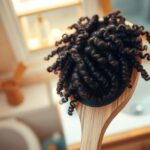
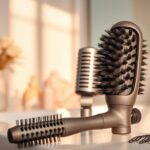
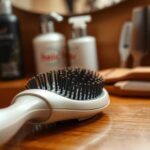
Hair Care Brush is more than just a styling tool; it plays a pivotal role in maintaining the health and appearance of your hair. Choosing the right brush tailored to your hair type can make a significant difference, ensuring that you achieve not only the desired style but also promote healthy growth and minimize damage. With a variety of brushes available on the market, from detanglers to round brushes, understanding their specific uses can transform your hair care routine.
In addition, it’s crucial to consider factors such as hair texture and the styles you wish to achieve when selecting a brush. This guide will take you through the importance of choosing the right hair care brush, the science behind bristle types, effective usage techniques, maintenance tips, and the latest innovations in brush design.
The Importance of Choosing the Right Hair Care Brush
Selecting the appropriate hair care brush is crucial for maintaining and enhancing the health of your hair. Using the right brush not only aids in detangling but also minimizes damage, promotes shine, and supports scalp health. A well-chosen brush can make your hair care routine efficient, ensuring that styling and maintenance don’t lead to breakage or split ends. Understanding the different types of brushes available and their specific uses can empower you to make an informed decision tailored to your unique hair needs.
There are numerous types of hair brushes, each designed for specific hair types and styling goals. Here’s a breakdown of some common types and their uses:
Types of Hair Brushes and Their Uses
Understanding the specific function of each brush type is essential for achieving optimal results. The right brush can enhance your hairstyling experience and ensure better hair health. Here are some popular brushes and their primary uses:
- Paddle Brush: Ideal for straight, long hair, paddle brushes are great for detangling and smoothing out hair while drying. They work well with blow-drying and can help achieve a sleek finish.
- Round Brush: Perfect for creating volume and curls, round brushes come in various sizes. Smaller brushes are suitable for tighter curls, while larger ones are great for waves and volume.
- Vented Brush: Designed with spaces between the bristles, vented brushes allow for faster drying and are excellent for blow-drying. They are suitable for all hair types, especially thick or curly hair.
- Wide-Tooth Comb: While not a brush, this comb is essential for detangling wet hair without causing breakage. It’s perfect for those with curly or wavy textures.
- Boar Bristle Brush: Known for its ability to distribute natural oils from the scalp down the hair shaft, this brush is ideal for those seeking shiny, healthy hair.
When purchasing a hair brush, several factors must be considered to ensure you choose the right one for your hair type and desired style. The texture of your hair plays a critical role in this decision. Fine hair may require a soft-bristled brush to prevent damage, while thick or curly hair might benefit from a sturdier brush designed to handle tangles. Additionally, consider your styling goals; if you often blow-dry your hair, a vented brush will expedite the drying process. Overall, being mindful of these factors ensures that you invest in a brush that supports your hair care journey effectively.
The Science Behind Hair Care Brushes and Hair Texture
Understanding the intricate relationship between hair texture and hair care brushes is essential for anyone looking to maintain healthy, beautiful hair. Each hair type is unique, influenced by genetic and environmental factors, which makes the choice of brush critical for effective grooming and styling. The right brush not only helps in detangling but also in enhancing the hair’s natural shine and minimizing damage. Grasping how hair texture interacts with brush design can make all the difference in achieving optimal hair health.
Hair texture significantly influences the choice of hair care brush. Generally, hair can be categorized into three main types: straight, wavy, and curly. Straight hair typically requires brushes with finer bristles to glide smoothly without tugging. For wavy hair, a medium-bristled brush works best as it allows for a balance between detangling and defining waves. Curly hair, on the other hand, benefits from wide-toothed combs or brushes with flexible bristles that can navigate the curls without causing frizz. The key is to match the brush type with the hair’s natural pattern, ensuring that the grooming process does not disrupt the texture.
Bristle Type and Hair Texture Interaction
The interaction between bristle type and hair texture plays a crucial role in hair care. Different bristle types cater to specific hair needs and conditions. For instance, natural bristles, such as boar bristles, are excellent for distributing oils from the scalp, making them ideal for straight and wavy hair. These bristles are gentle and help in smoothing the hair cuticle, reducing static and enhancing shine.
Synthetic bristles, often made from nylon or plastic, are better suited for thicker or coarser hair. They are designed to withstand more tension and can effectively detangle without breaking the hair. Additionally, brushes with flexible bristles are particularly beneficial for curly hair, as they can navigate through the curls without disrupting their structure.
It’s important to address some common misconceptions about hair brushes and their effects on different hair types. One prevalent myth is that all brushes are created equal. In reality, using the wrong brush for a specific hair type can cause damage. For example, using a fine-toothed brush on thick, curly hair may lead to breakage and frizz. Another misconception is that brushing hair frequently is beneficial; in fact, over-brushing can strip natural oils and lead to dryness. Understanding these nuances helps in selecting the right tools for maintaining healthy hair across various textures.
Techniques for Using Hair Care Brushes Effectively
Using the right techniques with hair care brushes can make a significant difference in achieving healthy, styled hair while minimizing damage. Understanding how to properly utilize these tools helps you maintain the integrity of your strands, leading to a polished look without compromising hair health. Below are effective methods for brushing both wet and dry hair as well as tips for creating smooth styles using a round brush and a blow dryer.
Brushing Wet versus Dry Hair
The approach to brushing hair changes depending on its wetness or dryness. Wet hair is more fragile and susceptible to breakage, making it crucial to adopt gentle techniques, while dry hair allows for more robust styling methods. Here are three effective methods tailored for both states:
- Wet Hair Detangling: Use a wide-tooth comb or a detangling brush. Start from the ends and gently work your way up to the roots. This method helps minimize breakage and distributes natural oils along the hair shaft.
- Dry Hair Smoothing: For dry hair, use a boar bristle brush. This type of brush helps to distribute oils and smooth the hair cuticle. Begin brushing at the roots, moving toward the tips in a downward motion.
- Heat Protection while Styling: When using heat tools on dry hair, ensure you use a thermal protectant before brushing to shield your strands from high temperatures, particularly if you’re planning to use curling or straightening tools after brushing.
Creating Smooth Styles with a Round Brush and Blow Dryer
Achieving a sleek, salon-quality finish at home is possible with the right technique. Using a round brush in conjunction with a blow dryer can create volume and smoothness. Here’s a step-by-step guide for best results:
1. Prep Your Hair: Start with clean, damp hair. Apply a heat protectant and any desired styling products to help achieve your look.
2. Section the Hair: Divide your hair into manageable sections using clips. Working with smaller sections ensures even drying and styling.
3. Blow Drying Technique:
– Take a section of hair and place the round brush underneath it.
– Direct the heat from the blow dryer down the hair shaft while pulling the brush downwards, creating tension.
– Roll the brush under at the tips for a bouncy finish.
4. Cool Down: After styling each section, blast with cool air to set the style and add shine.
5. Finish: Once all sections are styled, apply a light serum or hairspray to keep your style in place.
“Proper brushing techniques can transform your hair from dull to dazzling while keeping it healthy.”
Maintaining and Cleaning Hair Care Brushes for Longevity
Proper maintenance and cleaning of hair care brushes are crucial for prolonging their lifespan and ensuring optimal performance. Brushes collect hair, product residue, and dirt over time, which can negatively impact their effectiveness. By incorporating a regular cleaning routine, users can enhance their brush’s longevity while also promoting healthier hair.
Regular cleaning is not just about keeping your brushes looking good; it directly influences hair health. Brushes that are not cleaned can harbor bacteria and cause product buildup, leading to issues like scalp irritation and dull hair. A clean brush glides through hair more smoothly, distributing oils evenly and preventing unnecessary breakage.
Essential Cleaning Practices for Different Brush Types
Understanding how to clean brushes according to their type ensures effective maintenance. Each brush material may require a different approach to preserve its integrity.
- Natural Bristle Brushes: These brushes should be cleaned with care to avoid damaging the bristles. Start by removing hair strands with a comb or your fingers. Soak the bristles in a mixture of warm water and a mild shampoo for about 10 minutes. Rinse thoroughly, ensuring no soap residue remains, and lay flat to dry.
- Synthetic Bristle Brushes: Cleaning these brushes is straightforward. Remove hair and debris, then wash them in warm soapy water. Use a soft cloth to wipe the handle and base. Rinse and shake off excess water before setting them upright to dry.
- Round Brushes: For round brushes, remove hair strands with a comb. Create a cleaning solution with equal parts vinegar and water. Dip the bristles into this solution or use a sponge to clean them. Rinse thoroughly and air dry with bristles facing down to maintain their shape.
Regularly cleaning your brushes not only maintains their quality but also significantly enhances your hair’s health.
Frequency of Cleaning
Establishing a consistent cleaning schedule for your brushes is vital. Ideally, brushes should be cleaned every two weeks, while daily use brushes might need cleaning weekly. This frequency helps prevent buildup and keeps the bristles effective in styling and detangling.
In summary, the longevity of hair care brushes hinges on regular maintenance and proper cleaning techniques tailored to each brush type. This practice not only extends the life of the brushes but also supports healthier hair and scalp conditions.
Innovative Hair Brush Designs and Their Benefits
The evolution of hair brush designs has been remarkable, particularly in recent years. With advancements in technology and an understanding of various hair types, modern hair brushes have redefined our grooming experiences. From ergonomic handles to specialized bristles, innovative designs cater to both functionality and convenience, enhancing hair care routines for users everywhere.
Recent innovations in hair brush designs have introduced features that significantly improve user experience and hair health. Brushes are now designed to minimize damage and maximize styling efficiency. For instance, heated brushes combine the benefits of a traditional brush with the smoothing effects of heat styling tools, allowing for frizz-free results in a fraction of the time. Moreover, flexible bristles help detangle hair without pulling or breaking strands, making the grooming process smoother and more enjoyable.
Materials Used in Modern Brushes
The choice of materials in modern hair brushes plays a pivotal role in their effectiveness and suitability for various hair types. Each material offers unique benefits that enhance the overall hair care experience. The following points Artikel the commonly used materials and their advantages:
- Boar Bristle: Known for its ability to distribute natural oils along the hair shaft, boar bristle brushes are perfect for adding shine and reducing frizz, especially in thicker hair types.
- Nylon Bristles: These bristles are ideal for detangling and styling, making them suitable for all hair types. They provide a gentle yet effective approach to grooming.
- Heat-Resistant Materials: Brushes made from heat-resistant materials can withstand high temperatures, making them ideal for heated styling tools, ensuring durability and performance.
- Eco-Friendly Materials: Many modern brushes are made from sustainable materials like bamboo or recycled plastics, appealing to environmentally conscious consumers.
- Silicone Tips: Brushes with silicone-tipped bristles offer added comfort and protection against scalp irritation, making them great for sensitive scalps.
Comparison of Traditional Brushes with Modern Ones
Understanding the key differences between traditional brushes and modern innovations reveals how user experience has transformed. Traditional brushes often lack the ergonomic designs and specialized bristle technology that modern brushes incorporate.
Modern brushes are designed not only with aesthetics in mind but also to enhance hair health and styling efficiency.
Key elements that highlight the differences include:
- Ergonomics: Modern brushes feature ergonomic handles that provide a comfortable grip, reducing hand fatigue during styling sessions.
- Heat Technology: Unlike traditional brushes, heated brushes offer dual functionality, allowing for styling and smoothing without the need for multiple tools.
- Detangling Capability: Flexible bristles in modern brushes allow for easier detangling, preventing breakage and damage often associated with traditional brushes.
- Customizable Features: Many modern brushes come with adjustable settings for heat and speed, catering to individual hair needs, a feature traditional brushes lack.
As the hair care industry continues to innovate, users can expect further enhancements that prioritize both hair health and styling efficiency, making hair care routines more enjoyable and effective than ever before.
The Role of Hair Brushes in Hair Styling and Care Routines
Hair brushes play a pivotal role in both daily hair care and styling routines, acting as essential tools that help maintain hair health while enabling a variety of styles. Understanding the importance of different brushes and how they fit into your regimen can transform your hair care experience, leading to shinier, healthier hair and more polished styles.
Incorporating brushes into your daily hair care routine is key for effective detangling, smoothing, and styling. When used correctly, brushes can distribute natural oils from the scalp along the hair shaft, promoting shine and moisture. The type of brush chosen and the technique employed significantly affect the outcome, whether you’re aiming for a sleek finish or voluminous curls. A comprehensive understanding of timing and technique will allow you to optimize brush usage throughout your styling process.
Timing and Technique for Using Brushes During Styling
Successful hair styling hinges not just on the products you use, but also on when and how you incorporate hair brushes. The following guidelines will help you maximize the benefits of brushing at different stages of your hair care routine:
1. Before Washing:
– Brush hair gently before washing to remove tangles and minimize breakage. Choose a wide-tooth comb or a detangling brush to avoid damaging wet hair.
2. During Washing:
– Use a brush designed for wet hair, like a shower brush, to apply conditioner more evenly. This technique helps to ensure that every strand is coated, allowing for enhanced moisture absorption.
3. Post-Wash:
– After washing, use a microfiber towel to gently blot excess water before brushing. This prevents excessive pulling and reduces frizz. A wide-tooth comb is ideal for detangling wet hair.
4. While Drying:
– Incorporate a round brush when blow-drying for added volume and curl. Aim to brush from the roots to the ends in sections, ensuring even heat distribution.
5. Finishing Touches:
– Use a paddle brush for straightening or smoothing finished styles. It’s perfect for adding shine and managing flyaways.
Incorporating different brushes into your hair care regimen can yield significant benefits. Here’s a breakdown of the common types of brushes and their specific advantages:
– Paddle Brushes:
– Ideal for straightening and smoothing. They cover a larger area, making them great for long or thick hair.
– Round Brushes:
– Perfect for creating curls or adding volume. The size of the barrel can determine the tightness of the curl, making them versatile for styling.
– Detangling Brushes:
– Designed to glide through knots without damaging the hair. They can be used on both wet and dry hair for effective detangling.
– Boar Bristle Brushes:
– Excellent for distributing oils and adding shine. They help to smooth the hair cuticle, which can enhance overall hair health.
– Vent Brushes:
– Feature openings that allow heat to circulate when blow-drying. This helps to speed up drying time while adding volume.
By understanding the role of each brush in your hair care routine and employing them at the right times, you can achieve healthier hair and beautifully styled looks. Brushes are not merely accessories; they are integral to the art and science of hair care.
Common Mistakes to Avoid When Using Hair Care Brushes
Using the right hair care brush is essential for maintaining healthy hair, but improper techniques can lead to damage and frustration. Understanding the common mistakes people make when brushing their hair can help you improve your hair care routine and achieve better styling outcomes. By addressing these errors, you can enhance both the health of your hair and the effectiveness of your grooming practices.
One frequent mistake is brushing wet hair, which can lead to breakage and split ends. Wet hair is more susceptible to damage, and using a brush can cause tension and pulling on the hair shaft. Instead, gently detangle hair with a wide-tooth comb while it’s still damp, and wait until it’s dry for regular brushing.
Identifying and Correcting Brushing Techniques
Proper brushing techniques are crucial for maintaining hair health. Here are some common mistakes and how to correct them:
- Using the wrong brush type: Different hair types require different brushes. Using a paddle brush on fine hair can cause it to become limp, while a vent brush may not be effective on thick, curly hair.
- Brushing from roots to ends: This can cause unnecessary pulling and breakage. Instead, start at the ends and work your way up to the roots to minimize damage.
- Brushing too aggressively: This can create friction and lead to frizz. Instead, use gentle strokes and let the brush glide through your hair.
- Neglecting hair sections: Failing to section hair can lead to uneven brushing. Divide hair into manageable sections, especially for thick or long hair, to ensure even detangling.
Another critical aspect involves the frequency of brushing. Over-brushing can strip hair of its natural oils, causing it to become dry and brittle. Limit brushing sessions to just a few times a day, and always use a brush that suits your hair texture.
“Brushing is not just about detangling; it’s also a means to distribute natural oils from the scalp throughout the hair.”
By recognizing these common mistakes and applying corrective techniques, you can improve your hair care regimen significantly. For instance, transitioning to a boar bristle brush can help distribute scalp oils, offering nourishment while brushing, enhancing both the texture and shine of your hair. Implementing these practical changes can lead to healthier, more manageable hair, ultimately enhancing your styling outcomes.
Outcome Summary
In conclusion, the right Hair Care Brush can be a game-changer in your hair care and styling routine. By understanding your hair’s unique needs and applying the proper techniques for use and maintenance, you can enhance both the health and beauty of your hair. Remember, a little investment in the right tools can lead to significant long-term benefits for your hair’s overall vitality and style.
Questions Often Asked
What type of brush is best for curly hair?
A wide-tooth comb or a detangling brush designed for curls is ideal, as it helps prevent breakage and maintains the curl pattern.
How often should I clean my hairbrush?
It’s recommended to clean your hairbrush every two weeks to avoid buildup of hair products and oils that can affect hair health.
Can using the wrong brush damage my hair?
Yes, using a brush that is not suitable for your hair type can lead to breakage, frizz, and scalp irritation.
What is the difference between natural and synthetic bristles?
Natural bristles are softer and more flexible, making them great for smoothing and distributing oils, while synthetic bristles are often stiffer and better for detangling.
Is it okay to brush wet hair?
It’s best to use a wide-tooth comb or a specialized wet brush to minimize damage, as wet hair is more susceptible to breakage.