
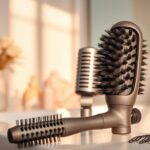
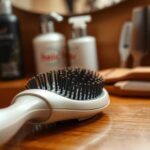
Hair styling combs have been essential tools in grooming practices for centuries, bridging tradition and modernity. From the ornate combs of ancient civilizations to the sleek designs seen today, these tools have a fascinating history that reveals much about societal norms and beauty standards.
As we explore the evolution of the hair styling comb, we uncover its significance across different cultures, the diversity of available types, and how design influences user experience. This journey not only highlights the practicality of these grooming essentials but also their role in promoting hair health and expressing personal style.
The historical significance of the hair styling comb in grooming practices
The hair styling comb has played a pivotal role in grooming practices throughout history, serving not only as a practical tool but also as an expression of cultural identity and personal style. The evolution of combs reflects the changing aesthetics and social norms surrounding hair care, making them significant artifacts in the study of human culture. From ancient civilizations to today’s fashion-forward world, the comb has undergone transformations that parallel advancements in materials and techniques, highlighting its enduring importance.
The history of hair styling combs dates back thousands of years, with archaeological evidence suggesting their use in ancient Egypt, where they were often made from materials such as wood, ivory, and bone. In various cultures, combs have been adorned with intricate carvings, signifying status and style. For example, in the Ming Dynasty of China, combs were often crafted from jade or precious metals, reflecting the wealth and influence of their owners. Combs not only served practical functions of detangling and styling hair but also became symbols of beauty, sophistication, and social standing.
Materials used in traditional combs
The materials used to create combs throughout history varied widely, often indicative of societal norms, availability of resources, and technological advancements. The choice of material not only impacts the functionality of the comb but also its aesthetic appeal and cultural significance.
Combs from different eras and regions showcase a fascinating array of materials, including:
- Wood: Common in many cultures, wooden combs were favored for their durability and ease of crafting. They were often intricately carved and emblazoned with decorative motifs.
- Ivory: Highly valued in ancient societies, ivory combs were luxury items that symbolized wealth and refinement. Their smooth surface provided an elegant grooming experience.
- Metal: Combs made from metals like bronze and silver emerged in various cultures, particularly in Europe during the Middle Ages, often embellished with gemstones for added allure.
- Plastic: With the advent of industrialization in the 19th century, plastic combs became widely popular due to their affordability and versatility, revolutionizing personal grooming.
The transition in materials also reflects changing attitudes toward grooming and beauty. For example, the shift from natural materials to synthetic options in the 20th century demonstrates a move toward mass production and accessibility, allowing a broader audience to partake in hair styling practices.
In addition to practical uses, combs have served as cultural artifacts, with some historical figures known for their unique styles. The legendary Cleopatra, for instance, is often depicted with ornate hairstyles complemented by exquisitely designed combs that emphasized her royal status. Such representations illustrate how combs have transcended mere grooming tools, becoming symbols of identity and personal expression in various contexts.
Understanding the different types of hair styling combs available
When it comes to hair styling, the right comb can make all the difference. Each type of hair styling comb serves a specific purpose, catering to various hair types and styling needs. Understanding the differences between these combs will help you select the best tool for your styling routine and achieve the desired look with ease.
Different types of hair styling combs include wide-tooth combs, fine-tooth combs, and detangling combs. These combs are designed with unique features that cater to specific hair types, textures, and styles. Using the right comb not only enhances your styling process but also promotes hair health by minimizing damage during styling.
Types of Hair Styling Combs
To help you choose the best comb for your hair, here’s a breakdown of the most common types of hair styling combs along with their specific use cases:
| Type of Comb | Description | Best For |
|---|---|---|
| Wide-Tooth Comb | A comb with widely spaced teeth, ideal for detangling without pulling. | Curly, thick, or long hair; wet hair. |
| Fine-Tooth Comb | A comb with closely spaced teeth, perfect for detailed styling and finishing touches. | Straight or fine hair; precision styling. |
| Detangling Comb | Specifically designed with flexible bristles to gently remove knots. | All hair types, especially prone to tangles; wet or dry hair. |
| Rat Tail Comb | A comb featuring a long, pointed tail for sectioning hair and precision styling. | Sectioning hair for updos or precise styling. |
| Teasing Comb | A comb designed to add volume by backcombing the hair. | Creating volume and texture in hairstyles. |
Using the right type of comb is crucial not just for styling, but also for maintaining healthy hair. For example, a wide-tooth comb is ideal for detangling curly hair, as it minimizes breakage, while a fine-tooth comb is perfect for creating sleek, polished looks in straight hair. Each type of comb has its advantages, and knowing which one to use can elevate your hair styling game significantly.
Choosing the right comb is essential for both effective styling and hair health.
The impact of hair styling comb design on user experience
The design of a hair styling comb plays a crucial role in enhancing user experience, impacting functionality, comfort, and overall satisfaction. A well-thought-out design can make the process of styling hair more efficient and enjoyable, while a poorly designed comb can lead to frustration and inconvenience. It is essential to consider various factors, including material, shape, and ergonomics, to ensure that a hair comb meets the needs of different users.
The functionality and ease of use of a hair styling comb are heavily influenced by its design elements. For instance, the size and spacing of the teeth can determine how well the comb glides through the hair, affecting detangling and styling capabilities. A comb with wider teeth is often more suitable for thick or curly hair, while fine-toothed combs work better for straight or fine hair. Additionally, the material of the comb can impact static buildup and heat resistance, making it essential to select the right material for specific styling needs.
Ergonomic considerations in hair comb design
When designing a hair comb, ergonomic considerations are paramount to ensure comfort during use. Ergonomics involves creating products that fit the natural posture and movements of the user, thereby reducing strain and enhancing effectiveness.
Key ergonomic features that should be incorporated into hair comb designs include:
- Handle shape: A contoured handle that fits comfortably in the user’s hand can alleviate discomfort during prolonged use. Textured grips can also enhance control, particularly when the user is working with wet or slippery hair.
- Weight distribution: An evenly balanced comb reduces the effort needed to maneuver it through hair. A lightweight design can minimize fatigue, making styling sessions more enjoyable.
- Length and width: The dimensions of the comb should cater to various hair lengths and types. Longer combs are often preferred for styling longer hair, while compact designs are more suitable for travel and quick touch-ups.
Innovative comb designs have emerged in the market, capturing the attention of users seeking both functionality and style. For example, the Tangle Teezer combines a unique, flexible bristle structure with an ergonomic handle, enabling users to detangle hair efficiently without causing damage. Another notable example is the Wet Brush, designed specifically to be used on wet hair, featuring soft, flexible bristles that glide smoothly through tangles. These designs not only enhance the combing experience but also address specific hair care needs, showcasing the significant impact of thoughtful design on user experience.
Tips for maintaining and cleaning your hair styling comb
Keeping your hair styling comb in good condition is essential for achieving the best styling results. Regular maintenance and proper cleaning not only enhance the performance of your comb but also prolong its life, ensuring you can rely on it for years to come. Here’s a comprehensive guide on how to effectively clean and care for various types of hair combs.
Step-by-step guide to cleaning different hair combs
Cleaning your hair comb should be a regular part of your hair care routine. Depending on the material of your comb—plastic, wood, or metal—the cleaning method may vary. The following steps provide an effective approach to cleaning each type:
- Plastic Combs: Start by rinsing the comb under warm water to remove residue. Mix a few drops of mild shampoo with warm water in a bowl. Soak the comb for 5-10 minutes, then use a soft toothbrush to scrub any stubborn dirt or product buildup. Rinse thoroughly and let it air dry.
- Wooden Combs: Wood can be sensitive to water, so it’s crucial to avoid soaking. Wipe the comb with a damp cloth to remove dirt. For deeper cleaning, use a mixture of equal parts vinegar and water on a cloth, then wipe the comb and dry it immediately to prevent warping.
- Metal Combs: Metal combs are usually more durable. Rinse them in warm water and scrub with a toothbrush dipped in a mixture of baking soda and water to remove tarnish. Rinse and dry thoroughly to prevent rusting.
Importance of regular maintenance
Regular maintenance of your comb is vital for sustaining its longevity and functionality. Over time, hair products, oils, and dirt collect on the comb, which can affect its performance. Neglecting to clean your comb can lead to product buildup, making it less effective in styling and potentially damaging your hair.
“A clean comb is essential for healthy hair management.”
In addition, regularly checking for any signs of wear and tear, particularly with wooden or plastic combs, can help prevent breakage or splintering. A well-maintained comb not only performs better but also contributes to healthier hair by avoiding the transfer of oils and dirt.
Common mistakes while cleaning combs
When it comes to cleaning hair styling combs, several common mistakes can undermine their effectiveness. Awareness of these pitfalls can help you maintain your comb properly:
- Using Harsh Chemicals: Many people opt for strong cleaners, which can damage the comb material. Always stick to mild soaps or natural cleaning agents, as they are effective yet gentle.
- Skipping Drying: After cleaning, failing to dry the comb properly can lead to mold and mildew, especially for wooden combs. Always allow your comb to air dry completely.
- Neglecting Regular Cleaning: Some users clean their combs only when they notice a buildup, which can be too late. Implement a regular cleaning schedule, ideally once a week, to keep your comb in top condition.
By adhering to these cleaning and maintenance tips, you’ll ensure that your hair styling comb remains a reliable tool in your hair care arsenal, promoting healthier hair and better styling outcomes.
The role of hair styling combs in hair health and maintenance
Using hair styling combs is essential not only for achieving the desired look but also for maintaining healthy hair. The right comb can minimize damage, enhance texture, and promote scalp health. Understanding how combs impact hair can help individuals make informed choices that lead to healthier hair over time.
Selecting the appropriate hair styling comb is crucial for reducing hair damage and maintaining overall hair health. Combs designed for specific hair types—such as wide-toothed combs for thick or curly hair—can effectively detangle without causing excessive breakage. Using the right comb can significantly lower the risk of split ends and frizz.
Impact of Combing Techniques on Hair Texture and Scalp Health
Effective combing techniques play a pivotal role in enhancing hair texture and maintaining scalp health. Gentle, methodical combing can distribute natural oils from the scalp throughout the hair, fostering a healthy shine and reducing dryness. Here are some key practices to consider:
- Start at the ends: Begin detangling from the ends of the hair, gradually working your way up to the roots. This technique minimizes breakage.
- Avoid tugging: Use a gentle hand while combing to prevent unnecessary strain on the hair and scalp.
- Sectioning: Divide hair into manageable sections before combing to ensure that all strands are adequately addressed, reducing overall pulling.
- Frequency: Regular combing promotes scalp circulation and can help prevent buildup of excess products, which can lead to scalp irritation.
“Proper combing techniques not only enhance appearance but also contribute to the overall health of hair and scalp.”
Choosing Appropriate Materials for Combs to Minimize Static and Breakage
The material of the comb plays a significant role in its effectiveness and the health of the hair. Different materials can produce various effects, including static, which can lead to frizz and breakage. The following materials are commonly used in combs, each with distinct benefits:
- Wood: Wooden combs reduce static and are gentle on hair, making them ideal for all hair types.
- Plastic: While often more affordable, plastic combs can generate static electricity; choosing high-quality plastic can mitigate this issue.
- Metal: Metal combs are durable but can cause breakage if not used carefully. They are best for styling rather than detangling.
- Natural bristles: Combs with natural bristles help distribute oils evenly, promoting healthy hair and reducing frizz.
“Selecting the right material for your comb can make a significant difference in preventing static and hair breakage.”
Understanding the relationship between hair styling combs and hair health can lead to better hair care decisions. By employing the right techniques and choosing appropriate materials, individuals can enhance their hair’s appearance and maintain its integrity over time.
Creative hairstyles that can be achieved using a hair styling comb
Achieving trendy hairstyles doesn’t have to be a complicated process. With a hair styling comb, anyone can create a variety of stylish looks, whether it’s for a casual day out or a special occasion. The versatility of a comb allows for precise sections and smooth finishes, making it an essential tool in hair styling.
Different combing techniques can transform simple hairstyles into works of art. Here are some creative hairstyles that are not only fashionable but also easy to accomplish with just a comb.
Trendy Hairstyles Using a Hair Styling Comb
Understanding various hairstyles and their techniques can elevate your hair game. Here’s a list of trendy hairstyles that incorporate different combing styles:
- Sleek Low Bun: A polished and sophisticated look perfect for both formal and casual settings.
- Textured Waves: Effortlessly chic; creates volume and movement in the hair.
- Side Part with Loose Curls: A classic style that adds dimension and softness to any look.
- Pompadour: A bold choice that gives height and structure, ideal for both men and women.
- French Twist: Timeless elegance, great for updos that need to look refined and groomed.
To better understand how to achieve some of these styles, here’s a step-by-step process for creating a few popular looks using a hair comb:
Creating a Sleek Low Bun
A sleek low bun is not only trendy but also easy to create with a comb. Follow these steps to achieve this look:
1. Start with Clean, Dry Hair: Make sure your hair is free from any tangles.
2. Create a Part: Use your comb to create a straight part down the middle or to the side, depending on your preference.
3. Smooth the Hair: Gather your hair at the nape of your neck and use the comb to smooth it down, ensuring there are no bumps.
4. Secure with an Elastic: Once the hair is smooth, tie it into a low ponytail with a hair elastic.
5. Twist and Wrap: Twist the ponytail and wrap it around the base, forming a bun. Use bobby pins to secure it in place.
6. Finish with Hairspray: Lightly apply hairspray to keep the style in place.
Creating Textured Waves
Textured waves offer a relaxed, beachy vibe. Here’s how to achieve this style:
1. Start with Damp Hair: After washing your hair, towel dry it gently.
2. Apply Styling Cream: Use a styling cream for hold and texture, distributing it evenly through your hair.
3. Section the Hair: Use your comb to create sections in your hair.
4. Use a Comb to Create Waves: Take each section and lightly twist it with the comb, allowing it to form a wave.
5. Dry Naturally or Use a Diffuser: Let your hair air dry or use a diffuser attachment to gently dry your hair without disturbing the waves.
6. Finish with Sea Salt Spray: For added texture, finish with a sea salt spray.
Visualizing the Techniques
To visualize the techniques described, picture the following scenarios:
– Sleek Low Bun: Imagine a sleek, shiny bun resting gracefully at the nape of the neck, with every hair in place, exuding an air of sophistication.
– Textured Waves: Envision soft, tousled waves cascading down the shoulders, creating a casual yet trendy beach look, perfect for a sunny day out.
These hairstyles not only highlight the versatility of a styling comb but also demonstrate how simple techniques can elevate everyday looks to something special. With practice, you can master these styles and more, showcasing your creativity and personal flair.
Exploring the cultural significance of hair styling combs in various societies
Hair styling combs have long been more than mere tools for grooming; they are potent symbols of beauty, status, and cultural identity across the globe. From ancient civilizations to modern societies, these combs have played critical roles in rituals, ceremonies, and daily life, reflecting the values and aesthetics of different cultures.
The significance of hair combs varies greatly among cultures, illustrating their deep-rooted symbolism. In many societies, combs are not just functional items; they embody ideals of beauty and social standing. For instance, in Japan, the ornate kanzashi hair combs worn by geisha symbolize grace and artistry, while in various African cultures, combs can signify status and identity, often beautifully carved and representing intricate designs passed down through generations.
Cultural symbolism and rituals associated with hair combs
Hair combs often carry significant meanings in traditional rituals and ceremonies. These occasions highlight the importance of hair grooming and adornment in expressing cultural identity. Below are some notable examples of traditional combs and their associated meanings:
- Japanese Kanzashi: These decorative hairpieces are often worn by women during special occasions, such as weddings. The design and style of the kanzashi can signify marital status and age, making them an important cultural artifact.
- Maori Hair Combs: In New Zealand, Maori combs, known as “pāua combs,” are intricately carved from shells and are typically used in traditional ceremonies. They symbolize beauty and the connection to one’s ancestry.
- Indian Bridal Combs: In India, elaborate combs adorned with jewels and intricate designs are integral to bridal attire. They symbolize beauty and the transition into married life, carrying deep cultural symbolism.
- Native American Combs: Combs made from bone, wood, or shell are often used in rituals to honor the connection between the spirit and the physical world. They are sometimes gifted as tokens of respect and esteem.
In contemporary society, the interpretation and use of hair combs have transformed significantly. The aesthetic value of combs has surged, with many designers creating modern versions that blend traditional motifs with contemporary styles. This shift reflects a growing appreciation for craftsmanship and heritage, as individuals seek to connect with their roots while embracing modernity.
“The hair comb serves not just a practical purpose but also a canvas for self-expression and cultural heritage.”
As the world becomes more interconnected, the cultural significance of hair styling combs continues to evolve. They remain potent symbols of identity, beauty, and social standing, bridging the past and present while adapting to contemporary values and global trends.
The future of hair styling combs in technology and innovation
The hair styling industry is on the brink of a significant transformation, driven by technological advancements. Hair styling combs, an everyday tool for many, are now becoming integrated with features that enhance their functionality and user experience. As we look ahead, the future of these combs promises innovation that goes beyond traditional design.
Emerging technologies are set to redefine how we think about hair combs. With the integration of smart technology, combs may soon have the ability to analyze hair health and provide personalized styling recommendations. This evolution in design not only offers convenience but also promotes better hair care practices tailored to individual needs.
Integration of Smart Technology
Smart combs are emerging as a revolutionary concept in personal grooming. These innovative tools are designed to collect data about hair condition and provide real-time feedback on hair health. The technology leverages sensors that can gauge factors such as moisture levels, damage, and even scalp conditions.
The significance of these developments is illustrated by the following features of smart combs:
- Hair Analysis: Smart combs can assess hair health, identifying issues like dryness or split ends.
- Personalized Tips: Based on analysis, these combs can suggest specific products or techniques to improve hair condition.
- Data Tracking: Users can monitor their hair health over time, receiving insights about changes and improvements.
As these features become mainstream, we can expect a shift in how consumers approach hair care, moving towards a more informed and data-driven routine.
Comparative Features of Traditional vs. Futuristic Designs
The transition from traditional to futuristic comb designs showcases a clear distinction in functionality and user engagement. Traditional combs, while effective in their basic purpose, lack the ability to interact with users or provide insights.
The following points highlight the differences between conventional hair combs and their futuristic counterparts:
- Functionality: Traditional combs serve a single purpose, while smart combs offer multi-functional use including analysis and styling tips.
- User Interaction: Futuristic combs may feature apps that allow users to track their hair health and styling history.
- Material Technology: Advanced materials may be used in smart combs to enhance durability and performance, such as anti-static or antimicrobial properties.
As we look towards the next decade, it is likely that the demand for these innovative tools will rise, prompting manufacturers to prioritize technological advancements in their product lines.
Predicted Trends for the Next Decade
In envisioning the future of hair styling combs, several trends are expected to shape the market. The following predictions highlight potential developments that may become commonplace in the coming years:
- Increased Customization: Combs may offer customizable settings based on hair type and personal preferences.
- Integration with AI: Artificial intelligence could play a role in providing advanced recommendations and styling tutorials based on user data.
- Sustainability Focus: Future designs may prioritize eco-friendly materials and production processes to appeal to environmentally conscious consumers.
These trends, driven by consumer demands and technological innovation, suggest that the hair styling comb of the future will be smarter, more adaptive, and increasingly integral to personal grooming routines. As these advancements unfold, they will not only transform hair care but also redefine the relationship between users and their grooming tools.
Closing Notes
In summary, hair styling combs are more than mere accessories; they are cultural artifacts that contribute to personal grooming and hair health. Understanding their history, types, and maintenance tips empowers individuals to choose the right comb for their needs while appreciating its significance in beauty across cultures.
FAQ Summary
What materials are hair styling combs made of?
Hair styling combs can be made from various materials, including plastic, wood, metal, and ivory, each offering different benefits for hair care.
How often should I clean my hair styling comb?
It’s recommended to clean your hair styling comb at least once a week to prevent buildup of oils and hair products.
Can using the wrong comb damage my hair?
Yes, using the wrong type of comb for your hair type can lead to breakage and damage, so it’s important to choose a comb that suits your specific hair needs.
Are there combs that help with static in hair?
Yes, combs made from materials like wood or rubber can help reduce static electricity in hair.
What is the best comb for curly hair?
A wide-tooth comb is usually best for curly hair as it helps detangle without disrupting the natural curl pattern.