Hair brush for kids sets the stage for a journey into the world of children’s hair care, emphasizing the significance of choosing the right brush for their unique needs. A good hair brush not only supports the health and comfort of your child’s hair but also makes grooming a more enjoyable experience. Understanding the different hair types and preferences among children can help parents select a brush that suits their little one perfectly.
From ergonomic designs to fun colors, the right hair brush can transform a daily routine into a delightful activity. By exploring various brush types and maintenance tips, we can ensure that children develop a positive attitude toward hair care while keeping their brushes in top condition.
The Importance of Choosing the Right Hair Brush for Kids
Selecting the right hair brush for children is not just about convenience; it plays a crucial role in their overall hair health and comfort. Children often have delicate scalps and varying hair types that require specific care. A well-chosen hair brush can make daily grooming a positive experience rather than a painful one, helping to instill good hygiene habits from an early age.
Different hair types found in children necessitate various brush styles and materials. For instance, straight hair may be best suited to wide-toothed combs or paddle brushes that glide smoothly through without snagging, while curly hair benefits from brushes that are specifically designed to prevent frizz and breakage. Using the correct brush can minimize hair damage, reduce discomfort during brushing, and encourage healthier hair growth.
Hair Types and Suitable Brush Styles
Understanding the relationship between hair type and appropriate brush style is essential for maintaining hair health. Each hair type not only behaves differently but also has unique needs. Here are some common hair types found in children along with the recommended brushes for each:
- Straight Hair: A paddle brush or a wide-toothed comb is ideal. These tools help to detangle without causing breakage. Paddle brushes with flexible bristles can also help distribute natural oils from the scalp along the hair shaft, promoting shine and health.
- Curly Hair: A detangling brush or a wide-toothed comb works best to gently separate curls while minimizing frizz. Look for brushes designed specifically for curls, which often feature flexible bristles that can navigate the twists and turns of curly locks without pulling or ripping.
- Wavy Hair: A combination of a wide-toothed comb for detangling and a round brush for styling can be effective. The round brush can help create volume and definition in waves while ensuring that knots are removed gently.
- Fine Hair: Use a soft-bristled brush to avoid damage and breakage. Brushing fine hair too aggressively can lead to split ends, so a gentle approach is key.
- Thick Hair: A sturdy paddle brush or a boar bristle brush is suggested. These types offer the strength needed to handle thicker strands and can also help distribute oils for a healthier, shinier appearance.
Using the wrong brush can have a significant impact on a child’s hair and scalp. For example, brushes with hard bristles can cause unnecessary pain, leading to a negative brushing experience. This discomfort can make children dread hair care routines, potentially resulting in neglected hair and scalp problems such as tangles or irritation.
“The right hair brush is an investment in your child’s comfort and hair health.”
In conclusion, taking the time to choose the right hair brush tailored to a child’s specific hair type is essential. It not only helps prevent damage but also promotes a positive experience during hair care, contributing to a lifetime of healthy hair habits.
Features to Look for in a Kid-Friendly Hair Brush
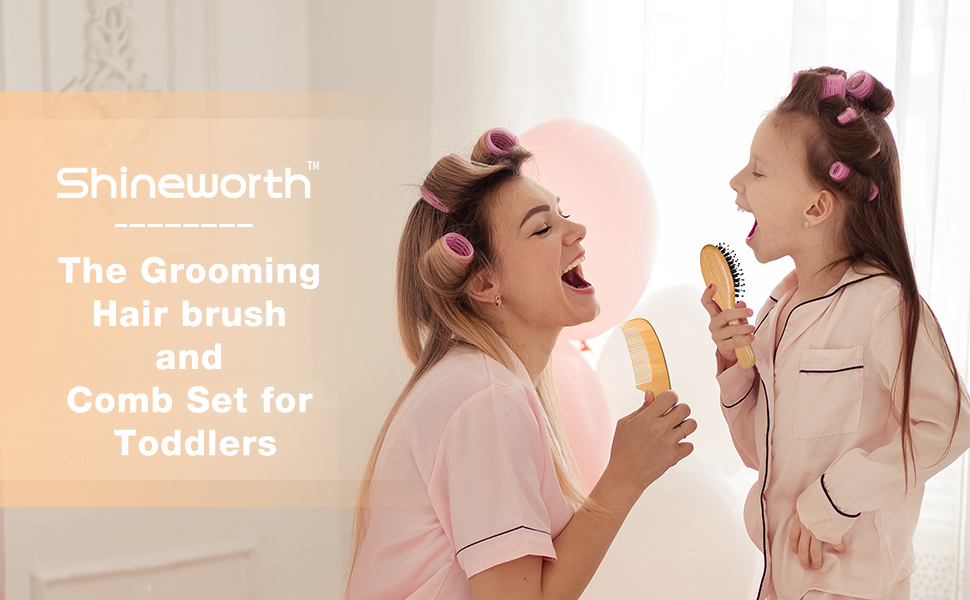
Choosing the right hair brush for kids is essential for making daily grooming a pleasant experience. A kid-friendly hair brush should not only cater to the unique needs of children’s hair but also ensure comfort and safety during use. Understanding the key features can help parents select a brush that is both functional and enjoyable for their children.
The design of a hair brush for kids should prioritize ease of use, safety, and comfort. One of the most critical aspects is the size of the brush, which should fit comfortably in a child’s hand. Additionally, the bristle material plays a significant role in how well the brush detangles hair without causing discomfort. An ergonomic design further enhances usability, allowing children to manage their own hair with confidence.
Essential Attributes for Safety and Comfort
When selecting a hair brush, it’s vital to consider features that enhance the safety and comfort of your child’s brushing experience. A well-designed brush will not only make hair care easier but will also reduce the risk of injury and discomfort. The following attributes are particularly important:
- Soft Bristles: Brushes with soft, flexible bristles help prevent pulling and tugging, making it more comfortable for children with sensitive scalps.
- Rounded Tips: Brushes that feature rounded tips on their bristles minimize the risk of scratching or injuring the scalp during use.
- Lightweight Construction: A lightweight brush is easier for small hands to maneuver, allowing kids to brush their hair without getting tired.
- Non-Slip Grip: A non-slip handle ensures that children can hold the brush securely, reducing the chances of dropping it while in use.
- Bright Colors and Fun Designs: Choosing brushes in vibrant colors or with favorite cartoon characters can make hair brushing a fun activity for kids.
Incorporating these features into a kid-friendly hair brush not only enhances the overall grooming experience but also encourages children to take responsibility for their own hair care. By prioritizing comfort and safety, parents can help foster a positive attitude towards grooming routines, ensuring that children enjoy their daily hair care activities.
Comparing Different Types of Hair Brushes for Kids
When it comes to choosing the right hair brush for kids, understanding the different types available can make a significant difference in both usability and effectiveness. This guide will compare paddle brushes, detangling brushes, and combs, highlighting their unique features, advantages, and drawbacks to help you make an informed decision.
Paddle Brushes
Paddle brushes are characterized by their flat, wide bases and bristles that are usually spaced widely apart. These brushes are ideal for straight hair and are great for quick styling.
- Pros:
- Efficient for detangling longer hair.
- Can smooth hair quickly, making it perfect for styling.
- Often come with cushioned bases, providing comfort during use.
- Cons:
- May not effectively detangle curly or thick hair.
- Can cause breakage if used aggressively on tangled hair.
- Not ideal for very young children who may be sensitive to pulling.
Detangling Brushes
Detangling brushes are designed specifically to gently remove knots and tangles without pulling or causing pain. They typically feature flexible bristles that glide through hair.
- Pros:
- Minimizes hair breakage and pain during detangling.
- Suitable for various hair types, including curly and textured hair.
- Allows for easy grooming and is often preferred by kids.
- Cons:
- May take longer to style compared to paddle brushes.
- Can be less effective for smoothing hair into styles.
- Some models may be more expensive than traditional brushes.
Combs
Combs are simple tools that can be used for both wet and dry hair. They come in various sizes and shapes, making them versatile for different grooming tasks.
- Pros:
- Ideal for precision styling and parting hair.
- Great for short hair and can easily manage baby fine strands.
- Often smaller and more portable, making them convenient for travel.
- Cons:
- Not suitable for detangling thick or curly hair.
- Can cause discomfort if used on tangled hair.
- Limited in styling capabilities compared to brushes.
Choosing the right type of hair brush depends heavily on your child’s hair length and texture. For instance, a paddle brush may work well for long, straight hair, while a detangling brush is better suited for curly or textured hair. Combs are excellent for short hair or for fine detailing. Always consider your child’s unique hair needs and preferences when selecting the best brush.
The Role of Color and Design in Kid’s Hair Brushes
The design and color of children’s hair brushes play a crucial role in making grooming routines enjoyable for kids. When a hair brush is visually appealing, it can significantly influence a child’s willingness to engage in daily hair care activities. Bright colors and fun designs can transform what might be seen as a chore into an exciting part of their routine.
The psychological effects of engaging designs are profound. Fun colors and cartoon characters can captivate a child’s attention, creating a positive association with hair care. For instance, a brush featuring a beloved cartoon character may motivate a child to care for their hair better, as they associate the activity with something they love. This connection fosters a more proactive attitude towards grooming and can lead to healthier hair habits.
Incorporating Children’s Preferences in Hair Brush Choices
Understanding children’s preferences is essential for selecting an appropriate hair brush. Parents can involve their children in the selection process, ensuring the brush is both functional and appealing. When kids have a say in choosing their grooming tools, they are more likely to take ownership of their hair care routines.
When considering children’s preferences, it’s important to focus on the following aspects:
- Color Choices: Bright colors such as pink, blue, and green often attract children. A brush in their favorite color can make a significant difference in their willingness to use it.
- Character Themes: Brushes that feature popular characters from TV shows or movies resonate well with kids. For example, a brush with a princess design can inspire a child to engage in grooming rituals.
- Shape and Size: Ergonomically designed brushes that fit comfortably in a child’s hand encourage them to participate actively. Brushes tailored to smaller hands empower children to take control of their grooming process.
- Interactive Features: Some brushes come with interactive elements, like lights or sounds, that can make brushing a more engaging experience. These features can transform grooming into a fun activity rather than a mundane task.
In summary, selecting a hair brush that aligns with a child’s aesthetic preferences can make a significant difference in their grooming habits. By choosing brushes that are colorful and fun, parents can foster a more positive attitude towards hair care, ultimately leading to improved hair health and hygiene habits.
Maintenance Tips for Keeping Kids’ Hair Brushes in Good Condition
Maintaining kids’ hair brushes is essential not just for their longevity, but also for promoting healthy hair and scalp hygiene. Regular cleaning and proper care can significantly extend the life of these grooming tools and ensure they remain safe and effective for daily use. Here’s a guide to help you keep your child’s hair brushes in tip-top shape.
Cleaning Process for Hair Brushes
To ensure that kids’ hair brushes remain functional and hygienic, a regular cleaning routine should be established. Here’s a step-by-step guide to cleaning hair brushes effectively:
- Remove Hair Strands: Begin by carefully pulling out any hair strands tangled in the bristles. Using a comb or your fingers can make this process easier.
- Rinse with Warm Water: Hold the brush under warm running water to loosen any product buildup. This will help in the subsequent cleaning process.
- Apply Soap or Shampoo: Use gentle soap or baby shampoo to clean the bristles. Work the soap into a lather using your fingers or a soft cloth.
- Soak the Brush: For stubborn buildup, let the brush soak in a mixture of warm water and soap for about 10-15 minutes.
- Rinse Thoroughly: Rinse the brush thoroughly under warm water to ensure all soap is removed. Make sure no residue remains caught in the bristles.
- Dry Properly: Shake off excess water and place the brush bristles down on a clean towel to air dry. Avoid using heat sources as they can damage the brush.
Preventing Bacteria Buildup
To maintain hygiene and prevent bacteria growth in kids’ hair brushes, the following methods should be employed regularly:
Regular cleaning is vital to prevent any moisture retention, which can lead to bacterial growth.
- Use Antimicrobial Products: Consider using hair brushes made with antimicrobial materials to minimize bacteria growth.
- Store Brushes Properly: Keep brushes in a dry environment. Avoid closed containers that can trap moisture, potentially fostering bacterial growth.
- Limit Sharing: Encourage children to use their own brushes instead of sharing with siblings or friends to reduce the risk of transferring bacteria.
- Regular Disinfection: Wipe the handle and bristles with a disinfectant wipe or a cloth sprayed with a disinfectant solution regularly.
Regular Inspections for Wear and Tear
It’s important to regularly check hair brushes for signs of damage. Over time, brushes can become less effective and even harm hair if not monitored.
Regular inspections can help detect wear before it becomes a problem.
- Check Bristles: Look for bent, broken, or frayed bristles that can snag and damage hair. If bristles are damaged, it may be time to replace the brush.
- Examine the Handle: Ensure the handle is intact and not cracked or broken, which can affect grip and usability.
- Observe Cleaning Frequency: If brushes are not cleaned regularly, it may lead to a faster deterioration of materials, necessitating more frequent replacements.
- Assess Overall Performance: If the brush feels less effective in detangling or styling, it might be showing signs of wear, indicating a need for replacement.
Encouraging a Positive Hair Care Routine for Children
Creating a positive hair care routine for children is essential for developing healthy grooming habits that last a lifetime. By making hair brushing a fun and engaging part of their daily routine, parents can help their children build a positive attitude towards hair care. The goal is to ensure that kids feel good about their hair, understand the importance of maintaining it, and enjoy the process of brushing.
Establishing rituals around hair brushing can transform it from a mundane chore into an enjoyable activity. Consistent routines provide children with a sense of security and familiarity, making them more receptive to participation. By incorporating fun elements and positive reinforcement, parents can encourage kids to embrace hair care rather than resist it.
Strategies to Make Hair Brushing Enjoyable
To make hair brushing a fun and engaging activity, parents can implement several strategies that promote a positive experience. Below are some effective tips to consider:
- Create a Fun Environment: Use colorful hair brushes and fun accessories that spark interest. Play upbeat music to create a lively atmosphere during the routine.
- Incorporate Storytelling: Turn hair brushing into a storytelling session. Encourage children to imagine their hair is a magical forest, and the brush is a friendly animal helping to keep it neat.
- Use Positive Reinforcement: Reward children for their cooperation with small incentives, such as stickers or a fun hair accessory. This reinforces positive behavior and makes them look forward to the activity.
- Make It a Family Activity: Brush your hair together with your child. Demonstrating that hair care is essential for everyone can build a sense of camaraderie and normalizes the routine.
- Let Them Choose: Allow children to pick their favorite hairbrush or hairstyle. Giving them choices fosters independence and makes them more invested in the process.
In addition to these strategies, establishing a consistent routine can significantly influence a child’s attitude towards hair care. Routines should be simple and predictable, such as brushing hair every morning and evening.
Routine builds familiarity, which can lead to comfort and reliance on hair care practices.
Creating a visual schedule with pictures can help remind kids about their hair care routine. By seeing what comes next, children are likely to feel more prepared and less resistant. Also, providing opportunities for children to participate in selecting hair products can make them feel involved and responsible for their hair’s well-being.
In conclusion, transforming hair brushing into an enjoyable experience is achievable through creativity and positive reinforcement. By employing these strategies, parents can foster a lifetime habit of taking care of their hair, ensuring their children grow up with a healthy self-image and a love for self-care.
Common Mistakes Parents Make When Choosing Hair Brushes for Kids
Choosing the right hair brush for children can be a daunting task for many parents. With the myriad of options available, it’s easy to fall into common traps that can lead to discomfort or even hair damage for your little ones. Understanding these mistakes can help ensure that you select a brush that promotes healthy hair and a positive grooming experience.
One frequent pitfall parents encounter is selecting brushes that are too harsh for their child’s hair type. Using the wrong bristles can lead to painful tugging and breakage. For example, brushes with stiff nylon bristles can be particularly problematic for kids with fine or curly hair, as they can snag and pull at delicate strands. On the other hand, brushes designed for thick or coarse hair may be unsuitable for fine hair, leading to frustration during brushing.
Choosing the Wrong Brush Type
Selecting the appropriate brush type is crucial for maintaining your child’s hair health. Here are key points to consider when avoiding this common mistake:
- Paddle Brushes: Best for straight, long hair. They help detangle without causing too much tension.
- Wide-Tooth Combs: Ideal for curly or thick hair, these minimize breakage and are gentler on knots.
- Boar Bristle Brushes: Excellent for fine hair, as they distribute natural oils and add shine without damaging hair.
It’s essential to match the brush type with your child’s specific hair texture and length to prevent discomfort and hair damage.
Ignoring the Size of the Brush
Another common oversight is not considering the size of the brush. A brush that is too large can be unwieldy for a child, while one that is too small may not effectively cover the hair’s surface. Using a brush that fits comfortably in your child’s hand can make brushing easier and more enjoyable.
For example, a small, lightweight brush can empower children to take charge of their grooming routine, while an oversized brush may slip from their grip. Selecting a brush with a comfortable handle ensures better control and reduces the chance of accidents.
Overlooking the Importance of Bristle Material
The material of the bristles can significantly impact how well a hair brush works. Parents often choose brushes based on appearance rather than functionality. Here are some critical factors to consider when selecting bristle materials:
- Natural Bristles: Offer gentler brushing and are less likely to create static, making them ideal for fine hair.
- Synthetic Bristles: Generally more durable and effective for thick hair but can be harsh on sensitive scalps.
Understanding these materials can lead to better choices that enhance comfort during hair care.
Neglecting Comfort and Ergonomics
Comfort and ergonomics are often disregarded when purchasing a hair brush. Brushes with uncomfortable handles can create a negative brushing experience. A good grip and lightweight design can make a significant difference. Look for brushes with soft-touch grips or contoured designs that fit comfortably in both adult and child hands.
Selecting the right hair brush is just as important as the products used on your child’s hair. A thoughtful choice can enhance their grooming routine and support healthy hair.
By avoiding these common mistakes, parents can ensure a more pleasant and effective hair care experience for their children, setting the foundation for lifelong healthy hair habits.
The Benefits of Using Eco-Friendly Hair Brushes for Kids
Choosing eco-friendly hair brushes for kids not only promotes a healthier grooming routine but also instills important values of sustainability from a young age. These brushes, made from sustainable materials, offer a multitude of benefits that enhance the grooming experience for children while being gentle on the environment.
Eco-friendly hair brushes are crafted from materials such as bamboo, recycled plastics, and natural fibers. These brushes tend to be softer on children’s delicate scalps, reducing the risk of irritation or discomfort during brushing. By opting for these sustainable alternatives, parents can ensure that the grooming tools they use are free from harmful chemicals and toxins commonly found in conventional brushes. Moreover, many eco-friendly brushes are designed to be biodegradable or recyclable, significantly lowering their environmental impact compared to traditional plastic brushes.
Advantages of Eco-Friendly Hair Brushes
When selecting an eco-friendly hair brush, it’s essential to recognize the advantages not only for the child but also for the planet. The following points highlight the key benefits of using these brushes:
- Gentle on Hair and Scalp: Eco-friendly brushes often feature natural bristles that minimize static and reduce breakage, making them ideal for the sensitive hair of children.
- Non-Toxic Materials: Many eco-friendly options are free from harmful substances, ensuring that your child isn’t exposed to any toxic chemicals during grooming.
- Support for Sustainable Practices: Purchasing eco-friendly products encourages companies to adopt sustainable practices, contributing to a healthier planet for future generations.
- Durability and Longevity: High-quality materials used in eco-friendly brushes often result in longer-lasting products, reducing the need for frequent replacements.
- Stylish Designs: Many eco-friendly brands create visually appealing designs that children love, making brushing a fun and enjoyable experience.
The market offers a variety of brands and options that cater to eco-conscious parents. Exploring these options can lead to making informed choices that benefit both the child and the environment. Here are some popular eco-friendly hair brush brands:
- EcoTools: Known for their commitment to sustainability, EcoTools offers brushes made from recycled materials and bamboo.
- Bamboo Hair Brush Co: This brand specializes in 100% biodegradable brushes, crafted from sustainably sourced bamboo.
- Green Brush: They focus on creating brushes using sustainable wood and natural bristles, ensuring a low environmental impact.
- Wild Sage: Their eco-friendly brushes are made from renewable resources and are designed for durability and style.
- Earth Therapeutics: This brand emphasizes natural materials and offers brushes that are gentle and effective for children’s hair.
Opting for eco-friendly hair brushes is a small yet impactful choice that supports sustainability efforts while providing children with safe and effective grooming tools. Investing in these brushes fosters a sense of environmental responsibility in kids, encouraging them to make thoughtful choices as they grow.
Ending Remarks
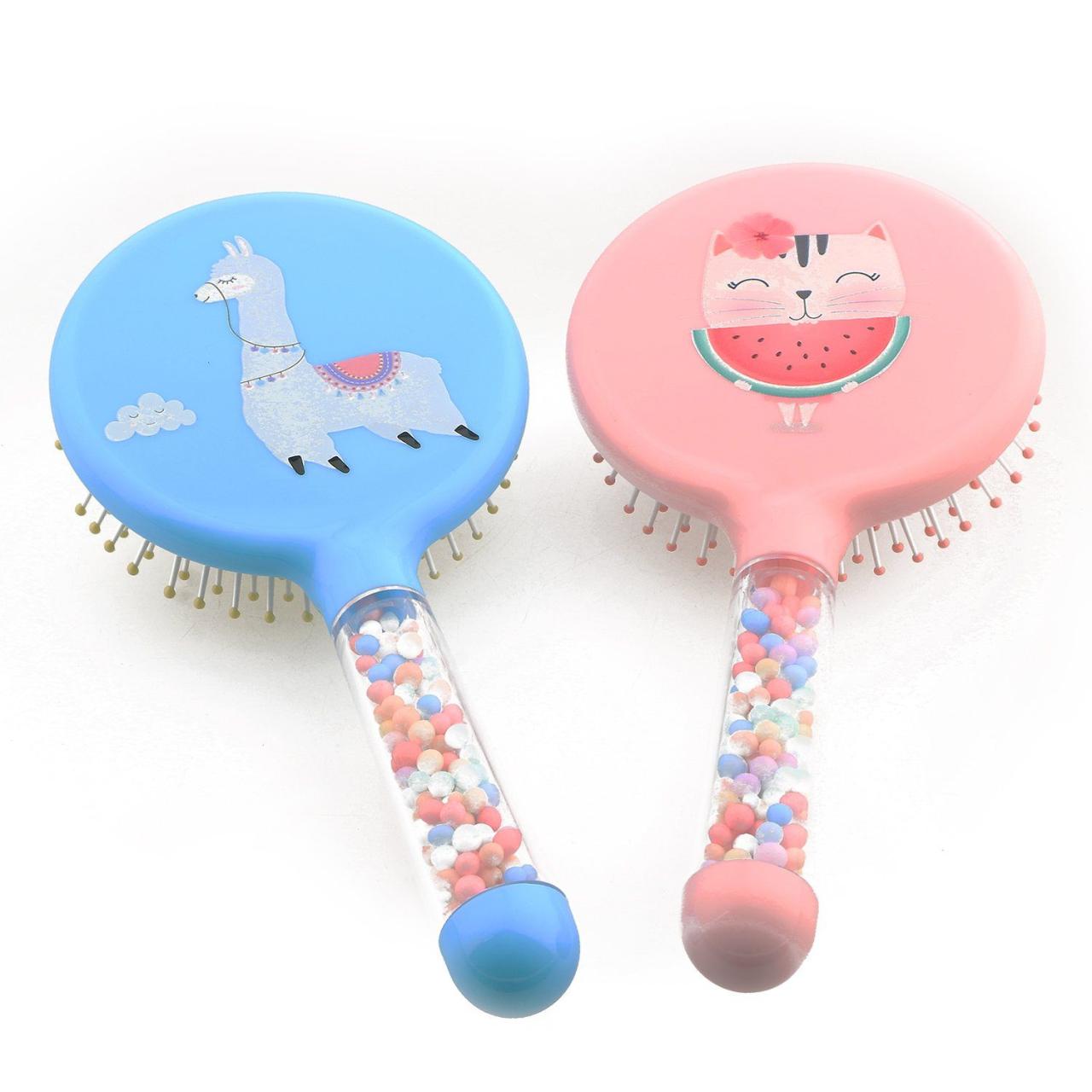
In conclusion, selecting the perfect hair brush for kids goes beyond mere aesthetics; it is about fostering healthy hair habits and making grooming an enjoyable ritual. By considering the unique needs of children, understanding what features to prioritize, and incorporating fun designs, parents can help their kids embrace hair care with enthusiasm. With the right tools and a positive approach, brushing can become a cherished part of their daily routine.
FAQ Guide
What size of hair brush is best for children?
A small, lightweight brush is best for children, allowing them to hold it easily and manage their hair without strain.
How often should I clean my child’s hair brush?
It’s a good idea to clean the hair brush weekly to prevent the buildup of dirt and oils.
Are there specific brushes for different hair textures?
Yes, different hair textures, such as straight, wavy, or curly, may benefit from specific brush types designed to minimize damage and enhance styling.
Can using the wrong hair brush damage my child’s hair?
Absolutely, using an inappropriate brush can lead to breakage, tangles, and discomfort for your child’s scalp.
What are some eco-friendly options for children’s hair brushes?
Look for brushes made from bamboo or recycled materials, which are better for the environment and often healthier for kids.