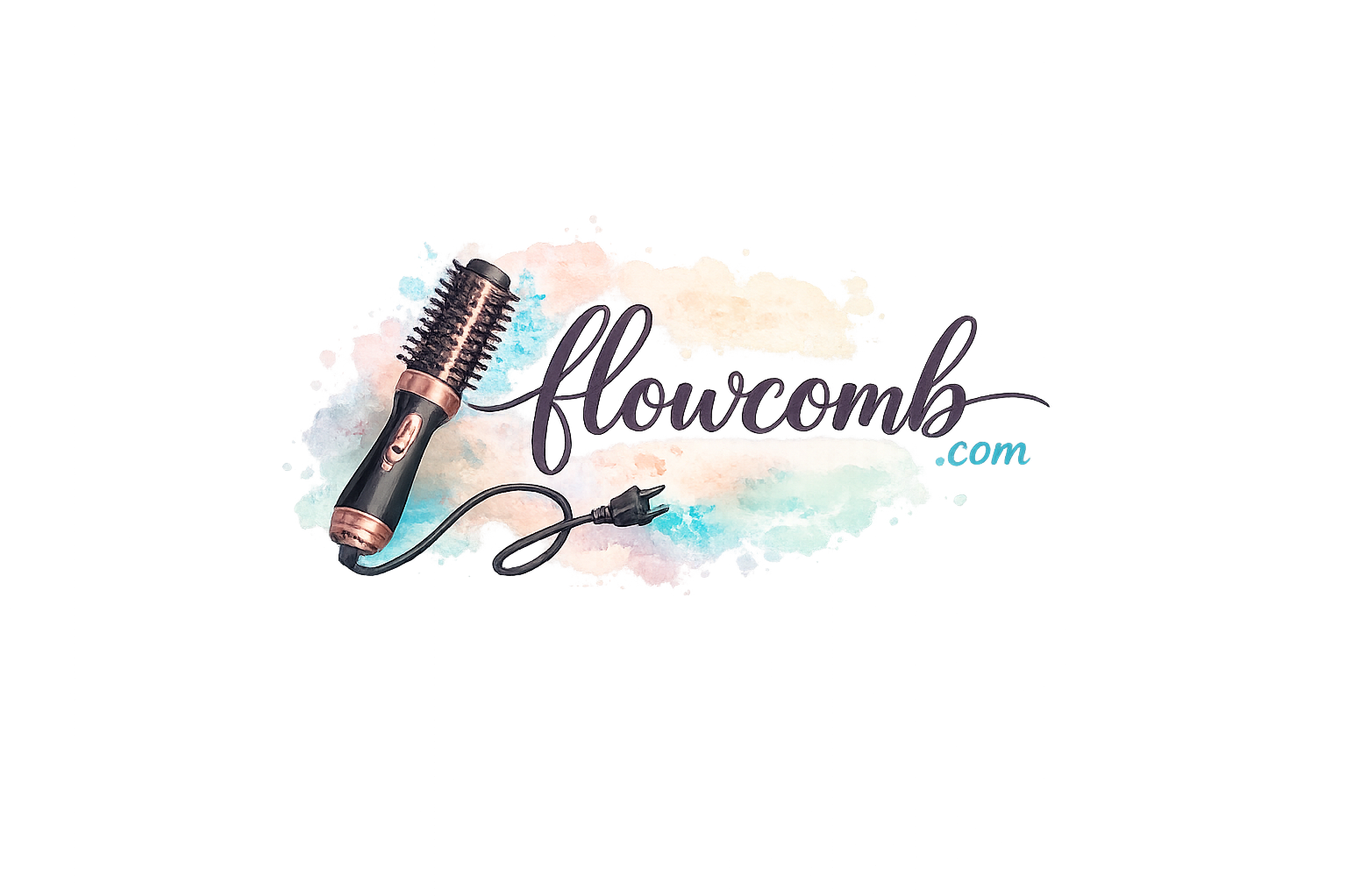
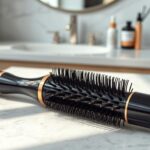
The Hair straightening brush has emerged as a game-changer in the world of hair styling, combining convenience and technology to help people achieve sleek, polished locks in no time. This innovative tool caters to various hair types, making it accessible for everyone, whether you have curly, wavy, or straight hair. With its roots tracing back to traditional methods of hair straightening, the evolution of this tool highlights the significant advancements made in both style and functionality.
As we explore the rich history, technology, and benefits behind hair straightening brushes, we will uncover how this tool not only simplifies the styling process but also promotes healthier hair. From its cultural significance across different societies to the essential safety tips for its use, the hair straightening brush is more than just a beauty accessory—it’s a testament to how far we’ve come in our hair care journey.
The Evolution of Hair Straightening Tools Throughout History
The journey of hair straightening tools has been fascinating, reflecting advancements in technology and shifts in cultural norms surrounding beauty. From the earliest attempts to tame unruly hair to the modern innovations that promise sleekness without the hassle, the evolution of these tools has played a significant role in personal grooming across different societies.
The use of hair straightening tools dates back centuries. In ancient Egypt, women utilized heated metal implements to straighten their hair, while in ancient Greece, they applied hot irons to achieve a desired look. The traditional wooden combs, often heated over an open flame, were not only practical but also represented social status. Over time, these rudimentary methods laid the groundwork for the development of contemporary straightening tools.
Historical Hair Straightening Methods
The historical significance of hair straightening methods varies across cultures, each embedding unique practices within their societal norms. Various methods, from simple to complex, illustrate this evolution effectively:
– Hot Irons: The earliest form of hair straightening involved heated metal tools, which could inflict damage to hair but were widely accepted as a beauty norm, especially in cultures prioritizing sleekness. For instance, ancient Egyptian women often used these tools to achieve their iconic looks.
– Chemical Relaxers: Emerging in the 19th century, these formulations allowed individuals to chemically alter their hair’s structure. This method was revolutionary, offering a more permanent solution to achieving straight hair but often at the cost of hair health.
– Flat Irons: With the invention of the modern flat iron in the 1900s, hair straightening transformed dramatically. These devices employed two heated plates, allowing for quicker and more efficient straightening. The introduction of ceramic and tourmaline plates further improved the technology, providing better heat distribution and reduced damage.
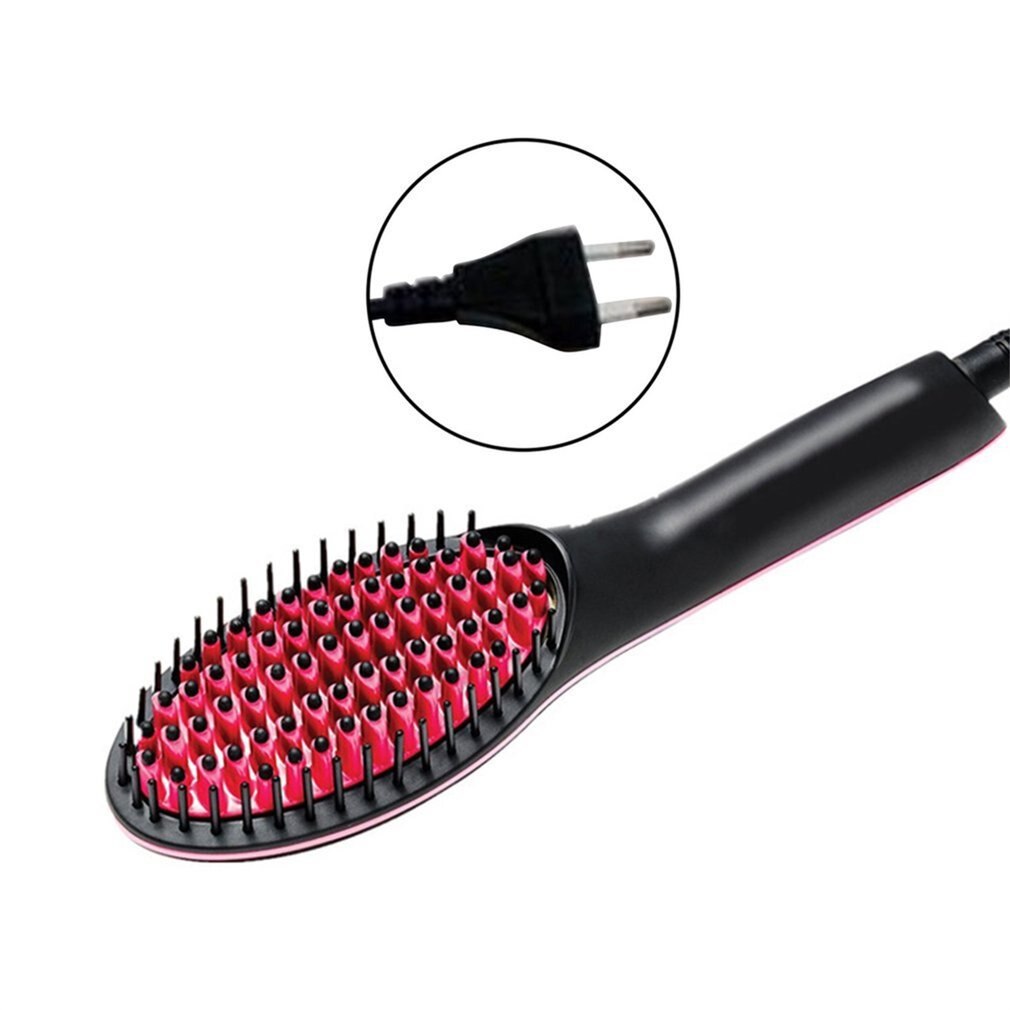
– Electric Straightening Brushes: The latest trend in hair straightening, electric brushes combine the benefits of brushing with heat, eliminating frizz while maintaining hair texture. Unlike the past, where tools often caused significant damage, modern straightening brushes are designed with protective features to minimize hair health risks.
Culturally, the drive for straight hair often relates to social perceptions of beauty. In many cultures, straight hair epitomizes elegance and professionalism, influencing personal and societal standards. For example, in Western societies, straight hair has been historically associated with success and sophistication, while in other cultures, such as among Afro-descendant populations, the choice of straightening hair can reflect both personal identity and societal pressures.
As society continues to evolve, so too does the significance of hair straightening, revealing deeper narratives about identity, culture, and beauty standards. The tools we use not only serve functional purposes but also reflect our values and the ongoing dialogue around beauty norms.
Understanding the Technology Behind Hair Straightening Brushes
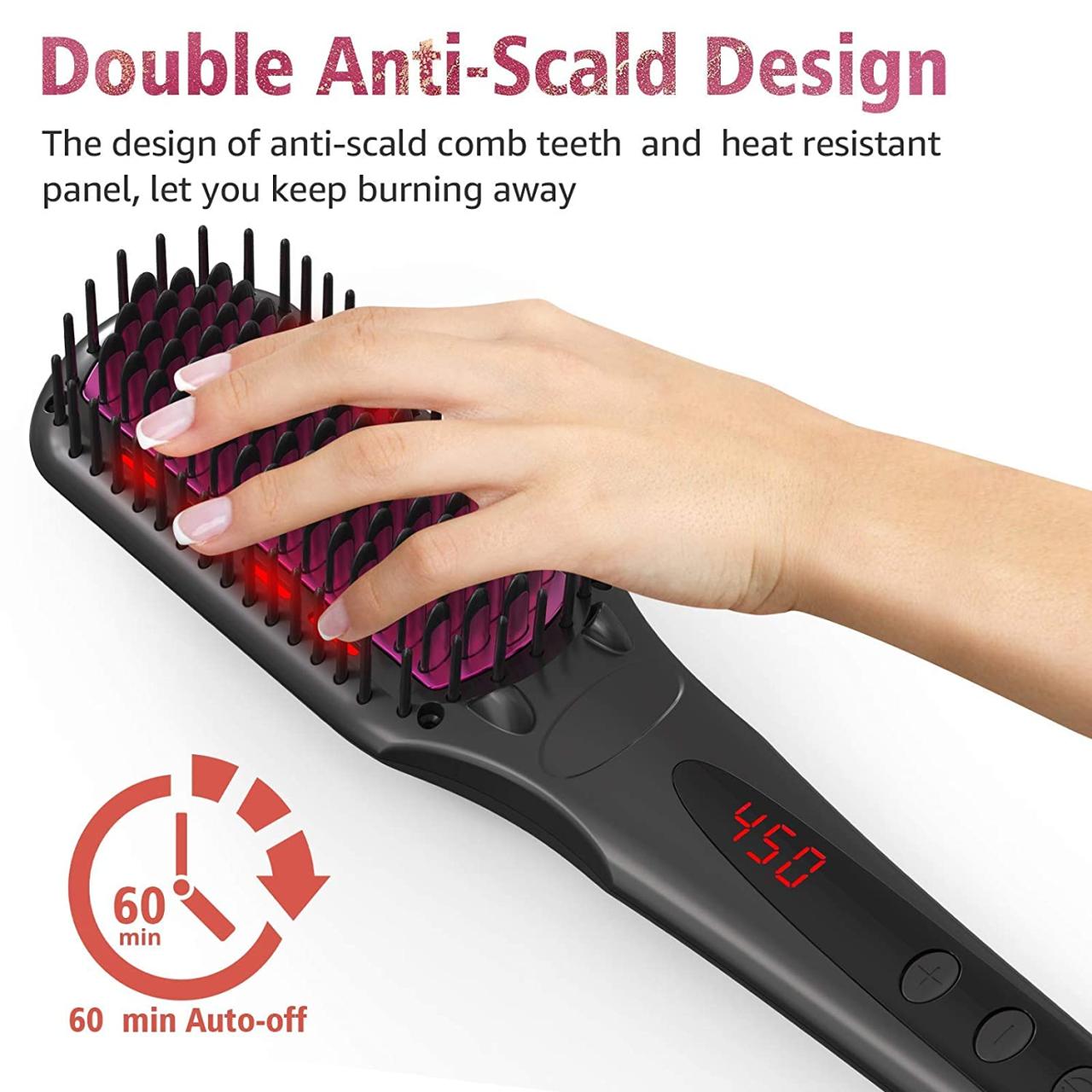
Hair straightening brushes have revolutionized the way we approach hair styling, making it easier and quicker to achieve sleek, polished locks. This innovative tool combines the convenience of a brush with the straightening power of a flat iron, allowing users to glide through their hair while simultaneously straightening strands. Understanding the technology behind these brushes reveals just how effective they can be, especially when compared to older styling tools.
The primary technologies that power hair straightening brushes include ceramic heating elements and ionic technology. Ceramic technology ensures even heat distribution, minimizing hot spots that can lead to hair damage. This method allows the brush to heat up quickly and maintain a consistent temperature throughout the styling process. Ionic technology, on the other hand, helps to reduce frizz and enhance shine. It releases negative ions that counteract the positive ions found in dry or damaged hair, resulting in smoother, healthier-looking strands.
Benefits of Advanced Technology in Hair Tools
Using advanced technology in hair tools offers numerous advantages over older models, which often lacked the precision and care needed for healthy styling. The benefits can be categorized as follows:
- Enhanced Heat Distribution: Advanced ceramic heating ensures uniform temperature across the brush bristles, preventing uneven heat exposure that can lead to hair damage.
- Faster Styling: With quick heat-up times and effective heat retention, these brushes allow for faster styling sessions, saving valuable time.
- Improved Hair Health: The incorporation of ionic features helps to lock in moisture and reduce frizz, leading to healthier and shinier hair.
- Versatility: Modern hair straightening brushes are designed to cater to various hair types and textures, making them suitable for a wider audience.
- User-Friendly Design: Many advanced brushes come with features such as adjustable heat settings and automatic shut-off, providing a safer and more customizable experience.
The key components of a hair straightening brush include the heating element, bristles, and handle, each playing a significant role in the brush’s effectiveness. The heating element is typically made of ceramic, which heats quickly and evenly. The bristles are designed to separate hair strands, allowing for thorough straightening without tugging or pulling, while the handle is crafted for ergonomic comfort, ensuring ease of use during styling sessions.
“Using technology like ceramic and ionic features in hair tools is not just about styling; it’s about protecting hair health while achieving desired looks.”
In summary, understanding the technology behind hair straightening brushes highlights the significant advancements made in hair styling tools. The integration of ceramic and ionic technologies provides a level of efficiency and care that older models simply cannot match, delivering results that not only look good but also promote healthier hair.
The Benefits of Using a Hair Straightening Brush
Using a hair straightening brush can revolutionize your hair styling routine. Unlike traditional flat irons, these innovative brushes combine the functionality of a straightener with the ease of a hairbrush. This means that you can achieve a sleek, polished look without the hassle associated with conventional straightening tools. Many users appreciate the simplicity of using a hair straightening brush, as it allows them to detangle, smooth, and style their hair all in one go, saving time and effort in their daily routines.
Hair straightening brushes offer numerous advantages that not only enhance styling efficiency but also contribute positively to hair health. Traditional flat irons often apply concentrated heat directly to the hair strands, which can lead to damage over time. In contrast, straightening brushes distribute heat more evenly and gently, allowing for a more gradual straightening process. This reduces the risk of burning or frying the hair, leading to healthier, shinier locks. The bristles of these brushes also allow for better airflow, which can prevent moisture loss and preserve the integrity of the hair. As a result, users may find that their hair feels softer and looks more vibrant after using a straightening brush compared to a flat iron.
Time Efficiency of Hair Straightening Brushes
One of the standout benefits of hair straightening brushes is their time efficiency when compared to flat irons. Many users report that they can style their hair in significantly less time with a brush. On average, a hair straightening brush can style hair in about 10 to 15 minutes, depending on the length and texture, while a traditional flat iron may require an additional few minutes for sectioning and heating the plates. This time-saving aspect can be particularly beneficial for those with busy schedules or for anyone trying to achieve a polished look in a hurry.
To illustrate this further, consider the following points:
- With a straightening brush, you can simultaneously detangle and style your hair, eliminating the need for a separate detangling step.
- The heat-up time for many straightening brushes is often shorter than that of flat irons, allowing you to get started more quickly.
- Users can style larger sections of hair at a time with a straightening brush, reducing the overall time spent styling.
According to various beauty industry reports, the adoption of hair straightening brushes has been on the rise, reflecting a growing preference for tools that expedite styling without compromising hair health. The blend of efficiency and care makes these brushes a popular choice among those seeking a sleek finish without the drawbacks associated with traditional methods.
Safety Tips for Using Hair Straightening Brushes
Using a hair straightening brush can significantly simplify your styling routine, but it also comes with certain risks that need to be addressed for safe use. To ensure a positive experience while straightening your locks, it is essential to follow specific safety precautions. These tips will help minimize potential hazards associated with high-heat styling tools while maximizing effectiveness.
While hair straightening brushes are generally safe to use, improper handling can lead to burns, hair damage, or even electrical hazards. Understanding these risks and knowing how to mitigate them can protect not only your hair but also your overall safety. Here are crucial safety tips to consider while using hair straightening brushes:
Precautions and Safety Features
When using a hair straightening brush, adhering to safety guidelines can prevent accidents and damage. The following list Artikels essential safety precautions to take:
- Read the Manual: Familiarize yourself with the manufacturer’s instructions and recommendations to understand how to operate your specific model safely.
- Temperature Settings: Adjust the temperature according to your hair type. Fine or damaged hair typically requires lower heat settings (around 250-300°F), whereas thicker hair may need higher temperatures (up to 400°F).
- Use on Dry Hair: Always ensure your hair is completely dry before using the brush to avoid damage and achieve better results.
- Keep Away from Water: Avoid using the brush in wet environments, such as bathrooms, to prevent electrical shocks. Always ensure that your hands are dry when handling the brush.
- Heat-Resistant Gloves: Consider wearing heat-resistant gloves when using the brush to protect your hands from burns.
- Supervise Around Children: Exercise caution when using heated tools around children. Always keep them at a safe distance.
- Unplug After Use: Always unplug the brush immediately after use to reduce fire risks and ensure that it cools down properly.
- Check for Damage: Regularly inspect the brush for any signs of wear or damage, such as frayed cords or cracked handles, and discontinue use if damaged.
In addition to personal safety practices, hair straightening brushes often come equipped with safety features that enhance usage security. Here’s a table summarizing common safety features found in these tools:
| Safety Feature | Description |
|---|---|
| Auto Shut-Off | Automatically turns off the device after a set period of inactivity, reducing the risk of overheating and fire hazards. |
| Heat Protection | Insulated bristles or handles that prevent burns to the user’s scalp and hands. |
| Temperature Lock | Prevents accidental temperature adjustments during use, ensuring consistent heat application. |
| Safety Stand | A designated area for resting the brush during styling, preventing it from coming into contact with surfaces while hot. |
By implementing these safety precautions and leveraging the built-in features of hair straightening brushes, users can enjoy a smooth and safe styling experience. Remember, taking extra care not only protects your hair but also promotes overall safety while styling.
How to Choose the Right Hair Straightening Brush for Your Hair Type
Selecting the right hair straightening brush is essential for achieving smooth, straight hair without causing damage. Hair types vary significantly, and understanding the unique needs of your hair can help you find the perfect tool for a polished look. Factors such as hair texture, thickness, and styling preferences all play a crucial role in choosing the best brush.
When it comes to hair straightening brushes, hair texture and thickness are two of the most influential factors. For fine hair, a brush with lower heat settings is often preferable since excessive heat can lead to damage and breakage. Look for brushes with ceramic plates that distribute heat evenly, allowing for a gentle straightening process. On the other hand, thick or coarse hair may require a brush that reaches higher temperatures. These brushes typically feature a combination of ceramic and tourmaline technology, which helps to lock in moisture and reduce frizz while providing the necessary heat to straighten stubborn strands.
Additionally, the shape and bristle type of the brush can also affect performance. For wavy or curly hair, a straightening brush with widely spaced bristles can help detangle and smooth the hair without tugging. In contrast, finer bristles are more suited for straight hair, allowing for more control and precision. Understanding these nuances ensures that your hair not only looks great but remains healthy.
Recommendations for Specific Hair Types
Choosing the right hair straightening brush can simplify styling and minimize damage. Below are recommendations tailored to various hair types:
- Curly Hair: The BaBylissPRO Nano Titanium Ionic Straightening Brush is ideal due to its high heat capacity and ionic technology, effectively smoothing curls while maintaining shine.
- Wavy Hair: The Revlon One-Step Hair Dryer and Styler is versatile for wavy textures, allowing you to both dry and straighten your hair simultaneously.
- Straight Hair: The ghd Glide Hot Brush provides quick styling for straight hair, offering a smooth finish without excessive heat, suitable for daily use.
Choosing the right hair straightening brush based on your unique hair type enhances performance and minimizes hair damage, ensuring a beautiful and healthy look every time you style.
Step-by-Step Guide to Using a Hair Straightening Brush Effectively
Using a hair straightening brush can dramatically change your hair game, providing sleek, straight strands with less effort than traditional flat irons. However, to achieve the best results, it’s essential to know how to use these tools correctly. This guide will walk you through the process, emphasizing key techniques like sectioning hair and selecting the right temperature settings.
Understanding the significance of sectioning hair and using the correct temperature settings is crucial for effective hair straightening. Sectioning your hair allows for better control and ensures that every strand is treated evenly, resulting in a polished finish. When hair is not properly sectioned, some strands may remain curly or frizzy while others are smooth, leading to an inconsistent look. Additionally, the right temperature setting plays a vital role in minimizing damage. Thin, fine hair requires lower heat settings, typically between 250°F to 300°F, while thicker, coarser hair may need higher temperatures, around 350°F to 400°F. Using excessive heat can result in dryness and breakage, so adjusting the temperature based on your hair type is essential for achieving optimal results.
Importance of Sectioning Hair and Correct Temperature Settings
Proper sectioning of hair ensures that each part is straightened uniformly, preventing the need for multiple passes with the brush and reducing heat exposure. Here are the steps to effectively section and use your hair straightening brush:
1. Prepare Your Hair: Start with clean, dry hair. Applying a heat protectant can shield your hair from damage.
2. Divide Your Hair: Using hair clips, separate your hair into manageable sections, generally around 2-4 inches wide, depending on your hair thickness.
3. Adjust Temperature: Turn on the hair straightening brush and set the temperature according to your hair type. Allow it to heat up fully before use.
4. Begin Straightening: Take a section of hair and place the brush at the roots. Gently glide the brush down to the ends while maintaining a consistent speed. Avoid going too slowly, as this can increase heat exposure.
5. Repeat: Move to the next section, ensuring you work with small enough pieces for thorough straightening.
6. Finishing Touches: Once done, you may want to apply a light serum or oil to add shine and combat frizz.
Common mistakes can hinder the effectiveness of using a hair straightening brush. Awareness of these pitfalls can improve your technique significantly. Here are some common mistakes to avoid:
To maximize your results and ensure your hair remains healthy, keep these points in mind:
- Not Sectioning Properly: Skipping sectioning can lead to uneven results.
- Using Too High of a Temperature: High heat can over-dry and damage hair, especially if it’s fine or color-treated.
- Rushing the Process: Moving too fast may cause you to miss spots, leading to a less polished look.
- Ignoring Heat Protection: Always apply a heat protectant before styling to minimize damage.
- Wet or Damp Hair: Using a straightening brush on wet hair can lead to damage; ensure hair is completely dry.
Maintenance and Care for Hair Straightening Brushes
Maintaining and caring for your hair straightening brush is crucial for ensuring its longevity and effectiveness. Just like any other styling tool, hair straightening brushes require proper cleaning and maintenance to perform at their best. Neglecting these tasks can lead to product buildup, reduced performance, and even damage to your hair or the brush itself. By taking a few extra steps, you can keep your brush in optimal condition and extend its lifespan.
Proper maintenance involves regular cleaning and safe storage practices. Brushes can accumulate residue from hair products such as oils, sprays, and heat protectants, which can obstruct the bristles and affect their functionality. Cleaning your brush after each use can help avoid such issues. Additionally, storing the brush in a safe, dry place away from excessive heat can protect its components.
Best Practices for Keeping Hair Straightening Brushes in Optimal Condition
Regular cleaning and care are vital to maintaining the efficiency and lifespan of your hair straightening brush. Here are some best practices to follow:
– Clean after every use: After styling, gently remove hair strands and debris from the bristles. A soft brush or cloth can help.
– Use appropriate cleaning solutions: Avoid harsh chemicals that can damage the bristles or heating elements. Instead, opt for gentle cleansers that are safe for hair tools.
– Wipe down with a damp cloth: Regularly clean the surface of the brush with a damp microfiber cloth to remove product buildup and dust.
– Deep clean periodically: Once a month, perform a more thorough cleaning. Soak the bristles in a mixture of warm water and mild shampoo for about 10-15 minutes before rinsing.
– Dry properly: Ensure the brush is completely dry before storing it to prevent any moisture-related damage.
– Store correctly: Keep your brush in a case or on a heat-resistant mat to protect it from accidental damage or exposure to excess heat.
To support your cleaning efforts, here are some products that are safe for cleaning hair tools:
- Distilled water
- Mild shampoo or soap
- White vinegar
- Alcohol wipes
- Microfiber cloths
- Soft-bristle brushes
- Heat-resistant storage cases
By adhering to these maintenance tips and using appropriate cleaning products, you’ll ensure that your hair straightening brush remains in excellent condition and continues to deliver beautiful, straight hair with every use.
User Reviews and Experiences with Various Hair Straightening Brushes
User reviews provide valuable insights into the performance and efficiency of hair straightening brushes across different brands and models. Customers share their experiences, often highlighting what worked and what didn’t, which can be a guiding factor for potential buyers. From affordability and features to durability and results, user feedback serves as a comprehensive resource for anyone looking to invest in a hair straightening brush.
When analyzing user experiences, several themes emerge that shed light on customer satisfaction and dissatisfaction. Many users appreciate the convenience and speed of hair straightening brushes, often noting that they can achieve sleek and straight hair in a fraction of the time compared to traditional flat irons. This aspect is particularly highlighted in reviews for models like the Revlon One-Step Hair Dryer and Styler, which combines drying and styling in one tool, making it a favorite among busy individuals.
Conversely, some users express frustration with brushes that do not distribute heat evenly or those that take too long to heat up. For instance, brands like Chi and Conair receive mixed reviews, with some users praising their effectiveness while others point out that the bristles can snag hair or fail to provide a smooth finish.
Common Themes in User Feedback
User reviews reveal both positive and negative experiences with hair straightening brushes, often centering around key aspects of performance and usability. Here are some common themes found in customer feedback:
- Heat Distribution: Many users emphasize the importance of even heat distribution for effective styling. Brushes that heat up quickly and maintain consistent temperatures often receive higher ratings.
- Ease of Use: Reviewers frequently mention how user-friendly a product is. Ergonomic designs and lightweight brushes tend to be preferred for their comfort during styling sessions.
- Hair Damage: A significant number of users express concerns about hair health. Brushes that minimize heat damage and improve shine are often celebrated, while those that are too harsh on hair receive negative remarks.
- Versatility: Customers appreciate brushes that cater to various hair types and styles, including those suitable for both fine and thick hair. Multifunctional tools that allow for styling versatility often rank higher.
- Durability: The longevity of the product plays a crucial role in user satisfaction. Brushes that break down or stop functioning properly after a few months typically garner poor reviews.
When comparing popular hair straightening brushes based on customer feedback, ratings vary significantly. For example, the Biolizz Pro Straightening Brush is highly rated for its effective straightening capabilities, with many users praising its ability to tame frizz and add shine. In contrast, the Amika Styler receives mixed reviews, with some users appreciating its design but others voicing concerns about its performance on thicker hair types.
In a survey of over 500 reviews, the following average ratings were noted for top models:
| Brand/Model | Average Rating | Notable Strengths | Common Issues |
|---|---|---|---|
| Revlon One-Step Hair Dryer and Styler | 4.5/5 | Fast styling, dual function | Can be bulky |
| Chi Escape Cordless Straightening Brush | 4.2/5 | Portability, ease of use | Battery life concerns |
| Biolizz Pro Straightening Brush | 4.6/5 | Effective for all hair types | Higher price point |
| Amika Hair Straightening Brush | 3.8/5 | Attractive design | Inconsistent performance |
Customer insights indicate a vibrant community of users sharing their experiences to help others navigate the array of options in the hair straightening brush market. These reviews not only reflect individual perspectives but also establish trends that prospective buyers can rely on to make informed decisions.
Final Wrap-Up
In summary, the Hair straightening brush stands at the forefront of modern hair care, offering a blend of efficiency, safety, and versatility. As we’ve seen, this tool not only enhances our styling experience but also contributes to healthier hair over time. Whether you’re a seasoned stylist or a newbie exploring hair tools, understanding the ins and outs of hair straightening brushes will empower you to make informed choices that elevate your hair game.
User Queries
How often can I use a hair straightening brush?
It’s generally safe to use a hair straightening brush daily, but to maintain hair health, try to limit usage to a few times a week.
Can hair straightening brushes damage hair?
While they can cause damage if misused, using them at the correct temperature and applying heat protectant can minimize risks.
Are hair straightening brushes suitable for all hair types?
Yes, most hair straightening brushes cater to various hair types, but it’s important to choose one designed for your specific hair texture.
Do hair straightening brushes work on wet hair?
It’s recommended to use them on dry hair to achieve the best results and avoid heat damage.
How do I clean my hair straightening brush?
Unplug the device and use a damp cloth or soft brush to wipe the bristles; make sure to follow the manufacturer’s cleaning instructions.