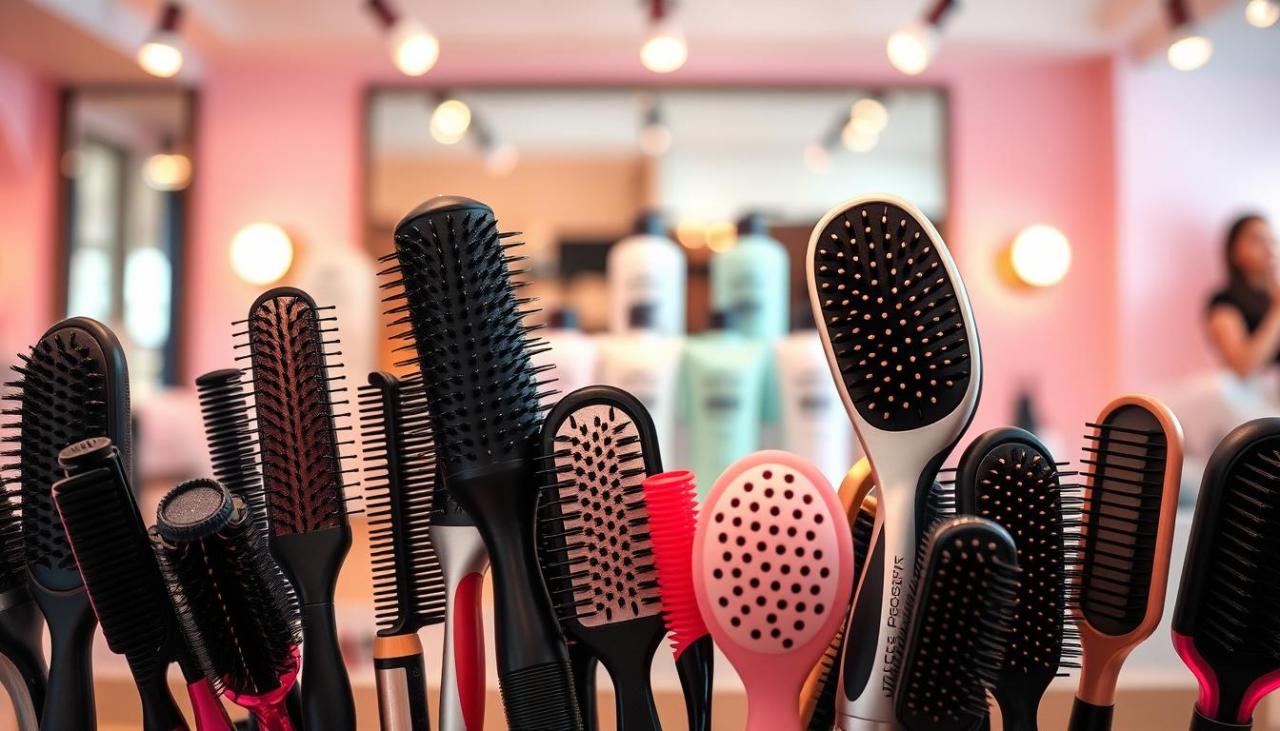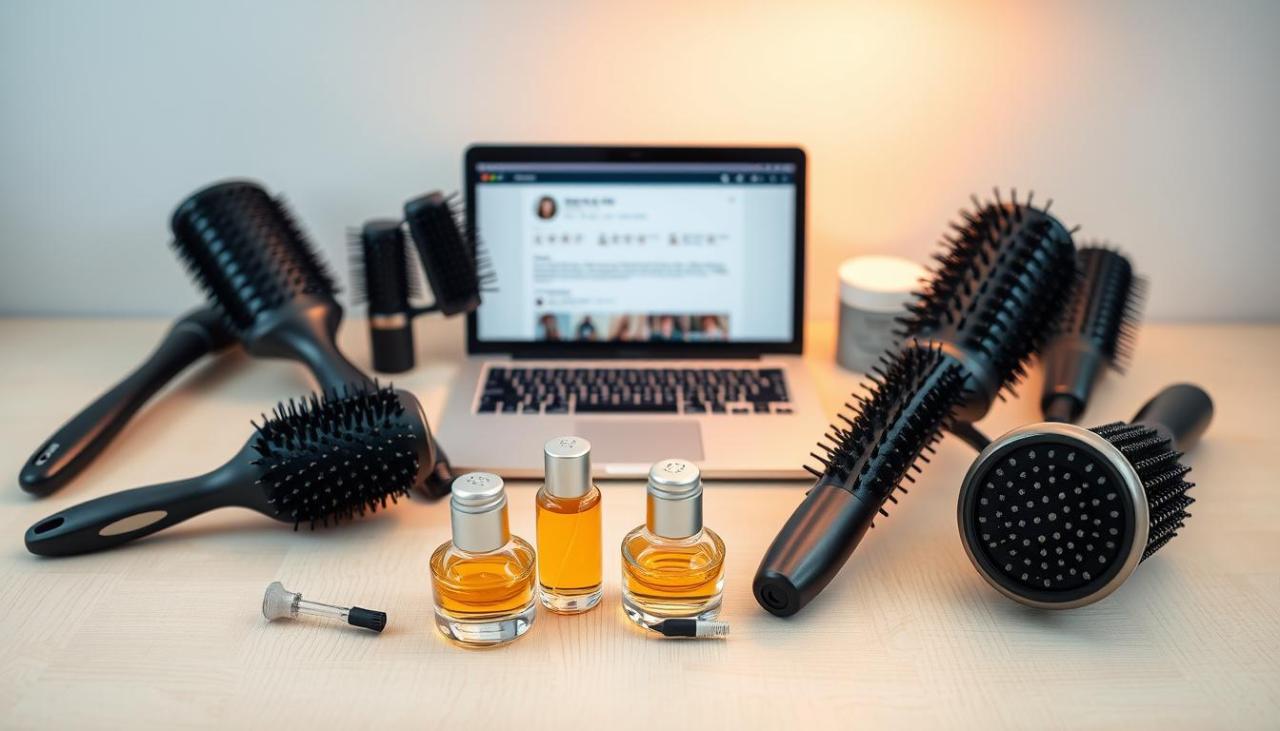

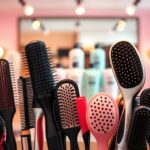
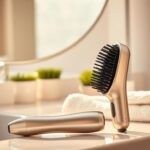
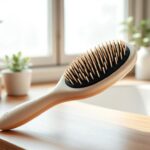
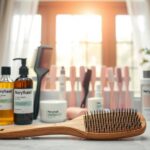
Hair Brush for Dry Hair is a critical topic for anyone struggling with maintaining healthy locks. Dry hair can be a challenge, but with the right brush, you can significantly improve its manageability and appearance. Choosing the right brush not only addresses the unique needs of dry hair but also prevents further damage, making your hair look shinier and feel softer. In this guide, we’ll explore why specific brushes are essential for dry hair, what materials work best, and effective brushing techniques to avoid breakage.
Understanding the characteristics that differentiate hair brushes designed for dry hair from those for other types is vital. Natural bristles often provide a gentler touch, while synthetic ones may cause more friction. We’ll discuss common pitfalls of using unsuitable brushes and how certain techniques can transform your hair care routine.
The Importance of Choosing the Right Hair Brush for Dry Hair
Selecting the right hair brush is crucial, especially for those with dry hair. Dry hair tends to be more fragile and prone to breakage, making it essential to use tools that cater specifically to its unique needs. A suitable hair brush can help reduce damage, improve manageability, and enhance overall hair health. Understanding the characteristics that differentiate brushes designed for dry hair from those intended for other hair types is vital to maintaining beautiful locks.
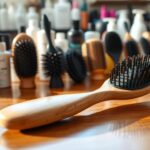
Hair brushes for dry hair are typically designed with specific features that cater to the needs of brittle, dehydrated hair. One of the primary characteristics is the bristle type. Natural bristles, such as boar bristles, are gentle on dry hair and help distribute natural oils from the scalp down to the hair shaft, providing moisture and shine. This contrasts with synthetic bristles, which may create friction and lead to further dryness and damage. Additionally, the shape and design of the hair brush play a critical role. Brushes with wide-set bristles enable better detangling without pulling on the hair, which is essential for minimizing breakage.
Another significant aspect is the brush’s construction. Brushes specifically made for dry hair often feature a cushioned base that provides flexibility while brushing, reducing the risk of snapping the hair. Furthermore, many of these brushes incorporate heat-resistant materials, which allow for safe use even during styling with heat tools. When considering the right brush, it’s also important to think about the size and shape; for instance, a paddle brush can be beneficial for smoothing out larger sections of hair, while a round brush can add volume and style as needed.
Using the wrong hair brush on dry hair can lead to multiple problems. For example, using a brush with stiff plastic bristles may cause pain and lead to an increase in split ends. Additionally, some brushes may create static, exacerbating dryness and making hair appear frizzy. Another common issue is tangling; inappropriate brushes can snag on the hair, leading to breakage and loss of hair health. Therefore, investing in a brush designed specifically for dry hair is essential for maintaining its integrity and appearance.
Choosing the right brush not only enhances styling but also protects hair health.
Materials Used in Hair Brushes and Their Impact on Dry Hair
Choosing the right hair brush is crucial, especially for those with dry hair. The materials used in hair brushes significantly affect how they interact with hair texture, moisture retention, and overall health. Understanding the different materials can help you select a brush that minimizes damage and enhances manageability.
There are several materials commonly used to create hair brushes, each with distinct benefits and drawbacks for dry hair. The two primary categories are natural and synthetic materials. Natural bristles, usually made from animal hair such as boar or horse, are known for their ability to distribute natural oils from the scalp throughout the hair. This characteristic helps to keep dry hair moisturized and can add shine and smoothness. On the other hand, synthetic bristles, typically made from nylon or polyester, can be more durable and resistant to heat and chemicals. However, they may not provide the same level of moisture retention as natural bristles and can sometimes create static, worsening dryness.
Comparison of Natural and Synthetic Bristles
When comparing natural and synthetic bristles, the effectiveness for dry hair can be attributed to several factors. Natural bristles are often softer, allowing for gentle detangling without causing breakage. Their ability to distribute oils aids in hydration, making them ideal for dry and brittle hair. In contrast, synthetic bristles tend to have a stiffer feel, which can make them effective for styling but may lead to more friction and potential damage for those with dry hair.
The construction of the brush also plays a critical role in hair health. Brushes with a wider spacing between bristles can reduce pulling and tugging, allowing hair to glide through more smoothly. Conversely, densely packed bristles can create more tension, which is not ideal for dry hair as it increases the risk of breakage. Additionally, the shape of the brush, whether flat or round, affects styling techniques and the ability to reach the scalp, further influencing overall hair health and manageability.
“Choosing the right materials in a hair brush can significantly impact the hydration and overall condition of dry hair.”
Techniques for Effectively Brushing Dry Hair
Brushing dry hair can be a delicate task that requires care and the right techniques to avoid damage and enhance shine. When done improperly, brushing can lead to breakage, split ends, and a frizzy appearance. However, mastering effective brushing techniques can not only promote healthier hair but can also bring out a natural luster. This guide explores the best practices for brushing dry hair, ensuring that every stroke contributes to the overall health and beauty of your locks.
Best Practices for Brushing Dry Hair
When it comes to brushing dry hair, preparation and technique play critical roles in minimizing damage and promoting shine. Follow these steps to brush your hair effectively:
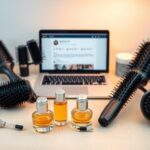
1. Pre-Brushing Treatment: Before you even pick up your brush, consider applying a leave-in conditioner or a light hair oil to your dry hair. This will create a protective barrier and help to smooth the cuticles, reducing friction and static.
2. Choose the Right Brush: Opt for a brush that suits your hair type. For fine hair, a wide-tooth comb or a soft-bristle brush works best, while thicker hair may benefit from a paddle brush with sturdy bristles.
3. Section Your Hair: Divide your hair into manageable sections using clips. This allows you to concentrate on one section at a time and ensures that you’re less likely to tug at your hair.
4. Start from the Ends: Begin brushing at the tips of your hair and gradually work your way up. This technique prevents pulling and breaking the hair shafts. If you encounter tangles, gently work them out with your fingers before using the brush.
5. Use Gentle Strokes: Brush slowly and gently, using light pressure. Quick, harsh strokes can lead to breakage. If your hair is particularly tangled, consider holding the section above the tangle with one hand while brushing with the other to reduce stress on the hair.
6. Frequency of Brushing: It’s essential to find the right balance in how often you brush your hair. Over-brushing can lead to damage, while under-brushing may result in knots and tangles. Aim for brushing your hair once or twice a day.
7. Finishing Touch: After brushing, you may want to apply a small amount of serum or oil to the ends of your hair. This will seal in moisture and add shine, enhancing the overall appearance of your hair.
Common mistakes can undermine even the best brushing techniques. Understanding what to avoid is crucial for maintaining healthy, beautiful hair. Here are some common mistakes to steer clear of while brushing dry hair:
– Brushing Wet Hair: Wet hair is more susceptible to breakage, so avoid brushing it until it is at least 80% dry.
– Using the Wrong Brush: Not all brushes are created equal. Using a brush unsuitable for your hair type can cause severe damage.
– Ignoring Tangles: Brushing through tangles without addressing them can lead to breakage. Always work through knots gently.
– Being Too Aggressive: Using excessive force while brushing can cause hair to snap and break.
– Neglecting Regular Maintenance: Failing to clean your brush regularly can transfer dirt and oil back onto your hair, inhibiting shine.
– Brushing in a Rush: Rushing through the brushing process can increase the likelihood of damaging the hair. Take your time to avoid accidents.
By incorporating these techniques and being mindful of common mistakes, you can transform the act of brushing dry hair into a rejuvenating ritual that enhances both its health and appearance.
The Role of Hair Brushes in Preventing Damage to Dry Hair
Regular brushing plays a crucial role in maintaining the health of dry hair. When performed correctly, it helps to distribute natural oils from the scalp, reducing dryness and minimizing breakage. Using the right brush can also detangle hair gently, preventing the additional stress that can lead to further damage.
Brushing dry hair is not just about aesthetics; it’s a vital part of hair care that can promote healthier locks over time. With the right technique and tools, brushing can help smooth out cuticles, improve shine, and foster an overall healthier appearance. However, the frequency of brushing is essential to keep in mind. For dry hair, it is generally recommended to brush it 2-3 times a week to avoid over-manipulation.
Combining Brushing with Other Hair Care Routines
To maximize the benefits of brushing, it is important to integrate it effectively into a broader hair care regimen. Here are some tips on how to combine brushing with other essential hair care practices for optimal results:
- Use a Leave-In Conditioner: Applying a lightweight leave-in conditioner before brushing can help to soften the hair, making it easier to detangle while providing moisture.
- Brush When Hair is Damp: Brushing hair when it’s slightly damp, rather than completely dry, can reduce breakage. Use a wide-tooth comb to gently detangle.
- Incorporate Scalp Massages: Regular scalp massage can stimulate blood circulation and promote oil production, which reduces dryness. Brushing after a scalp massage can distribute these oils effectively.
- Choose the Right Brush: Opt for brushes made from natural boar bristles, which are gentler on the hair and help to distribute oils evenly.
Regular brushing, combined with a consistent hair care routine, can significantly improve the health and appearance of dry hair over time.
Additionally, incorporating hair masks and treatments weekly can complement your brushing routine. These treatments can provide the deep hydration dry hair requires, further enhancing the effects of regular brushing. The synergy of these practices fosters an environment for healthier hair growth and minimizes damage, making it a crucial aspect of hair care for those struggling with dryness.
Popular Hair Brushes for Dry Hair on the Market
Choosing the right hairbrush is essential, especially for those with dry hair. The right brush can make a significant difference in maintaining hair health, preventing breakage, and ensuring a smooth finish during styling. This guide highlights several popular hair brushes specifically designed for dry hair, comparing their features and pricing, so you can make an informed decision.
Understanding how to choose the right hairbrush based on factors like hair length, thickness, and styling needs is crucial. For long hair, a wide-tooth brush or paddle brush may work best, as these can detangle without pulling. Short hair often benefits from round brushes, which help create volume and shape. If your hair is thick, look for brushes with sturdy bristles that can handle the density without causing damage. For fine hair, opt for a brush with soft bristles that won’t tug at the strands. Different brushes also cater to specific styling needs; for instance, vent brushes provide quick drying and styling, while boar bristle brushes help distribute natural oils for added moisture and shine. Considering these factors ensures you select a brush that complements your hair type and styling routine.
Comparison of Popular Hair Brushes for Dry Hair
Several brushes are highly regarded for their effectiveness in caring for dry hair. Below is a comparison table showcasing their features, pros, and cons to help you decide.
| Brush Name | Features | Price Range | Pros | Cons |
|---|---|---|---|---|
| Wet Brush Pro | Flexible bristles, detangles wet & dry hair | $10 – $15 | Minimizes breakage, works on all hair types | May not provide sleek finishes |
| Boar Bristle Brush | Natural bristles, distributes oils | $20 – $50 | Enhances shine, great for fine or dry hair | Not ideal for very thick hair |
| Tangle Teezer | Unique design, effective detangling | $15 – $25 | Portable, easy to use on wet or dry hair | Can be too gentle for very thick hair |
| Spornette Deville Round Brush | Large barrel, great for volume | $15 – $30 | Creates volume and curls, works well with blow dryers | May be cumbersome for short hair |
| Cricket Static Free Brush | Anti-static, comfortable grip | $10 – $20 | Reduces flyaways, great for all hair types | Less effective for heavy tangles |
Choosing the right hairbrush is essential for maintaining the health and appearance of dry hair.
DIY Solutions for Maintaining and Caring for Dry Hair Brushes
Maintaining and caring for dry hair brushes is essential for prolonging their lifespan and ensuring optimal performance. Regular cleaning helps to remove hair, product buildup, and dirt, which can otherwise affect the health of your hair and the effectiveness of the brush. A clean brush not only works better but also contributes to healthier hair by preventing tangles and breakage. Here’s a detailed guide on how to clean and maintain your hair brushes specifically designed for dry hair.
Cleaning Products for Different Types of Brushes
Choosing the right cleaning products for your hair brushes is crucial for maintaining their integrity and ensuring they don’t lose their effectiveness. Different types of brushes require specific cleaning solutions to prevent damage while ensuring optimal sanitation.
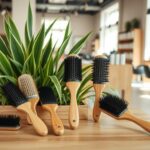
- Natural Bristle Brushes: For brushes made with natural bristles, use a gentle soap, such as a mixture of warm water and baby shampoo. This solution is mild enough to clean without stripping the natural oils from the bristles, helping to keep them in good condition.
- Synthetic Bristle Brushes: Synthetic brushes can be effectively cleaned with a mixture of warm water and a few drops of dish soap. This solution combats buildup from hair products while ensuring the bristles remain intact and functional.
- Wooden Brushes: Wooden brushes should be cleaned with a damp cloth and mild soap, avoiding soaking them in water. This prevents the wood from swelling and cracking, ensuring longevity.
- Detangling Brushes: Detangling brushes often accumulate a lot of product residue. A vinegar solution (one part vinegar to two parts water) can be effective for deep cleaning. This natural solution breaks down residue without damaging the plastic or bristles.
“Regular cleaning not only maintains brush performance but also contributes to overall hair health by minimizing breakage and tangles.”
To further enhance the cleanliness of your brushes, it’s important to regularly sanitize them. This can be done by submerging the bristles in a mixture of warm water and vinegar for about 10 minutes. Rinse thoroughly and let them air dry. Additionally, use a wide-tooth comb to remove hair strands caught in the bristles before cleaning.
Preventing product buildup is vital, as it can lead to a host of hair issues. After each use, take a moment to remove any hair clumps from the brush and wipe the bristles with a dry cloth to remove excess product. This simple habit can significantly reduce the frequency of deep cleaning needed and extend the lifespan of your brushes.
Final Summary
In conclusion, the right Hair Brush for Dry Hair can make all the difference in your hair care regimen. By understanding the specific needs of dry hair and the materials used in brushes, you can avoid common mistakes and enhance your hair’s health over time. Regular brushing with the appropriate tools and techniques not only prevents damage but also promotes shine and manageability. Remember, taking care of your brush is just as important, leading to a more rewarding hair care experience.
Query Resolution
What type of brush is best for dry hair?
A brush with natural bristles is typically best for dry hair, as it can reduce static and distribute natural oils evenly.
How often should I brush my dry hair?
Brushing dry hair once a day is usually sufficient; over-brushing can lead to breakage.
Can I use a straightening brush on dry hair?
While straightening brushes can be used, it’s vital to ensure your hair is well-conditioned and protected to avoid heat damage.
Should I brush my hair when it’s wet or dry?
It’s generally better to brush dry hair to minimize breakage, although detangling sprays can help if you must brush it wet.
How do I clean my hair brush effectively?
You can clean your brush by removing hair strands and washing it with mild soap and warm water, ensuring it dries completely before use.