Hair Brush for Women is more than just a grooming tool; it’s an essential part of any hair care routine. Understanding the variety of brushes available and how they cater to different hair types can significantly enhance both hair health and styling. From boar bristle to modern innovations, the right brush can make all the difference in achieving that perfect look.
This guide delves into the types of hair brushes, their materials, and techniques, empowering women to choose wisely based on their unique hair needs. Additionally, we’ll explore the intersection of hair brushes with cultural practices and sustainability, offering a holistic view of this everyday item.
Understanding the Different Types of Hair Brushes for Women
Choosing the right hair brush is essential for maintaining healthy hair and achieving your desired style. With a variety of brushes available, each type serves a specific function that caters to different hair types and styling needs. Understanding these differences can significantly enhance your hair care routine and ensure optimal results.
There are several main categories of hair brushes that serve unique purposes in hair care and styling. These categories primarily include styling brushes, detangling brushes, and round brushes, among others. Each brush is designed with particular features that make it suitable for various hair types and styling techniques. The materials used in brush construction, including the handle and bristles, also play a key role in maintaining hair health and delivering effective results.
Main Categories of Hair Brushes
The primary categories of hair brushes and their specific uses include:
- Styling Brushes: These brushes are designed to help shape and style the hair during the drying process. They often come with a mix of bristle types and are ideal for creating volume and smoothness.
- Detangling Brushes: Specifically designed to gently remove knots and tangles without causing breakage, these brushes typically have flexible bristles that glide through the hair.
- Round Brushes: Commonly used for blow-drying, round brushes provide curl and volume. They come in various barrel sizes, allowing for different styles, from loose waves to tight curls.
Materials Used in Brush Construction
The materials utilized in hair brushes significantly impact their effectiveness and how they affect hair health. Common materials include plastic, wood, and metal, along with different types of bristles.
- Plastic Brushes: Lightweight and affordable, plastic brushes are easy to clean. However, they can generate static, leading to frizz in some hair types.
- Wooden Brushes: These brushes are known for their durability and their ability to reduce static. They often feature natural bristles that help distribute natural oils throughout the hair.
- Metal Brushes: Typically used for heat styling, metal brushes conduct heat efficiently. While effective for styling, they require careful handling to avoid heat damage to the hair.
Differences Between Bristle Types
Understanding the differences between boar bristle, nylon, and mixed bristle brushes is crucial for selecting the right tool for your hair type.
- Boar Bristle Brushes: These brushes are favored for their ability to distribute natural oils from the scalp to the ends of the hair, promoting shine and health. They are particularly effective for fine to medium hair types.
- Nylon Brushes: Durable and versatile, nylon bristles are excellent for detangling and can handle thicker hair. However, they may not provide the same shine-promoting benefits as boar bristles.
- Mixed Bristle Brushes: Combining both boar and nylon bristles, these brushes offer the benefits of both worlds. They detangle while also distributing oils, making them suitable for a wide range of hair types.
Choosing the right hair brush not only enhances your styling routine but also contributes to the overall health and appearance of your hair.
The Importance of Choosing the Right Hair Brush for Your Hair Type
Selecting the right hair brush is essential to maintaining healthy hair and achieving the desired style. Different hair types require specific brushes to optimize both care and styling. Understanding the relationship between your hair type and the brush you choose can significantly influence your hair’s health and appearance.
Identifying Hair Types and Suitable Brushes
Each hair type has unique characteristics that determine the best brush to use. Knowing the right brush for your hair type is crucial for effective detangling, styling, and minimizing damage. Here are some common hair types and the brushes that complement them:
- Straight Hair: A paddle brush or a wide-toothed comb works best for straight hair. These brushes help in smoothing the hair and distributing natural oils from the scalp to the ends.
- Wavy Hair: A round brush can enhance waves and add volume while styling. For detangling, a vent brush is ideal as it allows airflow, reducing frizz.
- Curly Hair: A wide-toothed comb or a denman brush is most suitable. These tools help define curls without disrupting the curl pattern or causing breakage.
- Coily Hair: A detangling brush with flexible bristles or a wide-toothed comb is essential to minimize breakage and maintain the natural curl shape.
Influence of Brush Selection on Hair Health and Styling
The choice of brush can have a profound impact on both the health of your hair and the ease of styling. The right brush can reduce the risk of damage, enhance shine, and make your styling routine more efficient.
“Using the wrong brush can lead to breakage, split ends, and frizz, undermining your hair health.”
For example, using a plastic bristle brush on wet hair can cause significant damage, whereas a boar bristle brush can help distribute natural oils, promoting healthier hair.
Finding the Perfect Brush Based on Thickness and Texture
Hair thickness and texture play a significant role in brush selection. Different brushes cater to varying degrees of thickness and can help achieve the desired effects without compromising hair integrity. Consider the following tips for finding your ideal brush:
- Fine Hair: Opt for a lightweight brush with soft bristles to prevent tugging and pulling. A round brush with a smaller diameter can add volume during styling.
- Medium Hair: A versatile brush such as a paddle brush or a mixed bristle brush works well, providing a balance of smoothing and styling capabilities.
- Thick Hair: A large paddle brush with strong, durable bristles is essential for detangling and styling thick hair. Consider a brush with wide spacing between bristles for effective grooming.
- Textured Hair: Use a detangling brush or comb designed specifically for textured hair. This minimizes breakage and promotes easier styling.
Essential Techniques for Using Hair Brushes Effectively
Brushing your hair may seem like a simple task, but using the right techniques can significantly enhance the health and appearance of your locks. Proper brushing not only minimizes damage but also adds shine and manages tangles effectively. Understanding how to use your hair brush properly is key to achieving beautiful hair every day. Let’s dive into some essential techniques that will help you brush your hair like a pro.
Brushing Techniques to Minimize Damage and Enhance Shine
To maintain the health of your hair while brushing, follow these effective techniques designed to reduce breakage and promote shine. Start by using a brush that suits your hair type, as different brushes serve specific purposes. For instance, a boar bristle brush is excellent for distributing natural oils along the hair shaft, enhancing shine. When you brush, always follow these steps:
- Start from the Ends: Begin brushing at the ends of your hair to gently detangle before moving up to the roots. This reduces pulling and prevents breakage.
- Use Gentle Strokes: Employ soft, gentle strokes rather than aggressive tugging. This method is kinder to your strands, especially when they are wet.
- Brush in Sections: Divide your hair into manageable sections to avoid overwhelming tangles. Focus on one section at a time for thorough care.
- Brush with the Right Technique: For straight hair, brush downward in a smooth motion. For curly or textured hair, use a wide-tooth comb or a detangling brush to minimize frizz.
Proper brushing techniques can dramatically improve hair health and appearance.
Importance of Sectioning Hair While Brushing
Sectioning hair while brushing is crucial for achieving optimal results and reducing damage. By dividing your hair, you can apply focused care to each part, which not only simplifies the process but also enhances the effectiveness of your brushing technique. Here’s how to properly section your hair:
- Divide into Quadrants: Part your hair into four sections: two at the front and two at the back. This allows you to tackle each section systematically.
- Use Clips: Secure each section with a clip or hair tie, ensuring that you only work with one section at a time.
- Work from Bottom to Top: Start brushing from the bottom of each section and gradually move upward. This prevents tangles from getting worse and keeps your hair smooth.
Sectioning hair while brushing is a game changer for maintaining hair integrity.
Proper Cleaning and Maintenance of Brushes
To ensure the longevity of your hair brushes, regular cleaning and maintenance are essential. Brushes can accumulate product buildup, oils, and dirt, which can hinder their effectiveness and even affect your hair’s health. Follow these steps to keep your brushes in top condition:
- Remove Hair: After each use, remove hair strands from the bristles using your fingers or a comb. This prevents buildup and maintains hygiene.
- Wash Regularly: Clean your brushes once a month. Use warm water with a mild shampoo to remove residue, and rinse thoroughly.
- Dry Properly: After washing, lay your brushes flat on a towel to dry. Avoid standing them upright, as water can seep into the base and loosen the bristles.
Regular maintenance of hair brushes ensures their effectiveness and longevity.
The Role of Hair Brushes in Styling and Maintenance Routines
Hair brushes are more than just tools for detangling; they play a pivotal role in how we style and maintain our hair. With the right brush, you can achieve various looks that can adapt to any occasion. Understanding the different types of brushes and how to incorporate them into your daily routine can elevate your hair game significantly.
Different brushes are designed to create distinct styles, whether you’re aiming for sleek straight locks or bouncy curls. For example, a paddle brush is ideal for smoothing and straightening, while a round brush is perfect for adding volume and creating curls. The choice of brush influences not only the outcome of your hairstyle but also the health of your hair.
Daily Hair Care Routine Using Brushes
Incorporating brushes into your daily hair care routine can optimize your hair’s health and appearance. Here’s a step-by-step guide to help you effectively use brushes in your hair routine:
1. Detangling: Begin with a wide-tooth comb or a detangling brush on dry hair. Start from the tips and work your way up to avoid breakage.
2. Conditioning: Apply a leave-in conditioner or hair oil to add moisture.
3. Sectioning: Divide your hair into manageable sections to ensure even styling. Use clips to hold the sections in place.
4. Styling with Brushes:
– For straight styles, use a paddle brush while blow-drying. Glide the brush through your hair as you direct the heat from the dryer.
– For curls, take a section of hair and wrap it around a round brush while using the blow dryer. Hold it for a few seconds to set the curl.
5. Finishing Touches: Once styled, use a bristle brush to smooth out any frizz and distribute natural oils from the scalp to the ends.
6. Applying Products: When using styling products like mousse or gel, apply them before using your brush to ensure even distribution and enhance effectiveness.
The type of brush used can significantly affect the performance of styling products. For instance, a boar bristle brush helps distribute oils and products evenly, enhancing shine and reducing frizz. In contrast, synthetic brushes are excellent for creating volume and lift when styling with heat.
Choosing the right brush can transform your hair care routine and allow you to achieve salon-quality results at home.
Innovations in Hair Brush Design and Technology
The world of hair care is evolving rapidly, with innovative technologies transforming how we approach hair brushing. From heated brushes to ergonomic designs, the advancements in brush technology are not just about aesthetics; they aim to enhance efficiency and improve hair health. Exploring these innovations reveals significant benefits, from saving time in styling to reducing damage during the brushing process.
Advancements in Brush Technology
Modern hair brushes have undergone significant transformations compared to traditional designs. The introduction of features like heated bristles, ionic technology, and improved ergonomic shapes has revolutionized how we care for our hair. These advancements cater to various hair types and styling needs, making the brushing experience not only more effective but also enjoyable.
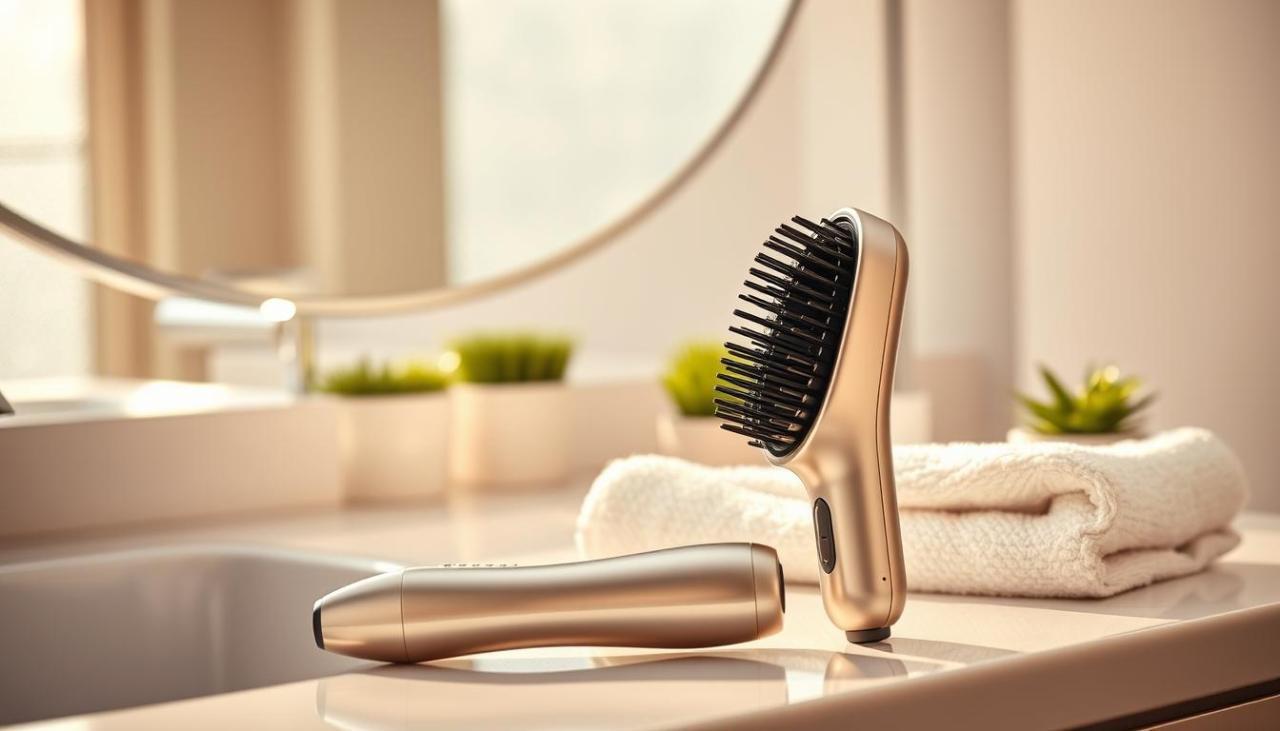
- Heated Brushes: These brushes combine the functions of a brush and a styling tool, allowing users to dry and style their hair simultaneously. The heat helps to smooth out frizz and adds shine, making it a popular choice for those seeking quick styling solutions.
- Ionic Technology: Brushes equipped with ionic technology release negative ions that counteract static and frizz while promoting shine. This technology helps to smooth the cuticle layer of hair, reducing damage and enhancing overall appearance.
- Ergonomic Designs: Many modern brushes are designed with comfort in mind, featuring handles that fit securely in the hand and shapes that reduce wrist strain. This is especially beneficial for those with long or thick hair that requires more effort to brush through.
- Detangling Features: Innovative bristle technology in some brushes allows for effective detangling without pulling or breaking hair. Flexible bristles can glide through knots effortlessly, which is particularly advantageous for individuals with curly or textured hair.
Comparison of Traditional and Modern Brushes
Traditional hair brushes have long been a staple in hair care routines, but modern electric or heated brushes provide enhanced functionality. The comparison between these two categories reveals the advantages of embracing new technology.
| Feature | Traditional Brushes | Modern Heated Brushes |
|---|---|---|
| Heating Capability | No | Yes |
| Ionic Technology | No | Yes |
| Ergonomic Design | Varies | Often featured |
| Detangling Efficiency | Standard | Enhanced |
Features to Look for in a High-Quality Brush
When selecting an innovative hair brush, specific features can elevate the brushing experience. Understanding what to look for ensures that the chosen brush meets individual hair care needs.
- Quality Bristles: Look for brushes with high-quality, flexible bristles that can detangle without causing damage. Natural bristles are ideal for distributing oils, while synthetic bristles may offer better heat resistance.
- Temperature Control: If opting for heated brushes, choose models with adjustable temperature settings to customize heat levels based on hair type and condition.
- Ionic or Tourmaline Technology: Brushes that incorporate these technologies can significantly reduce frizz and enhance shine, making them a worthwhile investment.
- Ease of Cleaning: Select brushes that are easy to clean, as maintaining hygiene is essential for healthy hair. Features like removable bristle pads or washable materials can simplify this task.
How to Choose the Most Sustainable Hair Brushes
Choosing sustainable hair brushes is essential not only for the health of your hair but also for the environment. As consumers become more conscious of the impact of their purchases, eco-friendly hair brushes made from sustainable materials are gaining popularity. By opting for brushes that prioritize environmental responsibility, you can help reduce plastic waste and support brands that are committed to sustainability.
Sustainable hair brushes are typically made from materials that are less harmful to the planet than traditional plastic. Common eco-friendly materials include bamboo, wood, and biodegradable plastics. These materials not only reduce the carbon footprint associated with production but also often provide better durability and a luxurious feel. For example, bamboo is known for its rapid growth and renewability, making it an excellent alternative to conventional timber and plastic materials. Additionally, many brands are now incorporating natural bristles sourced from ethically treated animals or using plant-based fibers, ensuring that the entire production process aligns with sustainable practices.
Eco-Friendly Materials in Hair Brushes
Understanding the materials used in hair brushes is crucial for making informed purchasing decisions. Here’s a breakdown of some of the most common eco-friendly materials used in hair brush production:
- Bamboo: Known for its fast growth and renewability, bamboo is lightweight, durable, and biodegradable.
- Wood: Brushes made from sustainably sourced wood provide a natural feel and are often free from harmful chemicals.
- Biodegradable Plastics: These plastics break down more easily than traditional plastics, reducing long-term waste in landfills.
- Natural Bristles: Sourced from ethically treated animals or plant-based fibers, these bristles are a more sustainable choice compared to synthetic alternatives.
Brands that prioritize sustainability often go the extra mile to ensure that their products are produced with minimal environmental impact. Some notable brands include:
- EcoTools: Known for their eco-friendly beauty products, EcoTools uses recycled materials and bamboo in their brushes.
- The Body Shop: This brand emphasizes sustainability by using responsibly sourced materials and supporting fair trade practices.
- Wet Brush: Their eco-friendly line features brushes made from plant-based materials and recyclable packaging.
Responsible Disposal of Old Brushes
Once a hair brush reaches the end of its life, it’s important to dispose of it responsibly. Here are some tips on how to recycle or dispose of old brushes:
- Reuse: Consider repurposing old brushes for various tasks like cleaning or art projects, extending their lifespan.
- Recycling Programs: Some brands offer recycling programs specifically for their products, allowing you to send back old brushes for proper recycling.
- Composting: If the brush is made from biodegradable materials, you might be able to compost it, ensuring it returns to the earth.
- Local Waste Management: Check with your local waste management services for guidelines on disposing of brushes, as some areas have specific recycling protocols.
By choosing sustainable hair brushes and disposing of them responsibly, you contribute to a healthier planet while also taking care of your hair.
Cultural Perspectives on Hair Brushes Across Different Societies
Throughout history, hair brushes have held not just practical significance but also deep cultural value across various societies. These tools, often seen as mere grooming implements, have been imbued with meaning, reflecting the social norms, artistic expressions, and traditions of the cultures that utilize them. From ancient civilizations to modern-day practices, hair brushes have played a role in personal identity, societal status, and even rituals.
One of the most fascinating aspects of hair brushes is the diversity in their construction and use, shaped by cultural influences. Different societies have developed unique brushes tailored to their specific hair types, styling techniques, and aesthetic values. The materials used in these brushes often tell a story of local resources and craftsmanship traditions.
Historical Significance of Hair Brushes
Hair brushes can be traced back thousands of years, with their origins found in various ancient cultures. In ancient Egypt, for instance, brushes made from wooden handles and animal hair were commonly used. They were often crafted intricately, serving not only functional purposes but also as symbols of wealth and status. Pharaohs and the elite class would possess ornate brushes that showcased their social standing.
Similarly, in China, hair brushes were regarded as essential tools for personal grooming and were often made from materials such as bamboo, ivory, or even jade. The Chinese developed specific brushes designed for different hair types and styles, reflecting their deep understanding of grooming as an art form. Some brushes were even adorned with intricate carvings or paintings, elevating them to the status of collectible art pieces.
Traditional Brushes and Their Unique Features
The design of hair brushes varies significantly around the globe, each reflecting the unique characteristics and preferences of the culture it originates from. Here’s a look at some traditional brushes that stand out:
- Japanese Tansu Brushes: Known for their delicate craftsmanship, these brushes are often made with fine animal hair and feature a compact design, allowing for precise styling, particularly in traditional hairstyles.
- Indian Keshavardhini Brushes: Often made from natural materials such as wood and adorned with intricate carvings, these brushes are associated with Ayurvedic practices, believed to promote healthy hair growth.
- European Boar Bristle Brushes: Widely used in Europe, these brushes are designed to distribute natural oils throughout the hair, enhancing shine and health, reflecting a practical yet luxurious approach to hair care.
Folklore Surrounding Hair Brushes in Various Traditions
Hair brushes often carry rich folklore that reflects the societal values and beliefs of different cultures. In many Native American tribes, for example, hair is considered sacred, and the act of brushing is a significant ritual. It’s believed that brushing one’s hair can cleanse the spirit and bring good fortune. Hence, special brushes are often created for ceremonial purposes.
In Japanese culture, there is a saying: “A woman’s hair is her crown.” Consequently, hair brushing is seen as a form of self-respect and beauty. Stories of ancient Japanese princesses emphasize the importance of maintaining one’s hair with care and the use of beautiful, handcrafted brushes created by skilled artisans.
Throughout cultures, hair brushes have been more than tools; they are vessels of tradition, artistry, and identity. Each brush tells a story, intertwining personal grooming with cultural heritage, making them meaningful artifacts in the history of human expression.
Wrap-Up
In summary, selecting the right hair brush is crucial for maintaining healthy hair and achieving desired styles. With a wealth of options and styles available, knowing the features and benefits of each can elevate your hair care routine. Whether you opt for traditional or innovative designs, the right brush can enhance your hair’s beauty while respecting cultural histories and ecological considerations.
User Queries
How often should I clean my hair brush?
It’s best to clean your hair brush every couple of weeks to remove hair and product buildup.
Can I use the same brush for wet and dry hair?
Some brushes are designed for both, but it’s generally better to use a specific wet brush for damp hair to avoid damage.
What type of brush is best for fine hair?
A paddle brush or a wide-tooth comb is ideal for fine hair to prevent breakage.
Are heated brushes safe to use?
Yes, heated brushes are generally safe, but it’s essential to follow the manufacturer’s instructions to avoid heat damage.
What’s the difference between ceramic and plastic bristles?
Ceramic bristles help distribute heat evenly, reducing damage, while plastic bristles are often more flexible and gentle on the hair.