With Hair Straightening Tool at the forefront, the journey of hair straightening has evolved significantly over the centuries. From ancient techniques to modern innovations, these tools have greatly influenced how we style our hair while reflecting cultural trends and technological advancements. Join us as we explore the rich history, scientific principles, and safety tips associated with hair straightening tools.
This overview delves into different types of hair straightening devices and how they cater to various hair types. We’ll also touch upon essential care routines and highlight the innovations shaping the future of hair styling, creating a comprehensive guide for anyone looking to enhance their hair care regimen.
The Evolution of Hair Straightening Tools Throughout History
The journey of hair straightening tools is a fascinating tale that reflects not only advances in technology but also the cultural shifts that have influenced beauty standards throughout the ages. From ancient civilizations to the modern era, the tools we use to achieve sleek, straight hair have evolved significantly, mirroring changes in societal values and fashion trends.
The earliest forms of hair straightening can be traced back to ancient Egypt, where heated metal tools were used to smooth hair. Over time, various cultures adopted their unique methods, resulting in a diverse array of tools designed to create straight hair. The design and usage of these tools were heavily influenced by cultural context, including societal norms, beauty ideals, and available materials.
Traditional Hair Straightening Methods
Before the invention of electric hair straighteners, individuals employed various traditional techniques to achieve straight hair. These methods often relied on simple, accessible materials and were shaped by the specific cultural practices of the time.
Some of the most notable traditional methods include:
- Hot Combs: Widely used in African American communities, hot combs, also known as pressing combs, were typically made of metal and heated on a stove or open flame. They allowed users to straighten coarse or curly hair by gliding the heated comb through sections of hair, resulting in a sleek look that became a staple in many beauty routines.
- Ironing with Metal Plates: In various cultures, including those in Asia and Europe, women used flat metal plates heated over a fire to straighten their hair. This method involved clamping sections of hair between the heated plates, effectively smoothing out waves and curls.
- Wrapping Techniques: Some traditional cultures used hair wrapping techniques, where hair was tightly wrapped around the head or secured with cloth to encourage straightness as it dried. This method was often used in combination with other techniques, enhancing the overall effect.
- Chemical Relaxers: Introduced in the 20th century, chemical relaxers significantly changed the landscape of hair straightening. These products, which contain harsh chemicals that break down the natural structure of the hair, provided a more long-lasting solution for those seeking straight hair. African American women, in particular, embraced this method during the civil rights movement as a form of self-expression and identity.
These traditional methods not only demonstrate the ingenuity of past generations but also highlight the cultural significance of hair straights across different societies. The evolution of hair straightening tools reveals a rich history intertwined with personal expression and changing beauty ideals.
The Science Behind Hair Straightening Tools and Their Effectiveness
Hair straightening tools have become a staple in the beauty routines of many, thanks to their ability to transform frizzy and wavy locks into sleek, straight strands. Understanding the science behind these tools reveals not only how they function but also how to use them effectively to suit various hair types. These devices primarily rely on heat to alter the structure of hair, making knowledge of their mechanics crucial for optimal use.
The core scientific principle behind hair straightening tools lies in the structure of human hair, which is composed of keratin proteins that form a helical structure. When heat is applied, it breaks down the hydrogen bonds and disulfide bonds within the hair, allowing the strands to be reshaped. This process is reversible; once the heat is removed, the hair can return to its original shape if not styled properly. Therefore, the effectiveness of these tools is highly dependent on the temperature settings used and the type of hair being treated.
Heat Settings and Their Impact on Hair Types
Different hair types require varying heat levels for effective styling. Using the appropriate temperature is essential to prevent heat damage and maintain hair health. Here’s a breakdown of recommended heat settings based on hair types:
- Fine or Damaged Hair: A low setting of 250°F to 300°F (121°C to 149°C) is ideal. This gentler heat minimizes the risk of further damage.
- Medium or Normal Hair: For this hair type, a moderate setting around 300°F to 375°F (149°C to 190°C) works best. It allows for efficient straightening without excessive heat exposure.
- Thick or Coarse Hair: A higher setting of 375°F to 450°F (190°C to 232°C) is necessary to effectively straighten the hair. Thick strands require more heat to break down bonds thoroughly.
Understanding these temperature guidelines helps users make informed choices when styling their hair, ultimately leading to better outcomes and healthier hair.
Materials Used in Hair Straightening Tools and Their Effects
The materials used in the construction of hair straighteners significantly influence their performance and the health of the hair. High-quality materials can enhance the straightening process while minimizing damage.
The following materials are commonly found in hair straightening tools:
- Ceramic: Provides even heat distribution and reduces hotspots, making it ideal for all hair types. Ceramic plates glide smoothly through the hair, reducing friction.
- Titanium: Heats up quickly and retains high temperatures effectively, suitable for thick or coarse hair. However, they can lead to more heat damage if not used carefully.
- Tourmaline: A semi-precious stone that emits negative ions, which help to reduce frizz and static while enhancing shine. Often, straighteners with tourmaline coatings are preferred for their hair-friendly properties.
Investing in a straightening tool made from quality materials can significantly enhance the styling experience, promote better hair health, and achieve a polished look with less effort and damage.
“The choice of material in hair straighteners can be the difference between a good hair day and a hair disaster.”
Safety Tips for Using Hair Straightening Tools at Home
Using hair straightening tools at home can be a great way to achieve sleek, smooth locks without the need for a salon visit. However, safety should always be a priority to avoid potential damage to both your hair and yourself. By following a few essential safety tips, you can enjoy the benefits of these tools while minimizing risks and protecting your hair.
When using hair straightening tools, it’s crucial to consider several safety precautions. These can help prevent accidents and ensure your hair stays healthy and vibrant while styling. Below is a checklist of important safety measures to keep in mind while using these tools.
Safety Precautions to Consider
The following checklist Artikels key safety precautions for a seamless straightening experience:
- Always read the manufacturer’s instructions before use to understand specific safety features and recommendations.
- Ensure the tool is on a stable, heat-resistant surface to prevent accidents.
- Keep the straightening tool away from water and damp areas to avoid electrical hazards.
- Use gloves if necessary to protect your hands from heat.
- Turn off and unplug the tool when not in use to avoid any risk of fires.
Common Mistakes Leading to Hair Damage
Many users unintentionally cause damage to their hair through common mistakes. Recognizing these errors and learning how to avoid them can preserve hair health.
- Using the straightener on wet or damp hair can lead to serious damage. Always ensure your hair is completely dry before styling.
- Setting the temperature too high for your hair type can cause severe heat damage. Adjust the heat setting according to your hair’s thickness and texture.
- Failing to apply a heat protectant before styling can leave hair exposed to direct heat. Use a quality heat protectant spray or serum to shield your hair.
- Rushing through the straightening process can lead to uneven results. Take your time to section your hair properly and straighten each section thoroughly.
Methods to Protect Hair from Heat Damage
To maintain the integrity of your hair while using heat styling tools, consider implementing these protective methods.
- Always apply a heat protectant product before styling, as this forms a barrier against high temperatures.
- Incorporate deep conditioning treatments into your hair care routine to keep your strands hydrated and resilient.
- Avoid using heat styling tools every day; give your hair rest days to recover from heat exposure.
- Limit the number of passes over each section of hair; ideally, aim for no more than one or two passes to minimize damage.
Comparative Analysis of Different Hair Straightening Tools Available in the Market
When it comes to achieving sleek and straight hair, choosing the right hair straightening tool is essential. The market offers a wide variety of options, each designed to meet different hair types and styling preferences. This analysis examines several popular types of hair straightening tools, including flat irons, brushes, and steam tools, to help you make an informed decision.
Different hair straightening tools have distinct characteristics that cater to various needs. Understanding these differences not only helps in selecting the right tool but also provides insights into their effectiveness, ease of use, and price points. Below is a detailed comparison of these tools, highlighting their advantages and disadvantages.
Comparison of Hair Straightening Tools
To provide a clearer understanding of each tool’s capabilities, here’s a breakdown of the main types of hair straightening tools available:
- Flat Irons:
Flat irons are the most traditional and commonly used hair straightening tools.
They deliver high heat to the hair, allowing for quick straightening and styling. Their effectiveness is well-regarded, especially for thick or curly hair. However, improper use can damage hair due to high temperatures.
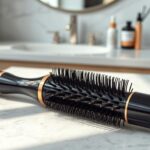
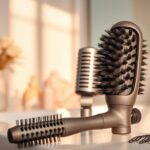
- Hair Straightening Brushes:
Hair straightening brushes combine the benefits of a brush and a flat iron.
They are designed for ease of use, allowing for smoother styling with less heat exposure. These brushes are ideal for finer hair textures but may not be as effective for very curly or coarse hair.
- Steam Hair Straighteners:
Steam tools use moisture to help straighten hair while reducing heat damage.
This method can provide a smoother finish and is beneficial for dry or damaged hair. However, they typically come at a higher price point and may require more maintenance.
The following table summarizes key features, prices, and customer reviews of popular brands in each category:
| Tool Type | Brand | Price Range | Key Features | Customer Rating |
|---|---|---|---|---|
| Flat Iron | GHD Platinum+ | $249 | Predictive technology, universal voltage | 4.8/5 |
| Hair Straightening Brush | Revlon One-Step | $60 | 2-in-1 styling, ionic technology | 4.5/5 |
| Steam Straightener | BaBylissPRO Nano Titanium | $150 | Steam infusion, adjustable temperature | 4.4/5 |
Understanding the features and reviews of these tools helps in making a well-rounded choice tailored to individual needs. Each type of straightening tool offers its unique benefits and potential drawbacks, making it crucial to consider your hair type and styling habits.
The Role of Hair Straightening Tools in Modern Hair Care Routines
Hair straightening tools have become essential components of contemporary hair care regimens. As hairstyles evolve, the demand for sleek and polished looks has surged, prompting many to incorporate straighteners, flat irons, and blow-dryers into their daily routines. These tools not only offer versatility in styling but also enhance the overall appearance of hair when used correctly. The integration of these tools reflects a shift in how individuals approach hair maintenance, focusing on both aesthetics and health.
Using hair straightening tools effectively requires a well-rounded understanding of hair care practices. Heat styling can lead to damage if not managed properly, making the inclusion of protective products crucial. Heat protectants serve as a barrier against high temperatures, helping to retain moisture and prevent the cuticle from becoming brittle. Utilizing these products in conjunction with straightening tools can significantly improve the hair’s resilience and shine.
Importance of Heat Protectants
Incorporating heat protectants into your styling routine is essential to safeguard your hair from potential heat damage. These products work by forming a protective shield around each strand, thereby reducing moisture loss and mitigating thermal harm during styling.
Here are key points regarding heat protectants:
- Prevention of Damage: Heat protectants can reduce the risk of split ends and dryness, ensuring that your hair remains healthy post-styling.
- Enhanced Smoothness: They help to smooth the hair cuticle, resulting in a sleeker appearance when styling.
- Improved Longevity of Styles: Using a heat protectant can help your style last longer by maintaining the hair’s moisture balance.
- Versatility: Many heat protectants also offer additional benefits, such as frizz control and added shine.
Incorporating Straightening Tools into Everyday Styling
Integrating straightening tools into daily styling routines involves a balanced approach that prioritizes hair health. It is essential to establish a rhythm for when and how often these tools are used to avoid excessive heat exposure.
Key considerations for incorporating straightening tools effectively include:
- Frequency of Use: Limit the use of high-heat styling to a few times a week to allow your hair time to recover.
- Proper Technique: Use the appropriate temperature settings for your hair type; fine hair typically requires lower heat than thick or coarse hair.
- Regular Conditioning: Implement deep conditioning treatments into your regimen to replenish moisture and nutrients that may be lost due to heat styling.
- Utilizing Accessories: Consider using silk or satin pillowcases and hair ties to minimize friction and reduce breakage at night.
Utilizing hair straightening tools can be a seamless part of a comprehensive hair care routine when approached mindfully. By prioritizing the health of your hair through the proper use of products and techniques, you can enjoy beautifully styled hair without compromising its integrity.
Innovations in Hair Straightening Tools
As the beauty and personal care industry advances, hair straightening tools are evolving rapidly, driven by the integration of innovative technologies and eco-conscious materials. The future of these essential styling devices promises to enhance not only the user experience but also the overall safety and health of hair.
Emerging technologies are revolutionizing how we approach hair styling. For instance, advances in infrared heating technology are providing more effective and safer options for straightening hair. Unlike traditional heating elements that can damage hair cuticles, infrared heat penetrates the hair shaft, resulting in less moisture loss and reduced frizz. This method not only offers faster styling but also promotes healthier hair, making it a popular choice among consumers.
Trends in Eco-Friendly Materials and Smart Technology
The rise of eco-conscious consumers is influencing the production of hair straightening tools. Manufacturers are increasingly turning to sustainable materials and practices. The following trends reflect this shift:
- Biodegradable Components: More brands are exploring biodegradable plastics and materials sourced from renewable resources, reducing the environmental impact of hair tools.
- Energy-Efficient Devices: Innovations aimed at lowering energy consumption are becoming standard, with tools that operate with lower wattage while still delivering exceptional performance.
- Smart Technology Integration: Devices with built-in sensors can detect hair type and moisture levels, adjusting temperature settings accordingly to prevent damage and enhance styling efficiency.
The incorporation of smart technology extends beyond just performance; it also enhances the user experience. For example, some latest models feature Bluetooth connectivity, allowing users to control settings via a smartphone app. This technology can also provide tutorials and styling tips, personalizing the experience based on individual preferences and hair types.
Future Developments in User Experience and Hair Safety
Looking ahead, several potential developments stand out that could greatly improve both user experience and hair safety.
- Self-Cleaning Mechanisms: Future hair straighteners might incorporate self-cleaning technology, reducing maintenance efforts and ensuring optimal performance without the hassle of manual cleaning.
- Customizable Heat Settings: Advanced devices may offer even more granular control over temperature settings, with features allowing users to save their preferred settings for different hair types and styles, promoting hair health.
- Wireless Charging: As wireless technology continues to evolve, the possibility of hair straighteners with wireless charging capabilities is on the horizon, providing convenience and reducing cord clutter.
Emerging innovations in hair straightening tools are set to not only enhance styling efficiency but also prioritize hair health and environmental sustainability.
With these advancements, the future of hair straightening tools aims to deliver a balance between effective styling and the well-being of users and their hair.
Personalizing Your Hair Straightening Routine Based on Hair Type
When it comes to hair straightening, understanding your unique hair type is essential for achieving the best results. Different hair textures—whether straight, wavy, curly, or coily—each require tailored techniques and tools to ensure effective and safe straightening. The right approach can transform your hair without compromising its health, leaving you with a smooth, polished look that lasts.
To personalize your hair straightening routine effectively, it’s important to recognize the characteristics of your hair type. Each texture has distinct needs, which influence the choice of tools, techniques, and products. For example, straight hair typically requires less heat and can be styled quickly, while coily hair may need a higher temperature and more preparation to achieve a sleek finish. Understanding these nuances is key to achieving your desired results while minimizing damage.
Choosing the Right Tool for Your Hair Texture
Selecting the appropriate straightening tool is crucial for maintaining the health and integrity of your hair. Below is a guide to help you find the best straightener based on your hair type:
- Straight Hair: A ceramic or tourmaline flat iron works well, as these materials distribute heat evenly and quickly. A lower temperature setting (around 300°F) is often effective.
- Wavy Hair: Opt for a versatile flat iron with adjustable temperature settings. A medium temperature (between 320°F to 360°F) will help eliminate waves while minimizing heat damage.
- Curly Hair: Look for a flat iron with wider plates and a higher temperature range (350°F to 400°F). This helps tackle the thicker texture, ensuring a smooth finish. A steam straightener can also hydrate curls while straightening.
- Coily Hair: A high-quality flat iron capable of reaching temperatures of 400°F or more is ideal. Consider using a straightening brush, which can provide more control and reduce heat exposure by allowing for more gradual straightening.
Styling Techniques for Various Textures
Once you’ve chosen the right tool, knowing how to style your hair can enhance the straightening process. Here are effective techniques tailored for different hair types:
- Straight Hair: For a sleek look, divide hair into sections, then run the straightener from roots to ends in a smooth, continuous motion.
- Wavy Hair: Use the flat iron to create a ‘twist’ motion as you glide it down the hair shaft. This technique helps to eliminate waves while adding a bit of natural bounce.
- Curly Hair: For best results, start by applying a heat protectant. Use the flat iron to clamp and hold each curl for a few seconds before sliding down, ensuring that each curl is thoroughly straightened.
- Coily Hair: Begin by sectioning the hair into small parts. Use a comb to detangle and smooth each section before using the straightener. Consider following up with a lightweight serum to maintain shine and control frizz.
“Personalizing your hair straightening routine not only enhances results but also promotes hair health by minimizing damage.”
Wrap-Up
In summary, understanding the evolution, science, and proper usage of Hair Straightening Tools allows for a more informed and safer hair care experience. By choosing the right tools and techniques tailored to your hair type, you can achieve stunning results while maintaining healthy locks. As technology continues to advance, the future of hair straightening promises to be even more exciting and beneficial.
Commonly Asked Questions
How often can I use a hair straightening tool?
It’s recommended to use hair straightening tools sparingly, ideally no more than 2-3 times a week, to prevent damage.
Are hair straightening tools safe for all hair types?
Most tools are designed for various hair types, but it’s essential to choose the right settings and techniques for your specific texture.
Can using a hair straightening tool damage my hair?
Yes, excessive heat can cause damage, so make sure to use heat protectants and the appropriate temperature settings for your hair type.
Do I need to use any products before straightening my hair?
Yes, using a heat protectant spray or serum before styling is crucial to minimize heat damage.
What is the best way to store my hair straightening tool?
Always allow the tool to cool down before storing it in a cool, dry place to prevent damage and ensure safety.