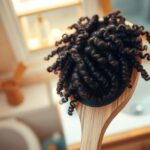
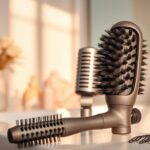
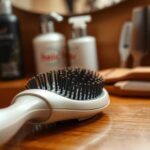
Salon hair styling tools are essential in transforming tresses into stunning styles, catering to the unique needs of every client. From classic curling irons to innovative styling brushes, these tools not only enhance the hairstyling experience but also impact the overall outcome of the services provided. With a plethora of options available in the market, understanding the different types, features, and maintenance routines becomes crucial for professionals aiming to deliver high-quality results.
As technology advances, the latest tools are introducing smarter features and improved ergonomics, making them easier and more effective to use. Whether it’s assessing the performance of tools or exploring eco-friendly options, salon hair styling tools play a pivotal role in achieving both client satisfaction and stylist efficiency.
Identify the different types of salon hair styling tools available on the market today
Salon hair styling tools have evolved significantly over the years, catering to a wide array of styling needs and preferences. From traditional implements to advanced technology, these tools play a crucial role in achieving desired hair aesthetics while promoting hair health. Understanding the different types available can enhance the hairstyling experience for both professionals and clients alike.
Main categories of salon hair styling tools
There are several key categories of salon hair styling tools that serve various functions. Here are the four main categories:
- Heating Tools: Tools such as hair dryers, curling irons, and flat irons fall into this category. These devices utilize heat to shape hair. For instance, curling irons can create soft waves or tight curls, while flat irons can straighten hair effectively. The benefit of using heating tools is their ability to produce quick and lasting results.
- Cutting Tools: Scissors, shears, and razors are essential for cutting hair. These tools come in various styles and sizes for different cutting techniques. The precision offered by professional-grade scissors can greatly enhance the overall look of a haircut, allowing for detailed texturing and shaping.
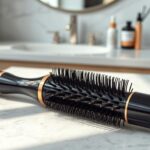
- Styling Tools: Brushes, combs, and rollers are vital for styling hair. For example, round brushes are excellent for blow-drying and adding volume, while rollers can help set curls. These tools enhance the styling process and contribute to the final look without applying heat directly, which is beneficial for hair health.
- Hair Treatment Tools: Products like steamers and infrared devices belong here. They are designed for deep conditioning treatments and enhancing product efficacy. Utilizing these tools can significantly improve hair texture and moisture retention, making them indispensable in modern salons.
Comparative analysis of traditional versus modern tools
The landscape of salon hair styling tools has changed dramatically, with a noticeable shift from traditional to modern technologies. Traditional tools, such as manual scissors and basic hair dryers, often rely on the stylist’s skill for effective use. While they remain relevant, modern tools are designed with advanced technology that enhances efficiency, safety, and results.
For instance, traditional curling irons could expose hair to excessive heat without temperature control, leading to damage. In contrast, modern curling devices often feature digital temperature settings and even ceramic plates that help minimize heat damage while providing long-lasting curls.
Moreover, innovations like cordless hair styling tools have gained popularity. This allows for greater flexibility and ease of use, compared to traditional corded options. Overall, modern tools not only streamline the styling process but also prioritize hair health, making them a preferred choice in today’s salons.
Emerging trends in styling tools
The hair styling tool market is continuously evolving, with new trends emerging that reflect consumer demands for versatility and eco-friendliness. One significant trend is the rise of smart hair tools. These devices incorporate technology like app connectivity to allow users to customize their styling routines based on hair type and condition. For example, smart straightening brushes can detect the moisture level in hair and adjust their heat settings accordingly.
Another noteworthy trend is the incorporation of sustainable materials. Many brands are now producing tools made from recycled plastics or biodegradable materials, appealing to environmentally conscious consumers. Additionally, tools that promote hair health, such as those with built-in treatments or moisturizing features, are becoming increasingly popular.
Innovations such as heated brushes, which combine the benefits of a brush and a flat iron, are also gaining traction. These multi-functional tools simplify the styling process while reducing the number of tools needed, aligning with the modern consumer’s desire for efficiency.
In summary, the salon hair styling tool market offers a diverse array of options, evolving with technology and consumer preferences. Understanding these categories and trends allows stylists to enhance their craft while keeping clients satisfied and engaged.
Describe the essential features to look for when selecting salon hair styling tools
When it comes to salon hair styling tools, choosing the right equipment can greatly influence the quality of your styling results. Understanding the essential features that impact performance will help you make informed decisions and achieve the desired look for your clients. Below are critical factors to consider when selecting these tools.
Critical features impacting performance
The performance of hair styling tools relies on several critical features that directly affect their efficiency and effectiveness. Here are some of the most important aspects to evaluate:
- Heating Technology: Look for tools that offer advanced heating technology, such as ceramic or titanium plates. These materials ensure even heat distribution, reducing the risk of hot spots that can damage hair.
- Temperature Control: Adjustable temperature settings allow stylists to customize the heat level based on hair type. Lower temperatures are ideal for fine hair, while higher settings are suitable for thicker, coarser hair.
- Cord Length and Flexibility: A longer, tangle-free cord provides flexibility and ease of movement during styling. Some tools come with swivel cords that prevent twisting and enhance usability.
- Weight and Size: Lightweight tools help prevent fatigue during long styling sessions, while compact designs make storage easier and contribute to portability.
- Attachments and Versatility: Consider tools that come with various attachments, such as diffusers or combs, to enhance versatility. This allows stylists to create various styles using a single tool.
Material types and their impact on hair styling outcomes
The materials used in hair styling tools significantly affect the results achieved. Each material has unique properties that influence heat distribution, styling ease, and the overall health of the hair.
- Ceramic: Known for its ability to distribute heat evenly, ceramic is a popular choice for flat irons and curling wands. It helps reduce frizz and retains moisture in the hair.
- Titanium: This material heats up quickly and is durable, making it ideal for professional-grade tools. Titanium plates are effective for smoothing thick and coarse hair types.
- Tourmaline: This gemstone-infused material emits negative ions that help eliminate static and enhance shine. Tools made with tourmaline are excellent for creating sleek, polished styles.
- Metal: While some tools use metal plates for affordability, they can create hot spots and uneven heat, leading to potential hair damage. It’s advisable to avoid these for high-quality styling.
- Plastic and Rubber: These materials are often used in handles and grips. Ergonomically designed plastic or rubber can provide better comfort and control during styling.
The role of ergonomics in tool design
Ergonomics plays a crucial role in the design of salon hair styling tools, significantly affecting a stylist’s comfort and efficiency during use. A well-designed tool reduces strain on the hands and wrists, allowing for longer periods of styling without fatigue.
- Handle Design: A contoured handle that fits comfortably in the hand provides better grip and control. This design helps prevent slipping, leading to more precise styling.
- Weight Distribution: Tools that are evenly balanced prevent fatigue, especially during prolonged use. Heavier tools can lead to discomfort and reduced performance.
- Button Placement: Intuitive placement of settings and controls is vital for ease of use. Buttons should be accessible without requiring awkward hand movements.
- Cooling Features: Tools that incorporate cool tips or heat-resistant materials ensure safety and comfort, allowing stylists to handle tools without risk of burns.
- Adjustable Lengths: Some tools come with adjustable lengths for added comfort, especially when using them at different angles or positions.
Proper Maintenance and Care Guidelines for Salon Hair Styling Tools
Maintaining salon hair styling tools is essential for ensuring their longevity and optimal performance. Regular care not only enhances the efficiency of these tools but also ensures a hygienic environment for clients. This guide provides comprehensive maintenance steps to keep your tools in prime condition.
Step-by-Step Procedure for Cleaning Various Types of Tools
Keeping your hair styling tools clean is crucial for their operational effectiveness. Here’s a detailed procedure for cleaning different types of tools:
- Hairdryers:
Begin by unplugging the hairdryer. Use a soft brush to remove lint and hair from the air intake grill, followed by a damp cloth to wipe the exterior. Ensure all parts are dry before reassembling.
- Flat Irons:
After ensuring the iron is cooled down, wipe the plates with a damp cloth. For tougher residue, use a little rubbing alcohol on a cotton pad. Avoid using abrasive cleaners that can scratch the plates.
- Curling Irons:
Allow the curling iron to cool, then wipe the barrel with a soft cloth. For any product buildup, use a mix of water and vinegar. Ensure thorough drying before storage.
- Combs and Brushes:
Remove hair strands manually. Soak in warm soapy water for about 15 minutes, scrub with a toothbrush for stubborn residue, and rinse thoroughly. Air dry completely before using again.
Common Mistakes to Avoid in Tool Maintenance
Proper maintenance is often hindered by common mistakes, which can lead to reduced tool performance and lifespan. Awareness of these pitfalls can guide better care practices.
- Neglecting Regular Cleaning: Failing to clean tools frequently can lead to a buildup of hair, product residue, and bacteria, negatively impacting their function.
- Using Abrasive Materials: Scrubbing tools with harsh materials can scratch, damage, and affect their performance. Always opt for soft, non-abrasive cloths.
- Improper Storage: Storing tools without protection can lead to damage. Always use heat-resistant mats and protective cases to avoid scratches or breaks.
- Ignoring Cord Care: Yanking on cords can fray wires and lead to electrical issues. Always handle cords gently and avoid wrapping them tightly around tools.
Impact of Proper Tool Care on Longevity and Performance
The care and maintenance of salon hair styling tools significantly affect their longevity and performance. Regular maintenance helps prevent malfunction and ensures consistent service quality.
“Well-maintained tools not only perform better but also enhance the safety and satisfaction of clients.”
For example, a hairdryer that is regularly cleaned can not only function efficiently but also reduce the chances of overheating, thus extending its lifespan. Additionally, tools that are properly maintained can provide better styling outcomes, which ultimately leads to higher customer satisfaction and repeat business. Investing time in proper care reflects professionalism and commitment to quality in a salon environment.
Explain the role of technology in the development of advanced salon hair styling tools
With the rapid advancement of technology, the salon industry has transformed significantly, leading to the development of advanced hair styling tools that offer enhanced features and improved results. These innovative tools integrate smart technology and sophisticated heating mechanisms, enabling stylists to achieve professional outcomes with greater efficiency and ease. This evolution not only elevates the user experience but also ensures that clients receive the best possible care for their hair.
The integration of technology into hair styling tools has revolutionized how stylists work, incorporating features like smart technology and precise temperature control. Smart technology allows tools to automate certain processes, adjusting settings based on hair type and desired results. For instance, some hair dryers now come equipped with sensors that detect moisture levels in the hair and adjust airflow accordingly. This precision helps reduce heat damage, which is a common concern with traditional styling methods. Additionally, tools with digital temperature control enable users to set their desired heat levels accurately, catering to various hair types and textures, thus promoting healthier styling practices.
Innovations with Smart Technology and Temperature Control
The innovations in smart technology and temperature control have significantly enhanced both the efficiency of hair styling and the overall experience for users. Advanced tools are now designed to provide specific benefits that cater to diverse hair needs.
- Smart Sensors: Many modern styling tools have built-in sensors that assess hair moisture and adjust settings automatically. This feature minimizes the risk of damage from excessive heat.
- Digital Displays: These displays provide real-time feedback on temperature settings and styling modes, allowing for greater control and customization during the styling process.
- Rapid Heating: High-tech tools often utilize advanced heating technologies that reduce the time needed to reach optimal styling temperatures, enhancing overall efficiency.
- Safety Features: Automatic shut-off systems in modern styling tools add a layer of safety, significantly reducing the risk of accidents and allowing users to style with peace of mind.
The comparison between traditional tools and high-tech alternatives highlights significant differences in efficiency and results. Traditional hair styling tools frequently rely on manual settings and lack the precision needed for tailored styling. In contrast, high-tech tools equipped with smart features provide personalized experiences that adapt to individual hair types, leading to better results and less hair damage over time.
“The evolution of technology in salon tools signifies a commitment to hair health and styling excellence.”
By embracing these innovations, stylists can not only enhance their skill sets but also deliver superior results, making each salon visit a more satisfying and effective experience for their clients.
Analyze the impact of salon hair styling tools on customer satisfaction and client retention
In today’s competitive salon industry, the quality of service provided is closely linked to the tools used by stylists. Salon hair styling tools not only enhance the efficiency of the services but also significantly influence customer satisfaction and client retention. When salons invest in high-quality tools, they are more likely to create positive experiences that keep clients returning for more.
The choice of tools directly impacts the quality of styling services. Advanced equipment such as professional hair dryers, straighteners, and curling irons can drastically reduce styling time while improving results. For instance, a salon that utilizes ionic hair dryers can provide faster drying times, resulting in less heat exposure and healthier hair. This not only enhances the client’s experience but also fosters trust in the stylist’s skills, which is essential for client retention.
Impact of Specific Tools on Client Outcomes
Several case studies highlight how the right tools have led to improved client satisfaction and retention rates. One notable example involves a salon that switched to high-end ceramic styling tools. This investment led to a 30% increase in client satisfaction surveys, as clients reported less damage to their hair and longer-lasting styles. The salon also saw a 20% increase in repeat bookings, demonstrating the significant impact of quality tools on client loyalty.
Another case study involved a salon using steam hair straighteners. These tools not only provided smooth, frizz-free styles but also protected the hair’s natural moisture. As a result, clients noted improvements in hair health, leading to a 40% increase in positive online reviews. Such outcomes illustrate that specific tools can elevate service quality and contribute to a favorable salon reputation.
Strategies for Enhancing Customer Experiences through Better Tools
To enhance customer experiences, salons can implement various strategies centered around the use of advanced hair styling tools. Here are some effective approaches:
- Regular Training for Stylists: Ensuring stylists are well-trained in using the latest tools leads to better service delivery. This can include workshops or manufacturer-led training sessions on new technologies.
- Client Education: Educating clients about the benefits of particular tools used during their service can enhance their experience and build trust in the stylist’s recommendations.
- Feedback Mechanisms: Implementing systems to gather client feedback on their experiences with specific tools can help salons make informed decisions on future investments.
- Tool Maintenance: Regular maintenance and timely upgrades of styling equipment ensure optimal performance, minimizing service interruptions and maximizing client satisfaction.
- Personalized Services: Tailoring services using specific tools based on individual client hair types and preferences can lead to more satisfying outcomes, fostering long-term loyalty.
Investing in quality hair styling tools not only enhances the overall service but also plays a crucial role in building lasting relationships with clients. A salon that prioritizes high-quality tools and strategic implementation will likely stand out in the market, leading to higher client satisfaction and retention.
Create a guide on how to use salon hair styling tools effectively for different hair types
Understanding how to use salon hair styling tools can elevate your hairstyling game, allowing you to achieve salon-quality results at home. Hair types vary significantly, and knowing the right techniques and tools to use can make a world of difference. In this guide, we will explore specific strategies for straight, curly, and textured hair, and provide recommendations for tool selection based on hair characteristics to help you achieve the best results.
Techniques and Settings for Straight Hair
Straight hair typically requires less effort to style, but using the right tools and techniques can enhance its shine and smoothness. It’s essential to select heating tools that are compatible with your hair’s needs to avoid damage.
- Flat Irons: Use a flat iron with adjustable temperature settings. For fine hair, set it to 300°F, while thicker hair may require 350°F or more. Always use a heat protectant to shield your strands.
- Blow Dryers: A nozzle attachment helps direct airflow, providing a sleek finish. Use a round brush while blow-drying to add volume at the roots.
- Serums and Oils: After styling, applying a lightweight serum can reduce frizz and enhance shine.
Techniques and Settings for Curly Hair
Curly hair requires special attention to maintain its shape and prevent frizz. The right styling tools can help define curls beautifully without compromising their integrity.
- Diffusers: Use a diffuser attachment on your blow dryer to encourage natural curl formation without disrupting the curl pattern. Set the dryer on low heat and speed.
- Curling Irons: Opt for a curling iron with a larger barrel for looser curls. Keep the temperature around 350°F to avoid heat damage.
- Styling Creams: Apply a curl-enhancing cream before using heat tools to add moisture and hold.
Techniques and Settings for Textured Hair
Textured hair requires a blend of moisture and heat to achieve defined styles. Using the right tools can make styling easier and more effective.
- Hot Combs: For straightening, a hot comb can be effective. Use it on medium heat, around 300°F, to avoid excessive damage. Always apply a heat protectant.
- Wands: For curls, a tapered wand can help create defined, natural-looking curls. Set it to 400°F for thicker strands and wrap sections of hair around it.
- Moisturizing Products: Incorporate leave-in conditioners and oils to maintain moisture levels, especially after styling.
Always remember, the key to effective styling is understanding your hair’s unique characteristics and needs. Personalized care leads to the best results.
Significance of Safety Measures in the Use of Salon Hair Styling Tools
In the vibrant world of salon services, the use of hair styling tools is essential for achieving stunning looks. However, the significance of safety measures in this context cannot be overstated. With a variety of tools, from hot styling irons to electric clippers, the potential for accidents is ever-present. Understanding the risks and implementing safety protocols is crucial for both stylist and client well-being.
Improper usage of salon tools can lead to a range of hazards. These can include burns from heated tools, electrical shocks, or even cuts from sharp blades. It’s imperative that salon professionals are aware of these dangers to mitigate risks effectively. Safety measures not only protect individuals but also create a reassuring environment for clients who trust stylists with their hair and overall experience.
Identify Potential Hazards Associated with Improper Tool Usage
Salon environments can be bustling with activity, making it easy to overlook safety. The following are potential hazards that can arise from improper tool usage:
- Burn Injuries: Tools such as hair straighteners and curling irons can reach extremely high temperatures, posing a risk for burns if not handled properly.
- Electrical Hazards: Faulty wiring or using tools with damaged cords can lead to shocks or electrical fires.
- Cutting Injuries: Improper handling of scissors or clippers can lead to accidental cuts, affecting both the stylist and the client.
- Tripping Hazards: Loose cords and cluttered workspaces can increase the risk of slips and falls.
Each hazard underscores the need for a systematic approach to safety in salons.
Guidelines for Ensuring a Safe Working Environment in Salons
Creating a safe working environment in salons requires diligence and organization. Implementing the following guidelines can greatly enhance safety for both stylists and clients:
- Regular Inspections: Schedule routine checks on all tools and equipment to ensure they are in good working order.
- Organized Workspaces: Maintain a clean and uncluttered station to prevent accidents and allow for easy movement.
- Proper Tool Storage: Store tools in designated areas when not in use to minimize the risk of accidental contact.
- Client Safety: Always communicate with clients about any tools being used, especially those that are hot or sharp.
Implementing these guidelines can foster a culture of safety within the salon, ultimately enhancing the overall client experience.
Role of Training in Preventing Accidents
Training is a core component in ensuring that salon professionals are equipped to handle tools safely. Comprehensive training programs should include:
- Tool Usage Techniques: Educate staff on the correct operation of all tools and the importance of following manufacturer instructions.
- Emergency Procedures: All staff should be trained on how to respond in the event of an accident, including first-aid knowledge and emergency contact protocols.
- Best Practices: Regular workshops can reinforce the importance of safety and introduce new techniques that promote safe handling of tools.
- Awareness of Risks: Training should include discussions about potential hazards and how to identify and mitigate them.
By investing in robust training initiatives, salons can significantly reduce the likelihood of accidents, ensuring a safe and enjoyable atmosphere for everyone involved.
“Safety is not just a priority; it’s a commitment to providing a secure environment for both clients and stylists.”
Share insights on the environmental impact of salon hair styling tools and sustainable practices
The beauty industry, while focused on aesthetics, has a significant environmental footprint. Salon hair styling tools, including hair dryers, straighteners, and curling irons, not only consume energy but can also be made from materials that harm the environment. As awareness of sustainability grows, it’s crucial to understand how our choices in hair styling tools affect the planet, and what steps can be taken to mitigate this impact through eco-friendly practices.
Manufacturing these tools often involves non-renewable resources and the release of harmful emissions. Choosing tools made from eco-friendly materials is essential for reducing the overall environmental impact. These sustainable materials include recycled plastics, biodegradable components, and sustainably sourced metals. By supporting brands that prioritize sustainability, salons can significantly lower their carbon footprint and contribute to a more sustainable future.
Importance of Eco-Friendly Materials in Tool Manufacturing
Using eco-friendly materials in the production of salon tools can drastically reduce pollution and waste. By opting for tools made from sustainable materials, salons not only support eco-conservation efforts but also appeal to environmentally conscious customers. Consider the following benefits of using eco-friendly materials:
- Reduction of Plastic Waste: Tools made from recycled plastics help minimize landfill contributions.
- Lower Carbon Emissions: Sustainable manufacturing processes often result in fewer greenhouse gases released into the atmosphere.
- Healthier Work Environment: Eco-friendly materials can contribute to a reduction in toxic fumes, improving air quality in salons.
Brands that Prioritize Sustainability in Their Product Lines
Several brands are leading the charge in creating sustainable hair styling tools. These companies focus on integrating eco-friendly practices into their manufacturing processes. Some noteworthy brands include:
- ghd: Known for their high-quality styling tools, ghd has committed to reducing their environmental impact by using recycled materials and energy-efficient designs.
- Bio Ionic: This brand focuses on using sustainable materials and has developed tools that emit negative ions, which not only benefit hair health but also minimize energy consumption.
- T3: T3 has introduced tools made with sustainable practices, emphasizing energy efficiency and long-lasting quality to reduce waste.
Suggestions for Salons Implementing Green Practices with Tools
Salons looking to embrace sustainability can adopt various green practices when it comes to hair styling tools. These steps not only contribute to environmental conservation but can also enhance the salon’s reputation among eco-conscious clients. Here are some effective suggestions:
- Invest in Energy-Efficient Tools: Select tools that are energy-efficient and designed to minimize power consumption.
- Implement Tool Recycling Programs: Establish a system for recycling old tools, ensuring they are disposed of properly and not ending up in landfills.
- Educate Staff and Clients: Provide training on the importance of sustainable practices, and encourage clients to consider eco-friendly products.
- Collaborate with Sustainable Suppliers: Partner with manufacturers who prioritize eco-friendly practices to ensure the products used in the salon are sustainable.
“Choosing to use sustainable hair styling tools is not just a trend; it’s a responsibility towards our planet.”
Final Summary
In conclusion, the right salon hair styling tools not only elevate a stylist’s expertise but also significantly enhance the client’s experience. By understanding various tools and their applications, as well as prioritizing proper maintenance and safety measures, salons can ensure long-lasting quality and satisfaction. Embracing new technological innovations while maintaining a focus on sustainability will help salons stay competitive and fulfill their commitment to both clients and the environment.
FAQ Guide
What are the essential types of salon hair styling tools?
The essential types include curling irons, straighteners, blow dryers, and styling brushes, each serving distinct functions and benefits for different hair types.
How often should salon hair styling tools be cleaned?
Tools should be cleaned regularly, ideally after each use, to maintain hygiene and performance.
What features should I look for in a high-quality styling tool?
Key features include heat settings, material type, ergonomic design, cord length, and safety mechanisms.
Can I use salon tools on all hair types?
While many tools are versatile, it’s important to use the appropriate settings and techniques tailored to each specific hair type for optimal results.
What should I avoid when using salon hair styling tools?
Avoid using tools on wet hair unless specified, neglecting to adjust heat settings, and overlooking regular maintenance to ensure longevity.