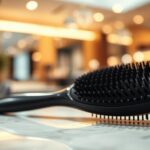
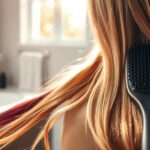
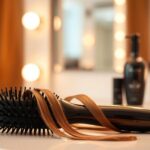
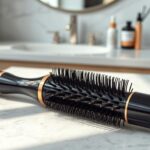
Hair brush for sleek hair is not just about aesthetics; it’s a crucial element in your hair care routine that can elevate your locks to new heights of shine and smoothness. The right brush can make all the difference in achieving that polished look that many strive for. With a plethora of brushes available, each designed for specific hair types and textures, understanding their unique benefits is key to unlocking sleekness.
From paddle brushes to round brushes, and even vent brushes, selecting the right tool tailored to your hair’s needs is essential. Features such as bristle type, brush shape, and even handle comfort play a pivotal role in how effectively you can style your hair while minimizing damage. Let’s dive deeper into the world of hair brushes to discover how they contribute to achieving that enviable sleek hairstyle.
Understanding the Importance of a Good Hair Brush for Achieving Sleek Hair
A good hair brush is essential for anyone looking to achieve that perfectly sleek and shiny hairstyle. It may seem like a small tool, but the right brush can significantly impact the overall health and appearance of your hair. Not only does it help detangle and style, but it also plays a crucial role in distributing natural oils from the scalp throughout the hair strands, contributing to a sleeker look and enhanced shine.
The role of a hair brush in hair care routines is multifaceted. For one, using the right brush helps minimize breakage and split ends, both of which can detract from the sleekness of your hair. When brushed correctly, hair becomes smoother and less frizzy, allowing for a polished finish. Additionally, the brushing technique can influence blood circulation in the scalp, promoting healthier hair growth. The type of brush you select should complement your hair type and texture to maximize its benefits, making it a key player in any hair care regimen.
Types of Brushes for Different Hair Types and Textures
There is a diverse range of brushes available, each designed to cater to different hair types and textures. Understanding these options allows you to select the most effective tool for achieving sleek hair.
- Paddle Brushes: Best suited for straight or wavy hair, paddle brushes have broad and flat surfaces that can detangle larger sections of hair efficiently.
- Round Brushes: Ideal for adding volume and curl to fine hair, round brushes come in various sizes, allowing for versatility in styling.
- Boar Bristle Brushes: Known for their ability to distribute natural oils, these brushes are perfect for coarse or curly hair, enhancing shine and reducing frizz.
- Vent Brushes: These brushes are designed with spaced-out bristles that allow for quicker drying time, making them a great option for thick or textured hair.
The effectiveness of a brush in creating sleek hairstyles is determined by several key features. One important aspect is the material of the bristles; nylon or mixed bristles often provide better grip and control, while natural bristles promote shine and overall hair health. Additionally, the shape and design of the brush can either enhance or hinder the styling process. For instance, brushes with flexible bristles can adapt better to the hair’s texture, reducing the chance of damage.
In summary, selecting the right hair brush tailored to your specific hair type and texture can dramatically improve the sleekness and shine of your hairstyle. A thoughtful choice in brushes not only helps in styling but also maintains the health of your hair, ensuring that it looks its best.
Analyzing Different Types of Hair Brushes for Sleek Hair
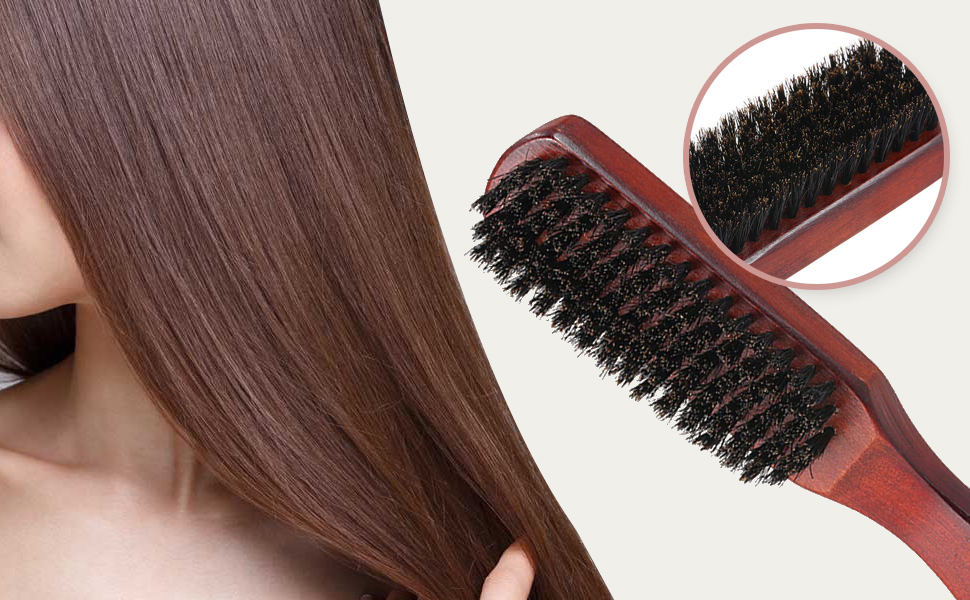
Choosing the right hair brush is essential for achieving sleek, shiny hair. With a variety of brushes available, each serves unique purposes for different hair types and styling preferences. Understanding the characteristics of these brushes can significantly impact your hair care routine and final look.
Types of Hair Brushes
There are several types of hair brushes that cater to specific styling needs and hair types. Here’s a breakdown of the most common types:
- Paddle Brushes: These wide, flat brushes are ideal for detangling and smoothing hair. They work best on straight or slightly wavy hair and can be used on wet or dry hair. Paddle brushes help distribute natural oils, leaving hair looking shiny.
- Round Brushes: Typically used for blow-drying, round brushes come in various sizes to create volume, curls, or waves. Smaller brushes are great for tighter curls, while larger ones are perfect for achieving big, bouncy styles. They also help with smoothing out frizz during styling.
- Vent Brushes: Featuring widely spaced bristles, vent brushes are designed for quick drying and adding volume. They allow air to flow through, making them perfect for blow-drying. Vent brushes are also great for creating a tousled look but may not be the best for sleek finishes.
Comparison of Synthetic vs. Natural Bristles
The choice between synthetic and natural bristles affects hair smoothness and overall styling. Each type has its own advantages:
- Synthetic Bristles: Often made from nylon or polyester, synthetic bristles are durable and easy to clean. They typically create less static and are great for detangling, making them suitable for all hair types.
- Natural Bristles: Usually made from boar or other animal hair, natural bristles are excellent for distributing oils and smoothing hair. They help reduce frizz and add shine, making them ideal for achieving a sleek look, especially on medium to thick hair.
Selecting the Right Hair Brush
Choosing the right hair brush depends on individual hair texture and styling goals. Consider the following factors when making your selection:
- Hair Type: Fine hair benefits from lightweight brushes, while thick or curly hair may require more robust brushes that can handle tangles.
- Styling Goals: If your goal is to achieve a sleek look, opt for brushes with natural bristles. For volume or waves, round brushes are more effective.
- Heat Resistance: For blow-drying, ensure the brush is heat-resistant to prevent damage and maintain the integrity of your hair.
Choosing the right brush is essential for achieving sleek, shiny hair. Each brush type serves unique purposes tailored to hair type and styling needs.
Techniques for Using Hair Brushes to Achieve Sleekness
Achieving sleek hair goes beyond using the right products; it involves mastering specific techniques when using hair brushes. This ensures that your hair not only looks stunning but also remains healthy and damage-free. Here, we will delve into effective brushing techniques, the importance of sectioning hair, and methods to incorporate heat styling tools for optimal sleekness.
Brushing Techniques for Sleek Hair
Utilizing proper brushing techniques is essential for minimizing damage while maximizing sleekness. Here are some vital practices to consider:
- Use the Right Brush: A paddle brush or a boar bristle brush works wonders for straightening hair. These brushes help distribute natural oils from the scalp, which can enhance shine and reduce frizz.
- Brush from the Tips Upward: Start brushing from the ends of your hair, gradually working your way up to the roots. This method helps prevent breakage and tangling.
- Be Gentle: Avoid tugging at knots; instead, gently detangle using your fingers first before using the brush. Rushing through tangles can lead to unnecessary damage.
- Brush in Sections: Taking smaller sections of hair at a time allows for more thorough brushing, resulting in a smoother finish.
Importance of Sectioning Hair
Sectioning hair is vital in achieving an even and polished look. It allows for better control and precision during styling. Here’s how to effectively section your hair:
- Divide Wet and Dry Hair: Always section hair when it’s wet for detangling and styling, and once dry, for straightening or curling.
- Use Clips: Use hair clips to hold sections in place. This prevents hair from reverting while you work on other sections.
- Work in Quadrants: Divide your hair into four main sections (top-left, top-right, bottom-left, bottom-right). This method is particularly effective if you have thick hair.
Using a Brush with Heat Styling Tools
Incorporating a brush while using heat styling tools can significantly enhance the sleekness of your hair. Here’s a step-by-step method to follow:
- Preparation: Apply a heat protectant spray to shield your hair from damage.
- Heat the Tool: Preheat your flat iron or curling iron to an appropriate temperature suitable for your hair type.
- Section Your Hair: As mentioned earlier, section your hair into manageable parts for easier styling.
- Brush While Styling: As you glide the flat iron down a section, follow it with a brush to smooth the hair simultaneously. This creates a sleek and shiny finish.
- Cool and Set: After each section, allow your hair to cool before moving on. This helps set the sleekness and maintain the style longer.
The Role of Hair Products in Complementing Hair Brushes for Sleek Styles
Achieving that coveted sleek hair look isn’t just about using the right brush; it’s also about incorporating the right hair products. These products can enhance the effectiveness of your brush, providing that smooth, polished finish that everyone desires. This section delves into the types of hair products that work best with brushes, how to apply them properly, and the critical role of heat protectants when using heated styling tools.
Types of Hair Products for Sleek Styles
To maximize the sleekness of your hair, consider incorporating the following products into your routine. Each serves a unique purpose in smoothing and controlling frizz, ultimately enhancing the results you achieve with your brush.
- Serums: Lightweight and often silicone-based, serums can provide a protective layer over the hair, making it smoother and shinier. A few drops can go a long way in taming flyaways.
- Oils: Natural oils such as argan or jojoba are excellent for adding moisture and shine. They can be applied to damp hair before brushing for better absorption.
- Sprays: Finishing sprays or shine sprays can be used to lock in your styled look. They add an extra layer of shine and can help maintain sleekness throughout the day.
Application Techniques for Optimal Results
The way you apply these products can significantly impact the final look. Here’s how to properly use them before and after brushing:
- Before Brushing: For serums and oils, apply a small amount to your palms, rub them together, and then run your hands through your damp hair, focusing on the ends. This helps in evenly distributing the product without weighing the hair down.
- After Brushing: Once you’ve styled your hair with the brush, a light mist of finishing spray can help to keep everything in place. Hold the spray at a distance to avoid heavy build-up on any one area.
The Importance of Heat Protectants
When using heated brushes or any styling tools that generate heat, applying a heat protectant is essential. This product forms a barrier between your hair and the heat, preventing damage and maintaining hair health.
“Using a heat protectant can reduce moisture loss and minimize damage, allowing you to enjoy sleek styles without compromising your hair’s integrity.”
Applying a heat protectant is simple: spray it evenly on dry or slightly damp hair before using a heated tool. This step not only preserves hair health but also enhances the overall sleekness of your style, ensuring your locks remain vibrant and healthy.
Common Mistakes to Avoid When Using Hair Brushes for Sleek Hair
Achieving sleek hair often comes down to the tools and techniques you use. One of the most common offenders in the quest for smooth locks is the hair brush. Many people unknowingly make mistakes that can lead to frizz and a less polished finish. Understanding and avoiding these frequent errors can significantly impact the overall health and appearance of your hair.
When using hair brushes, it’s essential to be mindful of your technique and the type of brush you’re using. Common mistakes can hinder your results and lead to breakage or frizz. Here are some of the most frequent errors and how to correct them:
Frequent Mistakes and Corrections
Using the wrong brush for your hair type can result in a less than ideal finish. Take note of the following common mistakes and their corrections:
- Using a brush on wet hair: Wet hair is more susceptible to damage. Always use a wide-tooth comb on wet hair to prevent breakage.
- Choosing the wrong bristle type: Natural bristles are great for smoothing and distributing oils, while synthetic bristles can create static. Select based on your hair type.
- Not sectioning hair: Brushing all your hair at once can lead to tangles. Section your hair to achieve a smoother result.
- Brushing too aggressively: Being too rough can lead to breakage. Use gentle strokes to detangle.
- Ignoring brush maintenance: Dirty brushes can transfer oils and dirt back to your hair. Regular cleaning is essential.
Maintaining and cleaning your hair brushes is crucial for their longevity and effectiveness. Proper care not only extends the life of your brushes but also enhances your styling results. Here’s how to maintain and clean your brushes for optimal performance:
Brush Maintenance and Cleaning Tips
Regularly maintaining your hair brushes ensures they function at their best. Here are some essential tips for keeping your brushes clean and effective:
- Remove hair regularly: After each use, remove any trapped hair from the brush to prevent buildup.
- Wash your brushes: Clean brushes with warm water and a gentle shampoo every few weeks to eliminate product buildup and dirt.
- Dry properly: Lay brushes flat to dry after washing. Avoid standing them upright as water can seep into the base.
- Store correctly: Keep brushes in a dry place, away from humidity, to prevent the growth of mold and bacteria.
To ensure optimal performance and maintain hair health, knowing when to replace your hair brushes is essential. Using worn-out brushes can hinder your efforts for sleek hair and may even cause damage.
Replacing Hair Brushes for Optimal Hair Health
The lifespan of a hair brush depends on its usage and maintenance. Here are some guidelines to consider when deciding to replace your brushes:
- Visible wear and tear: If you notice broken bristles or a bent frame, it’s time for a replacement.
- Old age: A good quality brush should last around 1-2 years with proper care. If yours is older, consider a new one.
- Change in hair texture: If your hair has changed due to color treatments or damage, a new brush tailored to your current hair type may be necessary.
- Difficulty in styling: If you find it hard to achieve the sleek look you desire, your brush may not be functioning optimally anymore.
Exploring Tools and Accessories That Enhance the Brushing Experience
Achieving sleek hair goes beyond just a good brush; it often involves a combination of tools and accessories that work together seamlessly. These additional items not only make the brushing experience more efficient but also enhance the final styling results. Incorporating the right accessories can save time and effort while ensuring that your hair remains healthy and beautifully styled.
To optimize your brushing routine, consider these essential tools that complement your hairbrush. Each accessory serves a specific purpose in managing hair and achieving that smooth, polished look we all desire.
Essential Accessories for Brushing and Styling
Incorporating a variety of tools can significantly improve the quality of your hair care routine. Here are some must-have accessories that can transform your experience:
- Hair Clips: These are crucial for sectioning hair while brushing, allowing you to focus on one area at a time without tangling or missing spots.
- Combs: A wide-tooth comb is ideal for detangling, especially on wet hair, while a fine-tooth comb can help in smoothing out the hair before brushing.
- Heat Protectant Gloves: When using heat styling tools, these gloves protect your hands from burns while ensuring you can style efficiently.
- Hair Serum or Oil: Applying a serum or oil can help in reducing frizz and adding shine, making the brushing process easier and the end result more polished.
- Detangling Spray: This can help in minimizing breakage and making hair more manageable, especially for those with curly or thick hair.
- Brush Cleaner: Keeping your brush clean prolongs its life and ensures better performance. A simple cleaner or a tool to remove hair from the bristles is essential.
To create an effective hair care station, consider designing a space that not only organizes your brushes and products but also enhances your styling routine. A well-structured station can make styling feel effortless.
Designing a Simple Hair Care Station
A functional hair care station should include designated storage areas for all your essential tools. Here’s a straightforward design idea:
– Storage Unit: A small cabinet or shelf with drawers for brushes, clips, and products.
– Counter Space: A clear area for your styling tools, allowing easy access when needed.
– Mirror: An adjustable mirror positioned above the station ensures you can see your hair from various angles while styling.
– Tool Organizer: Use a cup or holder to keep your combs and brushes upright and within reach.
– Wall Hooks: Install hooks for heat styling tools like curling irons or straighteners to keep them accessible yet safe.
This combination of practical design elements will create an efficient and aesthetically pleasing hair care station that elevates your brushing experience.
Real-life Experiences with Different Hair Brushes for Sleek Hair
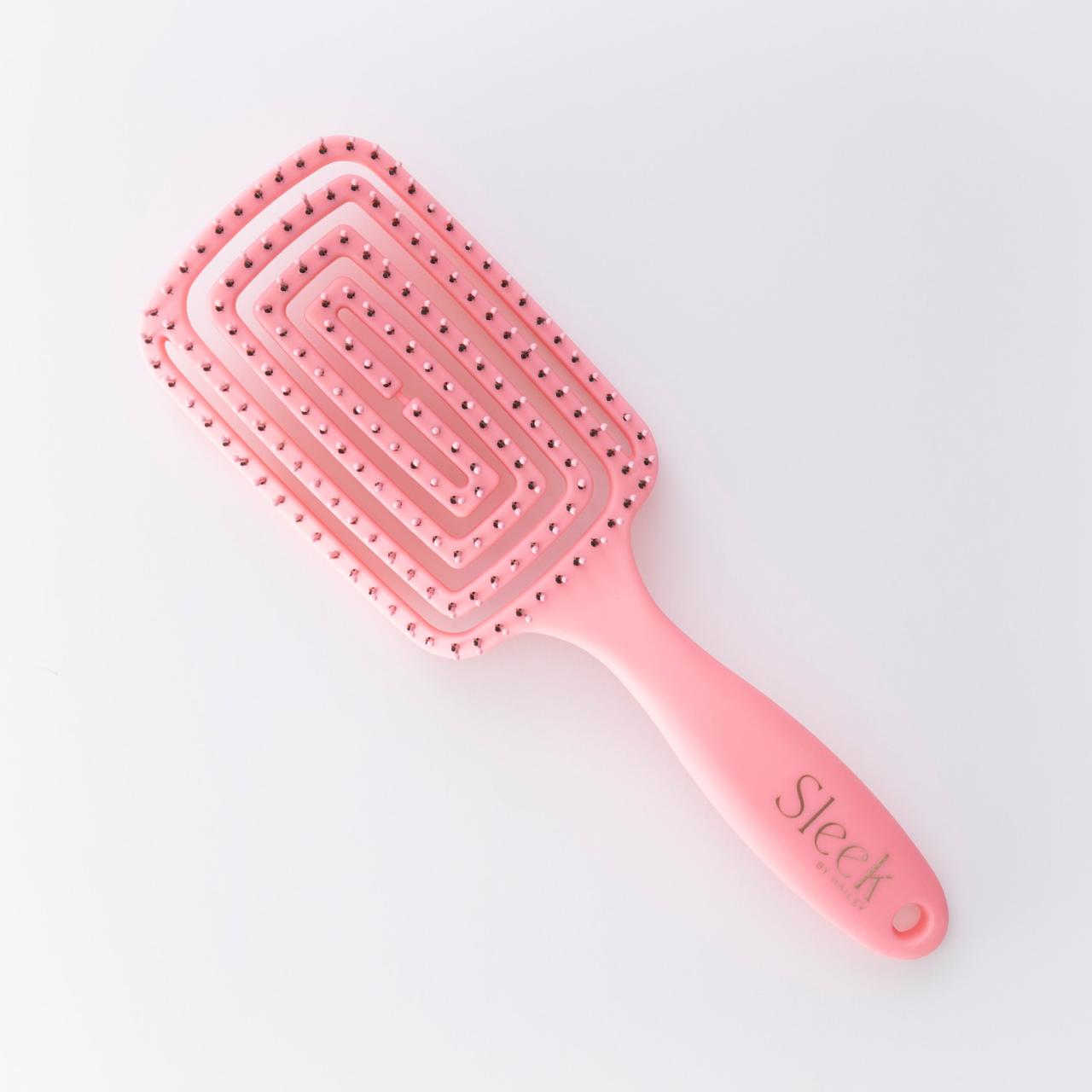
Many individuals embark on a quest for the perfect hair brush, aimed at achieving sleek and polished hairstyles. Personal stories reveal a wide array of experiences, highlighting how different brushes and hair types lead to unique outcomes. From fine to thick hair, the journey to finding a compatible hair brush is often filled with trial and error.
Different hair types significantly influence personal experiences with hair brushes. Users have found that their specific brush choice impacts not only the ease of styling but also the health and appearance of their hair. To better understand these experiences, we can look at several testimonials that showcase the relationship between hair type and brush performance.
Testimonials on Hair Brush Experiences
Hearing real-life stories helps illustrate how various individuals have navigated their hair brushing journeys. Here are some notable experiences that resonate with many:
- Emily, with fine hair: After struggling with tangles and frizz for years, Emily discovered a boar bristle brush that transformed her daily routine. She noted, “Using the boar bristle brush not only detangles my hair easily but also distributes natural oils, leaving my hair sleek and shiny.”
- Mark, with thick curly hair: Mark initially opted for a paddle brush, but after several months, he found it wasn’t suited for his curls. “Switching to a wide-tooth comb made a world of difference. It allows me to define my curls without frizz and keeps the sleek look I want,” he shared.
- Aisha, with wavy hair: Aisha experimented with a round brush and was pleasantly surprised. “Blow-drying with a round brush not only straightens my waves but also adds volume. It’s my go-to for sleek styles, especially for special occasions,” she mentioned.
- James, with coily hair: For James, a Denman brush proved to be essential. “My hair is prone to frizz, but this brush helps me create defined coils without losing moisture. It’s perfect for maintaining a sleek appearance,” he explained.
These testimonials illustrate that the right brush can make all the difference for various hair types. Each individual’s experience underscores the importance of understanding one’s hair texture and how it interacts with different brush materials and designs.
Reflecting on personal hair brushing experiences can be enlightening, helping individuals identify what works best for them. Whether it’s the type of bristles, the brush shape, or the overall design, each factor plays a significant role in the outcome of sleek hair. By sharing these experiences, we can inspire each other to explore and find the perfect hair brush for our unique styling needs.
Closing Summary
In conclusion, the journey to achieving sleek hair with the right brush is multifaceted, involving technique, product selection, and personal experience. By understanding the various types of brushes, their unique characteristics, and how to use them effectively, you can enhance your hair’s natural beauty. Remember, it’s not just about the brush; it’s about how you care for your hair and the techniques you employ to achieve that flawless finish. Embrace the process, and enjoy experimenting with different tools and products to find what works best for you.
General Inquiries
What type of brush is best for frizzy hair?
A paddle brush with wide, soft bristles is often recommended for frizzy hair, as it helps to smooth out tangles without causing breakage.
Should I use a wet or dry brush for styling?
It depends on your hair type; generally, a wet brush is suited for detangling wet hair, while a dry brush is best for styling and smoothing dry hair.
How often should I clean my hair brush?
You should aim to clean your hair brush every couple of weeks to remove hair, product buildup, and dirt, ensuring optimal performance.
Can I use a round brush with a blow dryer?
Yes, a round brush is ideal for blow-drying as it can help achieve volume and curves while smoothing the hair.
Do expensive brushes really make a difference?
While not always necessary, higher-quality brushes often use better materials, which can lead to less damage and improved styling results.