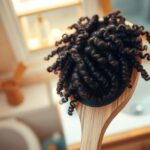
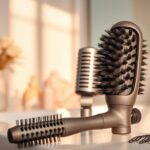
Hair brush for short hair is an essential tool that can transform your styling routine and boost manageability. Short hair can be a canvas for creativity, but it can also pose unique challenges. The right brush not only helps in achieving that perfect look but also caters to various hair types, making styling easier and more enjoyable.
Using a specific hair brush designed for short hair can greatly enhance the overall styling experience. Different hair types require different brushes, and knowing how to choose the right one can resolve common issues like tangles and lack of volume. By understanding how to use a brush effectively, you can elevate your hair game, ensuring your short hairstyle looks its best every day.
A comprehensive overview of the benefits of using a specific hair brush for short hair
The right hair brush can significantly impact the styling and maintenance of short hair, making the difference between a chaotic look and a polished finish. Selecting a specialized brush for short hair not only enhances manageability but also plays a crucial role in achieving the desired style. Each hair type comes with its unique challenges, which is why understanding these differences is essential when choosing a brush.
Short hair offers versatility, yet it can also pose specific challenges like tangles, frizz, and a lack of volume. A specialized brush designed for short hair can help mitigate these issues effectively. For instance, a brush with short, dense bristles can withstand the unique texture of shorter strands, ensuring that every hair is properly smoothed and styled. This is particularly important for those with fine hair, as a soft-bristle brush can add volume without causing breakage. On the other hand, individuals with thicker or coarser hair may benefit from a round brush that not only detangles but also adds lift at the roots, achieving a more dynamic look.
Influence of Hair Types on Brush Selection
Different hair types necessitate varying brush characteristics to maximize styling efficiency and effectiveness. The following highlights how specific hair types dictate brush choice:
- Fine Hair: A lightweight brush with soft bristles is ideal, as it prevents breakage while distributing natural oils, contributing to a healthier shine.
- Thick Hair: A paddle brush with wide-set bristles can easily glide through thick locks, detangling without pulling or causing damage.
- Curlier Textures: A wide-toothed comb or a brush designed specifically for curls can define curls while reducing frizz, making styling easier.
- Straight Hair: A boar bristle brush is excellent for straight hair, as it smooths the cuticle and adds a natural shine.
Common problems faced by individuals with short hair include lack of volume, difficulty in achieving a polished look, and frequent tangling. A specific hair brush can overcome these hurdles by providing targeted solutions, such as distributing product evenly, smoothing frizz, and creating effortless volume.
“Using the right brush can transform not just your hair’s appearance, but also its health.”
Incorporating the right tools into your hair care routine is essential for maintaining beautiful, manageable short hair. The right brush can elevate your styling game, making every day a good hair day.
The different types of hair brushes suitable for short hair
For those with short hair, selecting the right brush can make all the difference in achieving a polished and stylish look. The various types of hair brushes available cater specifically to the unique needs of short hair, allowing for versatile styling and maintenance. Here’s a closer look at three popular brush types that are ideal for short hair, highlighting their features, materials, and benefits for styling.
Flat Brushes
Flat brushes are a staple for those with short hair. Their broad, flat surface makes them perfect for smoothing and straightening hair. Typically featuring nylon or boar bristles, these brushes are designed to glide through the hair without snagging, which is essential for short styles that require precision. The boar bristles, in particular, distribute natural oils from the scalp, promoting shine and healthy hair.
- Smoothing and Straightening: Flat brushes can effortlessly create a sleek look, making them ideal for short bob cuts or pixie styles.
- Gentle on Hair: The soft bristles prevent breakage and split ends, which are crucial for maintaining the health of shorter hair.
- Versatility: These brushes can be used for both wet and dry hair, giving versatility to styling routines.
Round Brushes
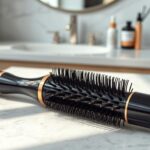
Round brushes are essential for adding volume and creating curls or waves in short hair. Their cylindrical shape allows for various styling techniques, from creating bouncy curls to adding texture. Constructed from materials like ceramic or tourmaline, these brushes heat up quickly, enabling faster styling and enhanced results.
- Volume Boost: Round brushes lift hair at the roots, making them perfect for adding bounce to shorter hairstyles.
- Curling Capability: These brushes can be used to create defined curls, especially for styles like the classic bob.
- Heat Distribution: Ceramic materials ensure even heat distribution, minimizing the risk of heat damage during blow-drying.
Teasing Brushes
Teasing brushes are specifically designed for creating volume and texture at the roots of short hairstyles. With closely spaced bristles, these brushes allow for effective teasing without causing significant damage to the hair. They are often made from materials like plastic or mixed bristles, providing flexibility and control.
- Texture Creation: Ideal for short hair, teasing brushes can create a fuller look, especially for styles like the shag or layered cuts.
- Control: The design allows for precise teasing, giving you the ability to style with accuracy.
- Less Damage: The unique bristle configuration minimizes tugging, making it easier to achieve volume without compromising hair health.
“Choosing the right brush is essential for maintaining the health and style of short hair.”
Short hair requires specialized tools to achieve and maintain the desired look. Each brush has unique characteristics that cater to different styling techniques, ensuring that your short hairstyle always looks its best.
How to properly use a hair brush for short hair
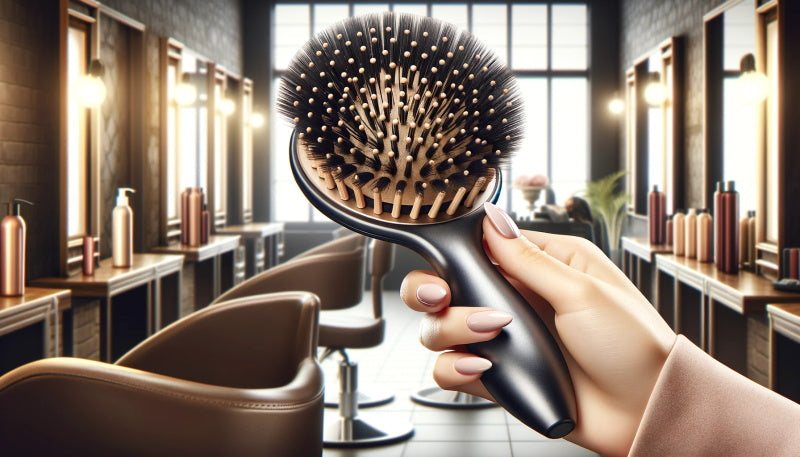
Using a hair brush effectively on short hair requires some technique and care to achieve the desired styles. Whether you’re going for a sleek look, tousled waves, or adding volume, understanding the right techniques can make all the difference. Here’s a comprehensive guide to help you master the art of brushing short hair.
Step-by-step process for effective brushing
Brushing short hair may seem straightforward, but following a systematic approach can enhance your styling routine. Here’s how to do it effectively:
1. Start with clean, dry hair: Ensure your hair is clean and dry, as brushing wet hair can lead to breakage. Use a mild shampoo and conditioner suited for your hair type.
2. Choose the right brush: For short hair, a round brush or a paddle brush works best. Round brushes create volume and curls, while paddle brushes are great for straightening.
3. Section your hair: Divide your hair into manageable sections using hair clips. This allows for more control and prevents tangles during the brushing process.
4. Begin brushing from the ends: Start at the ends of your hair and work your way up to minimize breakage. Gently detangle any knots before moving higher.
5. Use smooth strokes: Brush your hair in smooth, gentle strokes. Avoid aggressive brushing, as it can cause damage and split ends.
6. Style as you brush: For added volume or curls, use a round brush and twist it slightly while pulling through your hair. For a straight look, simply glide the brush down without twisting.
7. Finish with a protective spray: Once you’ve achieved your desired style, use a light finishing spray to hold the shape and protect against frizz.
Brushing techniques for different short hair styles
Different short hair styles require specific brushing techniques to enhance their unique features. Here are some effective methods:
– Sleek bob: Use a paddle brush to straighten the hair while blow-drying. Brush downwards and use a heat protectant to prevent damage.
– Textured pixie cut: Use your fingers to create a tousled look. A round brush can help lift the roots while blow-drying, giving a more voluminous texture.
– Layered short hair: For layered styles, use a vent brush to fluff the layers while blow-drying. This adds dimension and movement to the style.
– Wavy short hair: For waves, wrap sections of hair around a round brush while blow-drying. Finish with a texturizing spray for a beachy look.
Tips for avoiding damage and maintaining hair health
Maintaining the health of short hair while brushing is crucial. Here are some practical tips to ensure your hair stays healthy:
– Brush gently: Always use a gentle hand while brushing to avoid pulling and breaking hair strands.
– Limit heat exposure: Minimize the use of heat styling tools. If heat is necessary, use the lowest effective setting and always apply a heat protectant.
– Regular cleaning of brushes: Keep your brushes clean by removing hair strands and washing them regularly to prevent product buildup.
– Stay hydrated: Drink plenty of water and maintain a balanced diet rich in vitamins and minerals to support hair health from within.
– Trim regularly: Regular trims every 6-8 weeks help prevent split ends and keep your hair looking fresh.
Following these guidelines will not only help you style your short hair effectively but also ensure it remains healthy and vibrant.
The importance of maintaining your hair brush for optimal performance
Regular maintenance of your hair brush is crucial for achieving the best results while styling short hair. A clean and well-maintained brush not only enhances your hair’s appearance but also promotes healthier hair growth. Over time, brushes accumulate hair, product buildup, and dirt, which can lead to poor performance when styling. Therefore, understanding the importance of keeping your hair brushes in top condition is essential for anyone looking to maintain their hair’s health and style.
Cleaning and maintaining your hair brush is particularly important for users with short hair because shorter strands can easily become tangled or damaged if proper care is not taken. Regular cleaning helps to remove debris and oils that can hinder the brush’s effectiveness. Moreover, using a dirty brush can transfer bacteria and product residue back to your hair, potentially leading to issues such as dandruff or scalp irritation.
Cleaning methods for different types of brushes
To ensure that your hair brush continues to perform optimally, a systematic approach to cleaning is necessary. Different types of brushes may require specific cleaning methods and products. Here’s a guide to help you maintain various brush types effectively:
– Bristle Brushes: Start by removing hair strands tangled in the bristles using a comb or your fingers. Then, soak the brush in warm water mixed with a few drops of mild shampoo for about 10-15 minutes. Rinse thoroughly and allow it to air dry.
– Plastic Brushes: Similar to bristle brushes, first remove any trapped hair. Use a mixture of warm water and vinegar for a quick disinfectant solution. Soak for a few minutes, then rinse and dry completely.
– Round Brushes: Carefully pull out hair strands from the bristles. Use a gentle cleaner or shampoo mixed with warm water to soak the brush for about 5 minutes. Rinse well and let it dry upside down to maintain the shape.
– Heat-resistant Brushes: Ensure to use products that won’t damage the material. A mix of warm water and a soft soap is ideal. Avoid high heat when rinsing and make sure the brush dries away from heat sources to maintain its shape.
Maintaining these brushes regularly will not only extend their lifespan but also ensure they work effectively when styling your hair.
Signs that indicate a brush needs to be replaced
Recognizing when to replace your hair brush is just as important as maintaining it. Over time, brushes can wear out or become less effective, which may hinder your hair styling process. Here are some signs to watch for:
– Bristle Damage: If the bristles are bent, broken, or frayed, the brush will not glide smoothly through your hair, increasing the risk of damage.
– Product Buildup: If regular cleaning doesn’t seem to remove all residue, it may be time for a new brush. A brush that retains product buildup can lead to dull hair and scalp issues.
– Unpleasant Odor: A brush that emits a bad smell, even after cleaning, may harbor bacteria or mold. This is a clear sign that replacement is necessary.
– Difficulty in Styling: If you find it increasingly difficult to style your hair with your brush, it might not grip your hair properly anymore, indicating that it’s time to consider a new one.
Paying attention to these signs can prevent further hair damage and keep your styling routine efficient and enjoyable. A well-maintained brush not only performs better but also contributes positively to your overall hair health.
Personalizing your hair brushing routine based on hair texture and length
Creating a personalized hair brushing routine is essential for maintaining healthy locks and achieving the desired style. Hair texture and length play crucial roles in determining the best techniques and tools necessary for effective brushing. By tailoring your routine to suit your individual needs, you can enhance the look and feel of your hair while minimizing damage.
Understanding your hair’s specific characteristics can help refine your brushing approach. Short hair requires different techniques compared to long hair, and different textures, such as straight, wavy, or curly, demand unique handling methods. To create a personalized routine, consider the following aspects of hair texture and length:
Framework for Personalized Hair Brushing Routine
A structured framework can assist in developing an effective brushing routine. This includes identifying your hair type, choosing the right brush, and determining the frequency of brushing. Here’s a step-by-step guide:
1. Identify Your Hair Type: Evaluate whether your hair is straight, wavy, curly, or coily. Each type responds differently to brushing.
2. Choose the Right Brush: Select a brush that matches your hair type. For example, a wide-tooth comb is ideal for detangling curly hair, while a paddle brush works well for straight hair.
3. Frequency of Brushing: Short hair typically benefits from daily brushing to maintain freshness, while longer hair may require less frequent brushing to avoid breakage.
4. Brushing Technique: Use gentle strokes, starting from the ends and working your way up to minimize damage and breakage.
Integrating other hair products into your brushing routine can greatly enhance results. Conditioning sprays, serums, and styling products can provide additional moisture, reduce frizz, and help manage flyaways.
Integrating Hair Products with Brushing Routines
Utilizing hair products in conjunction with brushing techniques can maximize the health and appearance of your hair. Here are some helpful integrations:
– Leave-In Conditioners: Apply a leave-in conditioner before brushing, which helps to detangle hair while providing moisture and reducing static.
– Heat Protectants: For those who use heat styling tools, applying a heat protectant spray before brushing can shield hair from thermal damage.
– Frizz Control Serums: A serum can add shine and smoothness to hair, especially for textured or curly types that may be prone to frizz.
Different brushing techniques have various effects on hair textures and styles. For instance, using a boar bristle brush on short, straight hair can distribute natural oils evenly, resulting in a shiny finish. On the other hand, using a detangling brush on curly hair can help maintain curl definition without disrupting the curl pattern.
Effects of Brushing Techniques on Hair Textures
The technique used for brushing can significantly impact the final look. Here’s a breakdown of how different techniques cater to specific hair types:
– Straight Hair: Using long, smooth strokes with a paddle brush helps achieve a sleek look.
– Curly Hair: Brushing curly hair when dry can lead to poofiness; instead, detangle when wet to maintain curl integrity.
– Wavy Hair: For waves, start at the bottom and work your way up with gentle tugging to keep the natural wave pattern intact.
“Brushing is not just about untangling; it’s an art that complements your hair’s personality.”
By customizing your hair brushing routine based on the unique characteristics of your hair, you can maintain its health and beauty, making it a crucial part of your daily self-care ritual.
Expert recommendations on choosing the best hair brush for short hair
Selecting the right hair brush for short hair can significantly enhance your styling experience and hair health. Experts agree that the right brush can make a noticeable difference in how your hair looks and feels.
When choosing a hair brush for short hair, several factors come into play, including the type of brush material, bristle type, and brush design. Understanding these factors can help you find a tool that not only caters to your needs but also improves the overall condition of your hair.
Key factors in selecting a hair brush
Several elements should guide your decision when picking a hair brush for short hair. These include the following:
- Bristle Type: Brushes can have natural bristles, synthetic bristles, or a combination. Natural bristles tend to distribute oils from the scalp, making them great for shiny, healthy hair, while synthetic bristles are often better for detangling.
- Brush Shape: The design of the brush affects how it interacts with your hair. Oval and round brushes are excellent for creating volume and curls, while flat brushes are preferable for straightening.
- Size: Smaller brushes are easier to maneuver in short hair, allowing for more precise styling. Consider the brush size that aligns with your hair length and styling preferences.
- Handle Comfort: A brush with a comfortable grip can make a difference, especially during extended use. Look for ergonomic designs that fit well in your hand.
Top recommended hair brushes for short hair
Based on professional opinions and user reviews, the following brushes are highly recommended for short hair:
- Denman D3 Styling Brush: Renowned for its ability to create defined curls and smooth styles, this brush features nylon bristles that glide through hair without causing breakage.
- Wet Brush Original Detangler: This brush is ideal for detangling wet or dry short hair, as its flexible bristles help prevent damage while effortlessly removing knots.
- Olivia Garden Eco Thermal Brush: This eco-friendly brush is perfect for blow-drying short hair, offering heat resistance and a lightweight design for easy handling.
- Goody QuickStyle Brush: Combining the benefits of a brush and towel, it absorbs water while detangling hair, significantly reducing drying time for short hair.
Price points and quality levels
When considering brushes, it’s important to look at the balance between price and quality. Here’s a breakdown of common price ranges and what to expect:
| Price Range | Quality Level | Typical Features |
|---|---|---|
| Under $10 | Basic | Commonly made with synthetic bristles, suitable for everyday use. |
| $10 – $30 | Mid-Range | Often includes ergonomic designs, and better materials, and is suitable for more targeted styling. |
| Over $30 | High-End | High-quality materials such as boar bristles or specialized designs for specific styling needs. |
Exploring the influence of hair brushes on styling short hairstyles
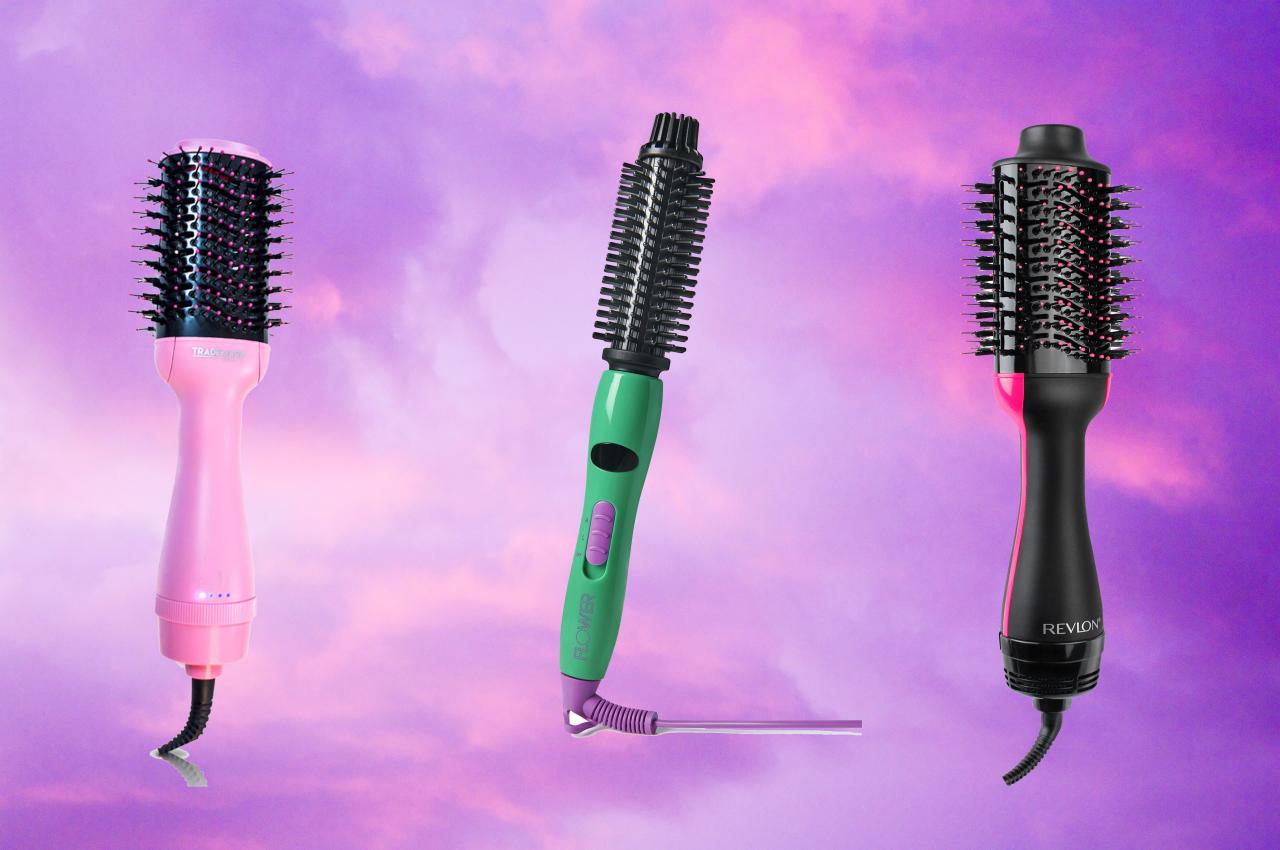
The choice of hair brush can significantly impact how short hairstyles look and feel. With the right brush, you can elevate your short hair game, enhancing volume, texture, and overall definition. Different brushes are designed for specific styling techniques, making them essential tools in achieving the desired looks for various short hairstyles.
Hair brushes play a crucial role in shaping and styling short hair. They can add volume at the roots, create sleek finishes, or enhance curls and waves. For instance, a round brush can lift the hair at the roots while creating curls or waves, while a paddle brush is perfect for smoothing and straightening. This versatility allows for a wide range of styling options, making hair brushes indispensable for anyone with short hair seeking to change their look.
Brush Types and Their Impact on Popular Short Hairstyles
Understanding the types of brushes and their specific applications is vital for achieving the best results with short hair. Below are some popular short hairstyles along with the brushes that effectively complement them:
- Pixie Cut: A paddle brush is ideal for a pixie cut as it allows for smooth styling and easy detangling. This brush helps to create a sleek and polished look, emphasizing the sharp edges of the cut.
- Bob Cut: A round brush can be used for a classic bob, providing volume and movement. When blow-drying, rolling the hair around the brush helps create lift at the roots and soft curls at the ends.
- Shaggy Bob: A vent brush is perfect for this style, as it helps to enhance texture and separation. This brush allows for easy styling and adds a tousled finish, making the hair appear effortlessly chic.
- Curling Waves: A ceramic round brush is excellent for adding defined curls or waves to short hair. The ceramic material distributes heat evenly, allowing for longer-lasting curls that maintain their shape throughout the day.
“The right hair brush can dramatically transform the appearance of short hairstyles by enhancing volume, texture, and definition.”
Selecting the appropriate brush not only helps achieve the desired style but also contributes to the overall health of the hair. Using high-quality brushes specifically designed for your hair type can minimize damage, enhance shine, and make styling effortless and enjoyable. With the right tools in hand, styling short hair can be a creative and rewarding experience.
Addressing common misconceptions about hair brushing for short hair
Many people harbor misconceptions about brushing short hair, leading to confusion and ineffective hair care routines. Understanding the truths behind these myths can greatly enhance the health and appearance of short hairstyles. This section aims to debunk prevalent myths surrounding hair brushing for short hair and shed light on the impact these misconceptions have on overall hair care practices.
Common Myths About Hair Brushing Short Hair
There are several myths about brushing short hair that can negatively affect how individuals care for their locks. Addressing these myths helps emphasize the importance of proper hair care techniques.
- Myth 1: Short hair doesn’t need regular brushing.
It’s a common belief that short hair requires less maintenance, leading some to skip brushing altogether. In reality, regular brushing helps remove dirt, distribute natural oils, and prevent tangles, regardless of hair length. - Myth 2: Any brush will work for short hair.
Short hair benefits significantly from using the right type of brush. A soft-bristle brush or a wide-tooth comb is often recommended to prevent breakage and maintain the hair’s natural texture. - Myth 3: Brushing short hair causes damage.
Many assume that brushing can damage short hair, particularly if it’s fine. However, gentle brushing can actually stimulate the scalp and promote healthier hair growth when done properly. - Myth 4: Short hair doesn’t tangle.
While it’s less prone to tangling compared to long hair, short hair can still become tangled. Regular brushing helps prevent knots and maintains the overall shape of the hairstyle.
“Brushing short hair is about enhancing its health and vitality, not just styling. The right technique and tools can make a huge difference!” – Hair Care Expert
Misconceptions about brushing short hair can lead to inadequate hair care practices, affecting the overall health of the hair. When individuals neglect to brush their short hair properly, they may experience issues such as product buildup, dullness, and even split ends. Implementing the correct brushing technique along with the right tools can help maintain vibrant and healthy hair.
Expert insights have shown that those who embrace proper brushing routines often see improvements in hair texture and manageability. Testimonials from individuals who have adjusted their hair care practices highlight the positive impact of debunking these myths. For instance, many report that incorporating regular brushing has led to shinier and more resilient hair, while also making styling easier and more effective.
Closing Summary
In summary, selecting the right hair brush for short hair is crucial for achieving stunning styles and maintaining hair health. By understanding the types of brushes available, proper usage techniques, and regular maintenance, you can ensure that your short hair remains vibrant and stylish. With the right tools and knowledge, you can confidently embrace your short hair journey.
User Queries
What type of brush is best for fine short hair?
A soft-bristle brush or a vent brush is ideal for fine short hair to avoid breakage while adding volume.
How often should I clean my hair brush?
It’s best to clean your hair brush every two to four weeks to maintain its performance and hygiene.
Can I use a round brush on short hair?
Yes, a round brush can work well for short hair, especially for adding curls and volume when blow-drying.
Should I brush my hair when it’s wet or dry?
It’s generally better to brush your hair when it’s dry to minimize breakage; if you must detangle wet hair, use a wide-tooth comb.
What are the signs that I need to replace my hair brush?
Signs include broken bristles, buildup of hair products, or if it no longer glides smoothly through your hair.