Professional hairstylist brushes are essential tools that significantly influence the outcome of hairstyling. Selecting the right brush can elevate your styling game, ensuring that your hair looks its best whether you’re preparing for a special occasion or simply managing everyday locks. With various types of brushes available, each designed for specific hair types and styles, understanding their unique benefits is vital for achieving the desired look.
From paddle brushes that gently detangle to round brushes that create volume and curls, knowing which brush to use can make all the difference. Different hair textures require different bristles, and this guide will explore how choosing the right professional hairstylist brush can lead to healthier hair and more effective styling results.
The Importance of Choosing the Right Professional Hairstylist Brush
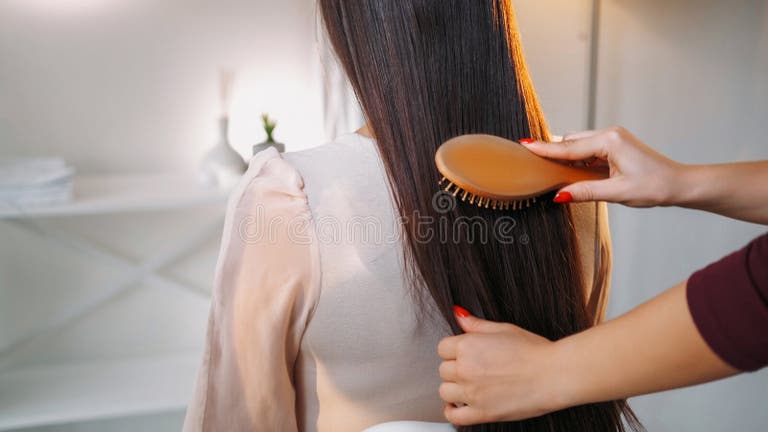
Selecting the appropriate hairstylist brush is crucial for achieving the best results when styling hair. The right brush not only enhances the styling process but also contributes to the overall health and appearance of the hair. A well-chosen brush can make a significant difference in how smooth, shiny, and manageable the hair becomes, leading to a more polished finish. Understanding the various types of brushes available and their specific applications is essential for any hairstylist aiming to deliver high-quality results.
The quality of hairstyling is heavily influenced by the brush used, as it can affect everything from the texture to the shine of the hair. Different brushes are designed for various styling techniques and hair types, making it necessary for professionals to select the right tool for each unique scenario. For example, round brushes are excellent for creating volume and curls, while paddle brushes are ideal for straightening and detangling.
Types of Professional Brushes and Their Uses
Understanding the types of brushes available and their specific uses is essential for hairstylists. Different brushes serve different purposes, and using the right one can make a significant difference in the styling process.
- Round Brushes: Particularly useful for blow-drying, round brushes help create volume and curls. The barrel size determines the curl size; larger barrels create looser waves while smaller barrels lead to tighter curls.
- Paddle Brushes: These brushes are designed for straightening and detangling. Their wide, flat surface allows for quick smoothing of hair, making it ideal for long, straight styles.
- Vent Brushes: Featuring widely spaced bristles, these brushes facilitate quick drying. They are perfect for adding volume and movement to the hair while blow-drying.
- Teasing Brushes: Equipped with fine bristles, teasing brushes are specifically designed to create volume at the roots and are essential for updos and styles that require extra lift.
- Denman Brushes: Often used for defining curls and waves, Denman brushes are favored among those with curly or textured hair, as they help to distribute product evenly.
Different hair types necessitate specific brushes for optimal styling outcomes. For instance, fine or thin hair benefits from lightweight brushes that avoid excessive pulling, while thick or coarse hair often requires sturdier brushes with wider bristles to effectively detangle and style. Curly hair can be best managed with specialized brushes that enhance the curl pattern without causing frizz.
The right brush can not only improve styling efficiency but also enhance the hair’s health and appearance.
By understanding the varied brush options and their specific functions, hairstylists can maximize their techniques and ensure their clients leave with hair that looks and feels amazing. Selecting the appropriate brush tailored to the unique characteristics of each client’s hair type is essential for achieving the best possible results.
Materials Used in Professional Hairstylist Brushes and Their Benefits
Professional hairstylist brushes are crafted from a variety of materials that significantly influence their performance and the health of hair. Understanding the materials used for both bristles and handles is essential for stylists looking to enhance their technique and care for their clients’ hair effectively. Each material offers distinct advantages and drawbacks that can impact styling efficiency and longevity.
Bristle Materials and Their Impact on Hair Health
The choice of bristle material plays a crucial role in both styling capabilities and the overall health of the hair. Common materials include boar bristle, nylon, and natural fibers, each bringing unique benefits.
- Boar Bristle: Known for its ability to distribute natural oils from the scalp through the hair, boar bristle brushes promote shine and reduce frizz. They are gentle on the hair, making them ideal for sensitive scalps. However, they can be more expensive and may require more care to maintain their quality.
- Nylon Bristle: This synthetic option is great for detangling and works well for thick or curly hair. Nylon bristles can withstand more heat, making them suitable for use with styling tools. The downside is that they may create static and can be harsher on fine hair if not used carefully.
- Natural Fibers: Other natural fibers, such as goat hair, offer softness and flexibility, which can be beneficial for delicate styling. They provide a gentle approach to brushing but may not be as effective for detangling as stiffer bristles.
Handle Materials and Durability
The handles of hairstylist brushes are just as important as the bristles, impacting the comfort and control during use. Common materials include wood, plastic, and metal. Each comes with distinct advantages and disadvantages.
- Wood Handles: Wooden handles are durable and provide a comfortable grip. They often have an ergonomic design that reduces strain during prolonged use. However, they can be heavier and may require more maintenance to prevent damage from water or heat.
- Plastic Handles: Lightweight and affordable, plastic handles are easy to maintain and come in various shapes and colors. The downside is that they can be less durable and may not provide the same level of comfort as wood.
- Metal Handles: Metal offers excellent durability and a modern aesthetic. They can withstand high temperatures and are less likely to break. However, metal handles can be heavier and may become uncomfortable during extended use.
“Choosing the right materials in hairstyling brushes is not just about aesthetics; it’s about ensuring the health and longevity of both the tool and the hair being styled.”
Durability is vital in professional hairstylist brushes. The longevity of a brush largely depends on the materials used not only for the bristles but also for the handles. Quality materials withstand the rigors of daily professional use, maintaining their performance and appearance over time. For instance, a well-maintained boar bristle brush can last several years, providing consistent results, while cheaper alternatives may need frequent replacements, impacting overall costs and styling efficiency.
Techniques for Using a Professional Hairstylist Brush Effectively
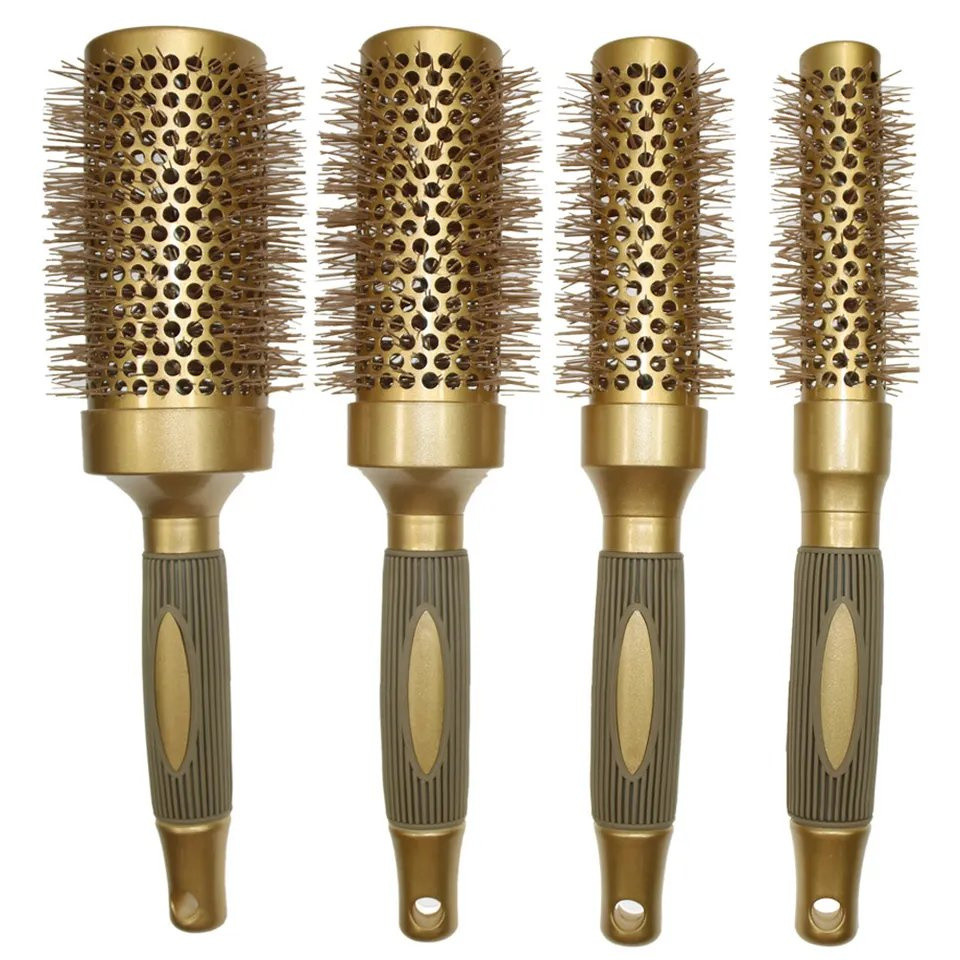
Using a professional hairstylist brush is an art form that can transform hair into a stunning style. Whether you are looking to create smooth, sleek looks or bouncy curls, mastering the techniques associated with these brushes is essential. This guide delves into the practical demonstrations and step-by-step procedures for common hairstyling methods, providing valuable insights for beginners and seasoned stylists alike.
Blow-Drying for Volume and Smoothness
Blow-drying with a round brush is a fundamental technique that enhances volume and smoothness. The right brush can make a significant difference in the final look. Here’s how to effectively use a round brush during blow-drying:
1. Start with Clean, Damp Hair: Towel dry your hair to remove excess moisture before applying heat protectant.
2. Section the Hair: Divide hair into manageable sections using clips, focusing on one section at a time.
3. Position the Brush: Place the round brush underneath the hair section at the roots.
4. Begin Drying: Use the blow dryer on medium heat, directing the airflow down the shaft of the hair as you pull the brush through.
5. Create Volume: Lift the brush away from the scalp while rotating it slightly to add volume at the roots.
6. Finish the Ends: Roll the brush outwards to create a smooth finish at the ends, repeating as necessary.
“The key to a smooth finish is to always direct the heat down the hair shaft.”
Creating Curls with a Styling Brush
Using a styling brush to create curls can add dimension and movement to hair. This technique involves a few specific steps for achieving beautiful curls:
– Heat the Brush: Ensure the styling brush is heated properly before using it on the hair.
– Section the Hair: Just like with blow-drying, divide hair into small sections for better control.
– Wrap the Hair: Take a small section of hair and wrap it around the barrel of the brush.
– Apply Heat: With the blow dryer, apply heat to the wrapped hair for 10-15 seconds, ensuring the heat penetrates.
– Release and Cool: Gently pull the brush down while releasing the hair, allowing it to cool in your hand for a moment to set the curl.
Utilizing a styling brush this way provides a softer, more natural curl compared to traditional curling irons.
Mastering Essential Brushing Techniques
For beginners, grasping essential brushing techniques is vital to enhancing hairstyling capabilities. Here are some tips to get started:
– Practice with Different Brushes: Familiarize yourself with varying brush types, such as paddle, round, and vent brushes. Each serves a different purpose and yield distinct results.
– Use the Right Products: Incorporate styling products like mousses or sprays to aid in the hairstyling process. This helps in achieving the desired hold and texture.
– Learn to Control Tension: Adjusting the tension on the brush as you style can create different effects. More tension will make hair straighter, while less tension adds movement.
– Work with the Hair’s Natural Texture: Understanding your hair’s natural texture will make it easier to style effectively. Adapt your brushing technique to enhance the natural waves or curls.
“Mastering the brush means understanding both the tool and the canvas.”
These techniques and tips will take your hairstyling skills to the next level, making the most out of your professional hairstylist brush.
Maintenance and Care for Professional Hairstylist Brushes
Maintaining hairstylist brushes is crucial for ensuring their longevity and optimal performance. Regular cleaning and care not only keep the brushes in pristine condition but also enhance the quality of the hairstyling services provided. A well-maintained brush can make a significant difference in the styling process, allowing for smooth application and better results.
Effective cleaning methods must be employed to prevent product build-up, which can affect both the performance of the brush and the health of the hair being styled. Brushes should be cleaned after every use to remove hair, oils, and product residues. A simple method involves gently removing hair strands with fingers or a comb, followed by washing the bristles with lukewarm water and a mild shampoo or a specialized brush cleaner. Rinsing thoroughly and allowing brushes to air dry, bristle-side down, preserves their shape and prevents water from seeping into the handle.
Common Mistakes to Avoid When Caring for Brushes
When caring for hairstylist brushes, it’s essential to avoid certain mistakes to prolong their lifespan. Understanding these missteps can enhance the effectiveness of maintenance routines.
- Neglecting to clean brushes regularly can lead to product buildup, affecting both performance and hygiene.
- Using harsh cleaning agents may damage the bristles or the handle, compromising their integrity.
- Storing brushes in damp or humid environments can lead to mold growth and degradation of materials.
- Placing brushes bristle-side up in storage can distort their shape and damage the bristles over time.
- Failing to replace worn or damaged brushes can hinder styling results and impact client satisfaction.
Best Practices for Storing Brushes
Proper storage techniques are vital for maintaining the quality and performance of hairstylist brushes. Following best practices protects the brushes from damage and ensures they remain ready for use at all times.
To effectively store brushes:
- Use a dedicated brush holder or organizer that keeps each brush separate to prevent bristle damage.
- Ensure brushes are clean and completely dry before storing to avoid moisture-related issues.
- Keep brushes away from direct sunlight and heat sources to prevent warping and degradation of materials.
- Consider using protective sleeves for brushes with delicate bristles, providing an extra layer of security during storage.
- Regularly inspect stored brushes for any signs of wear or damage and replace them as needed to maintain performance.
“A well-cared-for brush is not just a tool; it’s an investment in your craft.”
Trends in Professional Hairstylist Brushes and Innovations
The world of hairstyling is constantly evolving, with professional hairstylist brushes at the forefront of innovation. Today’s brushes are designed not only to enhance the hairstyling experience but also to improve efficiency and results. The integration of new technologies and materials reflects a shift toward better performance and sustainability, addressing the needs of both stylists and clients alike.
Innovations in brush design have introduced features that significantly enhance hairstyling techniques. Traditional brushes, while effective, often lack the advanced functionalities that modern brushes now incorporate. One prominent trend is the use of ergonomic designs that reduce strain on the stylist’s hands and wrists during long sessions. Additionally, many new brushes feature advanced bristle technology that provides superior grip and control, enabling stylists to create intricate styles with ease.
Innovative Brush Features
The advancements in brush technology have brought forth various features that distinguish them from traditional models. These innovations are critical in improving hairstyling efficiency and achieving exceptional results. Some key features include:
- Heat Resistance: Many new brushes are designed to withstand heat, allowing for use with styling tools like blow dryers and straighteners without damaging the brush.
- Antimicrobial Materials: Brushes made with antimicrobial properties help maintain hygiene, reducing the risk of scalp issues for clients.
- Flexible Bristles: Innovations in bristle technology provide flexibility, allowing brushes to adapt to different hair types and styles without causing breakage.
- Lightweight Construction: Advanced materials make brushes easier to handle, reducing fatigue for hairstylists working on multiple clients in a day.
Sustainability in Brush Manufacturing
The growing awareness of environmental issues has prompted many manufacturers to explore sustainable practices in brush production. The use of eco-friendly materials and production methods is gaining traction, aligning with the preferences of environmentally conscious consumers.
The move towards sustainability in hairstyling tools includes:
- Biodegradable and Recycled Materials: Many brushes are now crafted from biodegradable plastics and recycled materials, minimizing the ecological footprint of hairstyling tools.
- Ethical Sourcing: Manufacturers are increasingly focused on ethically sourcing materials, ensuring that the production process supports sustainable practices.
- Reduced Waste Practices: Companies are implementing processes that reduce waste during manufacturing, such as using less packaging and reusing materials wherever possible.
“The future of hairstyling tools lies in combining functionality with sustainability to meet the needs of stylists and their clients.”
The trend towards innovative and sustainable hairstyling brushes not only enhances the hairstyling experience but also demonstrates an industry commitment to environmental responsibility and ergonomic design.
The Role of Professional Hairstylist Brushes in Creating Different Hairstyles
Professional hairstylist brushes are essential tools that significantly influence the outcome of various hairstyles. Each brush is designed with specific features that cater to the unique needs of different hair types and styles, allowing stylists to achieve their desired looks with precision and ease. Understanding the various brushes available and their functions can elevate any hairstyle, whether it’s sleek and straight or voluminous and curly.
The diversity in brush design plays a crucial role in hairstyling, as different shapes and sizes allow for a wide array of techniques. For instance, a round brush is ideal for adding volume and curling ends, while a paddle brush is best for straightening and smoothing hair. Each brush serves a specific purpose, and choosing the right one is vital for hairstylists aiming to create flawless looks.
Brush Types for Specific Hairstyles
To illustrate how specific brushes are tailored for various hairstyles, here are examples of popular styles alongside the brushes best suited for their creation:
- Sleek Straight Hair: A flat paddle brush is optimal for achieving straight and smooth hair. Its broad, flat surface helps distribute heat evenly when blow-drying, resulting in a polished finish.
- Voluminous Waves: A round brush with a medium diameter is perfect for creating bouncy waves. This brush can lift the roots while curling the ends, giving the hair a fuller appearance.
- Defined Curls: A small round brush is ideal for tight curls. Its smaller size allows for more control and precision when wrapping sections of hair around the brush for a defined curl pattern.
- Bouncy Blowouts: A large round brush helps achieve a voluminous blowout. Its size allows for larger sections of hair to be styled at once, creating a soft, flowing look.
The size and shape of the brush have a significant impact on the final look. For example, smaller brushes create tighter curls, while larger brushes promote looser waves. The brush’s bristle type also matters; natural bristles offer a smoothing effect, while synthetic bristles can help with detangling and volumizing.
Techniques for Hairstyle Transitions
Transitioning from one hairstyle to another can be seamless when using the appropriate brushes and techniques. For instance, moving from a straight style to soft waves requires a round brush. Start by sectioning the hair and using the round brush to curl the ends while blow-drying. This method not only adds movement but also helps maintain the hair’s natural texture.
Another example is transitioning from curls to a sleek look. Begin by using a flat paddle brush to straighten the curls, applying a heat protectant to shield the hair. Working in small sections, the paddle brush can smooth out the curls while distributing heat evenly, resulting in a sleek finish without frizz.
“Choosing the right brush not only enhances the hairstyling process but also protects the hair from damage, ensuring a healthy look.”
By understanding the roles of professional hairstylist brushes and implementing suitable techniques, hairstylists can easily create and transition between a variety of stunning hairstyles.
Reviews and Recommendations for Top Professional Hairstylist Brushes
When it comes to hairstyling, the tools used can make a significant difference in the final results. Professional hairstylist brushes are designed to cater to a variety of hair types and styling techniques, making their selection crucial for achieving desired looks. This guide will provide insights into some of the top brushes available, their features, and feedback from users and professionals alike.
Understanding the differences between various hairstylist brushes can help you make an informed decision tailored to your specific needs. Below is a review of popular brushes that stand out in the market, along with a breakdown of their advantages and disadvantages.
Top Professional Hairstylist Brushes on the Market
There are several well-regarded brushes that professionals consistently recommend. These brushes vary in design, material, and purpose, making it essential to choose one that aligns with your hairstyling goals. Below are some noteworthy options:
-
Denman D3 Brush: Known for its versatility, the Denman D3 features a classic design with seven rows of nylon bristles. It is particularly favored for defining curls and smoothing straight hair.
“The Denman is the go-to for many stylists because it helps with curl definition without snagging.” – Professional Stylist
- Pros: Excellent for curl definition, durable, and easy to clean.
- Cons: May not be ideal for very thick hair types.
-
Tangle Teezer: This brush is designed specifically for detangling and is highly praised for its unique teeth that glide through hair without pulling.
“I love the Tangle Teezer for its ability to work through tangles with minimal effort.” – Professional Hairdresser
- Pros: Detangles effortlessly, lightweight, and suitable for all hair types.
- Cons: Requires a gentle touch to avoid damage on wet hair.
-
Olivia Garden Ceramic + Ion Brush: This brush combines the benefits of ion technology with ceramic coating, promoting healthy hair while styling.
“The heat distribution from the ceramic helps style hair faster while keeping it healthy.” – Renowned Stylist
- Pros: Reduces frizz, promotes shine, and is great for blow-drying.
- Cons: The bristles can wear out quickly with heavy use.
In addition to these recommendations, many professional hairstylists have endorsed specific brands based on their personal experience and outcomes. The continuous evolution of hair tools means that stylists often seek brushes that offer innovative features, such as heat resistance, ergonomic designs, or specialized bristles for various hair textures.
Overall, selecting the right professional hairstylist brush is about finding one that aligns with your specific needs and preferences. The brushes mentioned above not only offer quality and performance but also come backed by positive feedback from industry experts, ensuring you make a choice that complements your hairstyling journey.
Final Summary
In conclusion, the choice of a professional hairstylist brush is more than a matter of preference; it’s an essential step towards achieving beautiful, healthy hairstyles. By understanding the various types of brushes, materials, and maintenance tips, hairstylists and enthusiasts alike can ensure their tools serve them well for years to come. Whether you’re exploring the latest trends or sticking with tried-and-true favorites, the right brush is an investment in both style and hair health.
FAQs
What is the best brush for fine hair?
A soft-bristle paddle brush is ideal for fine hair as it minimizes breakage and adds shine without pulling.
How often should I clean my hairstylist brush?
Brushes should be cleaned every 1-2 weeks to remove product buildup and hair, which helps maintain their performance.
Can I use a round brush for straightening hair?
Yes, round brushes can be used for straightening hair, especially when combined with a blow dryer for smooth, sleek results.
What features should I look for in a hairstylist brush?
Look for ergonomic handles, appropriate bristle material for your hair type, and a design that suits your styling techniques.
Are boar bristle brushes better for all hair types?
Boar bristle brushes are great for distributing natural oils and adding shine, but they may not be ideal for very thick or curly hair that needs more grip.