Having silky hair is a coveted dream for many, and the right hair brush is the unsung hero in achieving that smooth, glossy finish. Selecting a brush tailored to your hair type can make a world of difference, not only enhancing shine but also promoting overall hair health. With the right tools at your disposal, you can effortlessly glide through tangles and minimize breakage while nurturing the strands you cherish.
In this article, we’ll explore the integral role that hair brushes play in hair care routines, the various types suitable for silky results, and the techniques that can take your brushing game to the next level. From understanding different materials to mastering styling products, we’ve got you covered on every front to help you achieve that silky hair you desire.
The importance of selecting the right hair brush for silky hair
Choosing the right hair brush is a vital aspect of maintaining silky hair. Silky hair is synonymous with health, shine, and manageability, and the brush you use plays an essential role in achieving and preserving these characteristics. A well-chosen hair brush can minimize damage, prevent breakage, and amplify shine, while a poor choice may lead to frizz, tangles, and lackluster locks.
When it comes to hair health, the type of brush you select can make a significant difference. Different brushes serve different purposes, and understanding these can help in maintaining the luxurious look and feel of silky hair. For example, using a brush that is too harsh for your hair type may lead to cuticle damage, resulting in dullness and increased susceptibility to breakage. Conversely, using the right kind of brush can help distribute natural oils from the scalp through the hair shaft, enhancing shine and promoting a healthier appearance.
Characteristics of brushes that promote shine and smoothness
Selecting a brush with specific features is essential for achieving smoothness and shine in silky hair. Here are some characteristics to consider when choosing a brush:
- Bristle Material: Brushes made from natural bristles, such as boar bristles, are excellent for distributing oils evenly throughout the hair. This helps in achieving that glossy finish while maintaining hydration.
- Brush Shape: Brushes with a paddle shape are typically better for long hair, as they cover more surface area and aid in detangling while minimizing breakage.
- Flexibility: A brush with flexible bristles can move with the hair rather than against it, reducing the risk of damage. This flexibility is crucial for maintaining the integrity of silky strands.
- Heat Resistance: For those who style their hair with heat, using a heat-resistant brush can prevent melting or damage from styling tools. This ensures that the hair remains smooth and shiny even after using hot tools.
- Size: The size of the brush should complement your hair length and thickness. A larger brush may work better for thick hair, while a smaller brush can be more effective for fine or thin hair.
By focusing on these characteristics, you can select a brush that not only maintains your hair’s silky texture but also promotes overall hair health. Investing in the right brush is as important as choosing the right shampoo or conditioner, as it plays a crucial role in your hair care routine.
Different types of hair brushes suitable for achieving silky hair
Achieving silky hair often relies not just on the products you use, but also on the tools you incorporate into your hair care routine. The right brush can make a significant difference in how your hair looks and feels. Below, we’ll explore different types of brushes that are particularly effective for promoting silky locks, detailing their unique benefits and features.
Types of brushes for silky hair
Selecting the right hairbrush is crucial for maintaining and enhancing the silkiness of your hair. Here are four types of brushes that cater to various hair needs, each contributing to achieving that desired smooth finish.
- Boar Bristle Brush: This type of brush is known for its ability to distribute natural oils from the scalp down the hair shaft. The soft bristles help to reduce frizz and improve shine, making it particularly beneficial for those with thick or curly hair. Brands like Mason Pearson offer quality options that are a favorite among hairstylists.
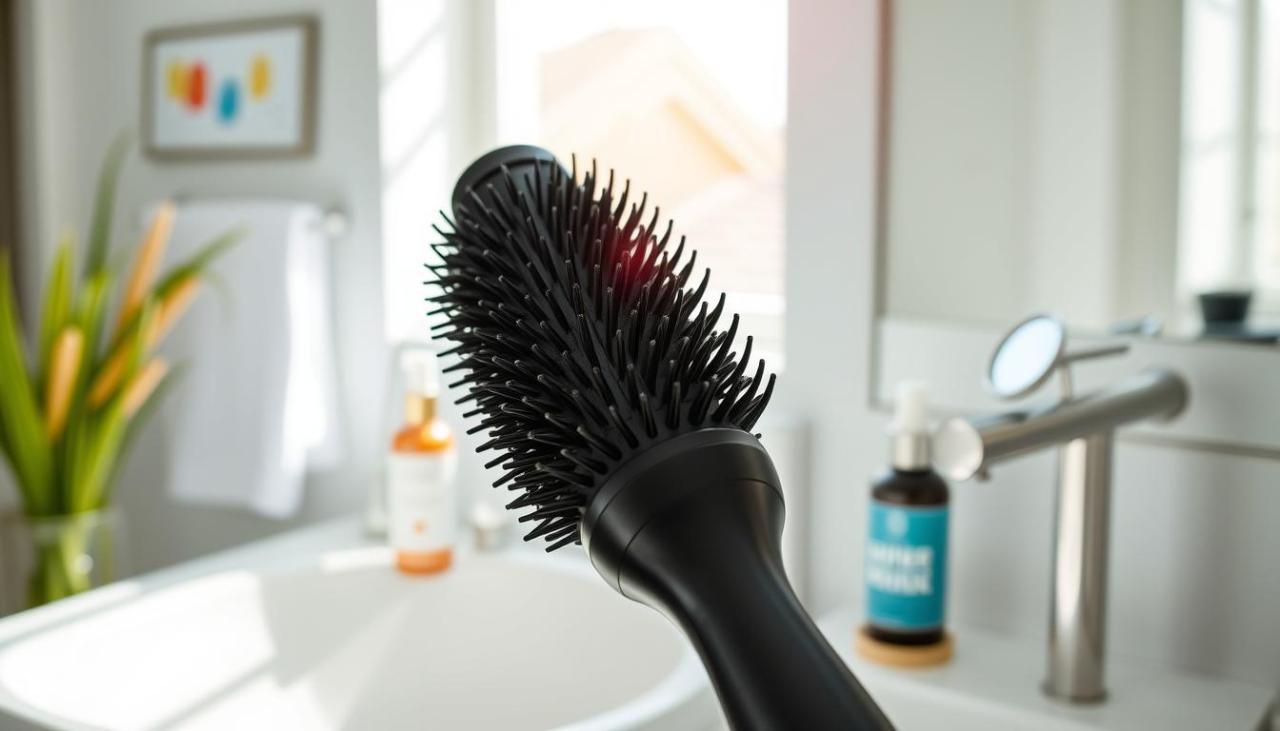
- Round Brush: Ideal for blow-drying, round brushes come in various sizes to create volume and curl. The bristles are often a mix of nylon and boar hair, providing both grip and smoothness. The Olivia Garden Ceramic + Ion Round Brush is a popular choice that helps to create sleek, bouncy styles.
- Paddle Brush: Best suited for detangling and smoothing, paddle brushes have a wide surface area that makes it easy to brush through larger sections of hair. They can help reduce static and smooth the hair cuticle. The wet brush is particularly effective in this category, as it glides through the hair without causing damage.
- Vent Brush: Designed with widely spaced teeth, vent brushes facilitate faster drying and provide volume. These brushes are excellent for styling and can enhance the natural texture of your hair while keeping it soft. Brands like Conair offer vent brushes that are both affordable and effective.
Materials and their effects on hair texture
The materials used in hair brush construction significantly impact hair health and texture. It’s essential to understand how these materials contribute to achieving silky hair.
- Natural Bristles: Brushes made from natural bristles, such as boar hair, are excellent for distributing oils evenly throughout the hair, leading to improved shine and reduced frizz.
- Nylon Bristles: Nylon bristles can effectively detangle hair and are often combined with natural bristles for a mix of benefits. They can help in managing thicker hair types and adding volume.
- Ceramic Coating: Brushes with a ceramic coating can withstand heat, making them ideal for styling tools like blow dryers. They help to reduce heat damage and promote smoothness during styling.
- Plastic Bristles: These brushes are often designed to be lightweight and can be effective for detangling. However, they may not provide the same benefits for oil distribution as natural bristles.
Popular brands and models
When looking for effective brushes for silky hair, certain brands and models stand out for their quality and results.
- Mason Pearson: Renowned for their boar bristle brushes, Mason Pearson products are a staple in salons and among professionals for their ability to enhance shine and reduce static.
- Olivia Garden: Their round brushes are designed for professional styling and are known for excellent heat resistance and durability, making them ideal for achieving silky, styled hair.
- Wet Brush: Perfect for those who deal with tangles, the Wet Brush is popular for its ability to detangle wet hair gently, preventing breakage and maintaining a smooth texture.
- Conair: This brand offers a variety of affordable brushes, including vent and paddle brushes, that are effective for everyday use and can help maintain silky hair.
Choosing the right hairbrush is as essential as selecting the right shampoo and conditioner for silky, healthy hair.
Techniques for using a hair brush to enhance silkiness
Achieving silky smooth hair requires not just the right products but also the right techniques when brushing your hair. Proper brushing can make a significant difference in your hair’s texture and overall health. Here, we delve into the best practices for using a hair brush that can help elevate your hair game, making it shinier and silkier.
To start, the way you brush your hair can impact its silkiness significantly. The key to a smoother texture lies in understanding the correct techniques, which include the method of sectioning your hair, the direction in which you brush, and the role of heat and product application during the process.
Sectioning and Direction of Brushing
Before you begin brushing, sectioning your hair is crucial for effective detangling and styling. This technique helps you manage your hair better, allowing for a more thorough and gentle brush throughout. Here’s why sectioning is important:
- Prevents Breakage: By working with smaller sections, you reduce the strain on your hair, minimizing breakage and split ends.
- Improves Control: Sectioning allows you to have better control over the brush, making it easier to focus on tangles and knots without pulling on the hair excessively.
- Enhances Distribution of Products: When you apply any smoothing serums or oils, sectioning helps you ensure an even coverage, allowing the products to work their magic effectively.
The direction in which you brush also plays a vital role. Always start brushing from the ends of your hair and work your way up to the roots. This technique helps to gently detangle your hair, reducing the risk of breakage. Additionally, brushing in a downward motion can help align the hair cuticles, which is essential for achieving that smooth, shiny finish.
“Brushing from the ends to the roots allows for a gentle detangling process, minimizing damage and enhancing the silkiness of your hair.”
Temperature and Product Use
The use of temperature and hair products can further enhance the brushing experience, contributing to the silkiness you desire. When styling with heat, it’s essential to use a heat protectant spray before you begin. Heat protectants coat the hair, shielding it from damage while providing moisture, which is vital for maintaining softness.
When brushing your hair after using heat styling tools like flat irons or curling wands, ensure that your hair is not too hot. Allow your hair to cool down slightly before brushing to prevent breakage. The heat can make your hair more pliable, but it can also cause stress if brushed too soon.
Using the right hair products also enhances the brushing experience. Lightweight serums, oils, or leave-in conditioners can be applied before brushing to provide additional slip, making it easier to glide the brush through your hair. Be sure to distribute the product evenly through your sections for maximum effectiveness.
In summary, mastering the techniques of sectioning hair, brushing direction, and understanding the roles of temperature and product use are all essential for achieving silky hair. Incorporating these practices into your hair care routine can dramatically transform texture and health, leading to hair that is not only beautiful but also resilient.
The impact of hair care products on achieving silky hair when using a brush
Achieving silky hair is not solely about the brush you use; the hair care products you apply can significantly influence your results. These products work in harmony with your brushing technique to enhance shine, reduce frizz, and create that lustrous, smooth look desired by many. Understanding which products to use and how to apply them can elevate your hair care routine to new heights.
Types of hair care products that enhance brushing for silky results
Several hair care products can effectively complement the brushing process, resulting in smoother, shinier hair. Here are five key types to consider:
- Hair Serums: These lightweight formulations often contain silicone-based ingredients that coat the hair, providing a shiny finish while protecting against heat damage during brushing.
- Leave-In Conditioners: Infused with moisturizing agents, these conditioners hydrate the hair, making it easier to detangle and brush while enhancing softness and shine.
- Hair Oils: Natural oils such as argan, coconut, and jojoba penetrate the hair shaft, delivering nourishment and improving overall hair texture and glossiness.
- Smoothing Creams: These products are designed to tame frizz and smooth out hair texture, allowing for a more seamless brushing experience and a polished look.
- Heat Protectants: When using heated styling tools, applying a heat protectant is crucial. These products create a barrier that minimizes damage, ensuring the hair remains healthy and shiny.
Applying these products correctly before and after brushing is essential for optimal results. Before brushing, apply a small amount of hair serum or leave-in conditioner to damp hair to help with detangling. For a finishing touch after brushing, a few drops of hair oil can be used to enhance shine and reduce flyaways. Smoothing cream can also be used sparingly to control frizz and add a sleek appearance.
Effectiveness of different product ingredients in promoting shine
The effectiveness of hair care products largely depends on their ingredients. Certain components are known for their shine-enhancing properties. For instance, silicones, commonly found in hair serums and smoothing creams, create a glossy finish by coating the hair cuticle.
Natural oils, such as argan and coconut, offer moisturizing benefits that significantly improve shine, as they penetrate the hair shaft and enhance its natural luster. On the other hand, proteins like keratin can strengthen the hair, which helps maintain shine by preventing damage or breakage over time.
“Using the right combination of hair care products can transform dull hair into a radiant, silky mane.”
Overall, tailoring your hair care regimen with these products, applied correctly, will result in beautifully silky hair that shines with health. Finding the perfect balance of ingredients will ensure your hair looks its best, especially when paired with the right brushing techniques.
Common mistakes to avoid when brushing hair for a silky finish
Brushing your hair correctly is essential for achieving that coveted silky finish. However, many people unknowingly make mistakes that can lead to frizz, breakage, and a lackluster appearance. Understanding these pitfalls can help you elevate your hair care routine, resulting in smoother, healthier locks.
When brushing your hair, the approach you take can significantly impact its texture and overall health. Here are several common mistakes that can hinder your quest for silky strands, along with their consequences and tips for correction.
Common brushing mistakes and their impacts
Many individuals overlook critical details in their brushing technique, leading to less-than-ideal results. The following points highlight common mistakes and how they impact hair health:
- Brushing wet hair: Wet hair is more vulnerable and prone to breakage. Brushing it while wet can lead to significant damage and frizz.
Always use a wide-tooth comb on damp hair.
- Using the wrong brush: Different hair types require different brushes. Using a brush not suited to your hair type can cause tangling and damage.
Select brushes designed for your specific hair type.
- Brushing from the roots: Starting at the roots can lead to pulling and breakage. It’s better to start from the ends and work your way up.
Begin detangling at the ends and gradually move upwards.
- Brushing too frequently: Over-brushing can lead to split ends and create more frizz. Limit brushing to a few times a day.
Avoid excessive brushing to maintain hair integrity.
- Ignoring product build-up: Product residues can cause tangles and dullness. Regularly cleansing your hair helps maintain smoothness.
Use a clarifying shampoo weekly to remove build-up.
- Using heat while brushing: Brushing your hair with a heated tool can lead to severe damage. It’s advisable to let your hair air dry or use heat protectants.
Always apply heat protectant before styling.
- Not caring for your brush: A dirty or damaged brush can transfer dirt and oils to your hair. Clean your brushes regularly to keep them effective.
Wash your brush every few weeks to remove hair and product residue.
By avoiding these common mistakes, you can maintain healthier hair and ultimately achieve that desired silky finish. Focus on understanding your hair’s unique needs, and adopt proper brushing techniques for better results.
The role of hair brushing in overall hair health and maintenance
Regular hair brushing is a fundamental aspect of hair care that often gets overlooked. It is important not just for styling but also for maintaining the overall health of your hair over time. The act of brushing helps to untangle knots, remove dead hair, and can enhance the overall appearance of your locks. When done correctly and regularly, brushing can lead to more vibrant, manageable, and healthier hair.
Brushing plays a critical role in distributing the natural oils produced by the scalp. These oils, known as sebum, provide essential moisture and protection to the hair shaft. When you brush your hair, you help to spread these oils evenly from the scalp to the ends of the hair, preventing dryness and brittleness. Additionally, brushing stimulates blood circulation in the scalp, which can promote healthy hair growth and vitality.
Brushing frequency and its impact on hair vitality
Maintaining the right frequency of brushing is crucial for enhancing hair vitality. Here are some key insights on how brushing frequency affects hair health:
– Daily brushing: For most hair types, brushing once or twice a day is ideal. This routine helps to keep hair free from tangles and evenly distributes oils. For example, those with straight hair may notice less frizz and more shine when brushed daily.
– Over-brushing: While regular brushing is beneficial, excessive brushing can lead to breakage and damage. It’s important to pay attention to hair texture; curly or coily hair types, for instance, generally require less frequent brushing to maintain their shape and prevent frizz.
– Under-brushing: Neglecting to brush can result in product buildup and tangles. For instance, individuals with thicker hair may find that brushing every other day helps maintain a clean and healthy mane, while still allowing their natural oils to nourish the hair.
– Seasonal considerations: Hair condition may vary with the seasons and brushing needs should adjust accordingly. For example, in dry winter months, hair may become more brittle, making gentle, less frequent brushing more beneficial.
Brushing not only contributes to the aesthetic appeal of hair but also enhances its overall integrity. By understanding the balance of brushing frequency, individuals can better tailor their hair care routines to promote optimal hair health.
End of Discussion
In summary, investing in the perfect hair brush and mastering effective brushing techniques can dramatically enhance your hair’s silkiness and overall health. By avoiding common mistakes and complementing your routine with the right hair care products, you can unlock the secret to glossy, vibrant locks. Remember, every stroke counts, so choose wisely and enjoy the journey to effortlessly beautiful hair.
Frequently Asked Questions
What type of brush is best for fine hair?
For fine hair, a boar bristle brush is often recommended as it gently detangles while distributing natural oils, promoting shine.
How often should I brush my hair for best results?
Brushing once or twice a day is typically sufficient to maintain healthy hair and distribute oils without causing damage.
Can I use a hair brush on wet hair?
It’s best to avoid brushing wet hair with traditional brushes, as it can lead to breakage; instead, use a wide-tooth comb designed for wet hair.
Should I brush my hair before or after applying products?
It’s generally recommended to brush your hair before applying products to avoid build-up and ensure even distribution.
What can I do to prevent static when brushing?
Using an anti-static spray or a metal comb can help reduce static, and brushing in a downward motion can also help to smooth hair.
Is it necessary to clean my hair brush?
Yes, regularly cleaning your hair brush removes dirt and product build-up, ensuring it works effectively and maintains hair health.
Can the wrong brush cause damage to my hair?
Absolutely, using a brush that’s not suitable for your hair type can lead to breakage and frizz, so choose wisely based on your hair’s needs.