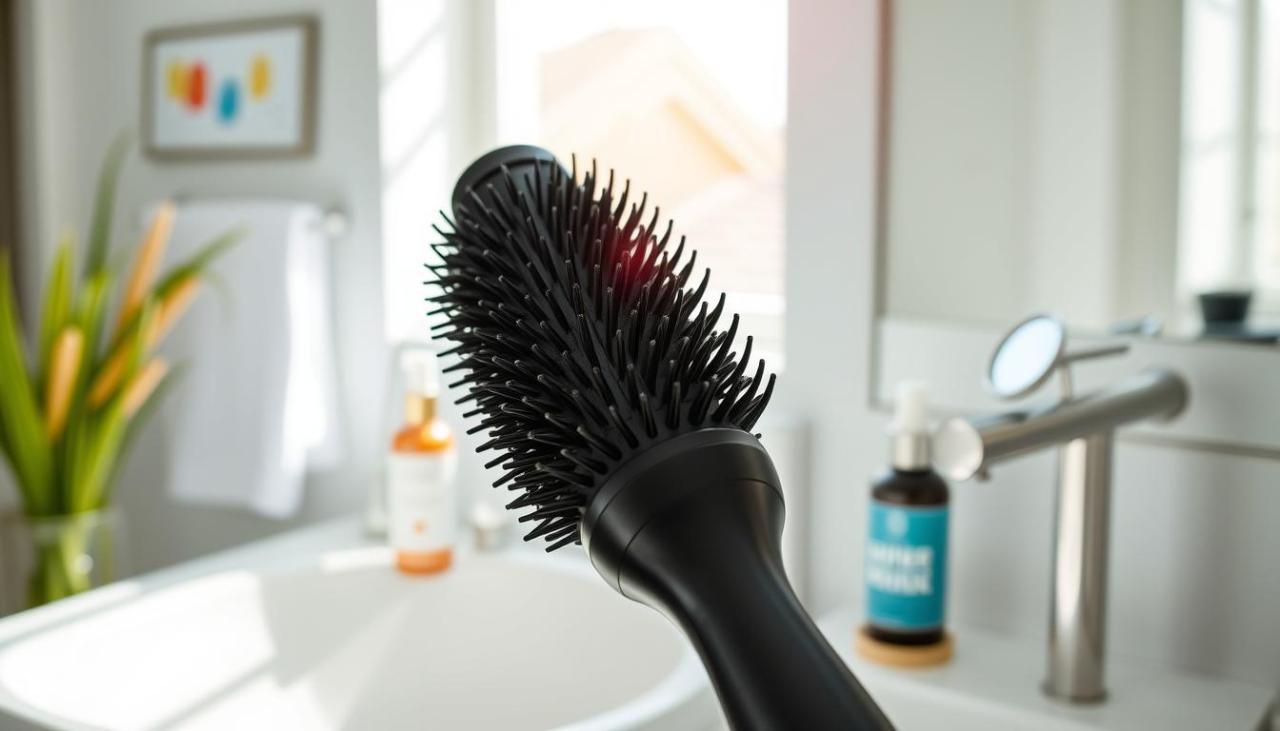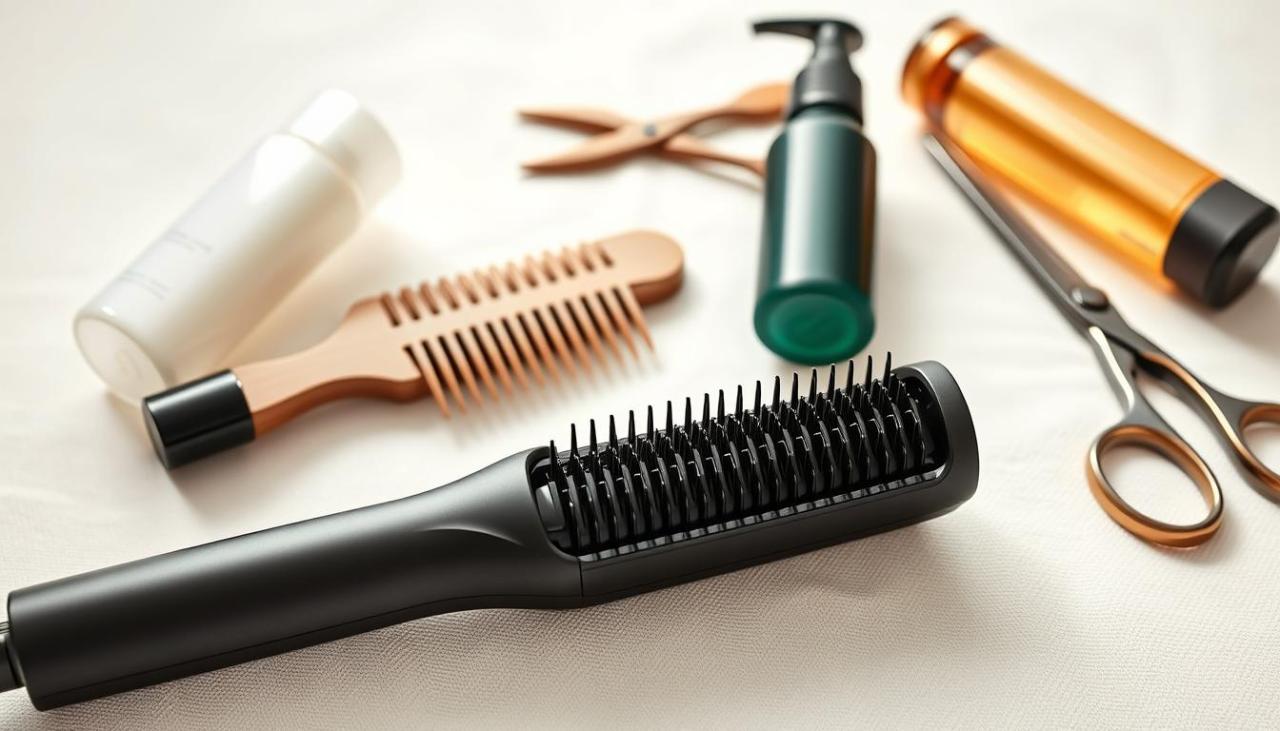
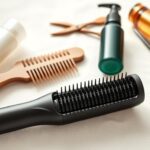
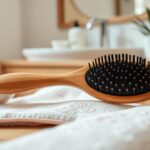
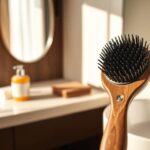
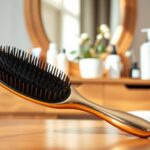
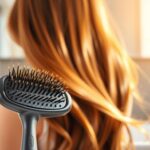
Hair Brush for Hair Maintenance is not just about keeping your hair looking good; it’s an essential part of your hair care routine that can significantly affect your hair’s health. In a world where hair trends come and go, understanding the right tools for the job is crucial. From detangling to styling, the proper hair brush can make all the difference in achieving that luscious look you desire.
This guide delves into the various types of hair brushes available, their specific functions, and how the right choice can enhance your daily maintenance routine. Whether you have straight, wavy, curly, or coily hair, there’s a brush tailored just for you. Let’s explore how to choose wisely and brush efficiently for the healthiest hair possible.
Understanding Different Types of Hair Brushes for Hair Maintenance
When it comes to maintaining the health and appearance of your hair, the right hairbrush is an essential tool in your arsenal. With a variety of brushes available on the market, understanding their unique designs and purposes is crucial for effective hair care. The right choice can make a significant difference in how you manage tangles, style your hair, and maintain its overall health.
One of the most important aspects to consider is the variety of hair brushes and the specific materials used in their construction. Brushes come in different shapes, sizes, and materials, each designed to address particular hair types and styling needs. Common materials include plastic, wood, and bristles made from natural or synthetic fibers.
Types of Hair Brushes and Their Purposes
Each brush type serves a unique function in hair maintenance, and recognizing their differences is vital for optimal results. Here’s a closer look at some of the most popular types of brushes:
- Paddle Brush: Ideal for straightening hair, paddle brushes have a wide, flat surface that allows for smooth strokes. They are great for detangling and are suitable for medium to long hair.
- Round Brush: A favorite for styling, round brushes are designed to create volume and curls. They come in various diameters, making them versatile for different styles.
- Vent Brush: Featuring open spaces between bristles, vent brushes allow for faster drying times. They are perfect for blow-drying and adding volume due to their airflow capabilities.
- Boar Bristle Brush: Made from natural bristles, this brush distributes natural oils from the scalp, which can enhance shine and smoothness. It’s particularly beneficial for fine or medium hair types.
- Wide-Tooth Comb: While not technically a brush, a wide-tooth comb is essential for detangling wet hair without causing damage. It’s especially effective for curly or textured hair.
The materials used in hair brushes significantly impact hair health. For instance, natural bristles, like those from boar hair, are gentler on the hair shaft and help to minimize breakage. In contrast, synthetic bristles may create static and are often harsher on the hair. Wooden brushes can be beneficial as they are less likely to generate static and may help distribute natural oils evenly.
Specific Functions of Hair Brushes
Understanding the distinct functions of different brushes can help in selecting the right tool for your specific needs.
- Detangling: Brushes designed for detangling often feature flexible bristles that glide through knots without pulling, ideal for all hair types.
- Styling: Round brushes are specifically designed to assist in styling, whether you’re aiming for curls, waves, or volume. The size of the barrel can influence the size of the curls.
- Smoothing: Paddle brushes excel at smoothing out hair and are perfect for finishing touches, especially in straight styles.
Investing in the right hairbrush not only aids in styling but also contributes to maintaining healthier hair over time. Each brush type has its unique strengths, and understanding these can lead to better hair care practices.
The Importance of Choosing the Right Hair Brush for Your Hair Type
Selecting the right hair brush based on your hair type is essential for maintaining healthy, beautiful hair. Each hair type has unique characteristics, and using the appropriate brush can prevent damage, reduce breakage, and enhance the natural beauty of your locks. A well-chosen hair brush not only facilitates styling but also supports the overall health of your hair, ensuring it remains vibrant and manageable.
Understanding the distinct characteristics of different hair types—straight, wavy, curly, and coily—can help you make informed decisions when it comes to choosing a brush. Each hair type requires specific bristle types and brush shapes to optimize care and styling. Using the wrong brush can lead to unnecessary stress on the hair, resulting in frizz, knots, and even hair loss over time. Below is an overview of hair types along with recommended brushes for each.
Characteristics of Hair Types and Recommended Brushes
Recognizing your hair type is the first step in selecting the right brush. The appropriate brushes can make a significant difference in maintenance and styling. Here are the characteristics of different hair types and suitable brush recommendations:
- Straight Hair: This hair type typically lies flat and is smooth. It is often sleek but can become oily quickly. A paddle brush or a wide-tooth comb is ideal for straight hair, as these tools help distribute natural oils from the scalp down the hair shaft, enhancing shine without causing damage.
- Wavy Hair: Wavy hair has a natural bend and can be prone to frizz. A round brush or a vent brush works well for wavy hair, providing volume while minimizing tangles. These brushes help define waves and curls without disrupting their natural texture.
- Curly Hair: Curls come in various sizes and require extra care to prevent frizz and maintain definition. A wide-tooth comb or a specialized curly hair brush, often featuring flexible bristles, is recommended. These tools help detangle curls gently without breaking or frizzing them up.
- Coily Hair: Coily hair is tight and often delicate, requiring the utmost care. Afro picks or detangling brushes with soft, flexible bristles are best for this hair type. These brushes gently separate coils without causing breakage or loss of curl pattern.
Many individuals have shared their experiences regarding the significance of using the right brush. For instance, a user with curly hair reported that switching to a wide-tooth comb drastically reduced her frizz and improved curl definition, making her hair more manageable. Another individual with straight hair mentioned that using a paddle brush helped distribute oils more evenly, resulting in shinier, healthier-looking hair.
“The right brush is like a magic wand for your hair; it can turn a bad hair day into a great one!” – A satisfied user
Choosing the right hair brush according to your hair type is not merely a matter of preference; it is vital for maintaining the health and appearance of your hair. The right tools can enhance your hair routine, making it efficient and enjoyable, while the wrong tools can lead to frustration and damage. Paying attention to your hair type and selecting the appropriate brush is a simple yet powerful step in achieving beautiful, healthy hair.
Techniques for Efficient Hair Brushing to Minimize Damage
Maintaining healthy hair requires more than just regular washing and conditioning; brushing is a crucial part of the equation. The right brushing techniques can significantly minimize damage, reduce breakage, and promote overall hair health. Proper hair brushing helps distribute natural oils from the scalp to the ends of the hair, enhancing shine and moisture. In this section, we will explore best practices for brushing hair effectively while avoiding damage.
Effective brushing begins with the right technique and awareness of hair type. Different hair types require specific methods to prevent damage. For example, fine hair is more prone to breakage, while thick hair may require more effort to detangle. Understanding and applying the correct brushing technique for your hair type is essential.
Brushing Techniques for Different Hair Types
When brushing your hair, consider the following steps tailored to various hair types for optimal results:
1. Straight and Fine Hair
– Use a wide-toothed comb to detangle wet hair gently, starting from the ends and working upwards.
– For dry hair, use a soft-bristle brush and brush in sections to avoid pulling.
– Always brush with light pressure to prevent breakage.
2. Wavy Hair
– Detangle with a wide-toothed comb while hair is still damp to preserve the hair’s natural wave pattern.
– Use a paddle brush to smooth hair while being careful not to pull too hard.
– Avoid brushing when dry as it can disrupt the wave pattern.
3. Curly Hair
– Use a wide-toothed comb or fingers to detangle curls when they are wet and conditioned.
– Avoid traditional brushing as it can lead to frizz and disrupt curl definition.
– If necessary, use a Denman brush while conditioning for even distribution.
4. Thick Hair
– Start with a wide-toothed comb to remove tangles before using a paddle or round brush.
– Section your hair into manageable parts and brush slowly.
– Consider using a leave-in conditioner for added slip while brushing.
To further enhance hair brushing practices, here are common mistakes people make and how to avoid them:
Brushing hair carelessly can lead to unnecessary damage. Understanding common pitfalls can help mitigate these risks.
- Brushing Dry Hair: This leads to frizz and split ends. Always brush when hair is damp or apply a detangler.
- Starting at the Roots: This can cause breakage. Begin at the ends and work your way up.
- Using the Wrong Brush: Not all brushes are suitable for every hair type. Choose brushes designed for your specific hair needs.
- Brushing Too Hard: Excessive force can damage hair. Use gentle strokes to maintain hair integrity.
Using the right technique not only prevents damage but promotes healthier, shinier hair.
The Role of Hair Brushes in Daily Hair Care Routines
Maintaining healthy hair is an essential aspect of personal grooming, and hair brushes play a crucial role in this daily routine. Brushing not only contributes to the aesthetics of your hairstyle but also promotes overall hair health. From detangling knots to distributing natural oils, the right brush and technique can make a significant difference in the maintenance and appearance of your hair.
Incorporating brushing into your daily hair care routine is more than a beauty ritual; it’s a vital practice that influences the strength and shine of your hair. Regular brushing helps to remove dirt and product buildup, which can weigh down your strands and lead to dullness. Beyond cleanliness, brushing stimulates the scalp, encouraging blood circulation that fosters hair growth. It also helps to distribute sebum, the natural oil produced by your scalp, evenly along the hair shaft, which can enhance texture and shine.
Recommended Brushing Frequency for Different Hair Types
Understanding the appropriate brushing frequency for your specific hair type is critical to maintaining healthy locks. Each hair type has unique characteristics that require tailored care.
- Straight Hair: For straight hair, brushing once or twice a day is typically sufficient. This helps to maintain the sleekness and shine while preventing tangling.
- Wavy Hair: Wavy hair benefits from a gentle brushing routine. It’s ideal to brush wavy hair about 2-3 times a week to avoid disrupting the natural wave pattern while still removing tangles.
- Curl Hair: Curly hair is usually the most delicate and prone to breakage. Using a wide-tooth comb or a specialized curl brush, it’s best to detangle curly hair only when wet, and limiting brushing to once every couple of days helps retain the curl definition.
- Coily Hair: For coily hair, it is crucial to minimize manipulation. Brushing should be avoided on dry hair; instead, coily hair can be detangled during washing with a moisturizing conditioner, once a week or bi-weekly.
The difference between regularly brushing and neglecting this step can significantly impact hair health and style. Regular brushing encourages moisture retention, reduces frizz, and enhances overall hair appearance. In contrast, skipping this essential routine may lead to tangled, dry, and brittle hair.
“Brushing is not merely a cosmetic action; it’s a vital practice that influences the strength and shine of your hair.”
When you brush your hair regularly, you’re not just ensuring it looks good; you’re also promoting scalp health and preventing issues such as dandruff or buildup. On the flip side, forgoing brushing can result in an accumulation of knots and tangles, making it difficult to style and ultimately leading to more breakage when you do attempt to detangle.
In conclusion, the role of hair brushes in daily hair care routines cannot be overstated. From the frequency of use to the methods appropriate for different hair types, understanding the importance of brushing can lead to healthier, more manageable hair.
Cleaning and Maintaining Your Hair Brushes for Optimal Performance
Maintaining clean hair brushes is essential for ensuring they perform effectively and last longer. Regular cleaning prevents product buildup, dirt, and oils from transferring back to your hair, which can lead to dullness and other issues. It’s a simple yet crucial aspect of hair care that many often overlook. Here, we will explore the best practices for cleaning and maintaining your hair brushes, including a recommended cleaning schedule and necessary supplies.
Best Practices for Cleaning Hair Brushes
To keep hair brushes in optimal condition, regular cleaning is a must. The process can vary slightly depending on the type of brush but generally follows these steps:
1. Remove Hair: Begin by pulling out any hair strands caught in the bristles. This can be done using your fingers or a comb. For brushes with more intricate designs, a pair of tweezers can help eliminate stubborn strands.
2. Soak the Brush: Fill a bowl with warm water and add a few drops of gentle shampoo or dish soap. Place the brush bristle-side down in the solution for about 10-15 minutes. This soak will help dissolve dirt and product buildup.
3. Scrub the Bristles: After soaking, use an old toothbrush or brush cleaning tool to gently scrub the bristles. Focus on the base where dirt often accumulates. Rinse the brush under warm water to wash away any soap residue.
4. Dry the Brushes: Shake off excess water and lay the brushes flat on a towel. Avoid standing them upright, as this can damage the bristles.
5. Disinfect: To further enhance cleanliness, occasionally spray the bristles with a mixture of water and rubbing alcohol. Allow the brush to air dry completely.
Cleaning Schedule for Different Types of Brushes
The frequency of cleaning your brushes can vary based on their use and type. Below is a suggested cleaning schedule:
- Boar Bristle Brushes: Clean every 1-2 weeks to maintain oil distribution and avoid buildup.
- Plastic or Nylon Brushes: Clean every 2-4 weeks since they tend to gather less buildup.
- Round Brushes: Clean weekly, especially if you use heat styling products frequently.
- Wet Brushes: These should be cleaned after every use to prevent mold and bacteria growth.
Essential Supplies for Maintaining Hair Brushes
Having the right supplies makes the cleaning process easier and more effective. Below is a list of items you will need:
- Gentle shampoo or dish soap
- Warm water
- Old toothbrush or cleaning tool
- Tweezers (for removing hair)
- Towel (for drying)
- Rubbing alcohol (for disinfecting)
Incorporating these practices into your hair care routine will not only help maintain the performance of your brushes but also keep your hair looking its best. Regular maintenance contributes to the longevity of your tools, ensuring you get the most out of your hair care regimen.
Common Myths About Hair Brushes and Hair Maintenance
Many people have misconceptions about hair brushes and their role in hair maintenance, leading to practices that may not be beneficial for hair health. Understanding these myths is crucial in promoting effective hair care routines, ultimately enhancing hair quality and appearance. This discussion aims to clarify these misunderstandings by contrasting popular beliefs with scientifically supported facts.
Debunking Myths Surrounding Hair Brushes
There are several common myths regarding hair brushes that can lead to ineffective or damaging hair care practices. It’s important to consider these myths alongside factual information to promote better hair maintenance strategies.
One prevalent myth is that brushing hair 100 times a day will make it healthier and shinier. In reality, excessive brushing can cause breakage and split ends. The truth is that while brushing helps distribute natural oils from the scalp, moderation is key. Experts recommend brushing hair gently a few times a day to detangle and style rather than to achieve health benefits.
Another widespread belief is that all brushes are created equal and that any type can be used on any hair type. This is false; different hair types—straight, wavy, curly, or coily—require different brushes for optimal maintenance. For example, a wide-toothed comb is ideal for detangling wavy or curly hair, whereas a paddle brush works well for straight hair. Choosing the right brush can prevent damage and promote healthy hair.
Additionally, there’s a myth that wet hair should never be brushed. While it is true that wet hair is more susceptible to breakage, using the right tool can mitigate this risk. A wide-tooth comb or a specially designed wet brush can detangle hair safely when it is damp, helping to maintain its integrity.
The right brush can make all the difference in maintaining healthy hair.
Real-life case studies have highlighted the impact of these myths. For instance, a study published in the Journal of Cosmetic Dermatology found that participants who followed a tailored brushing routine based on their hair type reported fewer tangles and less breakage compared to those who adhered to traditional myths. This emphasizes the importance of understanding the unique needs of one’s hair.
In summary, debunking the myths surrounding hair brushes is essential for fostering effective hair maintenance practices. By using appropriate tools and moderating brushing habits, individuals can significantly improve the health and appearance of their hair.
Innovations in Hair Brush Technology and Their Benefits
The hair care industry has witnessed rapid advancements, particularly in hair brush technology. These innovations aim to enhance the effectiveness of hair maintenance routines, making them more efficient and user-friendly. As consumers become increasingly aware of the health of their hair, the demand for brushes that cater to specific hair types and styles has led to the development of cutting-edge features that elevate the traditional hair brushing experience.
One of the most notable advancements is the incorporation of revolutionary materials and design elements that improve heat conductivity. Brushes designed with materials such as ionic-infused bristles or ceramic-coated surfaces are becoming popular due to their ability to distribute heat evenly. This feature minimizes damage during styling while maximizing results. For instance, a hairbrush equipped with ceramic technology can help in reducing friction and static, leading to smoother and shinier hair after each use.
Ergonomic Designs and User-Centric Features
Innovative hair brushes are also focusing on ergonomic designs that prioritize user comfort. The right shape and weight can significantly affect how users interact with their brushes, especially during prolonged use. Many brands are now investing in research to create brushes that fit comfortably in the hand, reducing strain on the wrist and fingers. Some brushes have contoured handles and strategically placed grips, which allow for better control and ease of movement.
In addition to ergonomic concerns, certain brushes now feature built-in technologies that enhance user experience. For example, some models come equipped with LED indicators that guide users on optimal temperature settings for different hair types. This ensures that the brush is used effectively, minimizing heat exposure and potential damage.
The enhancement of bristle technology is another area where innovation shines. Bristles with varying stiffness and spacing can cater to different hair textures and styling needs. For instance, flexible bristles can detangle without pulling on the hair, creating less breakage and resulting in healthier hair over time. Reviews highlight that users appreciate brushes with mixed bristle patterns as they provide a balance between detangling and smoothing.
Furthermore, the integration of smart technology in hair brushes is also gaining traction. Some brushes now come with app connectivity, allowing users to track their styling habits and receive personalized tips based on their hair type and condition. This modern approach to hair care has garnered positive feedback, as users feel empowered to make informed decisions about their hair maintenance.
“The right brush makes all the difference; I’ve noticed a significant improvement in my hair’s health since switching to a ceramic ionic brush.”
Overall, the latest innovations in hair brush technology reflect a shift towards personalized hair care solutions. As consumers increasingly seek products that not only style but nurture their hair, these advancements are setting new standards in hair maintenance. The combination of ergonomic designs, advanced materials, and smart technology is making hair care routines more effective and enjoyable, leading to better results and happier users.
The Environmental Impact of Hair Brushes and Sustainable Alternatives
The hair care industry, while often centered on beauty and personal grooming, contributes significantly to environmental challenges. Traditional hair brushes, made from synthetic materials like plastic, not only have a relatively short lifespan but also lead to considerable waste. The production process for these brushes often involves harmful chemicals and non-renewable resources, further exacerbating their environmental footprint. Additionally, the packaging used for hair brushes often consists of plastic that is not recyclable, leading to increased landfill waste.
Sustainable alternatives to traditional hair brushes are growing in popularity, providing consumers with eco-friendly options and helping to mitigate some of these environmental concerns. Many brands are now producing hair brushes made from natural materials such as bamboo, wood, and biodegradable plastics. These materials are not only renewable but also result in less waste throughout their lifecycle. Bamboo brushes, for example, are a popular choice because bamboo grows rapidly and absorbs more carbon dioxide than trees, making it a more sustainable resource. Wooden brushes, often made from sustainably sourced wood, are durable and offer a natural aesthetic.
Comparison of Sustainable Hair Brush Alternatives
When comparing sustainable hair brush alternatives to traditional brushes, it’s essential to understand the benefits and drawbacks of each option available on the market today. This comparison allows consumers to make informed choices based on their values and environmental impact considerations.
- Bamboo Brushes: These brushes are lightweight, strong, and naturally anti-bacterial. They decompose easily, reducing landfill contributions. Some models feature nylon bristles that are biodegradable.
- Wooden Brushes: Typically made from sustainably sourced hardwood, these brushes are durable and often come with natural bristles. They offer good grip and can help reduce frizz while being eco-friendly.
- Recycled Plastic Brushes: Some brands are producing brushes made from 100% recycled plastics, which help keep plastic out of landfills while providing a functional product.
- Vegan Brushes: These brushes use synthetic bristles that are free from animal products. While not always biodegradable, many brands focus on recycling programs and sustainable materials.
Consumers can significantly reduce their ecological footprint when selecting hair brushes by opting for products made from natural or recycled materials. Researching brands that prioritize sustainability and transparency in their sourcing and manufacturing processes is vital. Additionally, supporting companies that implement take-back programs for their products can help manage waste and foster a circular economy within the beauty industry. Overall, every small choice contributes to a more sustainable future.
Epilogue
In summary, choosing the right hair brush is vital for maintaining the integrity and appearance of your hair. By understanding the various types of brushes available and their specific uses, you can minimize damage and promote a healthier mane. Remember, the right tools, combined with proper techniques and maintenance, can elevate your hair care routine to new heights. Invest in your hair today, and enjoy the benefits of beautiful, healthy locks tomorrow.
Essential FAQs
What type of brush is best for curly hair?
A wide-tooth comb or a detangling brush is best for curly hair to minimize frizz and breakage.
How often should I clean my hair brush?
You should clean your hair brush at least once a month to remove hair product buildup and dirt.
Can using the wrong brush damage my hair?
Yes, using the wrong brush can lead to split ends, breakage, and overall damage to your hair.
What materials are best for hair brushes?
Natural bristles are generally gentler on hair, while plastic bristles can be effective for detangling but may cause static.
Is it necessary to brush my hair daily?
It depends on your hair type; while daily brushing can benefit some, others may find less frequent brushing works better to avoid damage.