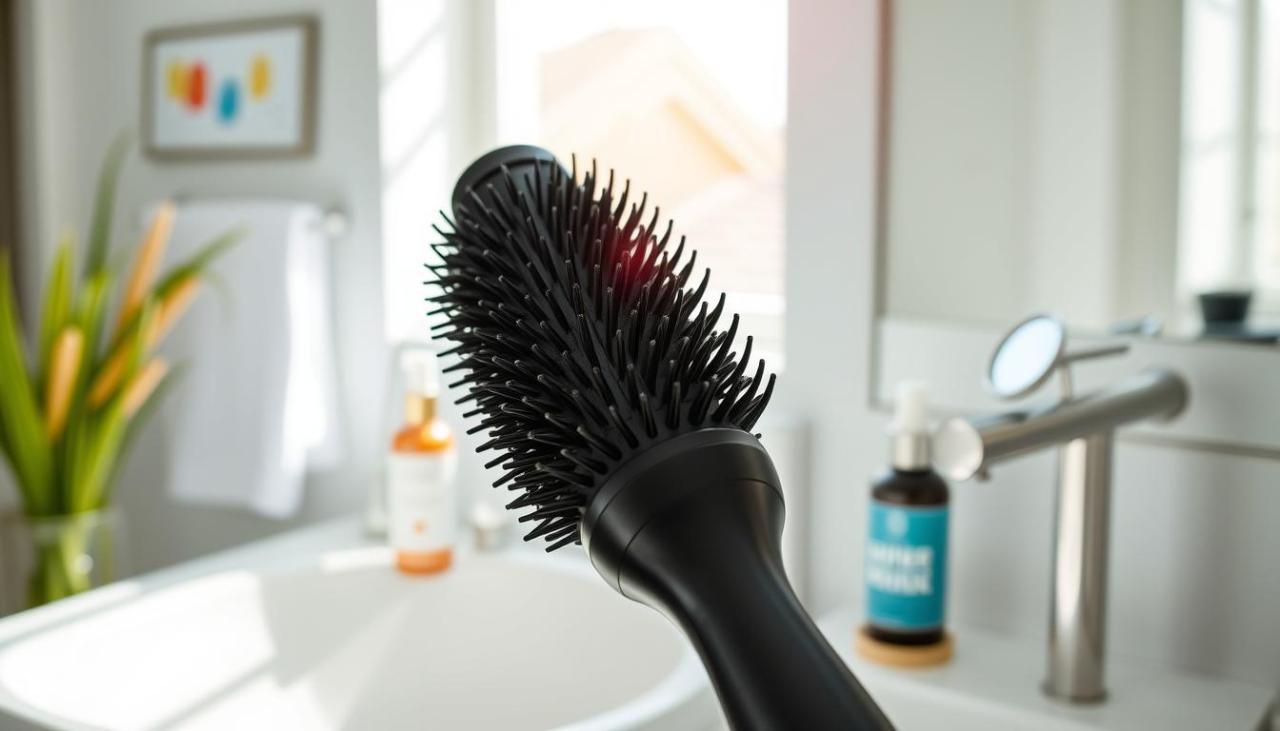
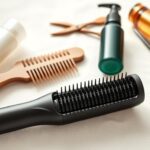
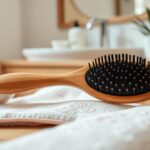
Hair Brush for Smooth Hair is the ultimate guide for anyone seeking a sleek and polished look. Choosing the right hair brush is essential, as it plays a significant role in your hair care routine. The right brush can drastically improve your hair’s texture, reduce frizz, and cater to the specific needs of different hair types.
From paddle brushes to round brushes, each type serves a unique purpose in achieving that desired smoothness. Understanding these options and applying the correct brushing techniques can make a world of difference in how your hair looks and feels.
The importance of choosing the right hair brush for achieving smooth hair
Selecting the right hair brush is a crucial step in any hair care routine, especially for those looking to achieve smooth, manageable hair. A well-chosen brush not only enhances the overall styling process but also contributes significantly to hair health. The right tools can make a world of difference in reducing damage, frizz, and maintaining the natural beauty of hair.
Hair brushes serve multiple purposes in hair care routines, from detangling to styling. The choice of brush can impact hair texture and frizz levels, making it essential to understand how different brushes interact with various hair types. For instance, a brush designed for fine hair will differ significantly from one meant for thick, curly hair.
Brush Types and Their Impact on Hair Texture
Understanding the different types of hair brushes and their specific functionalities can greatly improve hair texture and reduce unwanted frizz. Each brush type is tailored to address the unique characteristics of different hair types:
- Boar Bristle Brushes: Ideal for fine to medium hair, boar bristle brushes help distribute natural oils from the scalp, promoting shine and reducing frizz. They gently smooth the hair cuticle, making them perfect for achieving a sleek look.
- Round Brushes: Best for styling and adding volume, round brushes are excellent for creating curls or waves while blow-drying. They come in various sizes to cater to different hair lengths and styles, enhancing smoothness while providing body.
- Paddle Brushes: Suitable for medium to thick hair, paddle brushes are great for detangling and smoothing out hair quickly. Their wide surface area allows for efficient combing, which is beneficial for long, straight hair.
- Wet Brushes: Specifically designed for wet hair, these brushes feature flexible bristles that minimize breakage during detangling. They are essential for maintaining hair health, especially in individuals prone to damage.
- Vented Brushes: These brushes are perfect for fast drying as they allow air to circulate, reducing frizz and maintaining a smooth finish. They are ideal for use with blow dryers for a quick styling session.
Choosing the right brush also involves understanding the specific needs of your hair type. Fine hair may require gentle bristles to avoid breakage, while thick hair benefits from sturdier brushes that can easily glide through tangles. By selecting the appropriate brush, individuals can significantly improve their hair’s texture, enhance manageability, and reduce the likelihood of frizz, leading to healthier, smoother hair over time.
“The right hair brush is a game changer in your hair care routine; it promotes shine, reduces frizz, and enhances the overall health of your hair.”
Different types of hair brushes and their specific benefits for smooth hair
Choosing the right hair brush is essential for achieving smooth, sleek hair. With a variety of brush types available, each serves distinct purposes and can enhance your hair styling routine. Understanding these types will not only help you select the perfect brush for your hair type but also elevate your hair care game.
Various types of hair brushes cater to different styles and hair lengths. Below is an overview of the most popular brushes and their unique benefits, making it easier to choose the right tool for your hair needs.
Paddle Brushes
Paddle brushes are ideal for detangling and smoothing hair, especially for those with long, straight, or wavy hair. Their wide, flat design allows for quick styling and frizz reduction.
- Example: The Olivia Garden Paddle Brush features ergonomic comfort with a vented design that helps distribute heat evenly when blow-drying, making it perfect for achieving a polished finish.
- Example: The Wet Brush Original is designed specifically for wet hair, using flexible bristles that glide through tangles without pulling or breaking strands.
Round Brushes
Round brushes are perfect for adding volume and creating curls or waves. They come in various sizes, making them versatile for different hair lengths and styles.
- Example: The Spornette Italian Round Brush comes with a ceramic barrel that heats up during blow-drying, allowing for better curl retention and a smoother finish.
- Example: The Conair Ion Shine Round Brush is designed to reduce frizz and boost shine, making it an excellent choice for thick or coarse hair types.
Vented Brushes
Vented brushes are designed with openings that allow air to flow through while blow-drying, reducing drying time and adding volume to the hair.
- Example: The Cricket Static Free Vented Brush is lightweight and features anti-static bristles, which helps to minimize flyaways and create a smooth look.
- Example: The Tangle Teezer Large Detangler Brush, while not a traditional vented brush, provides a unique design that helps to detangle hair quickly and efficiently, ideal for all hair types.
Each type of brush offers distinct benefits that cater to various hair types and styling preferences. Selecting the right hair brush can truly make a difference in achieving smooth, healthy-looking hair.
Techniques for using hair brushes to achieve a sleek finish
Achieving that silky, smooth hair finish often requires more than just the right brush; it demands technique and the right preparation. By mastering specific brushing techniques, you can elevate your hair game, ensuring that each stroke not only detangles but also adds shine and smoothness to your locks. Below, we Artikel effective brushing methods that will help you achieve that desired sleek look.
Step-by-step methods for brushing hair effectively
To brush hair effectively and achieve a sleek finish, following a systematic approach is key. Here are essential steps to consider:
- Start with Clean, Dry Hair: Ensure your hair is clean and completely dry before brushing. This prevents breakage and allows for smoother styling.
- Apply Heat Protectant: Before you begin, apply a heat protectant product to safeguard your hair from heat damage. This is crucial if you plan to use any heated styling tools later on.
- Section Your Hair: Divide your hair into manageable sections. This allows for thorough brushing and ensures no strands are missed.
- Begin at the Ends: Start brushing from the ends of your hair, gradually working your way up to the roots. This minimizes tugging and reduces breakage.
- Use Long, Smooth Strokes: When brushing, use long, smooth strokes rather than short, jerky movements. This helps to distribute natural oils throughout your hair.
- Finish with a Shine Spray: Once done brushing, consider applying a light mist of shine spray to enhance the sleekness and add a polished finish.
Tips on sectioning hair for optimal brushing results
Proper sectioning of your hair is essential for achieving optimal brushing results. Here are some effective tips for sectioning:
Sectioning your hair allows for a more thorough brush, leading to a smoother finish.
- Use Clips: Employ hair clips or ties to hold each section in place. This prevents your hair from tangling while you work on each part.
- Work in Quadrants: Divide your hair into four quadrants. This helps you focus on one area at a time and ensures that each section receives equal attention.
- Adjust Section Size: Depending on your hair type and thickness, adjust the size of each section. Thicker hair may require smaller sections to achieve a smooth finish.
- Brush Each Section Thoroughly: Take your time with each section, brushing from the bottom to the top until it’s tangle-free before moving to the next area.
Importance of using heat protectant products while brushing
Using a heat protectant product is vital when brushing, especially if heat styling tools are involved. Here’s why it matters:
Heat protectants form a protective barrier between your hair and heat, reducing the risk of damage and maintaining hair health.
When you brush your hair with heat, the application of a heat protectant can:
- Prevent Damage: It helps shield your hair from the harmful effects of high temperatures that can lead to dryness and breakage.
- Enhance Smoothness: Many heat protectants contain conditioning agents that help to smooth the hair cuticle, resulting in a sleeker appearance.
- Increase Shine: Applying these products often leads to a shinier finish by sealing moisture and promoting hair health.
The impact of hair brushing frequency on hair health and smoothness
Maintaining smooth, healthy hair is not solely dependent on the products you use but also on how and how often you brush your hair. The frequency of hair brushing plays a crucial role in determining its overall health and smoothness, impacting everything from shine to manageability. In this section, we’ll explore the ideal brushing frequency, the potential consequences of varying brushing habits, and techniques to promote healthy brushing.
Brushing your hair too often or too infrequently can lead to significant changes in its condition. It is generally recommended to brush your hair once or twice a day, depending on your hair type and length. Daily brushing helps remove tangles, distribute natural oils from the scalp, and enhance shine. However, the key is to be gentle; aggressive brushing can lead to breakage. For those with fine or damaged hair, less frequent brushing may be advisable, as this can prevent further damage and allow the hair to recover.
Effects of Over-Brushing and Under-Brushing
Understanding the balance between brushing too much and not enough is essential for maintaining hair health. Here’s a breakdown of the consequences associated with each practice:
Over-Brushing:
– Increased Breakage: Frequent brushing can cause hair strands to weaken and break, especially if done with rough strokes.
– Scalp Irritation: Excessive brushing can lead to scalp irritation or damage, which may affect hair growth.
– Oil Imbalance: Over-brushing may strip the hair of natural oils, leading to dryness and dullness.
Under-Brushing:
– Tangles and Knots: Not brushing enough can result in tangles and knots, making hair more prone to breakage during styling.
– Accumulation of Dirt: Infrequent brushing can lead to a build-up of dirt and product, which may weigh down the hair and make it look lifeless.
– Poor Oil Distribution: Insufficient brushing prevents natural oils from being evenly distributed along the hair shaft, leading to a lack of shine.
To brush your hair effectively while maintaining its health, consider the following techniques:
– Use a Wide-Tooth Comb: For detangling, especially on wet hair, a wide-tooth comb minimizes breakage and is less harsh on the strands.
– Start from the Ends: Begin brushing at the tips and work your way up to the roots. This method helps to gently release knots without putting too much stress on the hair.
– Choose the Right Brush: Different brushes serve different purposes. A boar bristle brush can help distribute oils, while a paddle brush is great for smoothness.
– Incorporate Conditioning Treatments: Using conditioning sprays or oils before brushing can ease the process and protect hair from damage.
Implementing these techniques along with proper brushing frequency can lead to healthier, smoother hair. By being mindful of how often you brush and adopting gentle practices, you can enjoy the benefits of beautifully maintained hair without the drawbacks of over-brushing or under-brushing.
The role of hair products in conjunction with brushes for optimal smoothness
Achieving smooth hair is not solely dependent on the brush you choose, but also on the hair products you use. The right combination of hair products can significantly enhance the brushing experience, making it easier to detangle, style, and maintain your hair’s health. By understanding how to layer these products effectively, you can maximize their benefits and achieve that lustrous, smooth finish you desire.
Incorporating serums, oils, and conditioners into your hair care routine plays a pivotal role in enhancing smoothness and manageability. These products work together to provide essential nourishment, moisture, and protection, which allow for smoother brushing and styling. Not only do they reduce friction during the brushing process, but they also help to seal in moisture and create a protective barrier against environmental stressors.
The importance of serums, oils, and conditioners for smooth hair
When it comes to achieving smooth hair, various hair products can be your best allies. Each product has distinct properties that contribute to the overall smoothness and health of your hair. Here’s a breakdown of some commonly used products:
- Serums: Hair serums often contain silicone, which coats the hair strands, providing a glossy finish and reducing frizz. They also help in protecting hair from heat damage caused by styling tools.
- Oils: Natural oils such as argan, coconut, and jojoba oil penetrate the hair shaft, providing deep hydration and nourishment. They can also help to manage frizz and add shine.
- Conditioners: A good conditioner restores moisture to the hair and helps to detangle it. Leave-in conditioners can offer additional benefits by providing ongoing moisture and protection throughout the day.
Incorporating these products not only enhances the brushing experience but also promotes overall hair health.
Effective layering of products before brushing
Layering products correctly is essential to ensure that each product works effectively without weighing down your hair. Here’s a guide to layering your hair products for the best results:
1. Start with a Clean Slate: Always begin with freshly washed hair to allow the products to penetrate effectively.
2. Apply Conditioner: Use a good conditioner in the shower and rinse it out thoroughly. For extra moisture, you can use a leave-in conditioner after towel drying your hair.
3. Use Hair Oil: Dispense a small amount of hair oil into your palms, rub them together, and apply it evenly to the mid-lengths and ends of your hair. This helps to seal in moisture and adds shine.
4. Finish with Serum: After applying oil, use a serum for added protection and shine, focusing on areas that are prone to frizz or damage.
5. Brush Gently: Once these products are layered, use your hair brush to gently detangle your hair, starting from the ends and working your way up to the roots. This method minimizes breakage and ensures your hair remains smooth.
Layering products effectively not only enhances their performance but also transforms your hair brushing routine into a smoother, more enjoyable experience.
Common hair brushing mistakes to avoid for smoother results
Brushing your hair may seem like a simple task, but many people make common mistakes that can lead to frizz, breakage, and damage. Understanding these errors is crucial for maintaining healthy, smooth hair. In this segment, we will identify frequent brushing mistakes and offer solutions to help you enhance your hair care routine.
Frequent hair brushing mistakes
Brushing your hair is more than just a daily routine; it requires attention to technique and tools. Here are some common mistakes made during hair brushing that can hinder your quest for smooth hair:
- Brushing wet hair aggressively: Hair is most fragile when wet, and aggressive brushing can lead to breakage. Instead, use a wide-tooth comb to gently detangle starting from the ends and working upwards.
- Using the wrong type of brush: Different brushes serve different purposes. For example, using a brush with harsh bristles on fine hair can cause damage. Opt for a brush designed for your hair type, like a boar bristle brush for fine hair or a paddle brush for thick hair.
- Not sectioning hair: Trying to brush all your hair at once can lead to missed tangles and increased breakage. Section your hair into manageable parts to ensure thorough detangling.
- Brushing too frequently: Over-brushing can lead to frizz and disrupt the natural oils of your hair. Stick to brushing only when necessary and after applying products that can aid in smoothness.
- Brushing from the roots: Starting at the roots can cause unnecessary stress on your hair, leading to hair loss. Always begin brushing from the tips, gradually working your way up.
Consequences of using the wrong tools or techniques
Using the wrong brush or improper techniques can result in a multitude of consequences for your hair. Here are some key points to consider:
-
Increased breakage and split ends
: Aggressive brushing or using inappropriate bristles can weaken hair strands and lead to irreversible damage.
- Frizz and static: The wrong brush can cause friction, leading to frizz and an unmanageable style.
- Disruption of scalp health: Over-brushing or using rough brushes can irritate the scalp, leading to discomfort and potential hair loss.
Solutions for correcting brushing mistakes
To achieve smoother results, it’s essential to correct common brushing mistakes. Here are some solutions that can help improve your brushing technique:
- Invest in quality brushes: Choose brushes made from natural materials or specifically designed for your hair type to minimize damage.
- Utilize detangling sprays: Before brushing, apply a detangling spray to reduce friction and ease the brushing process.
- Practice gentle techniques: Always brush slowly and gently, focusing on one section at a time to prevent tugging and pulling.
- Brush less frequently: Give your hair a break by reducing the number of times you brush daily, allowing its natural oils to maintain moisture.
How to maintain and clean hair brushes for longevity and effectiveness
Maintaining and cleaning hair brushes is essential for ensuring their longevity and effectiveness. Regular care not only keeps brushes in good condition but also helps maintain healthy hair. Different types of brushes require specific cleaning methods, and understanding how to store them properly can significantly extend their lifespan. Here’s a comprehensive guide to keeping your hair brushes in optimal shape.
Cleaning process for different types of hair brushes
The cleaning process varies depending on the type of hair brush you have. Here are some effective methods for different brushes:
- Plastic and Nylon Brushes: To clean these brushes, start by removing hair strands stuck in the bristles using a comb or your fingers. Once cleared, soak the brush in warm, soapy water for about 10-15 minutes. Gently scrub the bristles with a toothbrush to remove product buildup. Rinse thoroughly and let it air dry.
- Natural Bristle Brushes: These brushes require more care. Begin by removing hair strands. Create a mild soap solution with water, and dip a cloth into it. Wipe down the bristles gently, avoiding soaking the entire brush. Rinse the bristles lightly and let the brush dry upside down to prevent moisture from seeping into the wooden base.
- Boar Bristle Brushes: Similar to natural bristle brushes, gently remove hair and use a soft cloth dipped in a soap solution to clean the bristles. Avoid submerging the brush in water. After cleaning, let it dry naturally, ideally in a vertical position.
- Round Brushes: Remove hair strands, then wash the bristles with warm, soapy water using a cloth. Be cautious not to wet the metal base too much, as it may lead to rust. Rinse lightly and air dry.
Storage tips for hair brushes
Proper storage is crucial to maintaining the shape and function of your hair brushes. Here are some tips to ensure they remain in top condition:
- Store brushes in a dry place, away from humidity, which can damage the bristles and cause them to break down.
- Keep brushes in a holder or drawer where they can stand upright. This prevents bristles from getting bent or damaged.
- If possible, place a protective cover over the bristles to keep dust and dirt from accumulating.
- Avoid stacking brushes on top of each other, as this can lead to deformation of the bristles and handle.
Signs indicating it’s time to replace a hair brush
Recognizing when to replace a hair brush is essential for effective hair care. Here are some indicators that it may be time for a new brush:
- The bristles are bent or broken, which can lead to hair damage and ineffective styling.
- The brush has lost its grip or texture, making it uncomfortable to use or less effective in managing hair.
- Visible signs of wear on the handle or base, such as cracks or discoloration, which could indicate deterioration.
- If the brush has persistent odors or residues that cleaning cannot remove, replacing it is advisable for hygiene reasons.
- For brushes used frequently with styling products, replacing them every 6-12 months can help maintain optimal hair health.
Regular maintenance and timely replacement of hair brushes are key to keeping your hair looking its best.
Personal experiences and testimonials regarding hair brushes and smooth hair
Many individuals have shared their journeys toward achieving smooth, beautiful hair through the use of specific hair brushes. Their experiences span various methods, products, and techniques, reflecting a wide range of opinions and results. From those who have struggled with frizz to those who have found their ultimate solution, these testimonials illuminate the profound impact that the right brush can have on hair health and styling.
When it comes to hair brushes, there are countless options on the market, each claiming to deliver smooth results. Personal experiences highlight that the effectiveness of these brushes often varies based on hair type, texture, and individual styling habits. Many users have transformed their hair by discovering brushes that not only detangle but also promote shine and manageability. A key factor in their success has been the selection of brushes designed specifically for their hair needs.
Anecdotes of Transformation Through Specific Brushes
Several individuals have reported significant changes in their hair texture and overall appearance after incorporating certain brushes into their routine. For instance, a user with thick, wavy hair shared how switching to a boar bristle brush helped distribute natural oils throughout their hair, resulting in smoother strands and less frizz. They noted, “It feels like my hair has found its happy place; the brush glides through effortlessly, and I don’t dread styling anymore.”
Similarly, a person with fine hair recounted their experience with a round brush designed for blow-drying. They explained, “Using this brush allowed me to create volume and smoothness simultaneously, which was a game changer for my styling regime. I finally achieved that salon-finish at home!” These stories illustrate the crucial role that selecting the right brush plays in the quest for sleek hair.
Overall, users have shared their thoughts on popular brushes and their effectiveness in achieving smooth hair. While some swear by the traditional paddle brush for its simplicity and ease of use, others argue that vented brushes are superior for faster drying times and enhanced volume. One user mentioned, “I tried the vented brush and was surprised at how much quicker I could style my hair! It’s now a staple in my routine.”
These testimonials showcase the diversity of opinions and experiences surrounding hair brushes. Each story serves as a reminder that finding the right tools can lead to transformative results, making the journey to smooth hair more enjoyable and achievable.
Final Wrap-Up
In summary, selecting the right hair brush and using it effectively can transform your hair from frizzy to fabulous. By avoiding common mistakes and incorporating the right products, you can maintain smooth hair that turns heads. Remember, the journey to perfect hair is just a brush away.
FAQ Insights
What type of hair brush is best for frizzy hair?
A boar bristle brush is highly effective for taming frizz and promoting shine.
How often should I clean my hair brush?
It’s best to clean your hair brush every few weeks to maintain its effectiveness.
Can I use a hair brush on wet hair?
It’s generally advised to use a wide-tooth comb on wet hair to prevent breakage; however, some brushes are designed specifically for this purpose.
What’s the difference between a paddle brush and a round brush?
A paddle brush is ideal for straightening and smoothing hair, while a round brush is perfect for creating volume and curls.
How do I know when to replace my hair brush?
Replace your brush if the bristles are damaged or if you notice that it’s not performing as well as it used to.