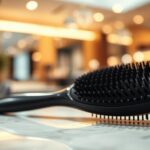
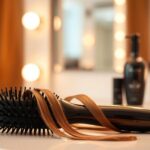
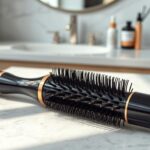
Salon Hair Brush is essential to achieving the perfect hairstyle and maintaining healthy hair. Whether you’re a professional stylist or someone who enjoys at-home grooming, understanding the different types of brushes available and their specific functions is crucial. Each brush serves a unique purpose, from detangling to styling, and can significantly impact the overall health and appearance of your hair.
This guide will explore the various styles of salon hair brushes, delve into the importance of bristle types, and provide tips on proper maintenance. We’ll also look at innovative features that enhance performance and examine how brush choices can influence styling techniques. By the end, you’ll have a solid understanding of how to select and care for your salon hair brushes.
Exploring the Different Types of Salon Hair Brushes Available in the Market
In the world of hair styling, the right brush can make all the difference. Salon hair brushes come in various types, each designed for specific purposes and hair types. Understanding these differences is crucial for achieving the desired hairstyle while caring for hair’s health. Below, we explore five unique types of salon hair brushes, their materials, and the advantages and disadvantages of each type in styling and hair care.
Types of Salon Hair Brushes
Salon hair brushes can be categorized based on their design and intended use. Each type serves a unique purpose, impacting how hair is styled and maintained.
- Round Brush
Round brushes are essential for creating volume and curls. They come in various sizes, allowing for different levels of curl tightness. Typically made from nylon or boar bristles, these brushes can help distribute natural oils while styling.
Advantage: They provide excellent heat retention, making them ideal for blow-drying.
Disadvantage: Users may find them challenging to maneuver, especially for beginners, leading to potential hair damage if mishandled.
- Paddle Brush
Paddle brushes have a wide, flat surface, making them perfect for detangling and smoothing long hair. They are often made from plastic or wood and can feature mixed bristle types for better performance.
Advantage: They can quickly remove knots and leave hair sleek and straight.
Disadvantage: They may not provide enough tension for curls or styles that require volume.
- Vent Brush
Vent brushes are designed with spaced-out bristles and an open back to allow air to flow through, speeding up the drying process. Commonly made from lightweight plastic, they are ideal for quick styling.
Advantage: They are perfect for blow-drying and adding lift at the roots.
Disadvantage: The lack of a solid base can lead to ineffective smoothing for certain hairstyles.
- Teasing Brush
Teasing brushes feature fine bristles designed for backcombing. These brushes can help create volume at the roots, especially for styles requiring extra height. They are typically made of nylon or other synthetic materials.
Advantage: They are excellent for achieving dramatic volume and texture.
Disadvantage: Frequent use can lead to hair damage and breakage if not done gently.
- Boar Bristle Brush
Boar bristle brushes are renowned for their ability to distribute natural oils from the scalp to the hair shafts, promoting shiny and healthy hair. They are made from the bristles of boar, making them more expensive than synthetic options.
Advantage: They enhance shine and are gentle on hair, suitable for multiple hair types.
Disadvantage: They may not perform as effectively on thick or curly hair, as they can struggle to penetrate dense textures.
Understanding the Importance of Brush Bristle Types for Hair Health
Choosing the right hairbrush is crucial for maintaining healthy hair. One of the most important factors to consider is the type of bristles used in the hairbrush. Bristle types can significantly affect how hair is styled and maintained, influencing everything from shine to breakage. Understanding these differences can lead to better hair care practices.
The bristles of hairbrushes come in two primary types: natural and synthetic. Natural bristles, typically made from materials like boar hair, are known for their ability to distribute the scalp’s natural oils through the hair. This distribution promotes shine, reduces frizz, and maintains moisture by preventing over-drying. People with fine or straight hair often find that natural bristles work best, as they provide gentle brushing without tugging or pulling. On the other hand, synthetic bristles, often made from nylon or plastic, are designed to withstand heat and are ideal for styling. They can create volume and bounce and are particularly effective for thick or curly hair types that require more robust brushing. The stiff nature of synthetic bristles helps detangle hair and can assist in achieving a sleek and polished finish.
Bristle Types Suitable for Specific Hair Types and Textures
Understanding which bristle type is best for your hair can improve your styling routine and contribute to overall hair health. Here’s a breakdown of bristle types and their suitability based on different hair types:
- Natural Bristles: Best for fine and straight hair, as they gently glide through the strands without causing damage. They enhance shine and help maintain moisture levels.
- Boar Bristles: Excellent for all hair types, especially those seeking to improve shine and reduce frizz. They are particularly effective for medium to coarse hair, distributing oils evenly.
- Synthetic Bristles: More suitable for thick, curly, or coily hair types. They offer the strength needed for detangling and can withstand higher temperatures, making them ideal for heat styling.
- Mixed Bristles: A combination of natural and synthetic bristles can be versatile for various hair textures. This type provides the benefits of smoothness and sturdiness in one brush.
Using the appropriate bristle type not only enhances styling results but also promotes hair health by minimizing damage during brushing. For example, using a boar bristle brush on thick hair helps to prevent breakage while providing nourishment from the scalp. In contrast, opting for synthetic bristles for curling hair allows for greater styling flexibility.
“Choosing the right brush bristle can make all the difference in achieving healthy, vibrant hair.”
Techniques for Properly Cleaning and Maintaining Salon Hair Brushes
Regular cleaning and maintenance of salon hair brushes are essential for ensuring optimal performance and longevity. Brushes accumulate hair, product residue, and dirt, which can impair their effectiveness and lead to damage over time. By following a systematic approach to cleaning and maintaining these tools, salon professionals can provide better services while protecting their investments.
Cleaning hair brushes effectively requires different approaches depending on the type of brush being used. A consistent cleaning routine is essential, as it prevents the buildup of products and oils that can affect the hair. The following steps Artikel how to clean various types of hair brushes effectively:
Step-by-Step Cleaning Process for Hair Brushes
When cleaning hair brushes, it is important to consider the materials and types. Here’s a guide to effectively cleaning different kinds of brushes:
1. Remove Hair: Start by removing the hair strands from the brush. Use a comb or your fingers to pull out any tangles or trapped hair. For brushes with bristles, a comb can help dislodge hair without damaging the bristles.
2. Prepare Cleaning Solution: In a bowl, mix warm water with a few drops of mild shampoo or dish soap. Ensure the solution is gentle enough to avoid damaging the brush’s materials.
3. Soak the Brushes: Dip the brush into the solution and let it soak for 5-10 minutes. This helps loosen any buildup of products or dirt. Avoid soaking brushes with wooden handles, as they may warp or swell.
4. Scrub the Bristles: After soaking, use an old toothbrush or a soft-bristled brush to scrub the bristles gently. Pay close attention to the base of the bristles, where product build-up is often most concentrated.
5. Rinse Thoroughly: Rinse the brush under running water to remove all soap and residue. Ensure that no soap is left behind as it can attract more dirt.
6. Dry Properly: Shake off excess water and lay the brush flat on a towel to dry. Avoid standing brushes upright as this can cause water to seep into the base and damage the adhesive or wood.
Regular maintenance of salon brushes is vital as it prolongs their lifespan and ensures they remain effective. Here are the key reasons why maintenance is crucial:
– Enhances Performance: Clean brushes help distribute products evenly and glide smoothly through hair, improving styling results.
– Prevents Damage: Regular cleaning prevents buildup that can cause bristles to break or become misshapen, ensuring the brush retains its structural integrity.
– Reduces Contamination: Brushes that are well-maintained minimize the transfer of oils, dirt, and bacteria, leading to healthier hair for clients.
– Saves Money: Investing time in maintenance cuts down on the need for frequent replacements, providing significant cost savings in the long run.
To maintain brushes, store them properly to avoid damage and contamination. Here are some essential tips for storing brushes effectively:
– Keep Brushes Clean and Dry: Always store brushes after they have been cleaned and are completely dry to prevent mold and mildew growth.
– Use a Brush Holder: Invest in a brush holder or organizer to keep brushes upright and separated. This prevents bristle deformation and reduces contamination risk.
– Avoid Heat Sources: Store brushes away from heat sources, which can warp bristles or damage the handles, particularly for plastic brushes.
– Designate a Specific Area: Have a dedicated space for each brush type to maintain organization and ensure that they are easy to access when needed.
By following these techniques for cleaning and maintaining salon hair brushes, professionals can ensure their tools remain in top condition, ultimately leading to better client satisfaction and improved service quality.
Innovative Features in Modern Salon Hair Brushes That Enhance Performance
Modern salon hair brushes have undergone significant transformations thanks to advancements in technology and design. These innovative features not only improve the functionality of hair brushes but also enhance the overall styling experience. From materials to added features, today’s brushes cater to a wide range of styling needs, making them essential tools in every stylist’s arsenal.
The evolution of hair brush technology has led to various enhancements that make styling more efficient and effective. Traditional brushes often relied solely on their bristle configuration and material, but modern options are now incorporating heated elements and ionic technology that elevate their performance. For instance, heated brushes can help to quickly style hair while simultaneously reducing frizz and enhancing shine. This is achieved by emitting controlled heat, which allows for better styling results while minimizing heat damage. On the other hand, ion-infused bristles emit negative ions that counteract static electricity, resulting in smoother, shinier hair. These innovations are not merely gimmicks; they represent a shift towards more hair-friendly styling solutions.
Comparison of Traditional and Modern Hair Brushes
The differences between traditional and modern hair brushes are stark, particularly in how they address hair health and styling efficiency. Understanding these disparities is essential for both stylists and consumers.
– Traditional Brushes: Typically made of wood or plastic with nylon or boar bristles, these brushes focus on detangling and styling without additional features. While effective for basic needs, they may not provide the best results in terms of reducing frizz or maintaining hair health.
– Modern Brushes with Heated Elements: These brushes offer the added benefit of heat, allowing stylists to style hair quickly. For example, heated brushes can reach temperatures that make it easier to create curls or waves while sealing the hair cuticles to lock in moisture.
– Ionic Technology: Brushes equipped with ion-infused bristles help neutralize positive charges found in dry hair, which often leads to frizz. This technology promotes smoother hairstyles, making it easier for users to achieve a polished look.
– Ergonomic Designs: Many modern brushes are designed with user comfort in mind, featuring handles that reduce strain during prolonged use. This aspect is particularly important in salon settings where stylists work for hours at a time.
In summary, the innovations found in modern salon hair brushes not only enhance performance but also contribute to healthier hair styling practices. As technology continues to advance, the potential for even more sophisticated tools that cater to various hair types and styling preferences will likely emerge, further enhancing the art of hair care.
The Role of Salon Hair Brushes in Various Hair Styling Techniques
Salon hair brushes play a pivotal role in achieving a variety of hairstyles, from sleek straight looks to bouncy curls. Different brushes are designed to cater to specific styling techniques, making it essential to choose the right tool for the job. Understanding the unique features of each brush can elevate your hair styling game, allowing you to achieve salon-quality results right at home.
When it comes to utilizing brushes for styling techniques, it’s important to recognize how the shape, bristle type, and materials influence the final result. For instance, a round brush is a must for blowouts, while a paddle brush is perfect for straightening. Each brush serves a specific purpose, ensuring that the hair is styled effectively without causing damage. Below are popular styling methods accompanied by the recommended brush types for each:
Styling Methods and Recommended Brush Types
Selecting the right brush can drastically change the outcome of your styling efforts. Here’s a closer look at various hairstyling methods along with the brushes that work best for each:
- Blowouts: A round brush is ideal for blowouts, as its shape allows for volume and curl. Look for a ceramic or tourmaline round brush, which helps distribute heat evenly and reduces frizz.
- Curling: To create defined curls, a vented round brush is excellent. This type of brush allows hot air to flow through, setting the curls as you style. Pair it with a hairdryer to achieve beautiful, bouncy curls.
- Straightening: For sleek, straight hair, a paddle brush is recommended. The wide, flat surface allows for quick smoothing, while the bristles help tame any flyaways.
- Textured Styles: For adding waves or texture, a teasing brush works wonders. Its fine bristles create volume at the roots, making it a go-to for achieving that effortlessly tousled look.
To achieve professional results at home, the key lies in using the right brushes with proper technique. Start by preparing your hair with a quality heat protectant to prevent damage. When using a round brush for blowouts, section your hair into manageable parts, ensuring each section is dry before you begin styling. Wrap the hair around the brush, and use a blow dryer to set the style, rotating the brush for added volume.
For curling, ensure your hair is slightly damp, as this helps form defined curls. Use the vented brush to curl sections of hair away from your face, holding each curl in place for a few seconds for lasting results. When straightening, glide the paddle brush through small sections of hair, following closely with a flat iron for a polished finish.
Finally, for texture, flip your head upside down and use a teasing brush to gently lift the roots. This technique adds instant volume and fullness to any hairstyle. By understanding the role of each brush and applying the right techniques, you can effortlessly achieve salon-fresh looks from the comfort of your home.
Assessing the Cost-Effectiveness of Investing in High-Quality Salon Hair Brushes
Investing in high-quality salon hair brushes can significantly impact both professional and personal grooming experiences. While the initial cost may seem high, the long-term benefits can outweigh the differences in price, especially when performance and durability are considered. Understanding the cost-effectiveness of these investments allows consumers to make informed decisions that enhance their hair care routines.
The price range for salon hair brushes varies widely, with low-end brushes often costing as little as $5, while high-end options can exceed $100 or more. The differences in price are not merely for brand names but are often reflective of material quality, craftsmanship, and overall performance. High-quality brushes are typically made from premium materials such as boar bristles or advanced synthetic fibers that offer better heat resistance, detangling abilities, and scalp care. In contrast, lower-priced brushes may use cheap plastic or inferior materials that can lead to breakage and ineffective styling.
Long-Term Benefits of Investing in Quality Brushes
Investing in high-quality hair brushes provides numerous long-term benefits that extend beyond the initial purchase price. These benefits include durability, performance, and overall hair health, all of which contribute to a more satisfying grooming experience.
Quality brushes are designed to last longer, reducing the need for frequent replacements. For instance, a premium brush can easily last several years with proper care, whereas a cheaper brush may need to be replaced every few months. This longevity can result in substantial savings over time, making high-quality brushes a more cost-effective option.
Additionally, high-end brushes provide superior performance, enabling smoother styling, better detangling, and reduced damage to hair. This is particularly crucial for professional salons, where the quality of tools can directly affect client satisfaction and service outcomes. In personal use, investing in a quality brush can lead to improved hair health, as these brushes minimize breakage and distribute natural oils more effectively.
When evaluating brush quality before making a purchase, consider the following factors:
– Material: Look for brushes made from natural materials like boar bristles or high-quality synthetic fibers. Natural materials typically offer better heat resistance and gentler styling.
– Construction: A well-constructed brush will have a sturdy handle and seamless bristle attachment, indicating durability and reliability.
– Bristle Type: Different hair types require different bristle types. For example, fine hair benefits from softer bristles, while thicker hair may need stiffer ones for effective detangling.
– Size and Shape: The size and design of the brush should match your hair length and styling needs. A round brush may be ideal for volume and curls, while a paddle brush can be better for straightening.
– Brand Reputation: Research brands known for producing high-quality hair tools. User reviews and professional recommendations can provide insight into the performance and longevity of brushes.
Evaluating these factors ensures that you make a wise investment in a hair brush that will enhance your styling routine and contribute to healthier hair in the long run.
Cultural Perspectives on Hair Care and the Use of Brushes in Different Societies
Hair care is an intricate part of cultural identity, interwoven with beliefs, traditions, and practices that vary widely across the globe. Different societies have developed their own rituals surrounding hair care, often reflecting their values and norms. Brushes, in particular, play a crucial role in these cultural practices, serving not just functional purposes but also symbolic ones. The tools used for hair grooming can tell stories about the traditions and histories of particular communities.
In many cultures, the act of hair care transcends mere aesthetics, embodying deeper social and spiritual significance. For instance, in various Indigenous cultures, hair is considered a sacred part of one’s identity. Hair brushing rituals are often communal activities that foster bonding and convey teachings from one generation to another. In contrast, modern urban societies might focus more on the functional aspect of hair care, emphasizing efficiency and style over the cultural significance attached to these practices.
Hair Care Rituals and Instruments Around the World
Different regions of the world have unique hair care rituals that utilize specific instruments, including brushes that symbolize various cultural identities. Understanding these practices can provide insight into how societies value hair and grooming.
- Japanese Culture: In Japan, the use of a “tachi,” a traditional comb, is common in hair care practices. Combings often take place during family gatherings, emphasizing the importance of familial bonds. The act of brushing one’s hair is believed to promote good fortune.
- Native American Traditions: For many Native American tribes, hair holds significant spiritual meaning. Hair brushing rituals are performed to demonstrate respect for one’s lineage, with specific brushes often made from natural materials, symbolizing a connection to the earth.
- African Practices: In many African cultures, hairstyles are closely linked to social status and identity. Women often use specialized combs and brushes to create intricate styles that convey messages about their community, marital status, and personal heritage.
- Western Beauty Standards: In Western societies, hair care has evolved into a multi-billion-dollar industry, with an array of brushes designed for different hair types. The focus is often on achieving specific styles that align with contemporary trends, reflecting the culture’s dynamic nature.
The significance of hair and styling in cultural identity cannot be overstated. Hair often serves as a canvas for expressing individuality, societal roles, and community ties. As noted in various studies, “Hair is not just hair; it’s an expression of identity, culture, and personal history.” The way individuals groom and style their hair can reflect their cultural heritage, values, and even rebellion against societal norms. Through hair care practices, people celebrate their uniqueness while also connecting with their roots and traditions, making it a powerful element of cultural identity.
Personalizing Your Salon Hair Brush Choices Based on Individual Hair Needs
Choosing the right hair brush is essential for achieving your desired hairstyle while maintaining hair health. With various factors influencing the selection process, it’s important to consider your unique hair type, length, and specific styling goals. A personalized approach ensures that you have the tools necessary to enhance your hair’s natural beauty and achieve the best results.
When selecting a hair brush, the primary factors to consider include hair type (straight, wavy, curly, or coily), hair length (short, medium, or long), and styling goals (detangling, smoothing, or volumizing). For instance, if you have thick, curly hair, a wide-toothed comb or a paddle brush with flexible bristles would be ideal for detangling without causing breakage. Conversely, someone with fine, straight hair might prefer a round brush to create volume while blow-drying.
Personal preferences also play a significant role in brush selection. Some individuals may have a habit of using their brushes for specific techniques, such as backcombing or creating curls, which dictates the type of brush they prefer. For example, those who often style their hair in loose waves might opt for a larger barrel brush, while individuals who prefer sleek, straight looks may choose a flat paddle brush for a smooth finish.
Tailoring Your Brush Collection for Different Styling Occasions
Building a versatile brush collection tailored to various styling occasions is essential for any hair enthusiast. By understanding the purpose of each brush and how it aligns with your styling needs, you can maximize the effectiveness and efficiency of your hair routine. Here are some key brushes to consider for different occasions:
- Everyday Use: A good-quality paddle brush is ideal for daily detangling and smoothing. It works well for various hair types and lengths, making it a staple in any hair care collection.
- Styling for Special Events: A round brush is perfect for creating volume and curls for events such as weddings or parties. It allows for versatile styling options and can be used with a blow dryer for added lift.
- Quick Touch-Ups: A vent brush is useful for quick styling or touch-ups on the go. Its design allows for faster drying and helps to add volume without damaging the hair.
- Detangling: A wide-toothed comb is essential for wet hair, especially for those with curly or textured hair, as it minimizes breakage and frizz.
- Heat Styling: A ceramic or tourmaline brush is ideal for heat styling, as it helps distribute heat evenly and reduces damage while enhancing shine.
Having a well-rounded brush collection not only enhances your styling capabilities but also allows you to address your hair’s needs effectively. Understanding how different brushes serve varied purposes can lead to healthier hair over time.
“The right brush can significantly influence the health and appearance of your hair, making it essential to choose wisely based on your unique hair characteristics and styling preferences.”
Summary
In conclusion, selecting the right Salon Hair Brush can make a world of difference in your hair styling and care routine. With knowledge about the various types, bristle materials, and maintenance techniques, you can ensure that your brushes last longer and perform better. Embracing these insights will not only elevate your styling game but also promote healthier hair.
FAQ Insights
What type of brush is best for fine hair?
A soft-bristle brush is ideal for fine hair, as it minimizes breakage and damage.
How often should I clean my salon hair brushes?
It’s recommended to clean your brushes every few weeks to remove product buildup and prevent bacteria growth.
Can I use a salon hair brush on wet hair?
Some brushes are designed for wet hair, but it’s best to use a wide-tooth comb or a specific wet brush to avoid breakage.
What is the difference between natural and synthetic bristles?
Natural bristles are gentler and better for distributing oils, while synthetic bristles are often more durable and easier to clean.
Are expensive hair brushes worth the investment?
Yes, higher-quality brushes often last longer, perform better, and can drastically improve your styling results.