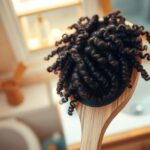
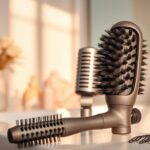
Hair styling tools have become essential companions in our quest for the perfect hairstyle. From sleek straighteners to versatile curling irons, these gadgets not only help us express our individuality but also shape our daily routines. In a world where first impressions matter, understanding the variety of hair styling tools available can unlock endless possibilities for personal expression.
This guide dives deep into the world of hair styling tools, exploring their types, key features, maintenance tips, and the latest technological advancements. Whether you’re a styling novice or a seasoned pro, it’s crucial to know what to look for in a tool to achieve salon-worthy results at home.
Understanding the Different Types of Hair Styling Tools Available in the Market
Hair styling tools are essential for achieving a variety of looks, from sleek and straight to voluminous curls. With numerous options available, it’s crucial to know what’s on the market and how each tool functions to best suit your hair type and desired style. The most common hair styling tools include curling irons, straighteners, and blow dryers, each designed with specific purposes and technologies.
The variety of hair styling tools can be categorized based on their use and design. Curling irons come in different barrel sizes, which affect the size of the curl produced. For instance, a smaller barrel creates tighter curls, while a larger one results in loose waves. Straighteners, or flat irons, utilize heated plates to flatten and smoothen hair, often featuring different plate materials like ceramic, titanium, or tourmaline that can impact hair health, ensuring even heat distribution and minimizing damage. Blow dryers, essential for drying hair quickly and styling, utilize heat and airflow, with varying technologies like ionic and ceramic for reduced frizz and improved shine.
When considering the materials used in hair styling tools, it’s important to note that the right choice can significantly affect hair health. For example, ceramic tools distribute heat evenly and help reduce hot spots that can cause hair damage. Titanium tools heat up quickly and are often preferred by professionals for their durability, though they can be harsher on hair if not used properly. Tourmaline, a semi-precious stone, releases negative ions when heated, which can help reduce static and frizz, making it a popular choice for many users.
Popular brands in the market, such as Dyson, GHD, and BaByliss, offer a range of highly-rated models. The Dyson Supersonic Hair Dryer is known for its intelligent heat control and lightweight design, while the GHD Platinum+ Styler stands out for its predictive technology that adjusts the temperature according to hair thickness. BaByliss offers versatile curling irons like the BaBylissPRO Nano Titanium, which is well-received for its ability to create long-lasting curls without excessive heat damage. Understanding these tools and their materials can aid in making informed decisions for healthier hair styling.
Essential Features to Consider When Choosing a Hair Styling Tool
Choosing the right hair styling tool can significantly impact the quality of your styling experience and the health of your hair. With so many options available, understanding the essential features can help you make an informed decision. Here are some key factors to consider when selecting a styling tool that best suits your needs.
Key Features to Evaluate
When shopping for a hair styling tool, it’s crucial to evaluate its features, as they can influence the effectiveness and safety of the styling process. Consider the following aspects:
- Heat Settings: Look for tools with adjustable heat settings. Higher temperatures work well for thick or coarse hair, whereas lower temperatures are more suitable for fine or damaged hair. This flexibility helps in preventing heat damage while ensuring effective styling.
- Plate Size: The size of the plates can affect styling efficiency. Wider plates are ideal for long, thick hair, allowing for quicker styling, while narrower plates are easier to maneuver for shorter styles and bangs. Selecting the right size can enhance the ease of use.
- Material: The material of the plates plays a vital role in heat distribution and hair treatment. Ceramic plates provide even heat and are gentler on hair, while titanium plates heat up quickly and maintain high temperatures, making them excellent for professional use.
- Safety Features: Features such as automatic shut-off and heat-resistant handles add an important layer of safety. These features prevent accidents, especially if you tend to forget to turn off your styling tools after use.
- Ergonomic Design: An ergonomic design ensures comfort during styling sessions. Tools that are lightweight and easy to grip help reduce wrist strain, making styling less tiring, especially during longer sessions.
Comparing tools with these features can help you see how they benefit different hair types. For instance, a styling tool with multiple heat settings is particularly beneficial for users with varying hair textures or for those who frequently switch styles. By understanding these essential features, you can select a hair styling tool that not only meets your styling needs but also prioritizes hair health and ease of use.
The Importance of Proper Maintenance for Hair Styling Tools
Maintaining hair styling tools is essential for ensuring they function optimally and provide excellent results. Proper care not only extends the lifespan of these tools but also ensures safety and efficiency during use. Regular maintenance practices can prevent damage and save costs in the long run.
Routine maintenance practices are key to extending the lifespan of hair styling tools. Regular cleaning, proper storage, and timely servicing are essential for keeping tools in optimal condition. For instance, heat styling tools like curling irons and hair straighteners should be cleaned after every use to prevent product buildup, which can affect performance. Additionally, using the right storage solutions, such as heat-resistant mats and protective cases, can prevent physical damage.
Cleaning and Maintaining Various Types of Styling Tools
Maintaining hair styling tools involves specific cleaning techniques that vary according to the type of tool. Here’s a step-by-step guide on how to clean common types of hair styling tools without causing damage:
1. Curling Irons and Straighteners:
– Unplug the tool and allow it to cool completely.
– Use a damp microfiber cloth to wipe the exterior.
– For stubborn residue, create a paste with baking soda and water; gently rub it on the plates with a soft cloth.
– Rinse the cloth and wipe off any remaining paste, ensuring no residue is left behind.
2. Hair Dryers:
– Unplug the dryer and remove the filter as per the manufacturer’s instructions.
– Use a soft brush to remove lint and hair trapped in the filter.
– Wipe the exterior with a damp cloth; ensure no moisture enters the motor.
– Let the filter dry completely before reattaching.
3. Hair Brushes and Combs:
– Remove hair strands from the brush or comb.
– Soak the bristles in a solution of warm water and a few drops of shampoo for about 10 minutes.
– Rinse thoroughly with warm water and let them air dry.
Recognizing when a hair styling tool needs replacement or professional servicing is crucial for safety and performance. Indications include:
– Unusual Sounds: If the tool makes strange noises during use, it may signify a mechanical issue.
– Excessive Heating: Tools that overheat can be hazardous and might need immediate servicing.
– Visible Damage: Cracks, frayed cords, or burnt areas on the tool indicate it’s time for a replacement.
– Inconsistent Performance: If the tool fails to deliver consistent results, such as uneven heating, it may not be worth servicing.
Proper maintenance ensures not only longevity but also safe and effective use of hair styling tools, ultimately enhancing your hairstyling experience.
Tips and Techniques for Achieving Professional Results at Home with Hair Styling Tools
Achieving salon-quality hair at home is not just a dream; with the right techniques and tools, it can be your reality. Utilizing high-quality hair styling tools effectively can elevate your look while saving you time and money. Here, we explore essential tips and techniques that will ensure your hair looks professionally styled without stepping out of your home.
Using heat styling tools like flat irons, curling wands, and blow dryers can create stunning looks, but it’s crucial to master their usage for effective results. One key aspect is to always work with clean, dry hair, as styling on damp hair can lead to damage and uneven results. Sectioning your hair is another vital technique; this allows for thorough styling and ensures each strand gets the attention it deserves. Start with small sections, especially when curling or straightening, to achieve a more defined look. Another effective method is to adjust the temperature based on your hair type; finer hair requires lower heat settings, while thicker hair can handle higher temperatures.
Significance of Using Heat Protectants and Other Products
Using heat protectants and styling products is essential for maintaining hair health while achieving desired styles. Heat protectants create a barrier between your hair and the high temperatures of styling tools, which helps reduce damage and keep your hair looking shiny and healthy. When applied correctly, they can prevent dryness, breakage, and excessive frizz, ensuring your styles last longer.
It’s important to choose the right kind of product based on your hair type. For instance, those with fine hair may opt for lightweight sprays, while individuals with thicker, coarser hair could benefit from creams or oils that provide added moisture. Additionally, incorporating a good leave-in conditioner or serum can further enhance the overall appearance of your hairstyle, adding shine and reducing flyaways.
Common Styling Mistakes and How to Avoid Them
Understanding common hair styling mistakes can significantly improve your at-home styling game. Being aware of these pitfalls allows you to avoid them and achieve more polished results. Below is a list of mistakes and tips for effective styling:
- Using Too Much Product: Over-applying products can weigh hair down and lead to greasiness. Use a dime-sized amount and increase gradually if needed.
- Styling Wet Hair: Styling on wet or damp hair can lead to frizz and less defined curls. Always ensure hair is completely dry before using heat tools.
- Skipping Heat Protectant: Not using a heat protectant can result in significant damage over time. Always apply before heat styling.
- Overheating Tools: Using tools at excessively high temperatures can cause burns and split ends. Adjust heat settings according to your hair type.
- Neglecting Regular Maintenance: Failing to get regular trims can lead to split ends and dullness. Regularly schedule trims every six to eight weeks for healthy hair.
- Inconsistent Techniques: Inconsistency in styling techniques can lead to uneven results. Practice and develop a routine that works best for your hair.
By following these tips and avoiding common mistakes, you can transform your hair styling experience at home into a professional-looking endeavor. Embrace these techniques, and enjoy the process of creating beautiful hairstyles that reflect your personal style.
The Role of Technology in Modern Hair Styling Tools
Technological advancements have revolutionized the hair styling industry, making it more efficient, user-friendly, and effective. Modern hair styling tools have embraced innovation, incorporating features that address the diverse needs of consumers. These technological enhancements not only increase the ease of achieving desired hairstyles but also promote hair health and safety during styling.
The transformation of hair styling tools is driven by various technological advancements, including the integration of digital controls, sensors, and innovative materials. One of the most significant changes is the introduction of smart styling tools. These tools often feature temperature control settings that adjust automatically based on hair type, ensuring optimal styling without causing damage. Additionally, many smart tools come equipped with Bluetooth connectivity, allowing users to sync their devices with mobile apps that offer personalized styling tips and tutorials.
Features and Benefits of Smart Styling Tools
The features of smart styling tools significantly enhance user experience, making them a preferred choice over traditional tools. Here are some key features and their benefits:
- Temperature Control: Smart styling tools often come with intelligent heat settings that adjust according to hair texture. This prevents overheating and minimizes damage, resulting in healthier hair.
- Real-Time Feedback: Many smart tools include sensors that provide real-time feedback on styling conditions, alerting users when optimal temperature is reached for their specific hair type.
- Customizable Settings: Users can often customize settings based on hair length, thickness, and desired style, ensuring that each styling session is tailored to their unique needs.
- Mobile App Integration: Some smart tools connect to mobile applications that offer personalized hair care tips, tutorials, and even reminders for regular maintenance of the tools.
- Quick Heating Technology: Advanced heating elements allow tools to reach styling temperatures in a matter of seconds, significantly reducing preparation time.
The contrast between traditional hair styling tools and smart styling tools highlights the evolution in user experience and results. Traditional tools often lack features such as temperature regulation and feedback mechanisms, which can lead to inconsistent results and potential hair damage. Users might have to rely on their judgment to adjust heat settings, increasing the risk of over-styling or burning their hair.
In contrast, smart tools provide a more intuitive styling experience. With advanced technology, users can achieve salon-quality results at home without the guesswork. The integration of technology not only enhances styling techniques but also promotes better hair care practices. For example, smart curling wands that monitor heat can create uniform curls while safeguarding the hair from heat damage, delivering a polished look without sacrificing hair health.
As technology continues to advance, the future of hair styling tools looks promising, with innovations that will further enhance user experience and results, ensuring that every styling session is both enjoyable and effective.
Safety Tips for Using Hair Styling Tools Effectively
Using heat-based hair styling tools can help achieve stunning looks, but they come with potential risks if not handled properly. Understanding safety guidelines is crucial for preventing injuries and ensuring the longevity of your tools. By following these tips, you can enjoy gorgeous hair without compromising your safety or the health of your hair.
Improper use of hair styling tools can lead to various hazards, including burns, electrical shocks, and hair damage. To mitigate these risks, it is vital to familiarize yourself with the best practices for safe styling. Always ensure that you are using tools designed for your hair type and condition, and make it a habit to check for any damage before use. Below are essential safety tips to keep in mind while styling your hair.
Essential Safety Guidelines
To effectively use hair styling tools without risk, follow these critical safety guidelines:
- Always read the manufacturer’s instructions before using any styling tool. Each device has specific safety recommendations and operational guidelines.
- Check the cord and plug for any signs of wear or damage. Using a damaged tool can pose serious electrical hazards.
- Keep the styling tool on a heat-resistant surface when not in use or while styling. This prevents burns and protects surfaces from heat damage.
- Always use a heat protectant spray on your hair before styling. This minimizes heat damage and maintains hair health.
- Be mindful of the temperature setting. Use lower heat settings for fine or damaged hair, and only increase the heat for thicker hair types that can withstand it.
- Avoid using styling tools in wet conditions or near water sources, as this increases the risk of electrical shock.
- Use styling tools in well-lit areas to avoid accidents and ensure you have a clear view of your hair while styling.
- Make sure to unplug tools immediately after use to prevent any accidental activation or overheating.
Following this checklist will enhance your safety while using hair styling tools and preserve the health of your hair. Remember, being mindful and prepared can significantly reduce the risks associated with styling your hair at home. Enjoy creating beautiful hairstyles while keeping safety a top priority!
Exploring Eco-Friendly Hair Styling Tools and Their Benefits
As consumers become increasingly aware of the environmental impact of their purchasing choices, the demand for eco-friendly hair styling tools has surged. These tools play a significant role in promoting sustainability and reducing waste in the beauty industry. Eco-friendly hair styling products are designed to eliminate harmful chemicals, reduce energy consumption, and utilize sustainable materials, making them a favorable choice for environmentally conscious consumers.
Eco-friendly hair styling tools are crafted from materials that have a minimal impact on the environment. Unlike conventional tools made from plastic and other non-biodegradable materials, eco-friendly options often use sustainable resources such as bamboo, recycled metals, and bioplastics. These materials not only reduce environmental waste but also provide durability and efficiency. Advanced technologies, such as energy-efficient heating elements in hair straighteners and curlers, further minimize power consumption, making these tools both effective and eco-conscious.
Materials and Technologies Used in Eco-Friendly Hair Styling Tools
The shift towards eco-friendly hair styling tools includes a variety of innovative materials and technologies. Here are some notable aspects that distinguish these tools from traditional options:
- Bamboo Handles: Many eco-friendly brushes and combs feature bamboo handles, which are biodegradable and sourced from sustainable forests.
- Recycled Metals: Some styling tools utilize aluminum or stainless steel made from recycled materials, minimizing the need for new resource extraction.
- Bioplastics: Tools made from bioplastics, derived from renewable biomass, offer a sustainable alternative to petroleum-based plastics.
- Energy Efficiency: Advanced heating technologies in tools like hair dryers and straighteners are designed to heat up quickly, reducing energy consumption significantly.
User experiences with popular eco-friendly hair styling tools indicate a positive shift in consumer satisfaction. Users report that tools like the Bio Ionic 10X Pro Styling Iron and the T3 Source Hair Dryer not only perform exceptionally well but also align with their values of sustainability. Customers appreciate the quality and effectiveness of these products, often noting that they achieve professional results without compromising on environmental responsibility. As these tools continue to gain popularity, they demonstrate that eco-friendly choices can seamlessly blend performance with mindfulness toward the planet.
The Future of Hair Styling Tools
The hair styling tools market is evolving rapidly, driven by advancements in technology and changing consumer preferences. As we look toward the future, several trends and innovations are poised to redefine how individuals approach hair care and styling.
One of the most significant trends is the integration of smart technology in hair styling tools. Devices that can connect to smartphones or apps are becoming increasingly popular. These tools offer personalized settings based on hair type and styling preferences, allowing users to achieve salon-quality results at home. For instance, some styling tools now feature built-in sensors that adjust temperature and heat distribution automatically to prevent damage, making them a hit among health-conscious consumers.
Emerging Trends and Innovations
The upcoming years promise exciting developments in hair styling tools. Below are key innovations to watch for:
- AI-Driven Customization: Artificial intelligence is expected to play a pivotal role in customizing hair care routines. Tools that analyze hair texture and conditions will provide tailored recommendations for styling and care.
- Wireless Technology: The demand for cord-free styling has surged. Future innovations will likely feature longer battery life and faster charging capabilities, enhancing user convenience.
- Eco-Friendly Materials: Sustainability is influencing product design. Emerging tools are likely to use recyclable materials, reducing environmental impact while maintaining performance.
- Multi-Functional Tools: Consumers favor versatility. Innovations may lead to tools that can curl, straighten, and wave hair, all in one device, minimizing the need for multiple products.
Industry experts highlight that consumer demand for efficiency and sustainability is driving these innovations. “The future of hair styling tools lies in fusion—melding technology and user experience to create sustainable, effective, and stylish solutions,” states a prominent industry analyst. As research continues in heat technology and material science, we can expect even more groundbreaking innovations in hair styling tools.
Overall, the hair styling tool market is set to embrace a range of transformative technologies, catering to a tech-savvy and eco-conscious audience. As these trends unfold, consumers will likely enjoy a new era of hair styling that emphasizes quality, convenience, and care.
Ending Remarks
In conclusion, navigating the realm of hair styling tools can significantly impact your styling experience and results. By understanding the various types, essential features, and maintenance practices, you can ensure your tools serve you well for years to come. With the right knowledge and skills, you’re well-equipped to create stunning hairstyles that turn heads.
FAQ Compilation
What is the best hair styling tool for beginners?
A versatile flat iron is often recommended as it can straighten, curl, and create waves, making it perfect for beginners.
How often should I clean my hair styling tools?
It’s best to clean your tools after every few uses to prevent buildup of hair products and oils.
Can I use hair styling tools on wet hair?
No, using heat styling tools on wet hair can cause damage; always ensure your hair is completely dry before styling.
What is the difference between ceramic and titanium styling tools?
Ceramic tools provide even heat distribution and are gentler on hair, while titanium heats up quickly and is ideal for thick or coarse hair.
Are eco-friendly hair styling tools effective?
Yes, eco-friendly tools can be just as effective as traditional ones, often using sustainable materials and energy-efficient designs.