Straightening brush for damaged hair sets the stage for a transformative approach to hair care that many are eager to explore. With increasing awareness about hair health, these innovative tools are designed to help individuals restore their locks while achieving a sleek look. Unlike traditional styling methods, straightening brushes offer a gentler alternative that combines efficiency with care.
This guide delves into the benefits of using straightening brushes, particularly for those with damaged hair, shedding light on how to use them effectively while minimizing heat-related harm. With insights into features, user experiences, and care tips, it’s aimed at empowering you to make informed decisions for your hair’s health.
The Importance of Using a Straightening Brush for Damaged Hair
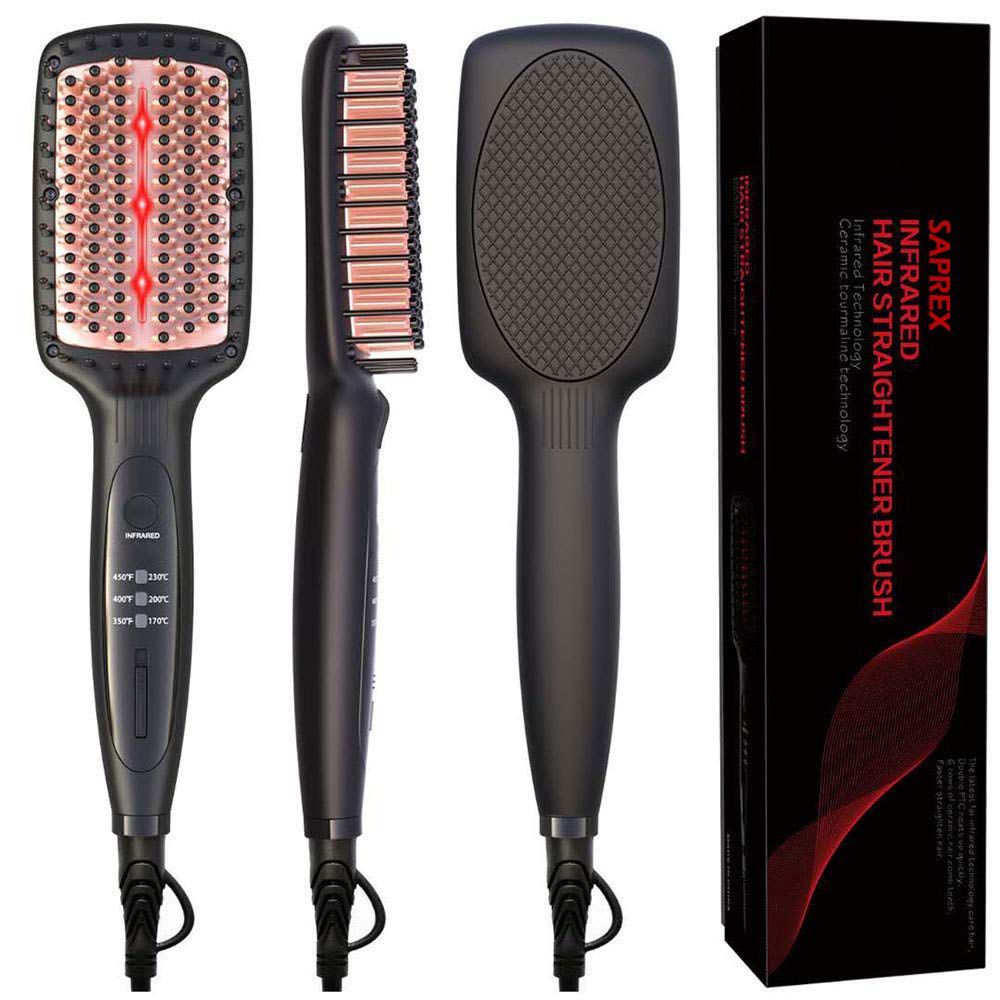
For individuals struggling with damaged hair, finding effective styling tools can be a challenge. A straightening brush offers a unique solution that combines the benefits of traditional flat irons and brushes, making it a suitable option for those with fragile hair. This tool not only helps achieve sleek, straight looks but also minimizes the potential for additional damage when used correctly.
The science behind heat styling reveals that high temperatures can alter the hair’s structural integrity. Hair is primarily made of a protein called keratin, and when exposed to excessive heat, the protein can denature, leading to brittleness and breakage. Straightening brushes typically operate at lower temperatures than traditional flat irons, allowing for effective styling while reducing the risk of thermal damage. The gentle heat distribution through the bristles provides a less aggressive approach to straightening, which is crucial for maintaining the health of damaged hair.
Techniques to Minimize Damage While Using Heat Tools
To protect damaged hair while using a straightening brush, it’s essential to adopt specific techniques. Understanding how to properly prepare the hair before styling can significantly impact its overall health. Here are key practices to consider:
- Use a Heat Protectant: Always apply a heat protectant product before using a straightening brush. These products act as a barrier against high temperatures and can help retain moisture within the hair.
- Adjust Temperature Settings: For damaged hair, it’s advisable to use the lowest effective temperature setting on the straightening brush. This not only minimizes damage but also helps in maintaining the hair’s natural shine.
- Limit Frequency of Use: Reducing the frequency of heat styling can significantly improve hair health. Allowing hair to rest between styling sessions aids in recovery and reduces cumulative damage.
- Keep Hair Moisturized: Regular deep conditioning treatments can strengthen the hair’s structure. Keeping hair hydrated is essential to enhance its resilience against heat styling.
- Section Hair Properly: Working in small sections allows for more even heat distribution and reduces the need for repeated passes over the same hair section, which can lead to further damage.
- Avoid Wet Hair Styling: Always ensure that hair is completely dry before using a straightening brush. Styling wet hair can cause more significant heat damage, as moisture can create steam and lead to hair breakage.
“Taking precautionary steps when heat styling can greatly enhance hair health and appearance.”
Comparing Straightening Brushes to Traditional Flat Irons for Damaged Hair
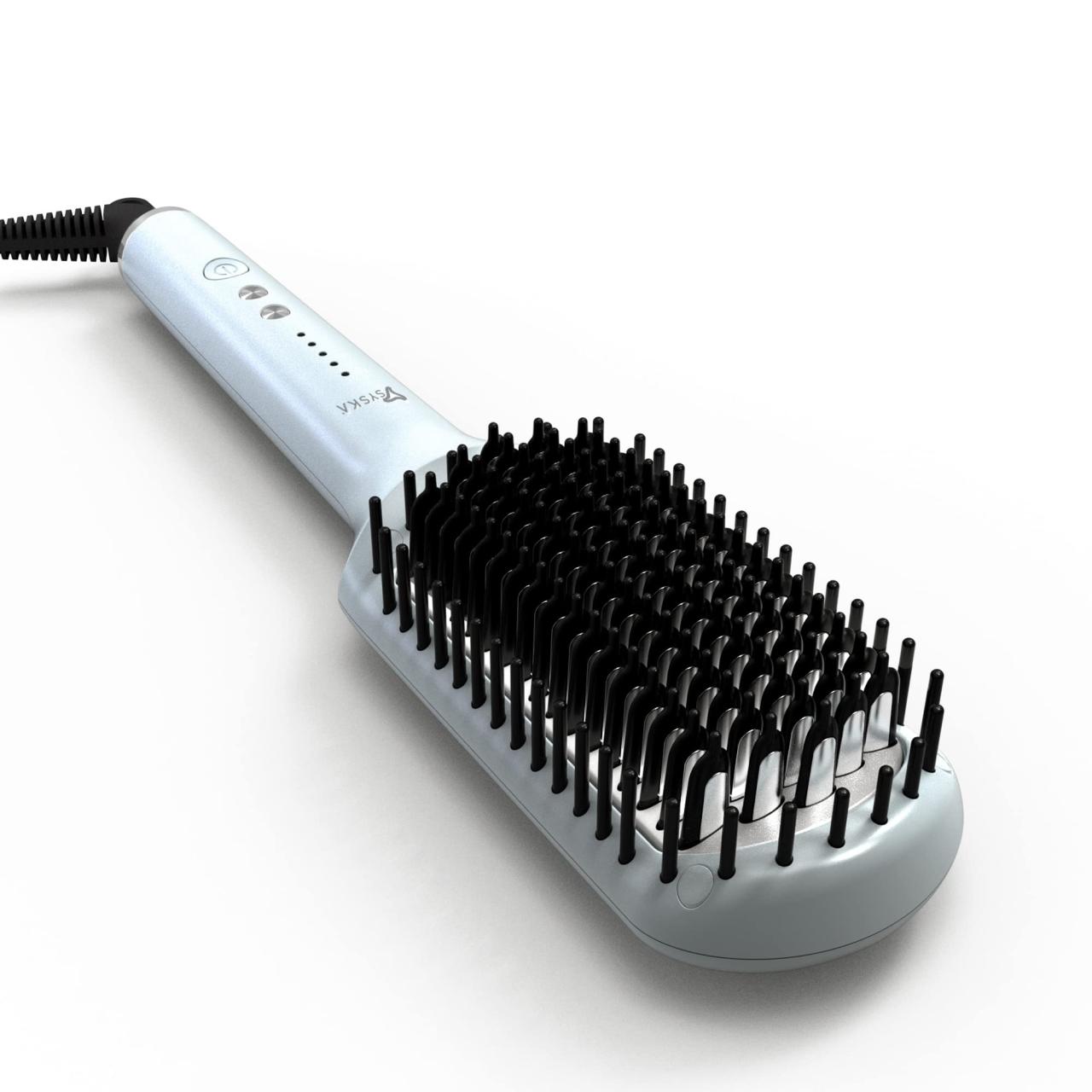
When it comes to styling hair, particularly for those with damaged locks, choosing the right tool can make all the difference. Straightening brushes and traditional flat irons are two popular options, each offering unique benefits and drawbacks. Understanding their differences, especially in the context of hair damage, can help users make an informed decision tailored to their specific hair type and condition.
The technology behind straightening brushes and flat irons varies significantly. Straightening brushes typically feature heated bristles that allow for a more gentle approach to styling. They straighten hair while simultaneously brushing through it, which minimizes tugging and pulling. On the other hand, traditional flat irons utilize two heated plates that clamp down on the hair, creating a straight look through direct heat application. This method can often lead to higher chances of heat damage, particularly for already compromised hair.
User Experiences and Hair Damage
User experiences reveal that those with damaged hair often prefer straightening brushes over flat irons. The gentler method used by straightening brushes can lead to a more favorable styling experience. While flat irons can create sleek looks quickly, they may exacerbate existing damage due to their intensive heat application. A comparison of user feedback highlights the following points:
- Heat Distribution: Straightening brushes generally offer a more even heat distribution, reducing the likelihood of hot spots that can lead to hair breakage.
- Ease of Use: Many users find straightening brushes easier to maneuver, as they can be used similarly to a regular brush, allowing for a more casual styling approach.
- Time Efficiency: Flat irons may straighten hair faster, but they require extra care and precision, especially with damaged hair. Users report spending more time ensuring they avoid over-styling.
- Overall Hair Health: Users with damaged hair often note that their hair feels smoother and less frazzled after using a straightening brush compared to a flat iron.
Suitability for Various Hair Types and Conditions
Selecting the right tool also depends on individual hair types and conditions. Here’s a brief overview of which tool tends to be more suitable for different hair categories:
- Fine or Fragile Hair: Straightening brushes are recommended for fine or fragile hair, as they provide a gentler approach with less direct heat exposure.
- Thick or Coarse Hair: While both tools can be effective, flat irons may work better for thick hair that requires higher heat to achieve desired straightness.
- Curl Patterns: Straightening brushes can work well for those with loose waves or curls, allowing for a more natural look, while flat irons are often preferred for tighter curls seeking a sleek finish.
- Color-Treated or Chemically Processed Hair: Those with color-treated or chemically processed hair should lean towards straightening brushes to minimize further damage.
“Straightening brushes provide a user-friendly option that prioritizes hair health while still delivering effective styling.”
Essential Features to Consider When Choosing a Straightening Brush for Damaged Hair
Selecting the right straightening brush is crucial, especially if you have damaged hair. A suitable brush can minimize further harm while providing the sleek look you desire. Understanding the essential features of straightening brushes tailored for damaged hair will help you make an informed decision that aligns with your hair care goals.
Temperature control is one of the most vital aspects of any straightening brush. Brushes that offer adjustable heat settings allow you to customize the temperature according to your hair type. For damaged hair, lower temperatures (around 250°F to 350°F) are often recommended to prevent additional breakage. Higher heat can exacerbate existing damage, so look for brushes that enable fine-tuning to suit your individual needs.
Another important feature is the bristle design. Brushes with a combination of nylon and silicone bristles often provide a balance of tension and flexibility. This design helps to glide through the hair without pulling or tugging, minimizing breakage. Moreover, some brushes come with heat-resistant bristles that can handle high temperatures without warping, which is essential for maintaining the brush’s effectiveness over time.
Additionally, the materials used in the construction of the straightening brush can significantly impact its performance. Ceramic and tourmaline plates distribute heat evenly and reduce static, promoting smoother hair. Brushes made from these materials often allow for quicker styling at lower temperatures, further reducing the risk of damage.
The following table compares different brands of straightening brushes, highlighting their specific features relevant to damaged hair:
| Brand | Temperature Control | Bristle Design | Materials Used |
|---|---|---|---|
| Brand A | Adjustable (250°F – 400°F) | Nylon and silicone mix | Ceramic |
| Brand B | Fixed (300°F) | Heat-resistant nylon | Tourmaline |
| Brand C | Adjustable (200°F – 450°F) | Flexible bristles | Ceramic and tourmaline |
| Brand D | Adjustable (250°F – 370°F) | Mixed bristle design | Pure ceramic |
In summary, when choosing a straightening brush for damaged hair, prioritize features like temperature control, bristle design, and materials used. These factors play a significant role in reducing the risk of further damage while enhancing your styling experience. By paying attention to these essentials, you can enjoy beautifully straightened hair without compromising its health.
Step-by-Step Guide on Properly Using a Straightening Brush on Damaged Hair
Using a straightening brush can be a game-changer for managing styled hair, especially when it’s damaged. However, the process requires care and attention to prevent further harm to your locks. This guide Artikels essential steps for using a straightening brush effectively while prioritizing the health of damaged hair.
Preparing your hair properly before styling is crucial, especially for damaged strands. Start with clean, dry hair that is free from tangles. Use a gentle shampoo and conditioner designed for damaged hair to help restore moisture. After washing, apply a heat protectant spray or serum to shield your hair from the high temperatures of the brush. This foundational step not only aids in protection but also enhances the overall finish of your style.
Detailed Procedure for Using a Straightening Brush
To achieve the best results when using a straightening brush on damaged hair, follow these detailed steps:
1. Ensure Hair is Completely Dry: Always start with completely dry hair. If your hair is damp, the heat from the brush can cause further damage.
2. Section Your Hair: Divide your hair into manageable sections using clips. This allows you to focus on small areas and ensures even straightening.
3. Set the Right Temperature: Adjust the straightening brush to a lower heat setting, ideally between 300°F to 350°F (150°C to 180°C), to minimize damage. For fine or very damaged hair, even lower temperatures may be advisable.
4. Start with the Bottom Sections: Begin straightening from the bottom sections, working your way up. This prevents the top layers from getting too hot while you’re processing the lower layers.
5. Glide Slowly and Smoothly: Take a small section of hair, and gently brush from root to tip. Avoid pressing down too hard; the goal is to glide smoothly through your hair.
6. Avoid Repeated Passes: If the hair doesn’t straighten on the first pass, avoid going over the same section multiple times. Instead, use a slightly higher temperature if necessary.
7. Finish with a Serum: After styling, apply a lightweight serum to add shine and further protect your hair from environmental damage.
Before diving into styling, it is essential to understand some key practices that can either enhance or hinder your results. The following list Artikels the dos and don’ts when using a straightening brush on damaged hair:
Dos and Don’ts for Using a Straightening Brush
To protect your hair and improve the effectiveness of your styling routine, adhere to the following guidelines:
Dos:
– Use a heat protectant: Always apply a heat protectant product before using any heat styling tools.
– Section your hair: Divide your hair into smaller sections for more efficient and even straightening.
– Choose the right temperature: Use the lowest effective temperature to minimize damage.
– Brush slowly: Take your time gliding the brush through your hair for better results.
– Care for your brush: Regularly clean your straightening brush to remove product buildup and hair residue.
Don’ts:
– Don’t straighten wet hair: This can cause excessive damage and lead to breakage.
– Avoid high heat settings: Using too high of a temperature can exacerbate damage.
– Don’t rush the process: Hasty styling can lead to uneven results and increased hair stress.
– Don’t skip conditioning: Always follow up with a good conditioner after washing to maintain moisture levels.
– Avoid tight hairstyles post-styling: This can lead to further stress and breakage on already damaged hair.
By following these steps and tips, you can effectively use a straightening brush on damaged hair while minimizing potential harm, allowing you to achieve a sleek and polished look without compromising the health of your hair.
The Role of Heat Protectants in Preventing Damage While Using a Straightening Brush
Using a straightening brush can do wonders for achieving sleek and polished hair, but it’s crucial to prioritize hair health while styling. Heat styling tools can expose hair to high temperatures, leading to potential damage. That’s where heat protectants come into play, serving as a barrier against the damaging effects of heat. Incorporating these products into your hair care routine is essential for anyone who frequently styles their hair with heat.
Heat protectants are designed to minimize the adverse effects of heat styling, ensuring that your hair remains healthy and vibrant. These products typically contain ingredients that can withstand high temperatures, thereby preventing moisture loss and reducing the risk of split ends. It’s important to apply heat protectants generously and evenly before using a straightening brush to achieve the best results.
Types of Heat Protectants Available
There is a wide variety of heat protectants in the market, each tailored to different hair types and styling needs. Here are some common types along with their specific benefits:
- Sprays: Lightweight and easy to apply, sprays offer even coverage and are particularly effective for fine or thin hair. They can be used on damp or dry hair before styling.
- Creams: Ideal for thicker or coarser hair, creams provide added moisture and control frizz. They are often applied to damp hair before blow-drying or straightening.
- Serums: These products are great for adding shine and managing frizz, making them suitable for all hair types. Serums typically contain silicone that coats the hair strands.
- Oils: While oils can be heavy, they can offer excellent protection and nourishment for very dry or damaged hair. They are often best used in moderation, primarily on the ends.
- Lotions: These are versatile products that can hydrate and protect hair while also providing hold for styling. They are suitable for various hair types and can be layered with other products.
A blockquote from hair care expert Dr. Susan Taylor emphasizes the significance of heat protectants:
“Using a heat protectant is not just a recommendation; it’s a necessity for maintaining healthy hair. Without it, you’re inviting damage that could take years to recover from.” – Dr. Susan Taylor, Hair Care Specialist
Home Care Tips for Maintaining Healthy Hair After Using a Straightening Brush
Using a straightening brush can transform your hair from frizzy to sleek and polished in no time. However, it’s essential to maintain a proper hair care routine post-styling to ensure your locks remain healthy and vibrant. This guide provides practical tips on how to care for your hair after using a straightening brush, emphasizing the importance of nourishment and moisture to restore and maintain hair health.
Post-Styling Hair Care Routines
Establishing a consistent hair care routine after using a straightening brush is vital for preserving hair health. Here are essential steps to consider:
- Gentle Cleansing: Use a sulfate-free shampoo that gently cleanses your hair without stripping it of natural oils. Look for hydrating formulas that contain ingredients like coconut oil or argan oil.
- Conditioning: Follow up with a deep conditioner that suits your hair type. Focus on products that provide hydration and repair, like those containing keratin, shea butter, or jojoba oil.
- Leave-In Treatments: Incorporate a leave-in conditioner to maintain moisture throughout the day. This helps to seal in hydration and adds an extra layer of protection from environmental damage.
- Heat Protectant: Always apply a heat protectant spray before styling to shield your hair from heat damage. Look for products with both thermal protection and nourishing properties.
- Avoid Washing Too Often: Limit shampooing to two to three times a week to retain natural oils that protect your hair.
Moisturizing and Nourishing Treatments
After using a straightening brush, your hair may feel dry or damaged. To restore its health, incorporating moisturizing and nourishing treatments is crucial. Effective treatments include:
- Hair Masks: Use a weekly hair mask rich in proteins and essential oils to rejuvenate and strengthen your hair. Opt for masks with ingredients like avocado, banana, or egg proteins.
- Oils and Serums: Applying oils such as argan oil, coconut oil, or olive oil can provide deep nourishment. These oils help to seal moisture and add shine to your hair.
- Scalp Treatments: Healthy hair starts at the scalp. Use essential oils like tea tree or peppermint to promote scalp health and stimulate hair growth.
- Regular Trims: Schedule regular trims every six to eight weeks to remove split ends and keep your hair looking healthy and vibrant.
Impact of Frequent Use of Straightening Brushes on Long-Term Hair Health
Using a straightening brush frequently can have both immediate and long-term effects on hair health. It’s essential to understand these impacts to make informed styling choices.
Frequent heat styling can lead to hair that is brittle, dry, and prone to breakage.
Long-term use of straightening brushes can result in:
- Heat Damage: Overexposure to heat can weaken the hair cuticle, leading to split ends and hair breakage.
- Loss of Natural Texture: Continuous straightening can alter the natural wave or curl pattern of your hair over time.
- Increased Frizz: Damaged hair cuticles can cause frizz and make hair harder to manage, leading to a cycle of more heat styling.
To mitigate these effects, it is advisable to give your hair regular breaks from heat styling, embrace protective hairstyles, and invest in quality hair care products that nourish and protect your hair.
User Testimonials and Experiences with Straightening Brushes for Damaged Hair
Many individuals with damaged hair have turned to straightening brushes as a potential solution for achieving sleek, manageable locks without further harming their hair. User testimonials often reveal a mixture of hope and skepticism regarding these tools. The collective experiences shared by these users highlight both positive transformations and cautionary tales, providing valuable insights into the effectiveness of straightening brushes specifically designed for damaged hair.
Straightening brushes have garnered a reputation as a time-saving alternative to traditional straightening methods. Users have reported varying results, often influenced by hair type and the extent of damage. The feedback received underscores the importance of understanding one’s hair and expectations before investing in a straightening brush. Below are some common themes and outcomes found in user experiences.
Common Themes in User Testimonials
Users frequently express their thoughts on the effectiveness and convenience of straightening brushes. Many testimonials indicate a general satisfaction with the ease of use and styling speed these brushes offer. However, the results often depend heavily on the hair’s condition and the user’s hair care routine.
The following points summarize the pros and cons based on user experiences:
Pros of Using Straightening Brushes:
- Time Efficiency: Many users appreciate the quick styling time, often completing their styling routine in under 15 minutes.
- Less Damage Compared to Traditional Methods: Users report less heat damage since straightening brushes can be more forgiving on hair.
- Improved Texture: Several individuals noted a smoother finish and reduced frizz, leading to a more polished appearance.
- Ease of Use: Many find straightening brushes easier to handle, especially for those not accustomed to traditional flat irons.
Cons of Using Straightening Brushes:
- Inconsistency: Some users experienced varying results, with some brushes performing better than others.
- Limited Effectiveness on Extremely Damaged Hair: A few testimonials indicated that while brushes help, they might not fully straighten very damaged or curly hair.
- Potential for Overheating: Certain models received criticism for overheating, which could lead to further damage if not monitored closely.
- Weight and Bulkiness: A segment of users mentioned discomfort due to the weight of the brush during extended use.
The experiences shared by users demonstrate a range of outcomes when using straightening brushes on damaged hair. While many have found success, it’s crucial for individuals to assess their hair’s needs and choose products thoughtfully. As with any hair styling tool, results can vary significantly based on factors like hair type, damage level, and maintenance practices.
Final Review
In conclusion, embracing a straightening brush for damaged hair could be the pivotal step toward revitalizing your tresses while maintaining their integrity. By understanding the right techniques and products to use, you’ll not only enjoy a sleek finish but also contribute to the long-term health of your hair. Remember, with the right tools and care, beautiful hair is not just a dream but an achievable reality.
Expert Answers
What is a straightening brush?
A straightening brush is a styling tool that combines the functionality of a hairbrush and a flat iron, allowing users to straighten and smooth their hair while brushing it.
Can a straightening brush be used on wet hair?
It is generally recommended to use a straightening brush on dry hair to avoid damage and achieve optimal results.
How do I choose the right straightening brush for damaged hair?
Look for features such as adjustable temperature settings, ceramic bristles, and designs specifically intended for sensitive hair types.
Are straightening brushes safe for daily use?
While they can be safer than flat irons, daily use should be accompanied by heat protectants and proper care to prevent damage.
How often should I use a straightening brush?
It’s advisable to limit use to a few times a week, and always incorporate hair care routines to maintain health and moisture.