



Hair Straightening Brush technology has revolutionized the way we style our hair, offering a blend of convenience and efficiency that traditional methods often lack. With their unique design, these brushes not only straighten hair but also enhance shine and texture, making them a favorite among beauty enthusiasts. As we delve into the science and techniques behind these innovative tools, you’ll discover how they work on a molecular level, the various types available, and how to use them effectively for stunning results.
From understanding the technology that powers them to exploring tips for maintenance and care, this guide will be your go-to resource. Whether you’re looking to save time during your morning routine or wanting to achieve that perfect sleek look without the damage associated with flat irons, a Hair Straightening Brush could be the solution you’ve been searching for.
Understanding the Science Behind Hair Straightening Brushes
Hair straightening brushes have become a popular styling tool, merging the convenience of a brush with the effectiveness of a flat iron. To truly appreciate how these devices work, it’s essential to delve into the science behind them. These brushes utilize heat to alter the structure of hair, making it smoother and straighter. At a molecular level, hair is composed primarily of a protein called keratin, which consists of long chains of amino acids. The shape and structure of these proteins determine the hair’s texture and curl pattern.
The heat generated by hair straightening brushes causes the keratin proteins within individual hair strands to undergo a process known as thermal restructuring. When hair is heated, the hydrogen bonds that hold the protein chains together begin to break. This breaking of bonds is crucial because it allows the hair to be molded into a new shape. Once the hair cools down after being heated, the hydrogen bonds reform, but now in the straightened position. The result is sleek, straight hair that can last for several hours or even days, depending on the humidity and other environmental factors.
Technology Used in Hair Straightening Brushes
The technology employed in hair straightening brushes is designed to optimize heat distribution and minimize damage to the hair. Most brushes feature ceramic, tourmaline, or titanium plates that distribute heat evenly. These materials not only heat up quickly but also produce negative ions. The generation of negative ions plays a significant role in reducing frizz and static, as they help to neutralize positive ions present in the hair.
Temperature regulation is essential for achieving the desired results while preventing damage to the hair. Hair straightening brushes typically come equipped with adjustable heat settings, allowing users to select a temperature that is suitable for their hair type. Fine or damaged hair may require lower temperatures, around 300°F (150°C), while thicker or coarser hair may benefit from higher temperatures, up to 450°F (230°C).
Understanding the importance of temperature regulation can significantly impact the effectiveness of the straightening process. When the heat is too high, it may lead to burnt hair and split ends. Conversely, insufficient heat will not effectively alter the hair’s structure. This balance is crucial for maintaining hair health while achieving the desired style.
In addition to the materials used, many modern straightening brushes incorporate advanced features such as automatic shut-off mechanisms for safety, and steam functions that hydrate hair during styling, reducing damage and enhancing luster. Some high-end models even include sensors that detect hair moisture levels, adjusting the temperature accordingly to ensure optimal styling without excessive heat exposure.
In summary, hair straightening brushes work by applying controlled heat to alter the keratin structure of hair, utilizing sophisticated technology to ensure effective styling while maintaining hair integrity. Understanding these principles can lead to better styling choices and healthier hair.
The Different Types of Hair Straightening Brushes Available in the Market
Hair straightening brushes are a game-changer for achieving sleek, smooth styles in a fraction of the time it takes traditional straighteners. With various types available, each designed to cater to different hair types and styling needs, understanding these options can help you make an informed choice and enhance your hair care routine.
When selecting a hair straightening brush, you’ll come across several types, each with unique features and benefits. Below are four popular types of hair straightening brushes that stand out in the market.
Ceramic Brushes
Ceramic hair straightening brushes are known for their ability to distribute heat evenly, reducing the risk of hot spots that can damage hair. They provide a smooth glide, making them ideal for users who want to minimize frizz and achieve a polished finish. The heat retention feature of ceramic allows for consistent styling at lower temperatures, which is gentler on hair.
Ionic Brushes
Ionic hair straightening brushes emit negative ions that counteract static and frizz while smoothing the hair cuticle. These brushes are particularly beneficial for individuals with thick or coarse hair, as they help lock in moisture, resulting in a shinier look. The ionic technology also speeds up the straightening process, making it an efficient choice for busy mornings.
Tourmaline Brushes
Tourmaline hair straightening brushes are made with a semi-precious gemstone that emits negative ions when heated. This unique feature can enhance the effectiveness of the brush, resulting in sleeker hair with fewer flyaways. Tourmaline brushes are excellent for all hair types, particularly for those with curly or wavy textures, as they help to tame unruly locks while adding shine.
Titanium Brushes
Titanium hair straightening brushes are known for their durability and quick heat-up time. They provide a high level of heat that is consistent and effective for straightening even the most stubborn hair types. The titanium surface allows for smooth styling without snagging, making it ideal for users with thick or coarse hair. Additionally, these brushes tend to be lighter than their ceramic counterparts, making them easier to handle during styling sessions.
Choosing the Right Type of Brush Based on Hair Texture and Type
Selecting the right hair straightening brush is essential to achieving optimal results and maintaining hair health. Different brushes cater to various hair textures, so understanding your hair type is crucial for making the best choice.
- Straight or Wavy Hair: For straight or slightly wavy hair, a ceramic or ionic brush is typically best, as they provide a smooth finish while minimizing heat exposure.
- Curl or Coarse Hair: If you have curly or coarse hair, a tourmaline or titanium brush may be more suitable due to their ability to generate higher heat and combat frizz effectively.
- Fine Hair: For fine hair, opt for a ceramic brush that offers a gentler approach to styling, as high heat can lead to damage.
- Thick Hair: Those with thick hair should consider ionic or titanium brushes for their efficiency in straightening and reducing styling time.
Step-by-Step Guide to Using a Hair Straightening Brush Effectively
Before diving into the use of a hair straightening brush, it’s essential to prepare your hair properly for optimal results. A well-prepared mane not only makes the straightening process smoother but also minimizes damage and enhances the longevity of your style. Here’s how to get your hair ready, section it effectively, and maximize your results while avoiding common mishaps.
Hair Preparation Before Use
Proper preparation of your hair is a critical step in achieving the best straightening outcome. Begin by ensuring your hair is clean and free from any product buildup that might hinder the brush’s effectiveness. Follow these steps to prepare your hair:
– Wash and Condition: Use a gentle shampoo and a hydrating conditioner suited for your hair type. Rinse thoroughly to remove all product residues, as buildup can lead to uneven straightening.
– Towel Dry: After washing, gently towel dry your hair to remove excess water. Avoid rough towel drying as it can cause frizz and damage.
– Apply Heat Protectant: Spray or apply a heat protectant product evenly throughout your hair. This will shield your strands from heat damage and minimize breakage during the straightening process.
– Detangle: Use a wide-tooth comb or a detangling brush to gently remove any knots. Start from the ends and work your way up to prevent breakage.
Sectioning Hair for Best Results
Sectioning your hair correctly is fundamental for effective use of a straightening brush. This ensures each portion of hair gets the attention it needs for a uniform look. Here’s a recommended technique for sectioning:
– Divide Into Four Sections: Create four equal sections by parting your hair down the middle and then horizontally across the back of your head. Secure each section with clips or hair ties.
– Work with Smaller Sub-Sections: Take one of the four sections and further divide it into smaller sections, about one inch wide. This allows for better control and more effective straightening.
– Start from the Bottom: Always begin straightening from the bottom sections of your hair and work your way up. This method allows the heat to reach the hair roots last, reducing the risk of overheating.
Avoiding Common Mistakes During Use
While using a hair straightening brush can be straightforward, avoiding pitfalls is key to achieving the desired results without damaging your hair. Consider these essential tips:
– Don’t Rush: Take your time when straightening each section. Rushing can lead to missed spots and uneven straightening.
– Adjust Temperature According to Hair Type: Use a lower temperature for fine or damaged hair, while thicker hair may require higher settings. For example, fine hair typically does well at around 300°F, whereas coarse hair may need closer to 400°F.
– Keep the Brush Moving: Glide the brush through your hair rather than letting it sit in one spot for too long. This helps prevent heat damage and allows for smoother results.
– Avoid Overlapping: When straightening a section, avoid going over the same spot repeatedly. This can cause significant heat damage, leading to dryness and breakage.
By following these preparation, sectioning, and usage tips, you can achieve beautiful, straight hair while maintaining its health and shine.
The Advantages of Using a Hair Straightening Brush Over Traditional Methods
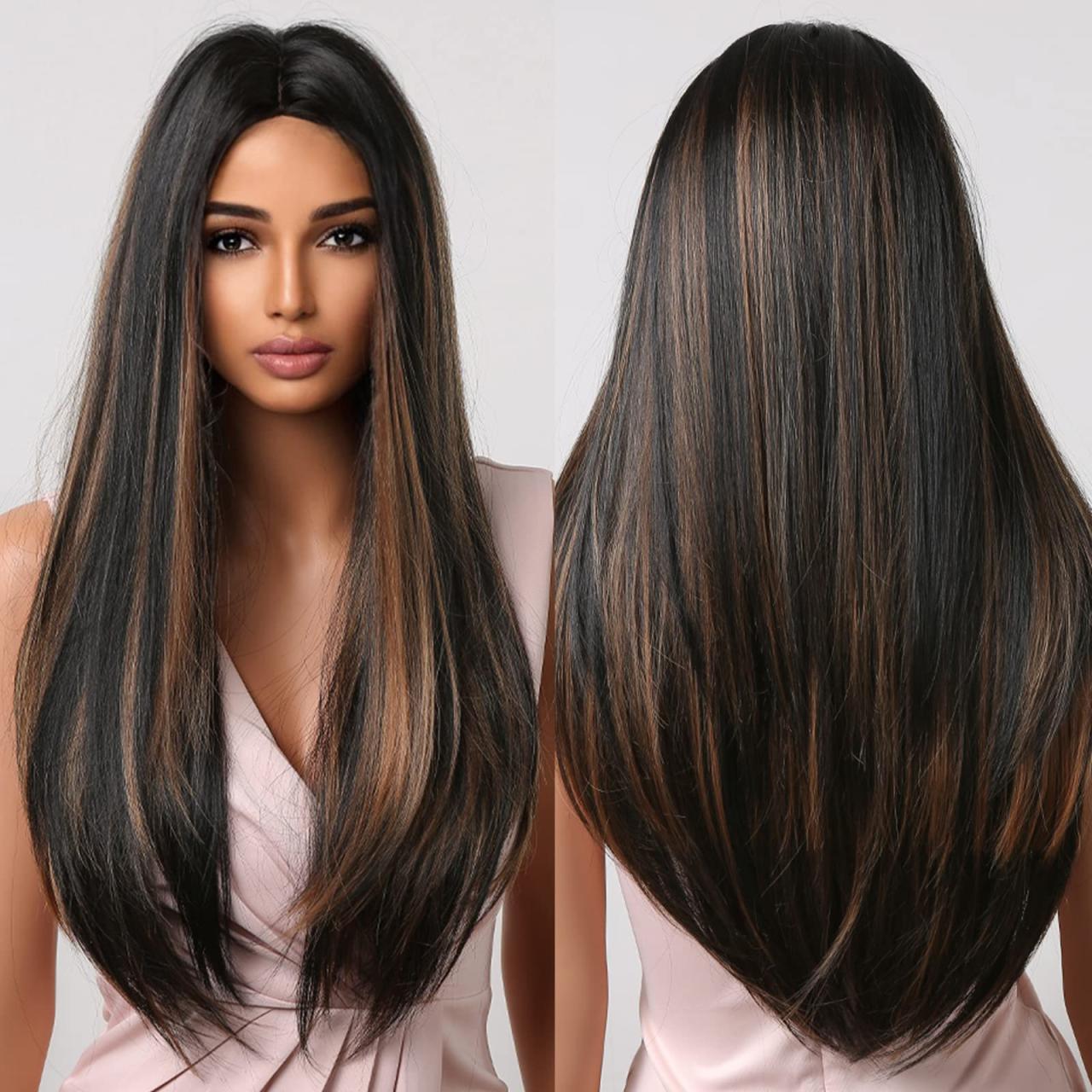
Hair straightening brushes have become increasingly popular among beauty enthusiasts and everyday users alike, offering a blend of convenience and efficiency that traditional flat irons may not provide. With their innovative design, these tools are revolutionizing the way people approach hairstyling, making it easier to achieve sleek, straight hair without the time-consuming processes typically associated with flat irons.
The primary advantage of hair straightening brushes is the significant time-saving they offer. Unlike flat irons, which often require a meticulous sectioning of hair and multiple passes to achieve the desired straightness, straightening brushes can quickly glide through the hair. This means you can style your hair in a fraction of the time, making them ideal for busy mornings or quick touch-ups. The brush design allows for broader sections of hair to be styled simultaneously, eliminating the need for excessive heat application and reducing overall styling time.
Time Efficiency and Versatility
The efficient design of hair straightening brushes not only saves time but also adds versatility to styling. Below are several factors that highlight the multifunctional nature of these tools:
- Hair Straightening: The primary function is to straighten hair, providing smooth, sleek results without the flatness that can sometimes occur with traditional straighteners.
- Curling Capability: With a bit of technique, straightening brushes can also be used to create loose waves or curls, offering a one-stop solution for multiple styles.
- Volume Addition: The bristles lift hair at the roots, allowing for added volume, which traditional flat irons may not accomplish.
- Quick Touch-Ups: Unlike flat irons that can require a complete re-style, straightening brushes allow for quick touch-ups throughout the day.
Certain hair types can particularly benefit from using straightening brushes instead of traditional methods. For instance, individuals with fine to medium hair textures find that a straightening brush minimizes the risk of damage due to its gentler heat application. Additionally, wavy or slightly curly hair can be easily managed with brushes, as they smooth while maintaining some natural texture and movement.
Hair straightening brushes are a game-changer for those looking for an efficient way to style their hair while also maintaining its health.
In summary, hair straightening brushes provide a modern alternative to traditional straighteners, combining time efficiency and versatility in hairstyling. This makes them an appealing choice for a wide range of hair types and styling needs, allowing users to express themselves creatively while keeping their hair healthy and beautiful.
Maintenance and Care for Your Hair Straightening Brush
Keeping your hair straightening brush in excellent condition is essential for achieving the best styling results while also prolonging the device’s lifespan. Regular maintenance not only enhances its performance but also ensures that your hair remains healthy and free from damage. Here’s a comprehensive guide on how to care for your brush effectively.
Cleaning Your Hair Straightening Brush
After each use, it’s important to clean your hair straightening brush to remove any hair, product buildup, or dust that may have accumulated. Regular cleaning helps maintain the performance of the brush and prevents potential damage to your hair. Here are the best practices for cleaning:
- Unplug the straightening brush and allow it to cool completely before cleaning.
- Use a soft, damp cloth to wipe the exterior and handle of the brush, ensuring that any product residue is removed.
- For the bristles, use a fine-toothed comb or a brush cleaning tool to gently remove tangled hair and debris. Avoid pulling too hard to prevent damaging the bristles.
- If necessary, dampen a cloth with mild soap and water to clean the bristles more thoroughly. Be careful not to let water seep into the electrical components.
- After cleaning, dry the brush thoroughly with a clean towel to prevent any moisture buildup.
Storing Your Hair Straightening Brush
Proper storage of your straightening brush can significantly extend its lifespan and functionality. When you store your brush correctly, you reduce the risk of damage to the bristles and the heating elements. Here are tips for effective storage:
- Always allow the brush to cool down completely before storing it to avoid heat damage to other items.
- Use a heat-resistant case or pouch for storing the brush if possible. This keeps it safe from accidental drops and dust.
- Store the brush in a dry, cool place away from direct sunlight or moisture to prevent corrosion or warping.
- Keep the brush away from sharp objects or other styling tools that could scratch or damage the bristles.
Recognizing When to Replace or Repair Your Hair Straightening Brush
It’s important to be aware of signs that indicate your straightening brush may need repair or replacement. Recognizing these signs early can help avoid further damage and ensure you continue to achieve great results. Here are key indicators to watch for:
- Unusual sounds such as popping or sizzling when the brush is turned on.
- Inconsistent heating, where certain sections of the brush don’t reach the desired temperature.
- Visible wear on the bristles, such as fraying or breakage, which can lead to hair damage.
- Damage to the cord, such as fraying or exposed wires, which poses a safety risk.
- Overheating, which can cause discomfort while using the brush and indicates a malfunction.
Regular maintenance can significantly increase the longevity and efficiency of your hair straightening brush, ensuring it remains a reliable styling tool for years to come.
Common Myths and Misconceptions About Hair Straightening Brushes
Many people are drawn to hair straightening brushes for their convenience and ease of use, but several myths surround these popular tools that can lead to confusion. Understanding the truth behind these misconceptions can help users make informed decisions about styling their hair while maintaining its health. This section will address common myths about hair straightening brushes and clarify the facts to enhance hair care practices.
Myths Surrounding Hair Straightening Brushes
There are several misconceptions regarding hair straightening brushes that can mislead consumers. It’s essential to debunk these myths to promote healthier hair styling habits. Here are three prevalent myths:
- Myth 1: Hair Straightening Brushes Cause Severe Heat Damage: Many believe that hair straightening brushes apply more heat than traditional flat irons. However, this is not necessarily true. Hair straightening brushes typically operate at lower temperatures and distribute heat more evenly, reducing the risk of localized heat damage.
- Myth 2: All Hair Types Can Use the Same Temperature Setting: Another common misconception is that there is a one-size-fits-all temperature for hair straightening brushes. In reality, different hair types require different heat settings. Fine hair may need lower temperatures, while thicker, coarser hair may tolerate higher temperatures. Always adjust the heat setting based on your specific hair type.
- Myth 3: Using a Straightening Brush Will Leave Hair Flat and Lifeless: Many worry that straightening brushes will make their hair appear flat. In fact, when used correctly, these tools can create smooth, polished styles without sacrificing volume. The key is to use the brush in conjunction with proper techniques, such as lifting the roots while brushing.
Understanding Heat Damage and Hair Health
Heat damage is a concern for anyone using heated styling tools, including hair straightening brushes. However, when used correctly, these tools can contribute to beautiful hair without excessive damage. Here are some important points to consider:
- Using heat protectant sprays can dramatically reduce the risk of damage. These products create a barrier between your hair and the heat, minimizing moisture loss.
- Investing in a quality hair straightening brush with adjustable heat settings allows for better control, ensuring that you can style your hair safely.
- It’s advisable to limit the frequency of heat styling. Allowing your hair to rest from heat exposure can significantly improve its overall health.
“Proper heat management and protective products are essential to maintaining healthy hair while using styling tools.”
Using Hair Straightening Brushes Without Compromising Hair Quality
To enjoy the benefits of hair straightening brushes without compromising hair quality, it’s important to adopt specific practices that promote healthy styling. Here are key strategies:
- Always start with clean hair. Washing removes product buildup and allows for better heat transfer, leading to more effective straightening with less heat.
- Section your hair into manageable parts. This ensures even styling and prevents the need to run the brush over the same section multiple times.
- Utilize the brush in a slow, gliding motion. Rushing can lead to uneven heat distribution and potential damage.
By debunking myths and understanding the best practices for using hair straightening brushes, users can enjoy beautifully styled hair while preserving its health.
Exploring the Impact of Hair Straightening Brushes on Hair Health
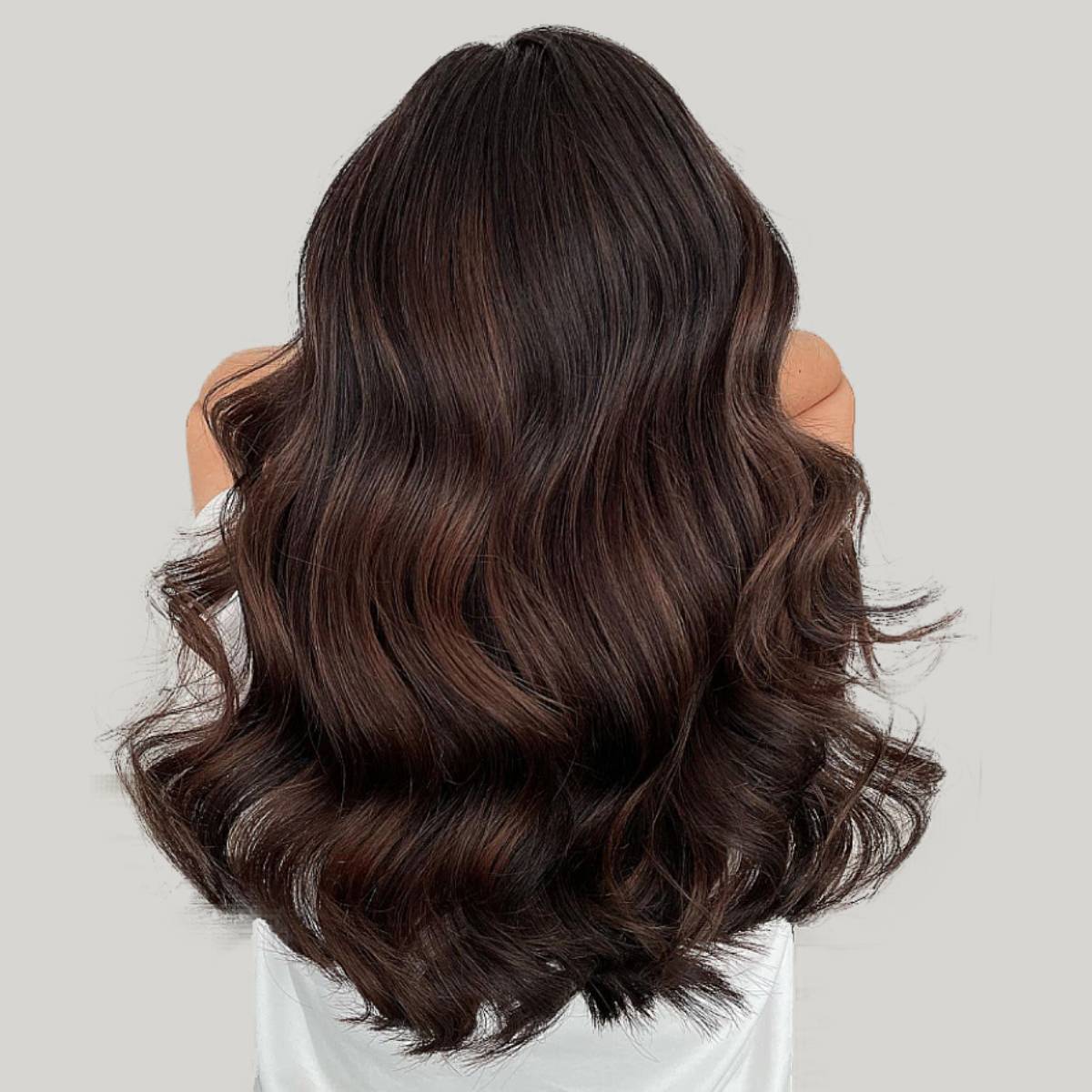
The rise in popularity of hair straightening brushes has prompted many to consider their impact on hair health. Unlike traditional flat irons that can apply intense, direct heat, hair straightening brushes offer a more gentle approach. However, understanding how regular use of these tools affects hair health is essential for maintaining vibrant locks.
Regular use of hair straightening brushes can significantly impact the condition of your hair. While they can provide sleekness and manageability, overuse may lead to dryness and brittleness. It’s crucial to monitor how your hair responds to heat styling and to incorporate protective measures to mitigate potential damage.
Importance of Heat Protectant Products
Utilizing heat protectant products is vital when using a hair straightening brush. These products serve as a barrier between your hair and the heat, minimizing damage. They often contain ingredients that help to moisturize the hair while preventing heat-related dryness.
The key benefits of using heat protectants include:
- Reduced heat damage: Heat protectants lower the risk of cuticle damage, helping to maintain the hair’s natural structure.
- Moisture retention: Many heat protectants include hydrating components that keep hair nourished, preventing frizz and dryness.
- Increased shine: Heat protectants often enhance the hair’s natural shine, giving it a healthy, polished appearance.
Comparison of Hair Damage Levels
When comparing hair damage levels between straightening brushes and traditional methods like flat irons, studies show that brushes can be less damaging. Flat irons typically reach higher temperatures, often exceeding 450°F, which can lead to severe damage over time. In contrast, hair straightening brushes generally operate at lower temperatures, usually ranging from 300°F to 400°F.
Research indicates that:
- Hair straightening brushes are less likely to cause severe heat-induced breakage due to their ability to distribute heat more evenly.
- Users report healthier hair after transitioning from flat irons to brushes, with fewer split ends noted in hair assessments.
- Regular use of straightening brushes has shown to result in lower porosity levels in hair strands, indicating less damage and improved moisture retention.
While both tools can achieve sleek results, hair straightening brushes offer a gentler alternative, making them a preferred choice for those concerned with hair health.
User Experiences
User testimonials provide invaluable insight into the effectiveness and usability of hair straightening brushes. These firsthand accounts highlight the pros and cons experienced by real users, offering prospective buyers a clearer picture of what to expect when choosing a device for their hair type and styling needs.
A review of various hair straightening brushes shows a mix of positive and negative feedback. Users often reflect on the performance, ease of use, and the results they achieve, which can vary widely depending on individual hair types, product quality, and personal preferences. Overall, common themes emerge in user feedback, shedding light on satisfaction and dissatisfaction factors that can guide potential buyers.
User Feedback Themes
Understanding user experiences can help identify trends that may influence purchasing decisions. The following points summarize the key factors often mentioned in user reviews:
- Ease of Use: Many users highlight how user-friendly these brushes are, appreciating the ability to straighten hair quickly without the hassle of traditional flat irons.
- Results: Numerous testimonials praise the sleek and shiny finish achieved with various brushes, emphasizing their ability to tame frizz and create smooth styles.
- Heat Settings: Users often commend brushes with adjustable heat settings, allowing for customized styling based on hair type and condition.
- Portability: Several reviewers appreciate the lightweight and travel-friendly designs of hair straightening brushes, making them suitable for on-the-go styling.
- Hair Damage: Some users express concern about potential heat damage, particularly with brushes that do not have protective features.
- Price vs. Performance: Many reviews indicate that while some high-end brushes deliver exceptional results, budget-friendly options can also perform well, leading to discussions about value for money.
“The ability to straighten my hair in half the time compared to a flat iron has transformed my morning routine!” – Satisfied user
Expert recommendations often align with user experiences, emphasizing the importance of selecting a brush that caters to specific hair types. For instance, professionals frequently suggest ceramic-coated brushes for even heat distribution, which helps prevent damage while providing effective results. User reviews reflect this advice, with those using ceramic options reporting greater satisfaction with their styling outcomes.
In contrast, users who have opted for poorly reviewed brushes often express frustration, noting issues like inconsistency in heat and lack of desired results. Expert insights frequently confirm these sentiments, advising consumers to invest in reputable brands that prioritize technology and user feedback.
The Future of Hair Technology
As the beauty industry continues to evolve, hair straightening brushes are becoming more innovative, incorporating advanced technology to meet consumer demands for efficiency and safety. The future of hair straightening brushes looks promising, with several trends on the horizon that aim to enhance user experience while ensuring healthier hair.
Emerging technologies are set to revolutionize hair straightening brushes by improving their effectiveness and safety. Innovative designs that incorporate smart technology, such as temperature control and automatic shut-off features, are gaining traction. These advancements not only provide convenience but also help in minimizing damage to hair. Brands are increasingly recognizing the importance of these features, aiming to create products that cater to the needs of health-conscious consumers.
Technological Advancements in Hair Straightening Brushes
The next generation of hair straightening brushes will likely include a variety of technological improvements. Understanding these advancements is crucial for consumers seeking the best options for their hair care routine.
- Smart Temperature Control: Future brushes are expected to incorporate sensors that adjust the temperature based on hair texture and thickness, allowing for a more personalized styling experience.
- Ion Technology: This technology helps reduce frizz and static, promoting a smoother finish. Future brushes may enhance ion delivery systems to optimize hair health during styling.
- Wireless Features: With the rise of cordless appliances, upcoming models may offer battery-powered options that provide greater mobility and convenience during use.
- Self-Cleaning Mechanisms: Integration of self-cleaning technology will likely emerge, making maintenance easier for consumers and ensuring that hair brushes remain hygienic.
The focus on user safety and hair health will shape the future design of hair straightening brushes, making them more efficient and effective.
Consumer preferences play a significant role in driving innovations in hair straightening brushes. With a growing awareness of hair health, customers are leaning towards products that offer not just styling benefits but also hair care solutions. This shift in priorities is pushing manufacturers to incorporate features such as heat protection, herbal infusions, and ergonomic designs that enhance usability. By aligning product development with consumer needs, brands are more likely to succeed in the competitive market of hair care technology.
Wrap-Up
In conclusion, Hair Straightening Brushes offer a modern solution for achieving beautifully straight hair with minimal effort. By understanding their technology, choosing the right type for your hair, and employing effective techniques, you can enjoy a healthier styling experience. With ongoing innovations in hair technology, the future looks bright for these versatile tools, making them an essential addition to any beauty arsenal.
FAQ Resource
How often can I use a hair straightening brush?
It depends on your hair type and health, but using it 2-3 times a week is generally safe for most hair types.
Can I use a hair straightening brush on wet hair?
It’s recommended to use the brush on dry hair to avoid damage, as wet hair can be more fragile.
Do I need a heat protectant when using a straightening brush?
Yes, using a heat protectant is advisable to minimize heat damage and keep your hair healthy.
Are hair straightening brushes suitable for curly hair?
Yes, many hair straightening brushes work well on curly hair, especially those with high heat settings and ionic technology.
What is the ideal temperature for straightening hair?
The ideal temperature typically ranges between 300°F to 450°F, depending on your hair type and condition.