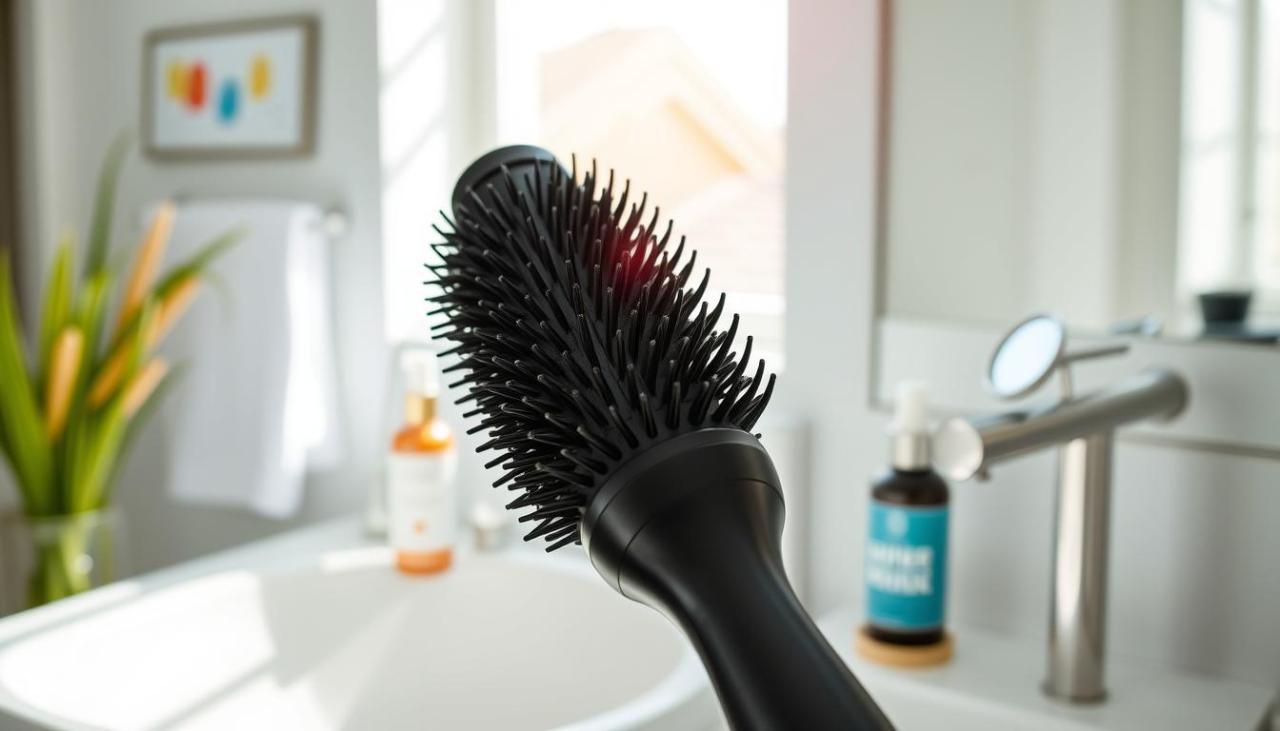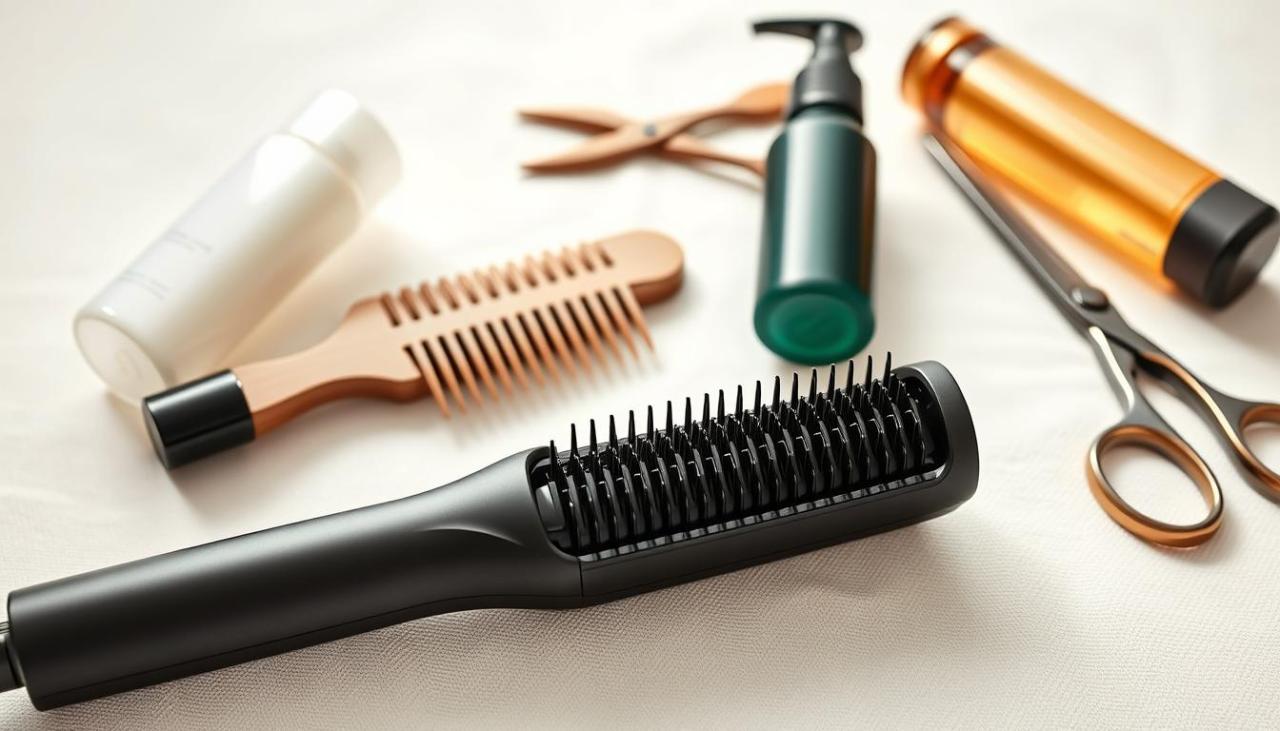
When it comes to hair care, the humble hair brush often takes a backseat, but it plays a crucial role in maintaining healthy, vibrant locks. The right brush not only detangles but also promotes scalp circulation, reduces breakage, and enhances the overall appearance of your hair. With various types of brushes available, understanding their unique benefits and proper usage can significantly elevate your hair care routine.
From paddle brushes perfect for straightening to round brushes that add volume, each tool has its specific purpose. Whether you’re looking to style your hair or simply keep it healthy, knowing how to incorporate brushing into your regimen is vital. Let’s delve deeper into the importance of brushes and how they can transform your hair care routine.
The importance of a hair brush in a daily hair care routine
A hair brush is not just a styling tool; it plays a vital role in maintaining the overall health and appearance of your hair. Incorporating a hair brush into your daily hair care routine can significantly impact the way your hair looks and feels. By using a brush regularly, you can enhance your hair’s natural shine, reduce tangles, and contribute to a healthier scalp. Understanding the benefits of brushing and the different types of brushes available can help you make informed choices for your hair care regimen.
Regularly using a hair brush offers numerous benefits that extend beyond mere aesthetics. First and foremost, brushing helps in distributing the natural oils produced by the scalp throughout the strands of hair. This natural oil, known as sebum, keeps hair moisturized and prevents it from drying out. Furthermore, brushing stimulates blood circulation in the scalp, which can promote hair growth and strengthen hair follicles. The act of brushing also helps to remove dirt, dust, and product buildup, ensuring that the hair remains clean and healthy.
In addition to these health benefits, brushing can help manage and style hair more effectively, allowing for easier handling of knots and tangles. By incorporating a hair brush into your routine, you’ll find that your hair becomes more manageable and easier to style. The right brush can also provide a polished look, whether you’re aiming for sleek and straight hair or bouncy curls.
Different types of hair brushes and their specific uses
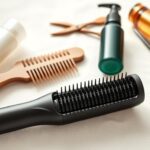
Understanding the various types of hair brushes and their specific uses is essential for achieving the best results for your hair type and styling needs. Here’s a brief overview of commonly used brushes and what they are best suited for:
- Wide-tooth comb: Ideal for detangling wet hair without causing breakage, this comb is essential for individuals with curly or textured hair.
- Paddle brush: Perfect for straightening hair while blow-drying, the paddle brush’s wide surface can cover larger sections of hair quickly.
- Round brush: Often used for creating volume and curls, this brush works well with a blow dryer to add bounce and shape to your hairstyle.
- Vented brush: Designed with openings to allow heat to pass through, the vented brush is great for quick drying and achieving a smooth finish.
- Boar bristle brush: Known for its ability to distribute oils from the scalp, this brush is excellent for adding shine and reducing frizz, making it suitable for fine or straight hair.
Each of these brushes has unique properties that cater to different hair types and styling techniques, ensuring that you can maintain your hair’s health and achieve your desired look. Utilizing the right brush for your hair type not only enhances your styling routine but also significantly contributes to the overall health of your hair.
Incorporating a hair brush into your daily routine is essential for maintaining hair health, managing tangles, and achieving your desired style.
Different types of hair brushes and when to use each
The right hair brush can make a significant difference in your hair care routine, enhancing the health and appearance of your hair. Different hair brushes are designed for specific purposes, depending on the hair type, texture, and the desired style. Understanding these brushes can help you choose the right tool for your hair care regimen.
There are several types of hair brushes, each with unique benefits and applications. Knowing when and how to use them can greatly improve your styling efficiency and effectiveness.
Paddle Brushes
Paddle brushes are large, flat brushes that are excellent for detangling and smoothing hair. They are particularly beneficial for those with long, straight, or wavy hair. The wide surface area allows for quick styling and is perfect for straightening hair. Paddle brushes typically have soft and flexible bristles, making them gentle on the scalp and minimizing hair breakage.
Use a paddle brush for quick detangling and creating sleek, smooth styles.
These brushes often feature a cushioned base that allows the bristles to flex and bend, which can be especially advantageous for those with thicker hair types. However, they may not be the best choice for very curly or tightly coiled hair, as they can disrupt the natural curl patterns.
Round Brushes
Round brushes are essential for creating volume and curls. They come in various sizes, which can cater to different hair lengths and styles. A smaller round brush works wonders for tighter curls, while a larger one is ideal for creating soft waves.
Round brushes are perfect for adding volume and creating curls when used with a blow dryer.
Typically made of materials like ceramic or tourmaline, round brushes can help distribute heat evenly, reducing drying time and minimizing damage. They are most effective when used on damp hair, allowing for better styling and hold. However, they require a bit of technique to master, especially for those who are not accustomed to blow-drying their hair.
Vent Brushes
Vent brushes are designed with widely spaced bristles and an open back, allowing for maximum airflow when blow-drying. This design helps to reduce drying time and is ideal for styling fine or thin hair. Vent brushes can create soft waves and enhance volume without weighing the hair down.
Use a vent brush for a quick and efficient blow-dry that adds body to fine hair.
The materials often used in vent brushes can vary, but many feature nylon bristles that are gentle on hair. They are particularly useful for those with straight or slightly wavy hair, but may not provide enough grip for very curly textures.
In conclusion, selecting the right hair brush involves considering both hair type and the desired outcome. Paddle brushes are great for detangling and smoothing, while round brushes are ideal for volume and curls. Vent brushes excel during blow-drying, especially for fine hair. Being mindful of the materials used, such as ceramic and nylon, can further enhance your hair care routine by minimizing damage and maximizing styling potential.
Techniques for effectively using a hair brush
When it comes to maintaining healthy hair, using the right brushing techniques can make all the difference. A good hairbrush not only helps in styling but also plays a crucial role in minimizing damage and breakage. By adopting specific methods tailored to your hair’s condition—whether wet or dry—you can ensure that your mane stays lustrous and strong.
Brushing Techniques for Wet vs. Dry Hair
Brushing wet hair requires a more delicate approach than brushing dry hair due to its increased vulnerability. Here are some effective techniques for both conditions:
When brushing wet hair, always opt for a wide-tooth comb or a specialized wet brush. Start at the ends and work your way up to the roots. This helps in gently detangling hair without pulling or breaking strands. It’s essential to apply a leave-in conditioner or a detangling spray to help glide the brush through the hair.
For brushing dry hair, use a brush suited for your hair texture—such as a boar bristle brush for fine hair or a paddle brush for thicker locks. Begin brushing from the roots downwards, using long, smooth strokes. This method distributes the natural oils from your scalp along the hair shaft, promoting a healthier shine.
Consider these important points when brushing:
- Always section your hair into manageable parts to avoid tugging or pulling.
- Use gentle strokes, especially when dealing with tangles.
- Avoid brushing right after a shower; allow your hair to dry slightly first.
- Keep your brush clean to avoid transferring dirt and oil back to your hair.
Detangling Hair Using Specific Brushing Techniques
Detangling is an art that requires a strategic approach. Begin by using your fingers to gently separate larger knots before introducing the brush. This minimizes the force needed to detangle and reduces the risk of breakage.
Start from the bottom and gradually move upwards. This technique, known as “reverse brushing,” allows you to tackle tangles without causing undue stress on your hair. If you encounter stubborn knots, do not yank; instead, hold the hair above the knot to minimize tension and gently work through it.
Using a detangling spray can ease the process significantly. These products often contain ingredients that provide slip, allowing the brush to glide through more effortlessly.
In summary, adopting the right brushing techniques tailored to your hair’s condition will not only improve manageability but also enhance the overall health and appearance of your hair.
How to choose the right hair brush for your hair type
Selecting the perfect hair brush is essential for maintaining healthy hair and achieving desired styles. The right brush can help detangle, smooth, and enhance your hair’s natural texture. Understanding your hair type and its specific needs will guide you in choosing a brush that works best for you.
When choosing a hair brush, several factors come into play that can enhance your hair care routine. The most critical aspects include hair texture, length, and styling goals. While there are numerous types of brushes available, the bristle type and brush shape are fundamental in achieving optimal results for different hair textures.
Bristle type and brush shape for different hair textures
The bristle type and brush shape significantly impact how well a brush performs based on hair texture. Below is a detailed explanation of both:
– Natural Bristles: These brushes are made from materials such as boar or horsehair. They are ideal for fine and medium hair types because they gently distribute natural oils from the scalp, enhancing shine and reducing frizz. The soft nature of natural bristles prevents breakage and minimizes damage.
– Synthetic Bristles: Typically made from nylon or polyester, synthetic bristles work well for thick or curly hair. They are firmer and can handle the tangles and knots often found in these hair types. However, they may not distribute oils as evenly, which can lead to dryness if used exclusively.
– Brush Shape: The shape of the brush also plays a crucial role. Paddle brushes are excellent for detangling and smoothing long hair, while round brushes are ideal for creating volume and curls. Flat brushes work best for straightening and are suitable for medium to thick hair.
The choice between synthetic and natural bristles comes with its advantages and disadvantages.
– Advantages of Natural Bristles:
– Gentle on the hair, reducing breakage.
– Effective in distributing oils, leading to healthier-looking hair.
– Disadvantages of Natural Bristles:
– Can be more expensive than synthetic options.
– May not be as effective for very thick or curly hair types.
– Advantages of Synthetic Bristles:
– More durable and resistant to wear and tear.
– Typically more affordable and available in various styles.
– Disadvantages of Synthetic Bristles:
– Can create static or frizz, especially in fine hair.
– Less effective in distributing scalp oils, which might lead to dullness.
Choosing the right hair brush is a vital aspect of your hair care routine, allowing you to cater to the unique needs of your hair type. By considering the bristle type and brush shape, you can enhance your hair’s health and achieve the desired styling results with ease.
Maintaining your hair brush for optimal performance
Proper maintenance of your hair brush is crucial for achieving the best results in your hair care routine. A clean and well-cared-for brush not only lasts longer but also contributes positively to the health of your hair. Brushes accumulate dirt, oils, and product residue over time, which can lead to ineffective styling and even hair damage. By following a systematic approach to cleaning and caring for your brushes, you ensure optimal performance and longevity.
Maintaining your hair brush involves a simple yet effective cleaning and care routine. Different types of brushes require specific care methods. Here’s a step-by-step guide tailored to various brushes:
Cleaning and caring for hair brushes
Regular cleaning of your hair brush is essential, regardless of its type. Here’s how to maintain different kinds of brushes effectively:
1. Bristle Brushes (Natural and Synthetic):
– Remove Hair: Start by using a comb or your fingers to remove any hair strands stuck in the bristles.
– Wash with Shampoo: Mix warm water with a few drops of gentle shampoo. Dip the bristles into this solution and use an old toothbrush to gently scrub the bristles. Avoid soaking the entire brush to prevent damage to the handle.
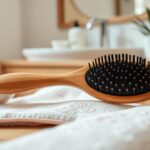
– Rinse and Dry: Rinse the bristles carefully and shake off excess water. Lay the brush flat on a towel to dry completely.
2. Round Brushes:
– Remove Hair: Similar to bristle brushes, remove hair using a comb.
– Use Alcohol: For thorough cleaning, dip a cotton ball in alcohol and wipe the barrel and bristles to remove product buildup.
– Drying: Again, lay the brush flat to let it dry completely.
3. Paddle Brushes:
– Remove Hair: Use a comb to pull out hair strands.
– Soak and Scrub: Fill a bowl with warm water and mild detergent, soak the brush for a few minutes, and scrub with a soft sponge.
– Rinse and Dry: Rinse lightly and place the brush on a towel to dry, ensuring it remains moisture-free.
Proper maintenance prolongs the life of a hair brush significantly. A brush that is cleaned regularly can function effectively for many years, reducing the need for frequent replacements. Neglecting a brush can lead to bristle wear, decreased performance, and potential hair damage due to trapped dirt and oils. A well-cared-for brush helps distribute natural oils from the scalp through the hair, enhancing shine and manageability. Additionally, maintaining your brush helps prevent the transfer of product residue or bacteria to your hair, which can lead to scalp issues or dull hair.
Common signs that indicate a hair brush needs replacement include frayed bristles, persistent odors despite cleaning, and an inability to effectively detangle or style hair. If the handle is broken or the bristles are missing, it’s time to consider getting a new brush. Understanding these signs helps in making timely replacements, ensuring your hair care routine remains effective and enjoyable.
Incorporating hair brushing into an overall hair care routine
Integrating hair brushing into your hair care routine is essential for maintaining healthy, vibrant locks. While often overlooked, brushing plays a crucial role in ensuring your hair is not only tangle-free but also nourished and well-maintained. In a comprehensive hair care regimen, brushing should complement washing and conditioning, creating a balanced approach to hair health.
Understanding the synergy between brushing, washing, and conditioning is key to maximizing the benefits of your hair care routine. When you brush your hair, you help distribute natural oils from the scalp down to the ends, promoting moisture and shine. This process is especially important when combined with washing and conditioning. For instance, brushing before washing can remove loose hair and debris, allowing the shampoo to cleanse the scalp more effectively. Additionally, during conditioning, brushing can help evenly distribute the product, ensuring that each strand receives the necessary hydration and nutrients.
Timing and frequency of brushing in relation to other hair care practices
Establishing a proper brushing schedule is vital in enhancing your overall hair care routine. By understanding when to brush your hair in relation to washing and conditioning, you can prevent damage and maintain hair health more effectively. The following points illustrate the best practices for brushing timing and frequency:
– Before Washing: Brush your hair gently before washing to remove tangles and minimize breakage during the shampooing process. This step is especially important for individuals with long or thick hair.
– After Washing: Post-wash brushing should be done cautiously. Use a wide-toothed comb or a detangling brush on damp hair to minimize damage. Start from the ends and work your way up to reduce the risk of breakage.
– Conditioning Phase: While the conditioner is in your hair, gently brush through it to ensure even distribution of the product. This can enhance the conditioning effect and lead to softer, smoother hair.
– Daily Brushing: Aim to brush your hair at least once a day. Regular brushing can help stimulate the scalp, promote blood circulation, and distribute natural oils. However, be mindful to avoid over-brushing, which can lead to split ends and breakage.
– Avoiding Wet Hair Brushing: It’s advisable to delay brushing until your hair is partially dry. Wet hair is more susceptible to damage, so be gentle during this phase.
“Regular brushing is the key to achieving healthy, lustrous hair by enhancing moisture retention and reducing tangles.”
Incorporating these practices into your routine can significantly enhance the health and appearance of your hair. By aligning your brushing habits with your washing and conditioning schedule, you can create a harmonious cycle that nurtures your hair, leaving it looking beautiful and well-cared for. Remember, the way you brush, when you brush, and how frequently you do so all play a pivotal role in your overall hair care success.
The impact of hair brushes on scalp health
The health of your scalp is crucial for maintaining vibrant hair and preventing various hair-related issues. One of the key tools that can greatly influence scalp health is the hair brush. While many people think of brushing as merely a way to detangle hair, its role in promoting scalp health is equally significant. Understanding the connection between brushing techniques and scalp care can lead to a healthier scalp and, consequently, healthier hair.
Brushing techniques play a pivotal role in maintaining scalp health. When done correctly, brushing can help distribute natural oils from the scalp throughout the hair, preventing dryness and brittleness. This process not only nourishes the hair but also keeps the scalp moisturized. Moreover, the right brushing technique can stimulate the scalp, enhancing blood circulation which is vital for hair growth. When you brush your hair, especially with a gentle touch, you create a massaging effect on the scalp. This action can increase the flow of oxygen and nutrients to hair follicles, encouraging them to produce healthier hair. Additionally, proper brushing can help remove dead skin cells and buildup from hair products, which can otherwise clog hair follicles and hinder growth.
Brushing Techniques and Scalp Stimulation
The technique you use while brushing your hair significantly impacts scalp stimulation. Gentle strokes with a high-quality brush can create a massaging effect that stimulates blood circulation. This process is essential for promoting hair growth as it increases the supply of nutrients to hair follicles. Here are some insights into effective brushing techniques and their benefits:
- Start at the scalp: Begin brushing at the scalp and work your way down to the tips. This helps in distributing natural oils and promotes circulation right from the root of the hair.
- Use a soft-bristled brush: Brushes with natural bristles are less damaging to the hair and more effective at stimulating the scalp without causing irritation.
- Brush regularly: Incorporating brushing into your daily routine can help maintain scalp health. Aim for at least a few minutes each day to reap the benefits.
The benefits of specific brushes, particularly those designed for scalp exfoliation, cannot be overstated. Brushes that contain soft, flexible bristles can help gently exfoliate the scalp, removing dead skin cells and product buildup. This exfoliation process aids in maintaining a clean and healthy scalp environment, which is conducive to hair growth. Regular exfoliation can prevent issues like dandruff and scalp irritation, leading to a healthier foundation for your hair.
“Regular brushing not only keeps your hair looking good but also plays a vital role in scalp health, ensuring that hair follicles receive the nutrients they need to thrive.”
In summary, investing time and effort into understanding the impact of hair brushes on scalp health can yield significant benefits. Proper brushing stimulates circulation, promotes hair growth, and maintains a clean scalp. By selecting the right brushes and employing effective techniques, you can enhance your overall hair care routine while ensuring your scalp remains in optimal condition.
The relationship between hair brushes and hair styling
Choosing the right hair brush is pivotal in achieving a variety of hairstyles, as brushes are designed with specific features that cater to different hair types and styling needs. Understanding the relationship between brushes and styling can enhance your overall hair care routine and elevate your styling game. The right brush not only aids in detangling but also plays an essential role in hair shaping and finishing.
The versatility of hair brushes allows you to create looks ranging from sleek straight styles to voluminous curls, simply by selecting the appropriate brush type and employing the right techniques. For instance, a round brush can be used in conjunction with a blow dryer to add volume and body to the hair. By lifting sections of hair at the roots and rolling them while applying heat, you can achieve a bouncy and full effect. Conversely, a paddle brush is ideal for achieving straighter styles, as its wide surface area allows for efficient smoothing of larger sections of hair, reducing frizz and enhancing shine.
Utilization of Brushes in Styling Techniques
Different brushes can effectively cater to diverse styling techniques, making them indispensable tools for both casual and professional hairstyling. Below are examples of how brushes can be utilized for various styles:
- Volume Creation: To create volume, use a round brush with a larger barrel and blow-dry the hair in sections. Pulling the brush through the hair while rotating it at the roots lifts the hair, giving it a fuller appearance.
- Curling: A round brush can also help in forming soft curls. By wrapping the hair around the brush and applying heat, you can produce elegant waves. The key is to hold the brush vertically and rotate it as you pull it down through the hair.
- Sleek Styles: For sleek and straight hairstyles, a flat paddle brush is your best friend. Use it in conjunction with a heat protectant and a flat iron to achieve a polished finish. The paddle brush helps to detangle while the flat iron provides the straightening effect.
Comparing brushes to other styling tools such as combs and hot tools reveals distinct advantages. Brushes generally provide more versatility in styling, as they can combine detangling with shaping in one step. While combs excel in precision and are essential for neat parting and sectioning, they lack the volumizing and curling capabilities that brushes offer. Hot tools like curling irons and straighteners are effective for specific styles, but they can cause significant heat damage over time. Employing a brush allows for a less damaging approach, especially when used with heat-protectant products and proper techniques.
“The right brush can transform your styling routine, making it easier to achieve salon-quality looks at home.”
Final Thoughts
In conclusion, a good hair brush is an indispensable ally in your hair care journey. Choosing the right brush, understanding when and how to use it, and maintaining it properly can lead to healthier hair and a more effective styling routine. By integrating the right brushing techniques into your overall hair care practices, you’ll not only achieve beautiful styles but also promote the health of your hair and scalp. So, grab your brush and let your hair shine!
Query Resolution
How often should I brush my hair?
It’s generally recommended to brush your hair at least once a day to prevent tangles and distribute natural oils.
Can brushing my hair too much cause damage?
Yes, excessive brushing can lead to breakage and damage, especially if the hair is wet. Use gentle strokes and choose the right brush for your hair type.
What is the best brush for fine hair?
A soft-bristled brush or a wide-toothed comb is best for fine hair to minimize breakage and damage while detangling.
Are natural bristle brushes better than synthetic ones?
Natural bristle brushes can be gentler and more effective at distributing oils, but synthetic brushes may be better for specific styling needs.
How do I know when to replace my hair brush?
Replace your hair brush when the bristles are worn out, or if the base is cracked or damaged, as this may lead to hair breakage.