Hair brushes play a crucial role in achieving sleek, straight locks that radiate shine and health. Whether you’re aiming for a polished look or simply want to maintain your straight hair, choosing the right brush can make all the difference. In this guide, we will explore the types of brushes available, effective brushing techniques, and essential care tips that will elevate your hair game.
From discovering the various brush types suited for straight hair to understanding the materials that enhance styling results, we’ll provide you with all the insights needed to make informed choices for your hair care routine.
Explore the different types of hair brushes suitable for straight hair
Choosing the right hair brush is essential for maintaining and styling straight hair effectively. Different types of brushes offer unique benefits, ensuring that your hair remains sleek, shiny, and healthy. Below, we explore various hair brush types that are particularly beneficial for straight hair.
Types of Hair Brushes for Straight Hair
Understanding the specific features and benefits of various hair brushes can help you select the perfect one for your straight locks. Here are three popular types of brushes:
- Paddle Brush: This wide, flat brush is designed to detangle and smooth hair efficiently. Its large surface area makes it ideal for straight hair, as it can cover more hair with each stroke, reducing styling time. Brands like Conair and Olivia Garden are known for their quality paddle brushes, which often include features like heat resistance and ergonomic handles.
- Boar Bristle Brush: Made from natural boar bristles, this brush is excellent for distributing oils from the scalp throughout the hair, enhancing shine and reducing frizz. It’s particularly beneficial for straight hair, as it helps maintain a sleek appearance. Popular brands producing boar bristle brushes include Mason Pearson and Spornette, both recognized for their durable and effective designs.
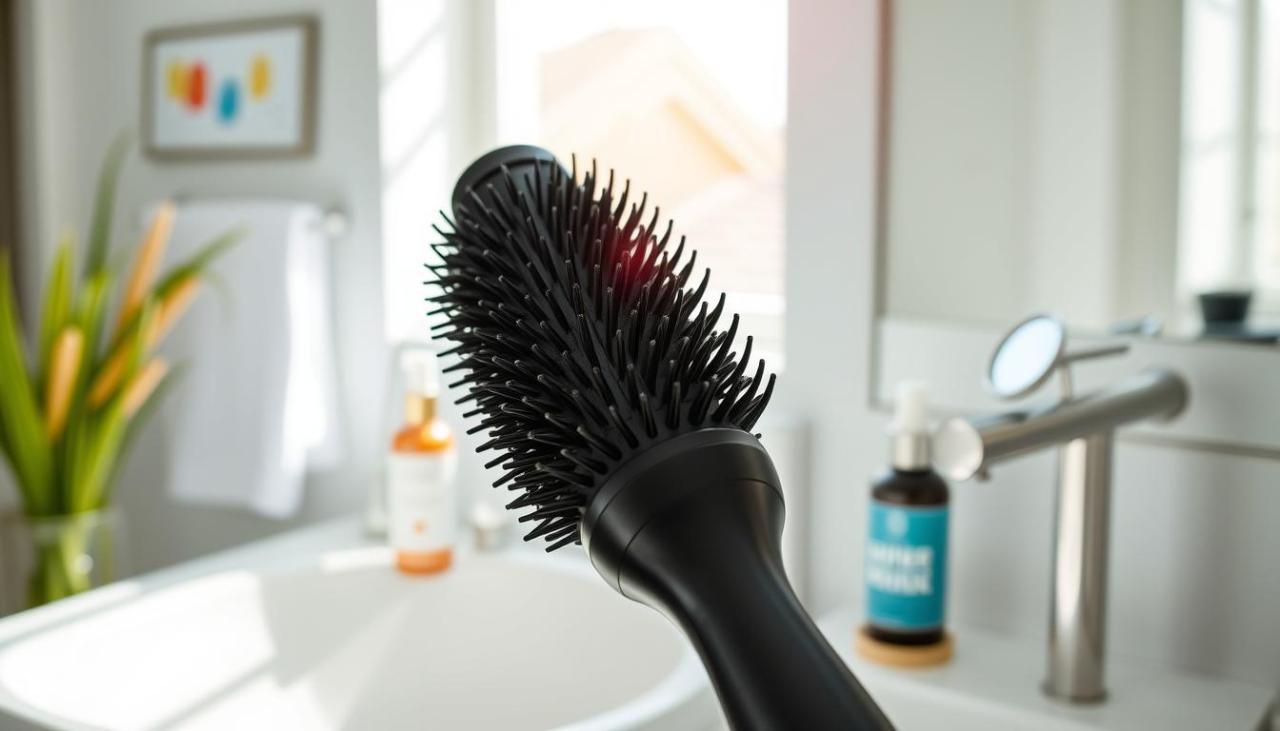
- Round Brush: A round brush is perfect for adding volume and creating soft curls or flips in straight hair. It is often used with a hairdryer to shape the hair while drying, giving a polished finish. Brands like Denman and Tangle Teezer offer various sizes of round brushes, catering to different styling needs and hair lengths.
Each of these brush types has unique features that cater specifically to straight hair, enhancing manageability and overall appearance. Whether you prefer a paddle brush for quick detangling, a boar bristle brush for shine and smoothness, or a round brush for styling versatility, there’s an option for every need.
Explain the techniques for using a hair brush effectively on straight hair
Brushing straight hair might seem simple, but there are specific techniques to ensure you do it effectively without causing damage. Straight hair can be prone to breakage and split ends if not handled correctly. Here, we’ll dive into the best practices for brushing straight hair and approaches to create that sleek, shiny look many desire.
Proper brushing techniques to avoid damage
It’s essential to understand the right way to brush straight hair to maintain its health. A few fundamental techniques include using the right brush type, avoiding excessive force, and focusing on the technique rather than speed.
- Choose the right brush: A wide-toothed comb or a natural bristle brush is ideal for straight hair. These tools minimize static and reduce breakage.
- Brush when dry: Wet hair is more fragile. Allow your hair to air dry or use a heat protectant before brushing.
- Section your hair: Divide your hair into sections. Start from the bottom and work your way up. This method helps to manage tangles without pulling on the hair.
- Use gentle strokes: Brush with light pressure and avoid tugging. If you encounter a knot, gently work through it with your fingers first.
Tips for achieving a sleek and shiny look
To achieve that glossy finish, it’s vital to follow a few additional tips that incorporate both brushing techniques and hair care practices. A combination of effective brushing and the right hair products will enhance your straight hair’s shine.
- Apply a leave-in conditioner: This helps to nourish your hair while brushing, making it smoother and shinier.
- Use a shine serum: A few drops of serum can be applied before or after brushing to enhance the glossy look.
- Brush in the right direction: Always brush from the roots to the ends to distribute natural oils evenly throughout your hair.
- Incorporate a finishing spray: A light finishing spray can lock in shine and provide a sleek finish.
Step-by-step guide on how to brush straight hair correctly
Following a structured method for brushing straight hair can significantly improve both appearance and health. Here’s a straightforward guide that Artikels each step.
- Start with clean hair: Ensure your hair is clean and dry before brushing. This helps reduce the risk of damage.
- Detangle gently: Use your fingers to detangle any knots, starting from the ends and moving toward the roots.
- Divide and conquer: Section your hair into manageable parts to make brushing easier. Secure the upper sections with clips.
- Brush the ends first: Begin by brushing the ends of each section, gradually moving up toward the roots.
- Focus on shiny strokes: Use smooth, even strokes. Avoid rushing through the process to prevent tugging.
- Repeat for all sections: Continue this method for all sections until your entire head is brushed.
Discuss the importance of hair brush materials and their impact on straight hair
Choosing the right hair brush for straight hair goes beyond just aesthetics; the materials used in hair brushes significantly influence the health and appearance of your hair. Different materials can either enhance or hinder the styling process, making it essential to understand the various options available and their implications on straight hair types.
The material of a hair brush affects its ability to glide through hair, distribute natural oils, and minimize damage. Common materials used in hair brushes include plastic, wood, metal, and natural bristles, each offering unique benefits and drawbacks based on hair texture and styling needs.
Comparison of Hair Brush Materials
Understanding the differences between brush materials is crucial for optimal hair care. Here’s a breakdown of popular materials and their effects on straight hair:
- Plastic: Lightweight and affordable, plastic brushes often have flexible bristles that can be suitable for daily use. However, they can generate static electricity, which may not be ideal for straight hair that tends to frizz.
- Wood: Wood brushes are known for their durability and ability to distribute oils evenly throughout the hair. They can help reduce frizz and add shine, making them a great option for straight hair.
- Metal: Often used in styling brushes, metal can heat up quickly when blow-drying. While they can speed up the drying process, caution is needed to avoid overheating and damaging the hair. They’re best used in conjunction with heat protection products.
- Natural Bristles: Brushes made from boar or other natural materials are excellent for straight hair as they help to smooth the cuticle and reduce frizz. They also effectively distribute natural oils, promoting shine and health.
Preferred Materials Based on Hair Type
When selecting a hair brush, the material should align with the specific needs of your hair type. Here’s why certain materials are preferred for specific hair types:
- Straight Hair: Natural bristle brushes are recommended as they help in smoothing and enhancing the natural shine of straight hair without causing static.
- Wavy Hair: A paddle brush with a combination of plastic and natural bristles can help detangle while maintaining the hair’s natural texture.
- Curly Hair: Wide-toothed combs or brushes with flexible bristles are often best, as they prevent breakage and allow for gentle detangling without disrupting curl patterns.
Choosing the Right Material Based on Hair Texture
Selecting the right brush material is vital for maintaining healthy straight hair. Consider these factors when choosing a brush:
- Hair Thickness: For fine straight hair, opt for a brush with soft, flexible bristles to prevent breakage. Coarser hair may benefit from a sturdier brush that can handle more tension.
- Scalp Sensitivity: If you have a sensitive scalp, choose brushes with rounded tips or natural bristles to avoid irritation.
- Styling Goals: If you’re aiming for a sleek, polished look, a combination of natural bristles and a wooden base can help achieve that shine without frizz.
The right hair brush can make a world of difference in both styling and maintaining the health of straight hair.
Describe the maintenance and care required for hair brushes used on straight hair
Taking care of your hair brushes is essential for maintaining healthy straight hair. The right maintenance ensures that your brushes do not harbor dirt and residue, which could affect the quality of your styling and hair health. A clean brush not only helps in achieving smoother results but also prolongs the life of the brush itself.
Cleaning hair brushes regularly is important, especially for those that are used on straight hair. Different types of hair brushes, such as paddle brushes, round brushes, and vent brushes, have unique cleaning needs. The basic cleaning process involves removing hair caught in the bristles, followed by washing the brush to eliminate product buildup and oils. Here’s how to care for different types of brushes effectively:
Cleaning process for different types of hair brushes
The cleaning process may vary depending on the material and type of the brush. Below are effective methods for different brush types:
- Paddle Brushes: Start by using a comb or another brush to remove trapped hair. Then, fill a bowl with warm water and a few drops of mild shampoo. Swirl the paddle brush in the soapy water, ensuring the bristles are submerged, but be cautious not to soak the entire brush, especially if it has a wooden handle. Rinse with clean water and allow it to air dry bristle-side down.
- Round Brushes: Similar to paddle brushes, use a comb to remove hair first. Prepare the soapy water solution and carefully clean around the bristles. Take care to avoid submerging the entire brush. Once cleaned, rinse it thoroughly and let it dry upright.
- Vent Brushes: These brushes dry more quickly due to their design. Remove hair as usual, then run the brush under warm water while using a small amount of shampoo to clean the bristles. Rinse thoroughly and place it bristle-side down to dry.
Frequency of cleaning and best products to use
The frequency of cleaning your hair brushes is crucial for maintaining optimal performance. It’s recommended to clean your brushes at least once a month, but if you use styling products frequently, a bi-weekly cleaning might be necessary. Use a gentle, sulfate-free shampoo or a brush cleaning solution for best results. Look for products that are specifically designed for cleaning hair tools, as they tend to be more effective in breaking down oil and residue.
Regular cleaning of hair brushes can prevent buildup and improve your styling results.
Storage tips to prolong hair brush lifespan
Proper storage of hair brushes is essential for extending their life and maintaining performance. Here are some effective storage tips:
- Store brushes in a dry, cool place to prevent moisture damage and to maintain their shape.
- Avoid placing brushes in drawers or boxes where they can become tangled or damaged. Instead, use a holder or a dedicated storage container.
- Keep bristles protected by storing brushes with bristles facing up or down, never sideways, to avoid bending or breaking them.
Analyze the role of hair brushes in achieving a professional salon finish for straight hair
Hair brushes play a crucial role in achieving that coveted professional salon finish for straight hair. The right brush not only aids in the styling process but also enhances the overall appearance of the hair, making it smooth, shiny, and healthy-looking. Understanding the significance of various brushes can help individuals achieve similar results at home that they would typically expect from a salon.
Using the right brush contributes significantly to achieving a salon-quality look. For straight hair, brushes designed specifically for smoothing and detangling can make a notable difference. These brushes often feature bristles that distribute natural oils from the scalp along the hair shaft, which aids in minimizing frizz and imparting a glossy finish. A professional stylist often uses techniques such as tension and sectioning when brushing, allowing for more control over the styling process and ensuring that each strand is treated with care.
Differences between at-home brushing and professional techniques
At-home brushing techniques often lack the refinement found in professional settings. Professionals utilize specialized techniques and tools that maximize hair health and appearance.
- Technique: Salon professionals typically use tension and controlled strokes, which help to straighten and smooth the hair effectively. They might section the hair to ensure even distribution of heat and product.
- Brush selection: Professionals choose brushes based on hair type, length, and desired outcome. This includes round brushes for added volume or paddle brushes for straightening.
- Heat application: Stylists often combine brushing with blow-drying techniques, ensuring that the brush works in tandem with heat tools for a polished finish.
The difference in results can be quite striking; while at-home brushing may focus on simply detangling, salon techniques aim to achieve a finished look that is sleek and polished.
Salon-grade brushes effective for straight hair
When it comes to achieving a salon-quality finish, the choice of brush is paramount. Here are examples of salon-grade brushes that are particularly effective for straight hair:
- Boar Bristle Brush: Known for its ability to distribute natural oils, this brush helps to smooth the hair while adding shine. It’s ideal for straight hair as it reduces frizz and enhances overall texture.
- Paddle Brush: Perfect for detangling and smoothing out straight hair, this brush is designed to cover a larger surface area, making it excellent for blow-drying and styling.
- Round Brush: This brush is used for creating volume and shape. It is particularly effective for straightening hair with a blow dryer, as it can create soft curls at the ends while maintaining straightness at the roots.
By investing in quality brushes and adopting professional techniques, anyone can elevate their hair game and achieve that salon-finish look right at home.
Identify common mistakes people make when using hair brushes on straight hair
Using a hair brush may seem straightforward, but many people make mistakes that can lead to frustrating results, especially when styling straight hair. Understanding these common errors can help you achieve smoother, shinier, and healthier-looking locks. Let’s dive into some of the frequent mistakes people make and how to correct them for better hair care practices.
Common Errors in Brushing Straight Hair
Mistakes in brushing techniques can seriously affect the health and appearance of straight hair. Here are five common errors along with their consequences and solutions:
- Brushing Wet Hair: Many individuals brush their hair when it is still wet, which can lead to breakage and split ends. Dry hair is more resilient, while wet hair is fragile.
- Using the Wrong Brush Type: Using a brush that doesn’t suit your hair type can cause tangling and damage. For straight hair, a paddle brush or a wide-toothed comb is often ideal.
- Brushing from Roots to Ends: Starting at the roots can create tangles and stress the hair. It’s better to brush from the ends upward to remove tangles gradually.
- Not Cleaning Your Brush: A dirty brush collects oil, dust, and product residue, which can lead to unhealthy hair. Regular cleaning is key for maintaining healthy hair.
- Brushing Too Hard: Applying excessive force while brushing can damage hair cuticles and lead to frizz. Gentle strokes are more effective for straight hair.
Solutions for Common Brushing Mistakes
It’s important to implement corrective measures to avoid these mistakes. Here are solutions that can improve your brushing technique:
- Brush Dry Hair: Always brush hair when it is dry or at least mostly dry. If you must detangle, use a wide-toothed comb and start from the tips.
- Choose the Right Brush: Invest in a quality paddle brush or a boar bristle brush which is designed for straight hair to minimize tugging.
- Brush from Ends to Roots: Begin brushing from the ends and work your way up to the roots. This technique helps eliminate knots without causing breakage.
- Regularly Clean Your Brush: Make it a habit to clean your hairbrush every few weeks. Remove hair strands and wash the bristles to keep it in good condition.
- Use Gentle Pressure: Use light strokes when brushing. This reduces the risk of damaging your hair and keeps it looking smooth and sleek.
Anecdotes on Improving Brushing Techniques
Many individuals have seen significant improvements in their hair’s health by simply adjusting their brushing techniques. For instance, Sarah, a long-time user of a round brush, switched to a paddle brush and started brushing from the ends. She noticed her hair became less frizzy and more manageable. “I was shocked at how much smoother my hair felt,” she shared.
Similarly, James, who often brushed his hair when it was wet, learned to wait until it dried. He experienced fewer split ends and noticed a shinier appearance. “It’s amazing how just changing my routine made such a difference,” he recalled.
These anecdotes highlight the importance of proper brushing techniques. With a few adjustments, anyone can enhance the health and appearance of their straight hair.
Create a guide for selecting the best hair brush for your hair type and styling goals
Selecting the right hair brush is crucial for achieving the desired look while maintaining the health of your hair. With a myriad of options available, understanding which brush suits your hair type and styling goals can make a significant difference in your daily hair care routine. This guide will help simplify the selection process by presenting a comparison of hair brush types based on hair texture, styling needs, and other essential factors.
Comparison of Hair Brush Types Based on Hair Texture and Styling Needs
Choosing the right hair brush involves understanding how different brush types interact with various hair textures. The following chart provides a breakdown of brush types and their suitability for different hair types:
| Hair Brush Type | Best For | Styling Goals |
|---|---|---|
| Paddle Brush | Straight, Thick Hair | Smoothing, Detangling |
| Round Brush | Wavy, Curly Hair | Volume, Curling |
| Vent Brush | Fine, Straight Hair | Quick Drying, Volume |
| Boar Bristle Brush | All Hair Types | Shine, Distribution of Oils |
| Teasing Brush | All Hair Types | Volume, Texture |
Considering the characteristics of each brush type helps in aligning them with your specific hair needs. For example, a paddle brush is excellent for straight, thick hair as it can smooth and detangle without causing breakage.
Factors to Consider When Making a Selection
When selecting a hair brush, it’s essential to account for your hair length and thickness. Here are key factors to keep in mind:
– Hair Length: Longer hair typically requires a wider brush to cover more area, while shorter hair can benefit from smaller, more precise brushes. A paddle brush is ideal for long hair, while a small round brush can be effective for bobs and pixies.
– Hair Thickness: Thicker hair may need a sturdier brush with strong bristles that can withstand the tension, while finer hair benefits from softer bristles that gently grip the strands without causing damage.
– Hair Texture: Straight, wavy, and curly hair all react differently to brushes. Curly hair often requires a wide-tooth comb or a detangling brush to minimize frizz, while straight hair can be smoothed with a paddle brush.
Understanding your hair’s unique characteristics enables a better choice of tool, leading to healthier styling practices.
Influence of Lifestyle on Hair Brush Choice
Lifestyle factors can significantly impact the choice of hair brush. For those with a busy schedule, a vent brush may be ideal for quick drying and styling on-the-go. If you frequently style your hair with heat tools, investing in a high-quality round brush that can withstand heat will be beneficial. Additionally, if you engage in outdoor activities or swim often, a brush that can easily detangle without causing breakage will help preserve your hair’s integrity. Taking into account how often you style your hair, your daily routine, and your overall hair care philosophy will guide you toward the best brush for your needs.
Share insights on the latest trends in hair brushes for straight hair
The landscape of hair care has seen remarkable transformations recently, particularly in the realm of hair brushes designed for straight hair. With innovative designs and advanced technologies, these brushes are not just tools; they are game-changers in how individuals manage and style their hair. This evolution reflects a growing emphasis on efficiency, hair health, and user experience.
As consumers become more discerning, brands are innovating to meet their needs. Trending hair brushes now feature advancements that enhance performance and cater to different hair types, particularly for those seeking sleek, straight locks. The integration of technology in brush design has paved the way for various features that improve the styling process while reducing damage.
Innovations in Brush Design and Technology
The latest hair brushes for straight hair incorporate several cutting-edge innovations that set them apart from traditional options. These advancements enhance not only the styling process but also the overall health of the hair. Key innovations include:
- Heat Technology: Many new brushes, such as heated straightening brushes, combine the benefits of a brush and a flat iron. For example, the Revamp Progloss brush uses a unique combination of ionic technology and heat to smooth the hair cuticle, ensuring a sleek finish while minimizing heat damage.
- Flexible Bristles: Brushes featuring flexible bristles, like the Tangle Teezer, are designed to glide through hair without tugging or pulling. This design is particularly beneficial for maintaining the integrity of straight hair and preventing breakage.
- Ergonomic Design: New handles are designed for comfort and ease of use. The Olivia Garden brushes, for instance, feature a lightweight design that reduces wrist strain, allowing for effortless styling sessions.
- Self-Cleaning Mechanisms: Some brushes now feature self-cleaning properties, such as the Dyson Airwrap, making maintenance simple and effective, ensuring that users can keep their tools in top condition without the hassle.
The integration of these features not only streamlines the styling process but also promotes healthier hair. Users are increasingly attracted to products that combine functionality with user-friendly designs, leading to a shift in purchasing behavior towards more technologically advanced brushes.
Trending Brushes and Their Unique Features
In the current market, certain brushes have emerged as standout products due to their unique characteristics and effectiveness in styling straight hair. These brushes are popular for their ability to deliver results efficiently and safely.
- GHD Glide Hot Brush: This brush utilizes ceramic technology to heat up quickly and deliver consistent heat, which effectively straightens hair while minimizing frizz. Its unique oval shape allows for both smoothing and volume at the roots.
- BaBylissPRO Nano Titanium Brush: Renowned for its ultra-lightweight design and titanium bristles, this brush offers excellent heat conduction, making it ideal for achieving sleek, shiny straight hair.
- Herstyler Heated Brush: With adjustable heat settings, this innovative tool caters to various hair types and textures, ensuring that users can achieve their desired straightening results without excessive heat exposure.
These trending brushes are shaping the way individuals approach their hair styling routines. The willingness of brands to incorporate user feedback and respond to the changing needs of consumers is leading to an era of personalized hair care solutions.
Changing Styling Approaches for Straight Hair
The introduction of these innovative brushes has significantly altered how people style their straight hair. The ease of use and effectiveness of modern brushes mean that individuals can achieve salon-quality results at home, often in less time than traditional methods.
The focus on health-conscious styling tools has also encouraged a shift towards embracing natural hair textures while still providing the means to achieve a polished look when desired. As a result, many users are now more inclined to experiment with their styling routines, incorporating these advanced tools to enhance their hair care regimen.
With the ongoing trend towards innovation, the hair brush market continues to evolve, promising even more exciting developments in the future. The blend of technology, design, and user experience will likely drive the next wave of products aimed at making straight hair styling more efficient and enjoyable.
Closing Summary
In conclusion, understanding the importance of the right hair brush for straight hair is essential for achieving that salon-worthy style at home. By applying the techniques and knowledge shared in this guide, you can enjoy healthier, shinier hair while avoiding common mistakes. Ultimately, investing in the right tools and care can transform not just your hair, but your overall confidence in your styling abilities.
Quick FAQs
What type of brush is best for fine straight hair?
A soft-bristle brush or a wide-tooth comb is ideal for fine straight hair as it minimizes breakage and allows for gentle detangling.
How often should I clean my hair brush?
It’s best to clean your hair brush every 1-2 weeks to remove hair product buildup and dirt.
Can a hair brush damage straight hair?
Yes, using the wrong type of brush or improper techniques can lead to breakage and damage. Always choose a brush suited for your hair type and use gentle strokes.
Is it better to brush straight hair wet or dry?
It’s generally better to brush straight hair when it’s dry to prevent breakage; however, if you need to detangle, use a wide-tooth comb on wet hair.
Do all hair brushes work for straight hair?
No, not all brushes are created equal. It’s important to choose a brush designed for straight hair to achieve the best results.