 Piper Sylvia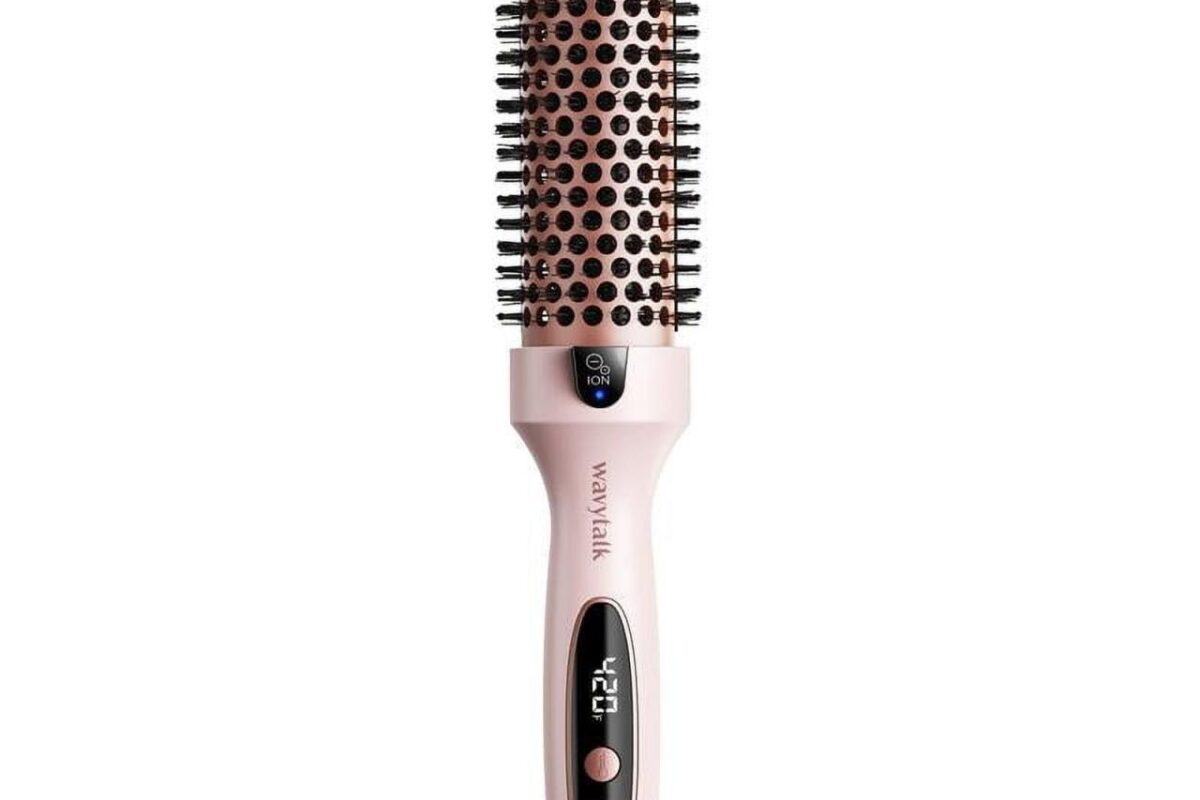
How to use a thermal brush, a tool that combines the best of both worlds—heat styling and brushing—offers a unique approach to achieving salon-quality hair at home. With various types and heat settings available, mastering this tool can elevate your hairstyling game significantly.
Understanding the fundamentals, from the components of a thermal brush to the best practices for preparing your hair, sets the stage for successful styling. Whether you’re aiming for sleek strands or voluminous waves, knowing how to effectively utilize a thermal brush can make all the difference in your results.
Understanding the Basics of a Thermal Brush
A thermal brush is an essential tool in the hairstyling arsenal, designed to help create a variety of looks with ease and efficiency. Combining the functionality of a traditional brush with the heat of styling tools, thermal brushes can smooth, volumize, and curl hair, making them versatile for different hair types and styles. Understanding the components, types, and settings of thermal brushes is crucial to achieving optimal results in hairstyling.
The main components of a thermal brush include the barrel, bristles, and handle. The barrel is typically made from materials such as ceramic or tourmaline, which heat up quickly and evenly, allowing for effective styling. The bristles, which can be made from nylon, boar hair, or a mix, help grip the hair while distributing heat evenly. The handle is designed for comfort and control, ensuring that stylist or user maneuvers the brush with ease during styling sessions.
Types of Thermal Brushes
There are several types of thermal brushes available in the market, each featuring unique characteristics that cater to different styling needs. Understanding these types can help users select the right brush for their hair type and desired style:
- Round Thermal Brushes: Ideal for adding volume and creating curls, these brushes come in various sizes. Smaller barrels can produce tighter curls, while larger barrels are perfect for loose waves.
- Straightening Thermal Brushes: These brushes are designed with comb-like bristles that help straighten hair while simultaneously applying heat. They are perfect for those looking for a quick and efficient way to achieve sleek locks.
- Vent Thermal Brushes: Featuring widely spaced bristles, vent brushes allow for maximum airflow, helping hair dry faster while styling. They are excellent for creating soft curls and waves.
- Flat Thermal Brushes: These brushes resemble paddle brushes and are great for straightening hair. They provide a wider surface area that makes it easy to style larger sections of hair at once.
Heat Settings and Their Influence on Styling Results
The heat settings on thermal brushes significantly influence the outcome of the styling process. Different hair types and styles require varying levels of heat to achieve the desired results. The importance of understanding these settings cannot be overstated, as using the wrong temperature can lead to damage or ineffective styling.
Typically, thermal brushes feature multiple heat settings ranging from low to high. Lower settings (around 250°F) are suitable for fine or damaged hair, as they minimize the risk of overheating. Medium settings (around 350°F) work well for normal hair, allowing for professional results without excessive heat. Higher settings (450°F) are best reserved for thick or coarse hair that can withstand the heat, making it easier to achieve sleek and straight styles.
“Using the appropriate heat setting not only ensures better styling results but also protects the integrity of your hair.”
Understanding the relationship between heat settings and hair types can aid individuals in achieving beautiful results while maintaining hair health and vitality. Selecting the right thermal brush type and heat setting can transform routine styling into an enjoyable and effective experience.
Preparing Your Hair for Styling with a Thermal Brush
Before diving into the styling process with a thermal brush, it’s crucial to prepare your hair properly. This preparation ensures that you achieve the desired results while minimizing heat damage and maintaining hair health. A little time spent on preparation can make a significant difference in the final outcome of your hairstyle.
To achieve optimal results when using a thermal brush, follow these essential steps. Properly preparing your hair not only enhances its appearance but also safeguards it against potential heat damage. Using the right products and techniques can make the styling process smoother and more effective.
Steps to Prepare Your Hair
Start by ensuring your hair is clean and free from any buildup that could interfere with styling. Here are the steps to follow:
1. Wash and Condition: Use a sulfate-free shampoo and a nourishing conditioner to clean your hair. This helps remove dirt and excess oils while keeping your hair hydrated.
2. Towel Dry: Gently towel-dry your hair to remove excess moisture. Avoid rough drying, which can lead to frizz and damage.
3. Apply Heat Protectant: Choose a high-quality heat protectant spray or serum. This product forms a barrier against heat, reducing the risk of damage and allowing your hair to shine. Look for ingredients like argan oil or silicones that help smooth the hair cuticle.
4. Detangle Your Hair: Use a wide-tooth comb or a detangling brush to remove any knots. Start from the ends of your hair and work your way up to avoid breakage.
Choosing the Right Products
Using the right styling products can elevate your thermal styling game. Consider the following options to protect your hair and enhance its look:
– Heat Protectant Spray: Essential for shielding your hair from high temperatures, a good heat protectant should be lightweight and non-greasy.
– Leave-In Conditioner: This adds moisture and softness, making it easier to style and manage your hair.
– Styling Creams or Mousses: Depending on your desired look, these products can provide hold, volume, or texture. Choose one that complements your hair type.
Before using a thermal brush, ensure your hair is properly hydrated and protected. This will not only enhance the styling results but also retain the health of your hair.
Techniques for Sectioning Hair
Effective sectioning can significantly streamline the styling process. Here’s how to section your hair properly:
– Divide by Quadrants: Start by parting your hair down the middle, then section each half into two parts. This creates four quadrants, making it easier to manage.
– Use Clips: Secure each quadrant with a hair clip. This prevents unstyled hair from getting in the way while you work on each section.
– Work in Small Sections: Take small subsections from each quadrant for styling. Smaller sections allow for better heat distribution and more defined results.
– Adjust Based on Hair Thickness: For thicker hair, you may need to make even smaller sections to ensure that the heat penetrates evenly.
By following these steps, you can effectively prepare your hair for styling with a thermal brush, ensuring that your results are not only beautiful but also safe for your hair’s integrity.
Techniques for Using a Thermal Brush Effectively
Using a thermal brush can transform your hair styling routine, providing you with the ability to create various looks with ease. Mastering the techniques associated with a thermal brush not only enhances styling efficiency but also ensures your hair maintains its health and shine. Understanding the correct hold, movement, and tension will lead to stunning results.
Correct Hold and Movement of the Thermal Brush
Proper technique begins with the way you hold the thermal brush. Grasp the handle firmly but not too tightly, allowing for a fluid movement as you style. It’s important to use your wrist, not just your arm, to maneuver the brush. This flexibility aids in creating soft waves or smooth strands.
When moving the brush through your hair, start at the roots and work your way down to the tips, ensuring that the bristles make contact with the hair for even heat distribution. A smooth, rotating motion will help in wrapping hair around the barrel, providing a polished finish.
The Role of Tension in Achieving Smooth and Voluminous Hair
Tension plays a crucial role in the styling process with a thermal brush. The right amount of tension allows the brush to grip the hair firmly, which is essential for smoothness and volume. Too little tension can result in a lack of definition, while too much can cause breakage and frizz.
To achieve optimal tension:
- Section your hair into manageable parts, ensuring that each section is not too thick.
- Hold the hair taut with one hand while guiding the thermal brush with the other.
- Adjust the tension based on the desired outcome—less for waves and more for straightening.
Step-by-Step Guide for Different Hairstyles Achievable with a Thermal Brush
Creating various hairstyles with a thermal brush is straightforward when you follow a step-by-step approach. Below are some popular styles you can achieve:
Smooth and Straight Hair
1. Start with clean, dry hair.
2. Divide your hair into sections, securing the upper layers with clips.
3. Begin with the lower sections, applying a heat protectant before styling.
4. Place the thermal brush at the roots, pulling it downwards while rotating slightly.
5. Continue this motion until the entire section is smooth.
Soft Waves
1. Prep your hair with a light styling mousse for texture.
2. Divide your hair into sections.
3. For each section, wrap the hair around the thermal brush and hold for a few seconds.
4. Release the hair and let it cool to set the wave.
5. Repeat until all sections are styled, then gently tousle with fingers for a natural look.
Volume at the Roots
1. Start with slightly damp hair for better hold.
2. Use a volumizing spray before styling.
3. Section off the top layer of hair.
4. Place the thermal brush at the roots and lift, maintaining tension as you rotate the brush.
5. Hold for a few seconds, then release. This technique adds height and fullness around the crown.
The right techniques with a thermal brush can drastically change your hair’s look and health.
Common Mistakes to Avoid When Using a Thermal Brush
Using a thermal brush can be a game-changer in your styling routine, but it’s easy to make mistakes that can lead to less-than-desired results or even damage your hair. Understanding common pitfalls and how to avoid them is key to mastering this tool. This section highlights frequent errors made during thermal brushing, the significance of temperature settings, and tips to protect your hair while achieving gorgeous styles.
Frequent Errors in Thermal Brush Usage
Several common mistakes can hinder the effectiveness of a thermal brush and potentially harm your hair. Recognizing these errors can lead to better styling results and healthier hair.
- Overusing heat can cause irreversible damage. Continuous high temperatures strip hair of moisture, resulting in dryness and brittleness. It’s crucial to limit the use of high heat settings and to take breaks between uses.
- Brushing wet hair with a thermal brush is a significant mistake. Hair is weakest when wet, and using heat on damp hair can lead to breakage. Always ensure your hair is completely dry before styling.
- Failing to section hair properly can lead to uneven styling. Working with small, manageable sections ensures that the heat is evenly distributed and that each strand gets the attention it needs for optimal results.
- Rushing the brushing process can lead to poor results. Taking your time allows for better control and a smoother finish. Aim for steady, deliberate strokes to create the desired look.
Importance of Temperature for Different Hair Types
Choosing the right temperature for your specific hair type is crucial to achieving the best results without causing damage. Different hair textures react differently to heat, and adjusting the temperature accordingly can make a significant difference.
- Fine or damaged hair typically requires lower heat settings, around 250°F to 300°F (120°C to 150°C). High temperatures can cause further damage and lead to split ends.
- Normal or medium-textured hair can generally handle moderate heat, between 300°F to 350°F (150°C to 180°C). This range helps to achieve a good balance of styling without excessive risk of damage.
- Thick or coarse hair often benefits from higher heat settings, around 350°F to 400°F (180°C to 200°C). These temperatures can effectively smooth out the hair while minimizing frizz.
Tips to Prevent Thermal Damage
While achieving beautiful styles is important, protecting your hair from thermal damage should be a priority. Here are some tips to guard your locks while still enjoying the benefits of a thermal brush.
- Always apply a heat protectant spray or serum before styling. This creates a barrier that helps shield the hair from high temperatures and minimizes potential damage.
- Avoid using the thermal brush on the same section of hair repeatedly. Instead, brush gently through each section once or twice, allowing the heat to do its job without excessive exposure.
- Incorporate regular deep conditioning treatments into your hair care routine. These treatments help restore moisture and repair any damage caused by heat styling.
- Limit the frequency of thermal styling to reduce cumulative damage. Opt for heat-free styles on alternate days to give your hair a break and promote its health.
Maintaining Your Thermal Brush for Longevity
Proper care for your thermal brush is essential for extending its lifespan and ensuring it continues to perform at its best. Regular maintenance not only keeps your brush clean but also enhances your styling experience, making sure that each use is effective and efficient. In this section, we will cover the essential steps to clean and care for your thermal brush, signs that it’s time to replace it, and the best practices for storing it safely.
Cleaning and Caring for Your Thermal Brush
To maintain the quality of your thermal brush, regular cleaning is necessary. Build-up from hair products, oils, and hair can affect its performance and lead to damage over time. Here’s how to properly clean and care for your thermal brush:
1. Remove Hair Strands: After each use, take a comb or your fingers to remove any hair strands caught in the bristles. This prevents tangling and ensures that the brush works effectively during your next styling session.
2. Soak in Warm Soapy Water: Once a week, fill a bowl with warm water and add a few drops of mild shampoo. Soak the brush for about 10-15 minutes to loosen any product residue.
3. Use a Soft Brush: After soaking, gently scrub the bristles with a soft toothbrush or a small cleaning brush to remove any remaining build-up. Be cautious not to damage the bristles while scrubbing.
4. Rinse Thoroughly: Rinse the brush under running water to wash away any soap and loosened residue. Ensure no soap remains, as it can cause build-up when drying.
5. Dry Properly: Shake off excess water and lay the brush on a clean towel to air dry completely before storing it away. Avoid using heat to dry the brush, as this can warp the materials.
Signs It’s Time to Replace Your Thermal Brush
Even with proper care, thermal brushes have a finite lifespan. It’s important to recognize the signs indicating that it’s time to invest in a new brush. Some of these signs include:
– Worn-Out Bristles: If the bristles are frayed, bent, or missing, they won’t grip hair effectively, impacting your styling results.
– Heat Damage: Signs of heat damage can include discoloration or warping of the brush barrel. If the surface feels rough or sticky, it may no longer be safe to use.
– Loose Components: If the head of the brush feels loose or wobbly, it may not perform as intended and can cause discomfort during styling.
– Inconsistent Results: If you notice that your brush is no longer providing the volume or smoothness it once did, it might be time for a replacement.
Storing Your Thermal Brush Safely
Proper storage of your thermal brush is crucial to prevent damage when it’s not in use. Here are some effective storage tips to ensure your brush stays in top condition:
– Use a Brush Holder: Invest in a brush holder or organizer to keep your brushes upright and separated. This prevents the bristles from being crushed or bent.
– Avoid High Temperatures: Store your brush in a cool, dry place away from direct sunlight and heat sources. Excessive heat can warp the materials and damage the brush.
– Keep Away from Moisture: Keep your brush in a moisture-free environment, as humidity can lead to mold or mildew build-up.
– Cover the Bristles: If possible, use a protective cover or sleeve to shield the bristles from dust and debris.
By following these guidelines, you can ensure that your thermal brush remains functional and effective for a long time, giving you the best results with your styling routine.
Comparing Thermal Brushes to Other Styling Tools
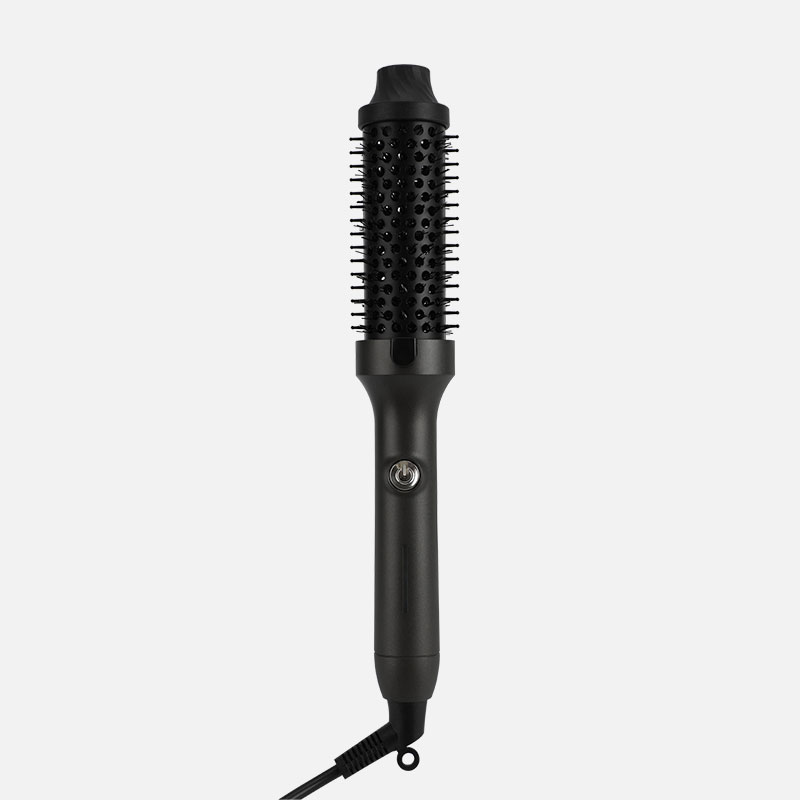
When it comes to hairstyling, various tools are available, each serving its unique purpose. Understanding the distinctions between these tools, particularly thermal brushes and traditional styling implements, can help you achieve the desired look more efficiently. This section will explore the differences between thermal brushes and other popular styling tools, showcasing their advantages and potential for combination.
Differences Between Thermal Brushes and Traditional Round Brushes
Thermal brushes and traditional round brushes are both essential for styling, yet they offer different benefits. Traditional round brushes are designed primarily for smoothing and volumizing hair while blow-drying. They rely on the airflow from a blow dryer to style the hair, which can be effective but may take more time and effort. Conversely, thermal brushes integrate heated elements, allowing them to style hair more quickly and effectively by combining heat and tension.
- Heat Generation: Thermal brushes emit heat, which helps to set styles faster compared to traditional round brushes that rely solely on ambient air.
- Material Differences: Thermal brushes often feature ceramic, tourmaline, or metal materials that distribute heat evenly, while traditional brushes typically use plastic or boar bristles.
- End Result: The combination of heat and brush action from thermal brushes can create smoother, shinier results, reducing frizz and flyaways compared to traditional methods.
Advantages of Using a Thermal Brush Over Flat Irons or Curling Wands
While flat irons and curling wands are popular for straightening and curling hair, thermal brushes provide distinct advantages that can make them preferable for certain styles and hair types.
- Versatility: Thermal brushes can create volume, waves, or curls, offering a multi-functional styling tool compared to flat irons that primarily straighten hair.
- Ease of Use: Thermal brushes are often more user-friendly for beginners, as the brushing action simplifies the styling process compared to the precise technique needed with flat irons or curling wands.
- Less Heat Damage: With the ability to style hair while simultaneously brushing, thermal brushes can reduce the exposure time to heat, minimizing potential damage.
Combining Thermal Brushes with Other Styling Tools
For enhanced styling results, thermal brushes can be effectively combined with other tools. This synergy can create versatile styles while maintaining hair health.
- With Blow Dryers: Using a thermal brush with a blow dryer allows for efficient styling, combining heat and airflow for quicker results.
- With Styling Products: Applying serums or sprays before using a thermal brush can enhance hold and shine, creating a more polished look.
- With Curling Irons: For added definition, a thermal brush can be used to smooth hair before curling with an iron, ensuring a sleek foundation for curls.
Troubleshooting Common Issues When Using a Thermal Brush
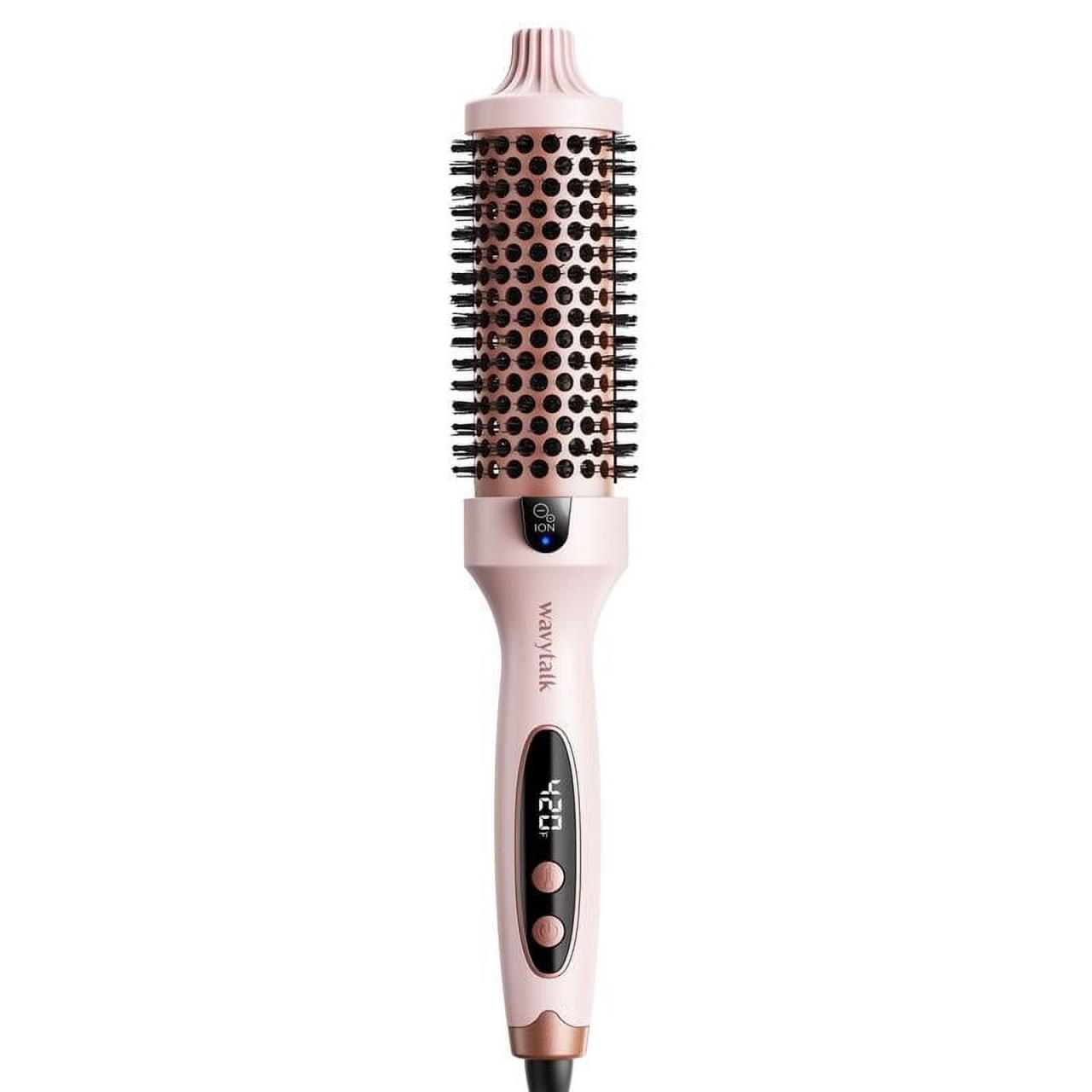
Using a thermal brush can revolutionize your styling routine, but it’s not uncommon to encounter a few hiccups along the way. Understanding common issues and their solutions can help you achieve that salon-quality finish from the comfort of your home. This section delves into the typical styling problems and provides actionable solutions to ensure your thermal brushing experience is smooth and satisfying.
Common Styling Problems and Solutions
Styling with a thermal brush can present several challenges. Recognizing these issues and knowing how to address them can make a significant difference in your final look. Below is a list of common problems you may face and their respective solutions:
- Lack of Volume: If your hair falls flat after styling, try using a volumizing spray before applying heat. Additionally, ensure you’re lifting sections at the roots while brushing for added lift.
- Uneven Curl Definition: To achieve consistent curls, ensure you’re wrapping your hair tightly around the barrel and holding it for an adequate amount of time. Practice different wrapping techniques to find what works best for your hair type.
- Overheating: If you notice smoke or a burning smell, your brush may be too hot. Adjust the temperature setting to better suit your hair type and avoid damaging your strands.
- Knots or Tangles: Always brush through your hair to remove tangles before using a thermal brush. Sectioning your hair into manageable parts can also help in reducing tangling during styling.
Adjusting Technique for Desired Results
Achieving your desired results with a thermal brush often requires fine-tuning your technique. If you find that the outcome isn’t quite what you envisioned, consider the following adjustments to enhance your styling:
– Hair Section Size: Smaller sections allow the brush to apply heat more evenly and can lead to better-defined curls or smoother finishes. Aim for sections that are about one inch wide for optimal results.
– Speed of Movement: Moving the brush too quickly can result in a lack of definition. Slow down your movements to allow the heat to work effectively on each section, ensuring a polished look.
– Heat Setting Adjustments: Different hair types require different heat settings. Fine or damaged hair benefits from lower temperatures, while thick or coarse hair may need higher settings. Always start at a lower temperature and gradually increase if necessary.
Fixing Frizz and Flyaways Post-Styling
Frizz and flyaways can be common after using a thermal brush, but there are effective ways to tame them. Here are some tips to help you achieve a sleek finish:
– Use an Anti-Frizz Serum: Applying a small amount of anti-frizz serum can help smooth down flyaways and add shine. Focus on the ends of your hair to avoid a greasy look.
– Hairspray for Hold: A light misting of hairspray can keep your style in place while controlling frizz. Choose a flexible hold spray to maintain movement without stiffness.
– Cold Air Blast: After styling, using the cool setting on your thermal brush can help set your style and reduce frizz. The cool air helps to close the hair cuticle, leading to a smoother appearance.
– Avoid Over-Brushing: Over-brushing can reintroduce frizz. Use your thermal brush only as needed to achieve your desired style, and avoid going over the same section multiple times.
“Adjusting your technique and using the right products can make all the difference in achieving a flawless finish with your thermal brush.”
Final Thoughts
In conclusion, effectively using a thermal brush opens up a world of hairstyling possibilities, allowing you to create beautiful looks while minimizing heat damage. By avoiding common mistakes and maintaining your brush, you’ll ensure that your tool lasts and performs at its best, giving you stunning hair every time.
Popular Questions
Can I use a thermal brush on wet hair?
No, it’s best to use a thermal brush on dry hair to prevent damage and achieve optimal styling results.
How often should I clean my thermal brush?
It’s recommended to clean your thermal brush after every few uses to maintain its performance and hygiene.
Can I use styling products with a thermal brush?
Yes, using heat protectant sprays or lightweight styling products can enhance results while protecting your hair from heat.
Is a thermal brush suitable for all hair types?
Yes, thermal brushes can be used for various hair types, but it’s important to adjust the heat settings according to your hair’s texture and thickness.
What should I do if my hair gets frizzy after using a thermal brush?
Applying a smoothing serum or lightweight oil after styling can help tame frizz and enhance shine.