


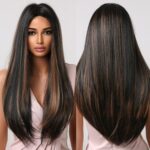


Hair Care Tool serves as a gateway into the fascinating world of maintaining and enhancing the beauty of our locks. Whether you have curly, straight, or wavy hair, the right tools can significantly influence the health and appearance of your hair. From simple brushes to advanced styling devices, each tool plays a unique role in shaping our hair care routines and achieving our desired looks.
Understanding how different hair care tools work and their benefits helps us make informed decisions for our specific needs. Over the decades, these tools have evolved, reflecting innovations and trends that cater to an ever-growing demand for healthy and stylish hair. Moreover, creating our own DIY tools presents an exciting opportunity to personalize our hair care journey.
Understanding the Importance of Hair Care Tools for Healthy Hair
Maintaining healthy hair requires more than just good shampoo and conditioner; the tools you use play a crucial role as well. Hair care tools help in styling, detangling, and protecting your hair, contributing directly to its overall health and appearance. The right tools can enhance your hair’s texture, make it more manageable, and prevent damage that may lead to breakage and split ends.
Different hair care tools impact hair texture and strength in various ways. For instance, using the wrong brush can lead to unnecessary tugging, which may weaken the hair strands and cause breakage. Heat styling tools like curling irons and straighteners, while great for styling, can also strip your hair of moisture if not used properly. Therefore, understanding the characteristics of your hair and matching them with appropriate tools is essential for maintaining healthy hair.
Common Hair Care Tools and Their Benefits
A variety of hair care tools are available, each designed to serve specific purposes. Below are some essential tools and their unique benefits:
- Hair Brushes: Different brushes cater to different hair types. For example, wide-tooth combs are ideal for detangling wet hair without causing breakage, whereas paddle brushes are great for smoothing out thick hair. Using the right brush reduces friction and enhances shine.
- Hair Dryers: Modern hair dryers often come with multiple heat settings and attachments like diffusers, which help in drying hair without damaging it. Using the cool shot button can also help set your style without adding heat damage.
- Curling Irons: These tools can create beautiful curls, but they should be used with care. Opting for a ceramic or tourmaline curling iron can help distribute heat evenly, reducing the risk of hot spots that can lead to damage.
- Straighteners: Flat irons are popular for achieving sleek hair. Utilizing a straightener with adjustable temperature settings ensures you can cater to your hair’s specific needs, minimizing damage.
- Heat Protectants: While not a tool in the traditional sense, applying heat protectant products before using heat styling tools is essential. They create a barrier that shields hair from high temperatures, reducing the risk of dryness and breakage.
“Investing in the right hair care tools is just as important as using the right products for healthy, vibrant hair.”
Choosing the appropriate hair care tools can significantly affect your hair’s long-term health, ensuring it remains strong, shiny, and well-maintained.
The Evolution of Hair Care Tools Over the Decades
The journey of hair care tools reflects a fascinating blend of tradition and innovation, showcasing how our approach to hair styling has evolved over the years. From primitive beginnings to high-tech advancements, hair care tools have transformed significantly, enhancing not just the efficacy of styling but also the safety and convenience for users.
The transition from traditional to modern hair care tools highlights the remarkable leaps in technology that have occurred. In earlier times, women often relied on simple implements like combs made of wood or bone, and heating methods that could be risky. Fast forward to the present, and we are greeted with an array of technologically advanced tools that prioritize both performance and user experience.
Technological Advancements in Hair Tools
The landscape of hair care tools has been reshaped by significant technological innovations over the decades. Each era brought new inventions that catered to evolving needs and preferences.
To illustrate the evolution, here are key milestones in the history of hair care tools and their impact on styling:
- The Invention of the Hair Dryer (1920s) – The introduction of the hair dryer revolutionized hair care, offering a faster and more efficient method for drying hair compared to air drying. This tool quickly became a staple in salons and homes alike.
- The First Electric Curling Iron (1950s) – The transition from manual curling methods to electric curling irons allowed for more consistent and quicker styling. This marked a significant shift in hairstyling practices, enabling intricate styles to be created with ease.
- Introduction of Ceramic and Tourmaline Technology (2000s) – The advent of ceramic and tourmaline straighteners changed the game by providing even heat distribution and reducing damage caused by high temperatures. These materials helped maintain moisture levels in the hair while styling.
- Smart Technology Integration (2010s) – Modern tools now incorporate smart technology, such as temperature control features and built-in sensors that adjust heat settings based on hair type and condition, preventing excessive heat exposure. This innovation emphasizes hair health without sacrificing style.
- Eco-Friendly Tools and Sustainability (2020s) – The latest trend includes tools designed with sustainability in mind, using recyclable materials and energy-efficient designs. This reflects a growing awareness of environmental impact while maintaining effective hair care practices.
The evolution of hair care tools demonstrates not just advancements in technology but also a deepening understanding of hair health and user preferences. As these tools have developed, they have played a crucial role in shaping hairstyling trends and techniques, ensuring that hair care is as safe and effective as possible.
Essential Hair Care Tools for Different Hair Types
Selecting the right hair care tools is crucial for maintaining healthy hair, as different textures require specific approaches. Understanding the unique needs of your hair type can make a significant difference in the results you achieve. Whether your hair is curly, straight, or wavy, there are specific tools designed to cater to each need, ensuring optimal care and styling.
Hair Tools for Curly Hair
Curly hair tends to be drier and more prone to frizz, making it essential to choose tools that enhance curls without causing damage. Here are some vital tools:
Perfect for detangling wet curls without breaking them, a wide-tooth comb preserves the curl pattern. This tool helps distribute heat evenly when blow-drying, minimizing frizz and enhancing curl definition. Using a microfiber towel can prevent frizz and breakage as it absorbs excess water gently, unlike traditional cotton towels. For those who want to add defined curls or waves, a curling wand with adjustable temperature settings is ideal.
These tools are designed to maintain moisture and define curls while ensuring they remain bouncy and healthy.
Hair Tools for Straight Hair
Straight hair often requires tools that can add volume and shine. Key tools for straight hair types include:
A high-quality flat iron can quickly straighten hair while providing a sleek finish. Look for one with ceramic plates for even heat distribution. This type of brush helps to distribute natural oils, adding shine and smoothing the hair cuticle. Ideal for blow-drying, a round brush can create volume and movement, giving straight hair a fuller appearance. Essential for minimizing heat damage, a good heat protectant should be used before styling tools.
Utilizing these tools can help keep straight hair looking polished, healthy, and stylish.
Hair Tools for Wavy Hair
Wavy hair often sits somewhere in between curly and straight, requiring tools that enhance waves without frizz. Important tools to consider are:
A lightweight curl cream defines waves while keeping them soft and touchable. This spray adds volume and separation, enhancing the natural wave pattern. Sleeping on a satin pillowcase can help maintain wave patterns and prevent breakage or frizz overnight.
These tools facilitate effortless maintenance of waves, ensuring they remain vibrant and full of life.
In summary, understanding the specific requirements of your hair type and selecting the appropriate tools is key to achieving healthy and beautiful hair. By incorporating these essential tools into your hair care routine, you can ensure that your hair remains in its best condition, regardless of its natural texture.
DIY Hair Care Tools
Creating your own hair care tools at home can be both fun and beneficial. With a little creativity and some basic materials, you can make tools tailored to your specific hair type and needs. Not only do homemade tools often cost less, but they can also be made from natural ingredients, avoiding the harsh chemicals often found in commercial products. This approach allows you to have full control over what goes into your hair care routine.
The benefits of homemade hair care tools can be substantial. Making these tools yourself not only promotes a deeper understanding of hair care but also fosters a sense of accomplishment and sustainability. Homemade solutions typically use natural ingredients that can be gentler on your hair and scalp, reducing the risk of irritation or allergic reactions. Furthermore, these creations can be customized to suit your hair’s unique needs, whether you require moisture, volume, or scalp stimulation.
Step-by-Step Guide for a DIY Hair Mask
One of the simplest and most effective DIY hair care tools is a homemade hair mask. Here’s a straightforward guide to creating a nourishing hair mask using common ingredients.
1. Ingredients You Will Need:
– 1 ripe avocado
– 2 tablespoons of olive oil
– 1 tablespoon of honey
These ingredients are known for their moisturizing and nourishing properties. Avocado is rich in fatty acids, olive oil helps in softening, and honey acts as a natural humectant.
2. Preparation Steps:
– Start by cutting the avocado in half and removing the pit.
– Scoop out the avocado flesh and place it in a bowl.
– Mash the avocado until it’s free of lumps.
– Add the olive oil and honey to the mashed avocado.
– Mix all the ingredients thoroughly until you achieve a smooth consistency.
3. Application Process:
– Apply the mask to damp hair, focusing on the ends where dryness is most prevalent.
– Use a wide-toothed comb to distribute the mask evenly throughout your hair.
– Once applied, cover your hair with a shower cap to trap heat and enhance absorption.
– Leave the mask on for 30-45 minutes before rinsing thoroughly with warm water and shampooing as usual.
The benefits of using homemade hair care tools, like this hair mask, over commercial products are noteworthy. First, homemade solutions are often free from synthetic additives, fragrances, and preservatives that can irritate the scalp or damage hair quality over time. In addition, they are usually more cost-effective; ingredients like avocado, olive oil, and honey are commonly found in households and are less expensive than many salon-grade products.
Moreover, the satisfaction of crafting your own hair care products contributes to a more mindful beauty routine. You become more aware of the ingredients you’re putting on your hair and can adjust your recipes based on what works best for you. This also promotes environmental sustainability, as homemade tools can reduce reliance on plastic packaging and harmful chemicals.
In essence, DIY hair care tools not only empower you to take charge of your hair health but also offer a personalized approach to beauty that can enhance both your hair and your self-care journey.
The Role of Hair Care Tools in Professional Salon Settings
In professional salon environments, hair care tools play a crucial role in delivering high-quality services to clients. These tools are not merely accessories; they are essential components of a stylist’s arsenal that enable various techniques and ensure client satisfaction. Proper tools can drastically influence the outcomes of hair treatments, styling, and overall hair health.
One of the most critical aspects of a salon’s effectiveness is the use of specialized hair care tools. These tools are designed specifically for professional use, allowing stylists to achieve precise results and incorporate advanced techniques into their services. The following tools are considered essential in any professional salon:
Essential Hair Care Tools in Salons
Professional salons utilize a range of tools that facilitate various hair care and styling techniques. Each tool has specific functionalities that contribute to the overall service quality. Here are a few key instruments that every salon should have:
- Hair Dryers: High-powered hair dryers are vital for efficient styling. They often include multiple heat settings and attachments, such as diffusers and concentrators, allowing stylists to control airflow for different hair types and styles. A powerful dryer can reduce drying time significantly, which is crucial in a busy salon environment.
- Flat Irons: Professional-grade flat irons offer advanced heat technology and adjustable temperature settings, allowing for versatile styling options. These tools are designed to straighten hair smoothly and quickly, with some models featuring plates that glide effortlessly to minimize damage.
- Curling Irons: The variety of barrel sizes in curling irons enables stylists to create different types of curls and waves, from tight ringlets to loose beachy waves. Many professional curling irons also come with heat protection features, which help to maintain hair integrity during styling.
- Scissors and Shears: Sharp, high-quality scissors are indispensable for precise cutting and texturizing. Stylists often use specialized shears for different techniques, such as thinning or layering, making them essential tools for achieving the desired look.
- Combs and Brushes: Various combs and brushes, including paddle brushes and round brushes, help with detangling, smoothing, and styling. Each type serves a specific purpose, essential for different hair textures and styles.
These tools not only enhance the stylist’s ability to create intricate hairstyles but also influence the overall experience for clients. For instance, the use of high-quality hair dryers can lead to less frizz and quicker drying times, which can significantly improve client satisfaction. Moreover, advanced styling tools allow for incorporating modern trends, which keeps salons competitive and relevant in today’s fast-paced beauty industry.
The effectiveness of these tools can be illustrated by considering the difference between a professional-grade flat iron and a standard consumer model. Professional irons often heat up faster, maintain a consistent temperature, and can reach higher temperatures without compromising hair health. This capability means that stylists can create sleek, long-lasting styles without repeated passes through the hair, reducing the risk of heat damage.
In summary, the role of hair care tools in professional salons extends beyond mere assistance; they are fundamental in shaping the stylist’s work, influencing techniques, and ultimately defining the client’s experience. Investing in high-quality tools not only enhances the efficiency of the services provided but also contributes to the salon’s reputation for excellence.
The Safety and Maintenance of Hair Care Tools
Proper maintenance and safety practices are crucial for ensuring the longevity and effectiveness of hair care tools. These tools, ranging from hair dryers to straighteners, require regular upkeep to perform at their best and to guarantee safety during use. Understanding how to maintain these tools not only extends their lifespan but also protects the user from potential hazards.
Best Practices for Cleaning and Maintaining Hair Care Tools
Regular cleaning and maintenance of hair care tools should not be overlooked, as buildup from hair products, dust, and oils can impact their performance. Here are some best practices to keep in mind:
1. Cleaning Tools After Each Use: Wipe down surfaces with a damp cloth to remove hair product residues. For brushes and combs, use a comb or brush cleaner to remove trapped hair and debris.
2. Disinfecting Combs and Brushes: Soak brushes and combs in a mixture of warm water and mild shampoo for about 10-15 minutes. Rinse thoroughly and let them air dry.
3. Storing Tools Properly: Always store hair tools in a dry, safe place. Using heat-resistant mats can also protect surfaces from damage.
4. Regularly Inspecting Cords and Plugs: Ensure that cords are free from kinks and damage. Regularly check plugs for wear and tear to prevent electrical hazards.
For a thorough maintenance routine, consider the following checklist for various hair care tools.
Maintenance Checklist for Hair Care Tools
Regular maintenance checks can help to identify issues before they become serious problems. Here’s a checklist to guide you:
– Hair Dryers:
– Check the air filter for lint and debris monthly.
– Clean the exterior with a soft cloth after each use.
– Hair Straighteners:
– Wipe the plates with a damp cloth after use to remove product buildup.
– Ensure the temperature settings are functioning correctly before each use.
– Curling Irons:
– Inspect for any peeling or damage to the barrel.
– Regularly clean the barrel with a soft cloth to maintain heat conductivity.
– Electrical Tools (all):
– Test the power cord and plug for any signs of damage.
– Ensure that the tools are placed on heat-resistant surfaces to prevent accidents.
Regular maintenance is essential not only for the longevity of hair care tools but also for ensuring safety during their use.
By following these cleaning and maintenance guidelines, users can enjoy the benefits of their hair care tools while minimizing the risks associated with improper handling and care.
Trends in Hair Care Tools
The hair care industry is rapidly evolving, with innovative tools taking center stage. As consumers become more conscious of their hair health, they are increasingly seeking out products that not only deliver results but also incorporate the latest technology and trends. In this landscape, several key trends have emerged, shaping consumer preferences and habits in significant ways.
Emerging technologies in hair care tools are revolutionizing how individuals care for their hair at home. Tools equipped with advanced features are gaining popularity due to their efficacy and ease of use. For instance, smart hair dryers and straighteners now include features like temperature control, moisture sensors, and app connectivity, allowing users to personalize their styling experiences. These innovations not only minimize heat damage but also optimize styling time, catering to the fast-paced lifestyles of modern consumers.
Popular Technologies in Hair Care Tools
The integration of technology in hair care tools has led to the introduction of various products that enhance the consumer experience. Here are some of the most popular technologies currently shaping the industry:
- Infrared Technology: Many hair dryers and straighteners now use infrared technology, which allows for more even heat distribution. This method reduces drying time and hair damage while maintaining hair’s natural moisture balance.
- Ionic Technology: Tools utilizing ionic technology help eliminate frizz and static by breaking down water molecules into smaller particles. This results in smoother hair, making styling quicker and easier.
- Ultrasonic Technology: Some advanced tools utilize ultrasonic technology to deliver intense hydration and repair. This is particularly popular in hair treatment devices that aim to restore damaged hair at a cellular level.
- Smart Features: Many modern tools now come with smart capabilities, enabling users to monitor and adjust settings based on their hair type. This personalization is becoming essential for effective hair care.
These trends are significantly influencing consumer preferences as they seek tools that not only cater to their styling needs but also prioritize hair health. The shift towards multifunctional tools that offer both convenience and care is evident, as consumers are willing to invest in quality products that promise long-term benefits. As technology continues to advance, the hair care tools landscape will likely see even more innovative solutions that redefine how people approach hair care, creating a future where optimal hair health is effortlessly achievable.
“The future of hair care tools is not just about styling; it’s about enhancing the health and vitality of hair through technology.”
Comparing Professional vs. At-Home Hair Care Tools
When it comes to hair care, the tools you use can significantly impact the results you achieve. Professional-grade tools are often designed for salon use, providing superior performance and durability, while at-home tools offer convenience and affordability. Understanding the distinctions between these two categories can help you make informed decisions on which tools best suit your needs.
Professional hair care tools are typically engineered for frequent use and high efficiency. These tools often feature advanced technology, such as ionic or infrared heat, to minimize damage while maximizing styling potential. Professional tools may include high-performance hair dryers, flat irons, and curling wands, which provide consistent results that can withstand the demands of a busy salon environment. However, they often come with a higher price tag and may be more complex to operate, requiring some skill and experience.
On the other hand, at-home hair care tools are designed with the everyday consumer in mind, making them more user-friendly and accessible. These tools tend to be less expensive and more compact, perfect for those who may only style their hair occasionally. While they may lack some of the advanced features found in professional tools, many at-home options have improved significantly over the years, offering decent performance for casual users.
Pros and Cons of Professional vs. At-Home Hair Care Tools
Both professional and at-home tools have their unique advantages and drawbacks. It’s essential to consider these factors when deciding which tools are the best fit for your hair care routine.
Professional Tools
– Pros:
– High-quality materials and build, enhancing durability and lifespan.
– Advanced technology for better results and reduced hair damage.
– Typically used by professionals, ensuring effectiveness and reliability.
– Cons:
– Higher cost, which may not be feasible for casual users.
– Complexity in operation may intimidate novice users.
– Often too bulky or heavy for home use.
At-Home Tools
– Pros:
– More affordable, making them accessible for a wider audience.
– User-friendly features, ideal for those with less experience.
– Compact designs for easy storage and travel.
– Cons:
– May not provide the same level of performance or results as professional tools.
– Potentially lower durability, requiring more frequent replacements.
– Limited features can restrict styling options.
| Category | Professional Tools | At-Home Tools |
|---|---|---|
| Price | Higher | Lower |
| Durability | Long-lasting | Less durable |
| Technology | Advanced | Basic to intermediate |
| Usability | Requires skill | User-friendly |
| Performance | High | Variable |
Invest in the right tools for your hair type and styling needs to achieve the best results.
Closing Notes
In conclusion, the importance of Hair Care Tool cannot be understated, as they are integral to maintaining the health and styling of our hair. By understanding the evolution, types, and trends of these tools, and keeping up with best practices for their care, we empower ourselves to achieve our best hair yet. Embracing both professional and at-home solutions allows us to explore a world of possibilities in our hair care routines, ensuring our locks are always at their finest.
FAQs
What are the essential hair care tools for home use?
Essential tools include a high-quality brush, a wide-toothed comb, a good pair of scissors, and heat styling tools like a flat iron or curling wand.
How often should I clean my hair care tools?
It’s recommended to clean your hair care tools at least once a month to maintain hygiene and effectiveness.
Are expensive hair care tools worth the investment?
Often, yes! Higher-quality tools tend to be more durable and effective, leading to better results and less hair damage.
Can I use the same tools for different hair types?
While some tools are versatile, it’s best to choose tools specifically designed for your hair type to achieve optimal results.