


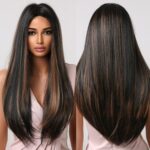


Hair Straightener Brushes have revolutionized the way we achieve sleek and polished hairstyles, blending convenience with advanced technology. These innovative tools offer a unique solution for those seeking to tame frizz or create a straight look without the hassle of traditional styling methods.
From their historical development to their modern iterations, hair straightener brushes have undergone significant changes, reflecting shifts in consumer preferences and technological advancements. Today’s brushes are designed not only to straighten but also to maintain hair health, making them a popular choice for hair enthusiasts worldwide.
The Evolution of Hair Straightener Brushes Over Time
The journey of hair straightener brushes has been nothing short of revolutionary. From their humble beginnings to the advanced devices we know today, these tools have undergone significant changes driven by technological innovations and consumer preferences. Hair straightening tools have evolved from basic designs to multifunctional devices that cater to diverse hair types and styling needs.
One of the key milestones in the development of hair straightener brushes was the incorporation of heat-resistant materials such as ceramic and tourmaline. This shift not only improved the efficiency of the straightening process but also minimized hair damage. Early straightening tools typically utilized metal plates, which often caused uneven heating and excessive hair damage. With the advent of ceramic technology in the early 2000s, users experienced smoother finishes and reduced frizz. Tourmaline, a semi-precious stone, was later introduced for its ionic properties that help eliminate static and enhance shine, further enhancing the appeal of hair straightener brushes.
The user interface has also evolved remarkably. Today’s hair straightener brushes are equipped with digital displays, adjustable heat settings, and automatic shut-off features. These innovations reflect the growing demand for customization and safety among consumers. As people became more aware of the potential damage caused by excessive heat, manufacturers responded by developing tools with temperature control features tailored to individual hair types.
Consumer preferences have played a crucial role in shaping the evolution of hair straightener brushes. The desire for multifunctional styling tools has led to the rise of hybrid models that not only straighten hair but also offer curling and volumizing features. This versatility appeals to a broader audience, including individuals who seek convenience without sacrificing style. Additionally, the rise of social media has influenced trends in hair styling, prompting brands to create products that align with popular aesthetics and influencers’ recommendations.
The increasing demand for portability has also impacted design choices. Many modern hair straightener brushes are lightweight and equipped with travel-friendly voltage options, appealing to consumers who prioritize convenience during travel. Furthermore, the push for sustainability has led some companies to utilize eco-friendly materials and packaging, reflecting a shift in consumer values.
In summary, the evolution of hair straightener brushes has been marked by significant technological innovations and a keen responsiveness to consumer preferences. As a result, these tools have transformed from basic straightening devices into essential styling companions that cater to the diverse needs of modern users. The combination of improved materials, user-friendly designs, and multifunctionality continues to drive the market forward, ensuring that hair straightener brushes remain a staple in personal grooming routines.
Understanding the Mechanism Behind Hair Straightener Brushes
Hair straightener brushes have revolutionized the way people style their hair, offering a blend of convenience and efficiency that traditional straighteners cannot match. These innovative tools utilize a combination of heat and bristle technology to transform frizzy, unruly hair into sleek, straight locks in a matter of minutes. Understanding the mechanics behind these brushes can enhance their effectiveness and enable users to achieve optimal styling results.
The primary mechanism that enables hair straightener brushes to perform effectively lies in the optimal combination of heat and strategically designed bristles. When the brush is powered on, it heats up to the desired temperature, which is essential for breaking down the hydrogen bonds present in the hair’s structure. The bristles, typically made of materials like silicone or ceramic, ensure that heat is evenly distributed across each strand while gliding smoothly through the hair. This prevents damage, as the gentle bristling action helps to detangle hair while simultaneously straightening it.
Components of a Typical Hair Straightener Brush
A hair straightener brush is composed of several key components that work together to deliver effective results. Each component plays a critical role in ensuring that the brush heats efficiently and styles hair effectively. Here are the main components to consider:
- Heating Elements: These are usually ceramic or tourmaline plates that heat up quickly and evenly, ensuring consistent temperature across the brush.
- Bristles: Designed to glide through the hair, bristles can be made from various materials and are engineered to distribute heat evenly while preventing snagging.
- Temperature Control: Most brushes feature adjustable heat settings to accommodate different hair types, allowing users to customize their styling experience.
- Power Supply: The electrical system that powers the brush, often incorporating safety features such as automatic shut-off to prevent overheating.
- Ergonomic Handle: A well-designed handle provides comfort and ease of use, especially during prolonged styling sessions.
Ion Technology in Hair Straightening
Ionic technology is a significant advancement in the hair styling industry that contributes greatly to the effectiveness of hair straightener brushes. This technology involves the use of negatively charged ions that work to neutralize positively charged ions in the hair. The results of this ionic interaction are multifaceted:
– Ionic technology reduces static and frizz, which is especially beneficial for individuals with coarse or curly hair. The neutralization of charges allows hair to lay flatter and smoother.
– The application of heat alongside ionic technology helps in the rapid evaporation of moisture from the hair, allowing for quicker straightening without excessive damage.
– Additionally, the use of ions can enhance the hair’s natural shine and softness. This is because the ions help to close the hair cuticle, resulting in a smoother surface that reflects light better.
The combination of heat and ionic technology creates a synergistic effect that not only straightens hair efficiently but also enhances its overall health and appearance. Many users report that their hair feels softer and looks shinier after using ionic straightening brushes compared to traditional styling methods.
In conclusion, understanding the intricate mechanisms and technologies behind hair straightener brushes can empower users to make informed choices when styling their hair, ensuring optimal results and healthier hair.
Comparison of Hair Straightener Brushes to Traditional Flat Irons
When it comes to achieving sleek, straight hair, hair straightener brushes and traditional flat irons are two popular styling tools that come to mind. Each has its unique set of benefits and drawbacks that can impact your hair styling experience. Understanding these differences can help you make an informed decision that suits your hair type and lifestyle.
Hair straightener brushes are designed to combine the functionalities of a brush and a flat iron. They are typically easier to use, as they glide through the hair while straightening it simultaneously. This method can often result in a more natural, voluminous look. On the other hand, traditional flat irons provide a more classic approach to hair straightening, known for creating pin-straight styles. However, they may require more skill to use effectively and can sometimes lead to excessive heat exposure, which may damage hair over time.
Advantages and Disadvantages of Each Method
In comparing hair straightener brushes with traditional flat irons, it is essential to analyze their advantages and disadvantages. Here’s a detailed look at their characteristics:
– Hair Straightener Brushes:
– Advantages:
– *Ease of Use*: The brush design allows for straightforward handling, making it user-friendly for beginners.
– *Reduced Styling Time*: They often require less time to achieve a straight look, as they can cover more hair in a single pass.
– *Less Heat Damage*: Because they distribute heat more evenly, they may reduce the risk of burning or damaging hair.
– Disadvantages:
– *Limited Straightening Power*: For very curly or thick hair, a brush may not achieve the same level of straightness as a flat iron.
– *Higher Cost*: Quality straightener brushes can be more expensive than basic flat irons.
– Traditional Flat Irons:
– Advantages:
– *Versatility*: They can be used to create not only straight styles but also curls and waves.
– *Strong Straightening Ability*: Flat irons can handle more stubborn hair types effectively.
– Disadvantages:
– *Greater Risk of Damage*: Prolonged exposure to high heat can lead to dry and damaged hair.
– *Skill Requirement*: Using a flat iron correctly requires some practice to avoid burns and achieve desired results.
Time Efficiency and Safety Aspects
The time efficiency of hair straightening brushes versus traditional flat irons is significant. Generally, hair straightener brushes can straighten hair in about half the time required by flat irons. This efficiency stems from the brushing action, which allows multiple strands of hair to be styled simultaneously, while flat irons may require several passes to achieve the same result.
When it comes to safety, using hair straightener brushes can be seen as a lesser risk for hair damage compared to traditional flat irons. Flat irons reach extremely high temperatures that can scorch hair and burn the scalp if not used cautiously. For example, flat irons often exceed 450°F, which can lead to moisture loss in the hair. Hair straightener brushes, on the other hand, typically operate at lower temperatures, around 300°F to 400°F, which reduces the likelihood of damage.
Moreover, many modern straightener brushes come equipped with features like automatic shut-off and temperature control settings. These features enhance safety by preventing overheating and allowing users to select temperatures that are suitable for their specific hair type.
In summary, both hair straightener brushes and traditional flat irons have their unique pros and cons. While brushes offer quicker styling times and potentially less heat damage, flat irons provide versatility and powerful straightening for more rebellious hair types. When selecting between the two, consider your hair type, styling preferences, and safety needs to find the perfect match for your hair styling routine.
The Different Types of Hair Straightener Brushes Available
Hair straightener brushes have become a popular tool for achieving sleek and polished hairstyles. These innovative devices combine the function of a traditional flat iron with the ease of using a brush, making them suitable for a variety of hair types and styles. Understanding the different types of hair straightener brushes available can help you choose the right one for your specific needs.
Hair straightener brushes can be categorized based on hair types, including fine, thick, and curly hair. Each category typically features different bristle materials, heating technologies, and design aspects that cater to the unique requirements of the hair type. Selecting a brush that aligns with your hair’s characteristics is crucial for effective styling and maintaining hair health.
Types of Hair Straightener Brushes for Different Hair Types
When considering the type of hair straightener brush to use, it’s essential to understand how different brushes perform with various hair types. Here’s a breakdown of the types:
- Fine Hair: For fine hair, a straightener brush with lower heat settings is ideal to avoid damage. Look for brushes with soft bristles that distribute heat evenly without pulling on the strands. Features like ion technology can also help reduce frizz.
- Thick Hair: A high-heat straightener brush is recommended for thick hair as it requires more heat to achieve a straight look. Brushes with sturdy bristles and larger heating plates can efficiently tackle the bulk, offering quick and effective straightening.
- Curly Hair: For those with curly hair, a ceramic or tourmaline brush is beneficial. These materials provide even heat distribution, which is essential for effectively straightening curls without excessive damage. Look for brushes with wider spacing between bristles to accommodate thicker curls.
High-end hair straightener brushes often come with advanced features that set them apart from budget options. The key differentiators include:
1. Material Quality: Premium brushes are typically made from high-quality materials like ceramic or tourmaline, which enhance heat distribution and reduce damage. Budget options may use metals that can create hot spots and lead to uneven styling.
2. Temperature Control: High-end models usually offer adjustable temperature settings, allowing users to customize the heat based on their hair type. This feature is often absent in budget models, which may have a fixed temperature.
3. Bristle Technology: Expensive brushes often feature advanced bristle technology, including ion-infused bristles that help reduce frizz and static. Budget brushes might have basic nylon bristles that don’t provide the same benefits.
4. Ergonomic Design: Premium straightener brushes tend to have more ergonomic designs, making them comfortable to hold and easy to maneuver. Cheaper versions may lack this consideration, leading to discomfort during use.
5. Heating Time: High-quality brushes typically heat up quickly, allowing for efficient styling. In contrast, budget models might require longer heating times, making them less convenient for daily use.
In conclusion, choosing the right hair straightener brush involves understanding your hair type and considering the features that will best suit your styling needs. Investing in a quality brush can lead to better results and healthier hair in the long run.
Best Practices for Using Hair Straightener Brushes
Using a hair straightener brush can be a game-changer for achieving sleek, polished hair in a fraction of the time it takes traditional straighteners. However, to get the best results while minimizing damage, it is essential to follow some best practices. This guide will walk you through effective techniques for using a hair straightener brush, preparation tips, and the importance of setting the right temperature based on your hair type.
Step-by-Step Procedure for Using a Hair Straightener Brush
To effectively use a hair straightener brush, follow these steps:
1. Start with Clean, Dry Hair: Ensure your hair is completely dry and clean before styling. This helps the brush glide smoothly and reduces the risk of heat damage.
2. Detangle Your Hair: Use a wide-tooth comb or a detangling brush to remove any knots. This step is crucial as it prevents snagging and pulling during the straightening process.
3. Section Your Hair: Divide your hair into manageable sections, typically 1-2 inches thick. This allows for even straightening and prevents you from missing spots.
4. Heat the Brush: Turn on the hair straightener brush and set it to the appropriate temperature for your hair type (more on this later).
5. Begin Straightening: Starting from the roots, slowly glide the brush down the length of each section. For best results, repeat this motion 1-2 times. Avoid pressing too hard to prevent damage.
6. Finish With a Styling Product: Once you’re done, consider applying a lightweight serum or styling spray to add shine and protect your hair from humidity.
Preparing Hair Before Using a Straightener Brush
Preparation is key to achieving optimal results with a hair straightener brush. Here are essential tips for prepping your hair:
– Use a Heat Protectant: Before styling, apply a heat protectant spray or serum to shield your hair from high temperatures. This creates a barrier that minimizes damage.
– Ensure Hair is Completely Dry: Using a hair straightener on wet or damp hair can lead to serious heat damage. Make sure your hair is thoroughly dried with a blow dryer.
– Choose the Right Shampoo and Conditioner: Opt for products designed for your hair type, such as smoothing or moisturizing formulas, which prep the hair for heat styling and improve overall manageability.
Importance of Maintaining Proper Temperature Settings Based on Hair Type
Choosing the right temperature setting on your hair straightener brush is crucial for both effectiveness and hair health. Different hair types require different heat levels to achieve optimal straightening results without causing damage.
– Fine or Damaged Hair: For fine or previously damaged hair, a lower temperature setting between 250°F to 300°F (120°C to 150°C) is recommended. Higher temperatures can exacerbate damage and lead to breakage.
– Medium Texture Hair: For medium or normal hair types, a temperature range of 300°F to 375°F (150°C to 190°C) works best. This range allows for effective straightening while minimizing the risk of damage.
– Thick or Coarse Hair: Thick or coarse hair may require a higher temperature range of 375°F to 450°F (190°C to 230°C). This ensures that the brush can penetrate through the dense strands and achieve a smooth finish.
Remember, maintaining the correct temperature not only helps in styling efficiency but also protects your hair from unnecessary heat exposure. By tailoring the temperature to your specific hair type, you can achieve sleek looks while preserving your hair’s overall health and vitality.
Common Mistakes to Avoid While Using Hair Straightener Brushes
Using a hair straightener brush can be a game changer for achieving sleek, smooth locks, but many users fall prey to common mistakes that can lead to damage or less than ideal results. Understanding these pitfalls and the proper technique will not only enhance your styling experience but also ensure the health of your hair remains intact.
One of the most frequent errors is using the hair straightener brush on wet or damp hair. Hair is more vulnerable when wet, and applying heat can lead to significant damage, including breakage and split ends. Additionally, not sectioning hair properly can hinder the effectiveness of the brush. Attempting to straighten large sections may result in unevenness and missed spots, requiring repetitive passes that can further harm your hair.
Common Mistakes and Their Consequences
Recognizing and avoiding these common mistakes is crucial for maintaining the integrity of your hair while achieving the desired look. Here are some mistakes to be aware of:
- Using High Heat Settings: Many users opt for the highest temperature, thinking it will yield faster results. However, excessive heat can scorch hair, leading to dryness and brittleness.
- Not Using Heat Protectant: Skipping heat protectant sprays or serums puts hair at risk. These products form a barrier that helps shield hair from high temperatures.
- Poor Technique: Rushing through the process or employing a back-and-forth motion instead of a smooth, downward stroke can cause tangles and stress on the hair.
- Neglecting Maintenance: Failing to clean the brush regularly can lead to product buildup and dirt, which can transfer back onto your hair, negating the benefits of styling.
- Ignoring Hair Type: Not adjusting your technique or heat settings according to your hair type can result in less effective styling and potential damage. For example, fine hair requires lower heat settings compared to thick, coarse hair.
Proper technique is essential for preventing damage to hair. The correct use of the hair straightener brush involves sectioning the hair, ensuring it is dry, and moving the brush slowly and steadily from root to tip. This not only helps in achieving a smooth finish but also minimizes the risk of overheating any particular strand.
In troubleshooting common issues encountered while using these brushes, consider the following points:
– If your hair remains frizzy or not as straight as desired, it may be due to insufficient heat or not holding the brush in place long enough. Adjust the temperature settings based on your hair’s needs and give each section a few seconds under the heat.
– Experiencing tangling? Ensure you are using a wide-tooth comb before styling to detangle your hair. Additionally, using the brush on clean hair that has been detangled will lead to smoother results.
– If the brush is pulling your hair, it may be too hot or not designed for your specific hair type. Re-evaluate your tool choice and consider investing in a brush that caters to your hair’s unique needs.
By avoiding these common mistakes and applying the proper techniques, you can ensure that your hair straightening experience is both effective and safe, leaving you with beautiful results without the damaging consequences.
The Impact of Hair Straightener Brushes on Hair Health
Using hair straightener brushes has become a popular choice for achieving sleek and smooth locks with minimal effort. However, it’s essential to understand the long-term effects of these styling tools on hair health and texture. While they offer the advantage of convenience, the heat generated by these brushes can lead to potential damage if not used correctly. In this section, we will explore how hair straightener brushes can influence hair health, the interactions with various hair products, and strategies for maintaining healthy hair while enjoying the benefits of heat styling.
Long-term Effects of Using Hair Straightener Brushes
Prolonged use of hair straightener brushes can result in significant changes to hair health and texture. Regular exposure to high temperatures can lead to moisture loss, causing hair to become dry and brittle over time. When the hair cuticle is damaged, it can result in increased frizz and split ends, ultimately compromising the overall appearance and feel of the hair.
To mitigate these adverse effects, it is crucial to incorporate protective measures when using these tools. Here are some tips to protect your hair while using straightener brushes:
- Use a heat protectant spray before styling. This creates a barrier against heat damage.
- Limit the frequency of use to avoid over-exposure to heat. Aim for a few times a week rather than daily.
- Choose the appropriate heat setting based on your hair type. Fine hair requires lower temperatures, while thicker hair can handle higher settings.
Interaction with Hair Products
The effectiveness of hair products can be influenced by the use of hair straightener brushes. Certain products, particularly those that are heavy or oil-based, can interact negatively with the heat from the brushes. For instance, using a product that contains silicones can lead to buildup on the hair, which may worsen heat damage when styled repeatedly.
To ensure optimal results while using hair straightener brushes, consider the following:
- Select lightweight, heat-resistant products that facilitate smooth styling without residue.
- Avoid applying too much product before styling; a small amount can often be more effective.
- Look for products specifically designed for heat styling, as they are formulated to work well with high temperatures.
Maintaining Hair Health with Heat Styling Tools
Maintaining hair health while using heat styling tools is achievable with the right approach. Here’s how to preserve the integrity of your hair:
First, establish a balanced hair care routine that includes regular deep conditioning treatments. This will help replenish moisture and nutrients lost during heat styling. Second, consider incorporating a weekly protein treatment to strengthen the hair shaft and prevent breakage.
Additionally, it is essential to keep your hair clean and free from excess product buildup. Regular clarifying shampoos can help in this regard, but they should not be used too frequently as they can strip natural oils. Lastly, always allow your hair to cool down after using a straightening brush before tying it up or styling it further, as this will help maintain its shape and minimize damage.
By understanding the impact of hair straightener brushes and adopting these practices, you can enjoy beautiful, healthy hair without sacrificing its vitality for style.
Innovations and Future Trends in Hair Straightener Brush Design
The world of hair care is constantly evolving, and hair straightener brushes are no exception. As consumers seek more efficient, effective, and user-friendly tools, manufacturers are stepping up their game to incorporate the latest advancements in technology and design. This evolution not only enhances performance but also addresses the changing needs of a diverse consumer base. The future of hair straightener brushes promises to be exciting, with numerous innovations on the horizon.
Emerging technologies are set to redefine the hair straightening experience. One of the most significant advancements is the integration of artificial intelligence (AI) into hair styling tools. AI-powered brushes can analyze hair texture, thickness, and moisture levels, adjusting heat settings in real time for optimal results while minimizing damage. This technology ensures a personalized styling experience, catering to individual hair needs. Additionally, smart sensors in these brushes can provide feedback through connected apps, allowing users to track their styling habits and receive tailored advice for healthier hair maintenance.
Consumer Trends Driving Innovation in Design
As consumer preferences shift, several trends are shaping the future design of hair straightener brushes. These trends highlight the importance of efficiency, versatility, and sustainability in hair care tools.
To understand the nuances of these trends, consider the following key points:
- Efficiency and Quick Styling: Modern consumers lead busy lifestyles and seek tools that deliver quick results. Hair straightener brushes that heat up rapidly and offer dual functionality as both straighteners and curlers are gaining popularity.
- Ergonomic Design: With increased emphasis on user comfort, ergonomic designs that reduce strain during use are becoming essential. This includes lightweight models and handles designed for easy grip.
- Sustainability: Eco-conscious consumers are driving demand for sustainable materials and energy-efficient products. Brands are now prioritizing the use of recyclable materials and reducing packaging waste.
- Customizable Features: Personalization is key; models that offer customizable heat settings, brush bristle types, and even color options are appealing to consumers looking for unique tools that reflect their style.
The future of hair straightener brushes also holds potential for groundbreaking features that enhance both functionality and user experience. For example, the development of self-cleaning technology could revolutionize maintenance, making it easier for users to keep their brushes in optimal condition without frequent manual cleaning. Furthermore, incorporating advanced materials, such as ceramic and tourmaline, could enhance heat distribution and reduce frizz, ensuring smoother results with less damage.
“Innovation in hair straightener design is not just about function; it’s about creating a user experience that aligns with modern lifestyles and values.”
In summary, the advancements in technology and shifts in consumer preferences are steering the future of hair straightener brushes towards a more intelligent, user-friendly, and eco-conscious direction. As manufacturers continue to innovate, the possibilities for enhanced performance and user satisfaction are limitless, paving the way for the next generation of hair styling tools.
Summary
In conclusion, the evolution of Hair Straightener Brushes showcases a remarkable intersection between innovation and user needs, emphasizing the importance of choosing the right tool for your hair type. By understanding how these brushes work and following best practices, you can achieve beautiful, healthy-looking hair with ease.
Essential Questionnaire
How often can I use a hair straightener brush?
It depends on your hair type, but generally, using it a few times a week is safe for most hair types.
Are hair straightener brushes suitable for all hair types?
Yes, but it’s essential to choose a brush designed for your specific hair type to avoid damage.
Can hair straightener brushes damage my hair?
They can if used improperly; maintaining the right temperature and technique is crucial for hair health.
Do I need to use a heat protectant before using a hair straightener brush?
Yes, using a heat protectant can help minimize heat damage and keep your hair healthy.
How do I clean my hair straightener brush?
Typically, you can wipe the bristles with a damp cloth after it cools down. For deeper cleaning, follow the manufacturer’s instructions.