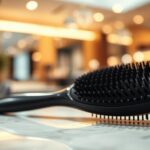
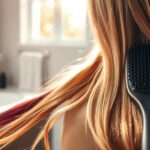
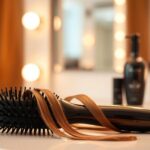
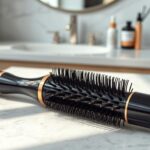
Hair brush for fine hair is more than just a grooming tool; it’s an essential ally in maintaining the health and beauty of delicate strands. Fine hair, known for its thinner diameter, often requires special consideration when it comes to styling and care. Understanding the unique needs of fine hair can make a significant difference in selecting the right brush. From detangling without breakage to ensuring volume and shine, the right hairbrush can transform your daily routine and enhance the overall look of your hair.
In this guide, we’ll delve into the characteristics of fine hair, the types of brushes that best suit it, and the techniques for using these tools effectively. We’ll also explore how proper maintenance can extend the life of your brushes, as well as common mistakes to avoid that could lead to damage. By the end, you’ll be equipped with the knowledge to make informed choices, ensuring your fine hair remains healthy and vibrant.
Understanding the Unique Needs of Fine Hair
Fine hair is characterized by its thin diameter and delicate structure, making it distinct from other hair types. Individuals with fine hair often find that their strands lack volume and may struggle with achieving a full-bodied appearance. The individual hair strands are lighter and more prone to damage, which means that special care and specific hair tools are essential for maintaining their health and appearance. Despite being soft and silky, fine hair can easily fall flat and be overwhelmed by heavy products or the wrong styling tools. Recognizing these unique traits is the first step in addressing the care and styling needs of fine hair.
Using targeted tools for fine hair is of utmost significance because they are specifically designed to cater to the fragility and characteristics of this hair type. Standard brushes or combs may not provide the gentle handling that fine hair requires, potentially leading to breakage or excessive pulling. For example, a hairbrush with widely spaced bristles can help to detangle without causing strain on the hair shafts, reducing the risk of damage. Tools that also provide volume or support, such as round brushes with a smaller diameter, can elevate fine hair at the roots for added lift and body.
In addition to the need for specialized tools, individuals with fine hair often face several common challenges. One major issue is the tendency for fine hair to become greasy quickly; because the strands are so thin, oil from the scalp can travel down the hair shaft more easily, leading to a weighed-down appearance. To combat this, it is essential for those with fine hair to use lightweight conditioners and products formulated specifically for their hair type.
Another challenge is the lack of volume and fullness, which can affect styling options. Fine hair may struggle to hold styles such as curls or updos for an extended period. Using the right heat styling tools, such as ceramic curling irons or heated rollers designed for fine hair, can help create lasting shapes without damaging the strands.
Ultimately, understanding the unique needs of fine hair allows individuals to select appropriate products and tools that not only enhance the natural beauty of their hair but also ensure its health and longevity.
Common Challenges Faced by Individuals with Fine Hair
Individuals with fine hair encounter various challenges that can impact their styling routines and overall hair health. Recognizing these challenges is crucial for effective hair care.
One prominent issue is the susceptibility to damage. Fine hair is more fragile than thicker hair types, meaning it can easily break or suffer from split ends. This necessitates the use of gentle hair care practices and the avoidance of harsh chemical treatments.
Another challenge is the struggle for volume. Fine hair tends to lay flat against the scalp, making it challenging to achieve a bouncy, full look. The right volumizing products and techniques, such as teasing or using volumizing sprays, can help address this issue.
Additionally, fine hair may experience increased oiliness, leading to a greasy appearance shortly after washing. This requires regular washing with mild shampoos and using dry shampoo between washes to maintain freshness.
Lastly, fine hair often lacks moisture retention. It is essential to incorporate hydrating products that do not weigh hair down, ensuring that fine strands remain nourished without becoming limp.
“Understanding and addressing the unique characteristics of fine hair is essential for achieving healthy, vibrant locks.”
Types of Hair Brushes Suitable for Fine Hair
When selecting hair brushes for fine hair, it’s essential to understand the different types available and how their design impacts their effectiveness. Fine hair is often more delicate and prone to breakage, making the choice of brush critical for maintaining its health and appearance. The right brush not only aids in styling but also enhances shine and manages tangles without causing damage. Below, we delve into the various types of brushes that cater specifically to the needs of fine hair.
Specific Brush Types for Fine Hair
Choosing the appropriate type of hair brush can significantly influence the health and appearance of fine hair. Below are some of the most common types of brushes suitable for fine hair, each serving a unique purpose:
- Wide-Tooth Comb: Ideal for detangling wet hair, this comb helps to minimize breakage. The space between the teeth allows for gentle separation of strands without pulling. It’s perfect for curly or wavy fine hair, as it helps to maintain the hair’s natural pattern.
- Paddle Brush: This brush features a large, flat surface and is great for smoothing out fine hair. When used with heat, it can create sleek styles while distributing natural oils from the scalp down the hair shaft, enhancing shine.
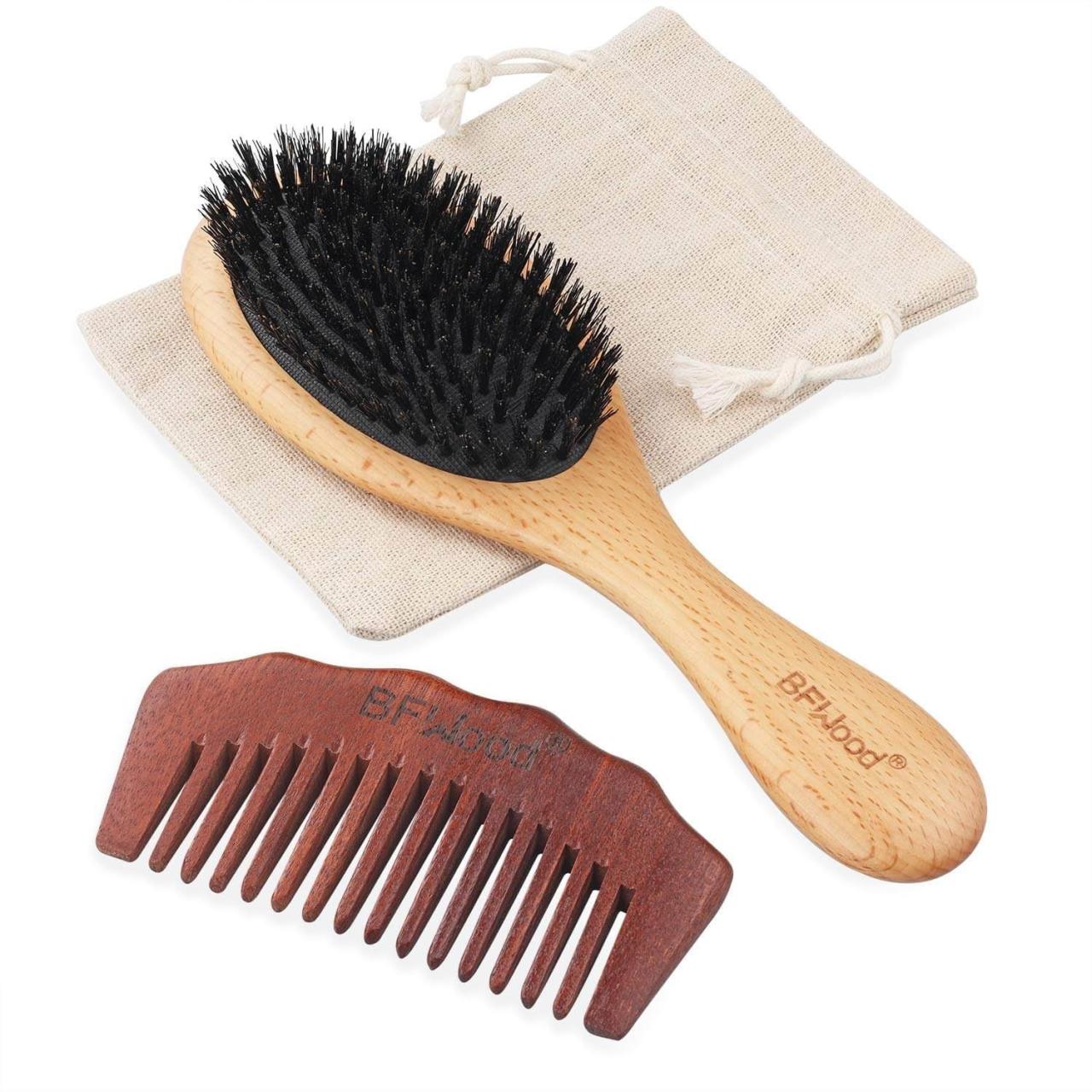
- Boar Bristle Brush: Known for its ability to distribute natural oils and add shine, this brush is gentle on fine hair. It can help reduce static and frizz, which is particularly beneficial for those with finer hair textures.
- Round Brush: Perfect for styling and creating volume, a round brush can be used with a blow dryer to lift roots and achieve bouncy waves. Selecting a smaller diameter can be more effective for shorter fine hair.
When it comes to detangling versus smoothing, the wide-tooth comb excels at gently working through knots in wet hair, reducing the risk of breakage. In contrast, the paddle brush is designed for effective blowouts, smoothing the hair cuticle and creating a polished finish without excessive tugging.
Importance of Brush Materials
The choice of materials in hair brushes can significantly affect the overall health and aesthetics of fine hair. Two common materials used in brush bristles are boar bristle and nylon, each offering distinct benefits and considerations.
Boar bristle brushes are favored for fine hair due to their ability to distribute oil from the scalp throughout the hair. This natural oil distribution enhances shine and moisture, which is crucial for fine hair, often lacking volume and moisture. The soft bristles minimize static and help reduce breakage, making it a gentle option for delicate strands.
On the other hand, nylon bristles are often stiffer and can be effective for detangling. While nylon brushes can provide a good grip and help with styling, they can also create more friction against the hair. For fine-haired individuals, this might lead to increased breakage if not used cautiously.
Choosing the right materials not only impacts the brushing experience but also the long-term health of the hair. For those with fine hair, opting for brushes with natural bristles, like boar, can promote healthier hair while enhancing its natural shine and texture. It’s essential to consider both the design and the material of the hair brush to ensure it aligns with the specific needs of fine hair.
How to Choose the Right Hair Brush for Fine Hair
Choosing the right hair brush for fine hair can make a significant difference in achieving healthy, manageable locks. Fine hair is often more delicate and prone to breakage, necessitating the use of brushes that cater specifically to its unique texture and needs. With the right brush, you can enhance your styling routine, ensure smoother results, and minimize damage.
When selecting a hair brush for fine hair, several critical factors come into play. Each of these elements influences how effectively the brush can detangle, style, and maintain the health of your hair. Understanding these factors will help you make an informed decision that aligns with your styling preferences.
Key Factors to Consider When Selecting a Hair Brush
The following checklist Artikels crucial elements to keep in mind while browsing for the perfect hair brush for fine hair.
- Brush Size: Smaller brushes are often more suitable for fine hair, allowing for greater control and precision during styling.
- Brush Shape: Round brushes are ideal for adding volume and curls, while flat paddle brushes work well for smoothing and straightening.
- Bristle Type: Natural bristles, such as boar bristles, are gentle on fine hair and help distribute natural oils, enhancing shine. Synthetic bristles may cause static and breakage.
- Handle Design: Ergonomic handles provide a comfortable grip, especially important during prolonged styling sessions.
- Ventilation: Brushes with vents facilitate faster drying and styling, which can be beneficial for fine hair that is prone to damage from excessive heat.
Matching a brush to your individual styling needs requires an understanding of your hair’s behavior and your desired outcomes. For instance, if you frequently style your fine hair with heat, opting for a round ceramic brush can help distribute heat evenly, reducing the risk of damage while enhancing volume. Conversely, if your primary concern is detangling post-wash, a wide-toothed comb or a paddle brush with soft bristles may be more appropriate to minimize breakage.
Additionally, consider your styling routine. A daily blowout may benefit from a brush that adds volume, while those who prefer a sleek, straight look should choose a flat brush that aids in smoothing. Understanding how different brushes interact with your hair’s texture will guide you in selecting the right tool that complements your hair care regimen.
Fine hair presents unique challenges, but with a thoughtful approach to choosing the appropriate brush, you can achieve beautiful, healthy results tailored to your personal styling preferences. By keeping these factors in mind, you can make an informed choice that enhances your hair’s natural beauty while minimizing damage.
Techniques for Brushing Fine Hair
Brushing fine hair requires special attention and techniques to ensure that it remains healthy and well-maintained. Fine hair is more prone to damage and breakage, so using the right methods can make a significant difference in its overall health. By understanding effective brushing techniques, you can minimize damage while also enjoying a smooth and polished look.
One key technique for brushing fine hair involves using a gentle touch. Fine hair can easily become tangled, but harsh brushing can lead to breakage. Instead, consider using a wide-tooth comb or a soft-bristle brush designed specifically for fine hair. Begin brushing at the ends and gradually work your way up to the roots. This helps to detangle any knots without pulling or causing unnecessary stress to the hair shaft.
Role of Sectioning Hair While Brushing
Sectioning hair before brushing is essential for managing fine hair effectively. This technique not only simplifies the brushing process but also minimizes the risk of breakage. By dividing hair into manageable sections, you can focus on one area at a time, ensuring that every strand is treated gently.
When sectioning fine hair, start by parting it into two or four sections, depending on the thickness and length of your hair. Use hair clips to secure each section, allowing you to concentrate on one part without the distraction of the rest. This method prevents tangling and allows for a more thorough detangling process.
In addition to improving manageability, sectioning hair also allows for a more even distribution of products if you use any conditioning sprays or leave-in treatments. By applying products section by section, you ensure that every part of your hair receives the benefits of added moisture and protection.
After securing the sections, begin brushing from the bottom of each section. Hold the hair above the area you are brushing to minimize tension and prevent pulling. This technique is particularly useful for those with fine hair, as it reduces discomfort and helps maintain the integrity of each strand.
Implementing sectioning into your brushing routine can lead to a significant decrease in breakage and tangling, resulting in healthier hair over time. By treating each section with care and attention, you create a more enjoyable brushing experience that promotes long-term hair health.
Maintenance and Care of Hair Brushes for Fine Hair
Proper maintenance of hair brushes is crucial, especially for fine hair, which can be more susceptible to damage and breakage. Keeping your brushes clean and well-cared for not only prolongs their life but also helps maintain the health of your hair. With the right maintenance routine, you can ensure that your brushes remain effective tools for styling and detangling.
To maintain brushes used on fine hair, follow these best practices for cleaning and care. Regular cleaning helps remove product buildup, oils, and hair, which can impede the effectiveness of the brush. It is recommended to clean your brushes every two weeks or more frequently if you use styling products heavily. Start by removing hair strands from the brush using a comb or your fingers.
Next, soak the bristles in warm, soapy water for a few minutes, then gently scrub with a soft brush cleaner or an old toothbrush to eliminate residue. Rinse thoroughly to remove all soap and allow the brush to air dry completely before using it again. Do not use high heat or place the brush in direct sunlight, as this can warp the materials and compromise the bristles.
Replacement Timing for Hair Brushes
Understanding when to replace brushes is as important as knowing how to clean them. The frequency of replacement primarily depends on usage and the wear of the bristles. A general guideline is to replace brushes every six months to a year if used daily. However, if you notice that the bristles are fraying, the cushion is flattened, or the handle is damaged, it’s time to invest in a new brush.
Proper maintenance plays a significant role in extending the life of your hair brushes. When brushes are well cared for, they can remain effective tools for a longer period, preventing the need for frequent replacements. Quality brushes, when maintained correctly, can last several years.
In addition to longevity, clean brushes minimize the transfer of dirt and oils back onto your hair, promoting a healthier scalp and hair condition. They also provide a better styling experience, as dirt and product buildup can lead to tangling and ineffective brushing. By investing time in the upkeep of your brushes, you preserve their functionality, ensuring they continue to deliver the best results for your fine hair.
Common Mistakes to Avoid When Brushing Fine Hair
Brushing fine hair requires a gentle approach, yet many individuals make common mistakes that can lead to damage and breakage. Understanding these pitfalls is essential for maintaining healthy, beautiful locks. Here, we Artikel prevalent mistakes to avoid when brushing fine hair and offer expert insights to help you protect your strands.
Prevalent Mistakes That Cause Damage
Many people unknowingly engage in habits that can harm their fine hair. These mistakes often stem from a lack of awareness about the unique needs of fine hair.
- Brushing When Wet: Fine hair is at its weakest when wet. Brushing it during this time can lead to excessive breakage. Instead, use a wide-tooth comb to detangle gently.
- Using the Wrong Brush: Not all brushes are created equal. A brush with stiff bristles can snag fine hair, causing damage. Opt for a brush with flexible, soft bristles designed specifically for fine hair.
- Over-Brushing: While it’s important to keep hair tangle-free, over-brushing can lead to breakage and frizz. Limit brushing to a few times a day to maintain health without overdoing it.
- Starting from the Roots: Many people make the mistake of starting their brushing routine from the roots. This can lead to pulling and breakage. Instead, start at the tips and gradually work your way up to the roots.
“Gentle brushing is key for maintaining the strength and beauty of fine hair.”
Understanding Hair Health and Brushing Frequency
Maintaining the health of fine hair goes beyond just avoiding mistakes; it involves understanding how often to brush and the techniques involved. Fine hair can be prone to oiliness, necessitating a balanced approach to brushing frequency.
When brushing, consider the following insights:
- Daily Brushing: While some may believe daily brushing is essential for good hair health, for fine hair, it’s more about quality over quantity. Too much brushing can strip away natural oils, leading to dryness and breakage.
- Use of Serums and Oils: Applying a light leave-in conditioner or serum can make brushing easier and protect the strands. This is particularly important for fine hair, which can become easily tangled.
- Brushing Technique: Use slow, gentle strokes when brushing. This minimizes tangles and ensures your hair remains intact. Be patient, especially if your hair is prone to knots.
“A mindful approach to brushing can significantly improve the health and appearance of fine hair.”
Recommendations for Top Hair Brushes for Fine Hair
Selecting the right hair brush is crucial for maintaining the health and appearance of fine hair. The ideal brush will gently detangle while preventing breakage, ensuring that your locks remain shiny and vibrant. Below is a curated list of popular brushes specifically designed for fine hair, each offering unique benefits and features.
Top Hair Brushes for Fine Hair
When considering brushes for fine hair, it’s important to look for options that minimize damage while effectively styling. Here’s a selection of top-rated brushes along with their key attributes:
-
Tangle Teezer Original
This innovative brush features flexible bristles that glide through fine hair without tugging. Its compact design makes it ideal for on-the-go touch-ups, and it effectively detangles hair while reducing static.
-
Wet Brush Pro
Designed for wet or dry hair, the Wet Brush Pro has ultra-soft bristles that gently detangle without pulling. Perfect for fine hair, it minimizes breakage and is available in a variety of colors.
-
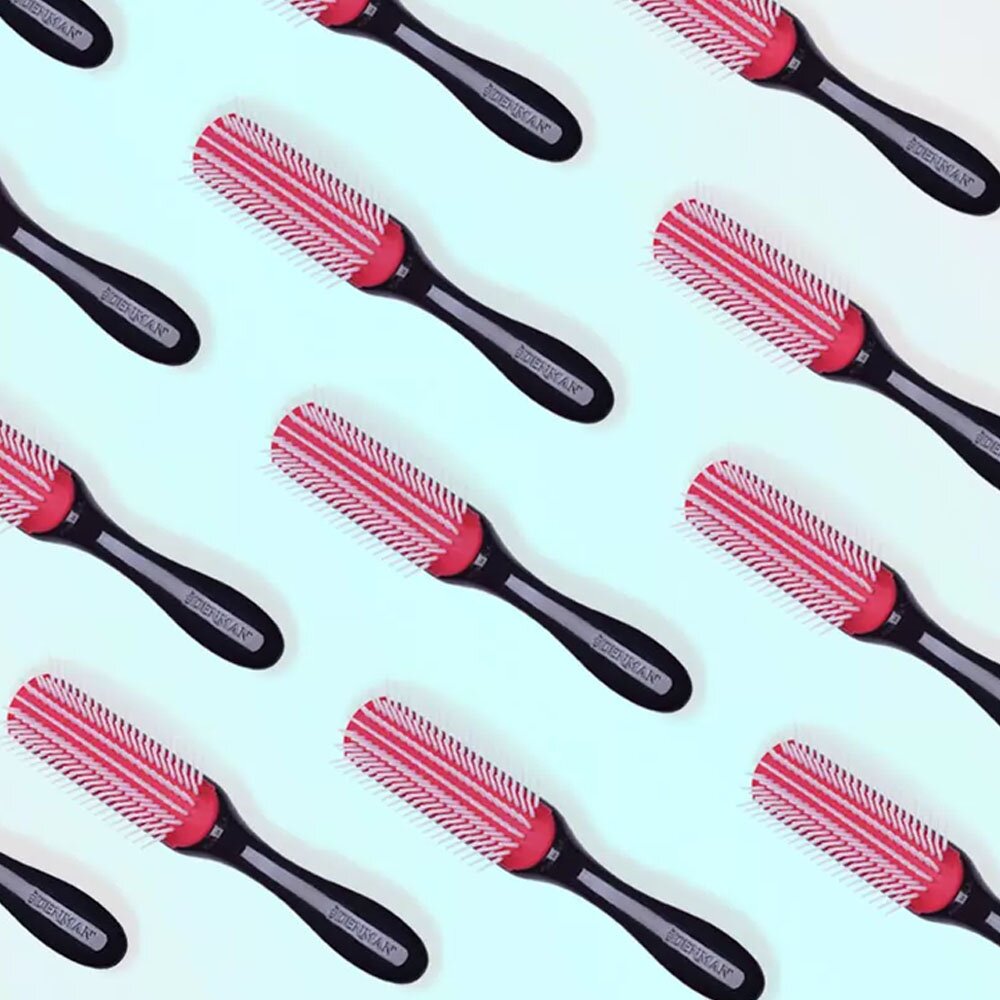
Denman D3 Brush
The Denman D3 features a unique shape with seven rows of nylon pins that work well for styling and smoothing. It’s particularly useful for creating defined curls or waves in fine hair.
-
Moroccanoil Ceramic Paddle Brush
This paddle brush combines a ceramic body for even heat distribution with soft bristles that are gentle on fine hair. It’s great for blow-drying and smoothing, and it helps to reduce frizz.
-
Spornette Deville Boar Bristle Brush
Boar bristles are known for their ability to distribute natural oils from the scalp down the hair shaft, making this brush excellent for adding shine and reducing oiliness in fine hair. It also promotes healthy growth by stimulating the scalp.
The price range for these brushes varies widely, reflecting their features and brand reputation. Typically, you can expect to pay anywhere from $10 to $50. The Tangle Teezer falls at the lower end of the spectrum, making it an affordable option for those looking to gently detangle fine hair. The Wet Brush Pro is also reasonably priced, offering excellent value for its versatility.
Mid-range brushes, like the Denman D3 and Moroccanoil Ceramic Paddle Brush, are priced around $20 to $30, balancing quality with affordability. These brushes provide additional styling capabilities, making them worthwhile investments. For those seeking the ultimate in hair care, the Spornette Deville can reach up to $50 but is often praised for its superior performance and longevity.
In terms of value for money, investing in a quality brush specifically designed for fine hair can lead to healthier, more manageable hair. Choosing a brush that suits your personal hair care needs will provide lasting benefits, making it a smart addition to your beauty regimen.
User Experiences and Reviews of Hair Brushes for Fine Hair
User experiences play a pivotal role in determining the most effective hair brushes for individuals with fine hair. The delicate nature of fine hair requires specific care, and according to numerous testimonials, the right brush can make all the difference. Many users have shared their journeys, highlighting how certain brushes have transformed their hair care routines and the overall health of their hair. These personal stories not only help others make informed choices but also showcase the value of community feedback in the hair care industry.
Real-world experiences often provide insights that marketing materials simply cannot convey. Users frequently highlight specific characteristics of brushes that cater to fine hair needs, such as bristle softness, flexibility, and the ability to detangle without causing breakage. When shopping for a hairbrush, potential buyers tend to rely heavily on these testimonials to guide their decisions, as they often reflect similar challenges and desires.
Impact of User Feedback on Brush Selection
The significance of user feedback in selecting hair brushes for fine hair cannot be overstated. Consumers often consider reviews and testimonials to gauge the effectiveness of different products before making a purchase. The following points illustrate the importance of these user experiences:
- Real-life endorsements: Users who share their success stories often discuss how a particular brush improved their styling efficiency and hair health. For instance, one user noted that a specific boar bristle brush helped reduce frizz and enhanced shine, directly influencing others to try it.
- Common challenges and solutions: Many fine-haired individuals face similar issues, such as tangling and breakage. Reviews often highlight brushes that excel in addressing these concerns, guiding readers to viable options that can alleviate their frustrations.
- Contextualizing product claims: User experiences contextualize the marketing claims made by brands. For example, a brush advertised as ‘gentle on fine hair’ is validated by users who have experienced fewer split ends or reduced hair loss while using it.
- Durability and effectiveness: Users frequently comment on the longevity and performance of brushes over time. This feedback helps others understand which brushes are worth the investment and which may fall short after a few uses.
- Community recommendations: Social media and online forums amplify user voices, allowing for broader discussions about various brushes. Recommendations from fellow fine-haired individuals create a sense of trust, as they are perceived as more reliable than traditional advertising.
“Finding the right brush was like discovering a secret weapon against my hair’s fragility.” – A satisfied user sharing their experience.
In summary, user experiences offer invaluable guidance when selecting hair brushes for fine hair. The collective wisdom found in reviews and testimonials helps new buyers navigate their options, ensuring that they choose products that align with their specific hair needs. These real-world insights transform the shopping experience from a daunting task into a more informed and confident purchase journey.
Final Review
In conclusion, choosing the right hair brush for fine hair is crucial for achieving beautiful and healthy locks. By understanding the specific needs of fine hair and being aware of the types of brushes available, along with best practices for maintenance, you can significantly improve your hair care routine. Remember, the right tools not only help in styling but also protect your hair from unnecessary damage. With the insights provided, you’re now ready to brush with confidence and keep your fine hair looking its best.
Essential FAQs
What type of hair brush is best for fine hair?
A wide-tooth comb or a boar bristle brush is generally best as they prevent breakage and help maintain hair health.
How often should I clean my hair brush?
It’s recommended to clean your hair brush every two weeks to remove hair and product buildup.
Can I use a paddle brush on fine hair?
Yes, a paddle brush can be used, but make sure it has softer bristles to avoid damaging fine strands.
Should I brush my hair wet or dry?
It’s best to brush fine hair when it’s dry to prevent excessive breakage, as wet hair is more vulnerable.
How can I prevent my hair brush from causing damage?
Use gentler brushing techniques, choose the right brush for your hair type, and avoid over-brushing.