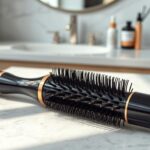
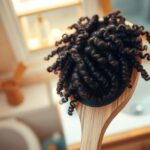
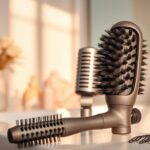
Exploring the world of straightening brushes for Afro hair reveals a transformative tool that goes beyond mere styling. With its unique characteristics, Afro hair often requires specific care and attention, making the right straightening brush an essential addition to any hair care routine. This introduction sets the stage for understanding how these brushes can redefine the hair styling experience, providing both beauty and health benefits.
As we delve deeper into the topic, it becomes clear that a straightening brush is more than just an accessory; it’s a solution tailored for the textured hair that often faces challenges with traditional straightening methods. By embracing the right tools, individuals can achieve smooth, beautiful results while maintaining the integrity of their hair. This guide will walk you through everything you need to know about selecting and using a straightening brush specifically designed for Afro hair.
The Importance of Using a Straightening Brush for Afro Hair
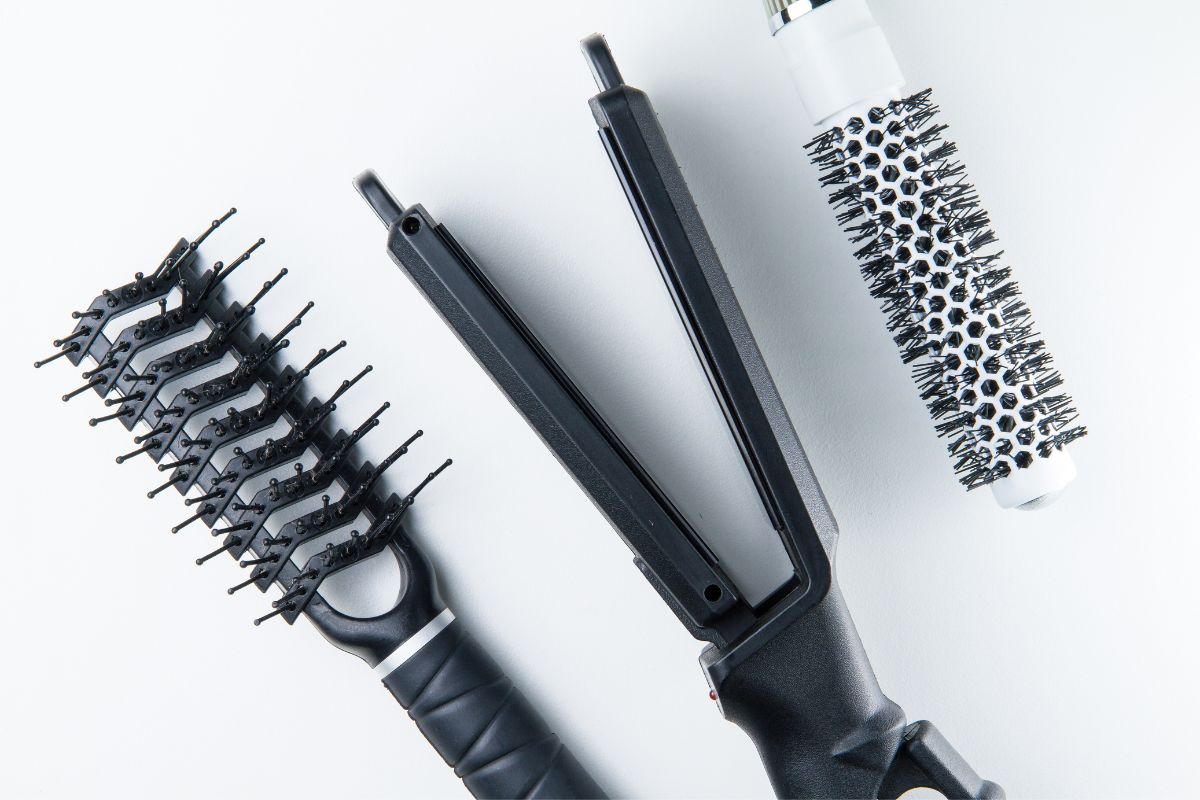
The journey of managing Afro hair can be both rewarding and challenging, given its unique texture and characteristics. For many, the quest for a sleek, smooth look leads them to various styling tools. Among these, the straightening brush has carved a niche for itself, especially for individuals with Afro hair. This tool not only simplifies the straightening process but also provides a variety of benefits that cater specifically to the needs of this hair type.
A straightening brush is particularly beneficial for Afro hair due to its ability to combine heat and styling in one easy step. Afro hair is typically thick, coily, and tends to hold moisture, making it more resistant to traditional straightening methods. The unique structure of Afro hair, characterized by its tight curls and kinks, necessitates a tool that can effectively penetrate the strands without causing excessive heat damage. This is where a straightening brush shines; it features wide bristles that can gently glide through the hair while distributing heat evenly. This method minimizes the risk of scorching the hair, which is common with flat irons that apply concentrated heat to specific sections.
Characteristics of Afro Hair and Tool Suitability
Afro hair has several distinct characteristics that make the straightening brush an ideal tool for styling:
- Textural Diversity: Afro hair can range from fine to coarse, with varying curl patterns. The straightening brush accommodates this diversity by allowing for different techniques, whether one desires a sleek finish or simply a more stretched look.
- Moisture Retention: Afro hair naturally retains moisture, which can make it more resilient to heat. However, this also means that using high temperatures with traditional straighteners can lead to damage. The straightening brush allows for lower temperature settings, reducing the risk of heat damage.
- Volume Control: Due to the natural volume of Afro hair, many individuals prefer a tool that can help manage this aspect. The straightening brush can create a smooth appearance while still allowing for body and movement, unlike flat irons that can sometimes flatten hair excessively.
- Ease of Use: The design of a straightening brush allows for quicker styling sessions, which is particularly advantageous for those with thick or dense hair. It combines the functionality of brushing and straightening, making it a time-saving option.
The differences between a straightening brush and other hair straightening tools, such as flat irons and blow dryers, are notable. Flat irons often require sectioning the hair meticulously and applying intense heat to achieve straightness, leading to potential damage if not used correctly. Blow dryers, while effective for straightening, typically require additional tools, like brushes, for styling, adding time to the process. In contrast, a straightening brush streamlines this experience, offering the benefits of both brushing and straightening in one simple device.
How to Choose the Right Straightening Brush for Afro Hair
Choosing the right straightening brush for Afro hair is essential for achieving a smooth, sleek look without compromising the health of your hair. With the vast array of options available, it’s important to know the key features that cater specifically to the unique texture and needs of Afro hair. Understanding the differences in materials, technologies, and bristle designs can significantly enhance your styling experience.
Key Features to Look For
When selecting a straightening brush, certain features play a crucial role in ensuring effective styling for Afro hair. Here are some key aspects to consider:
- Heat Settings: Variable heat settings allow you to adjust the temperature according to your hair’s tolerance. This is particularly important for Afro hair, which may be more prone to damage from excessive heat. Look for brushes offering a range from 300°F to 450°F.
- Temperature Recovery: Brushes that recover quickly to your desired temperature ensure consistent heat application, reducing styling time and minimizing heat exposure.
- Bristle Material: Ceramic and tourmaline bristles are popular choices as they distribute heat evenly and reduce frizz. Additionally, these materials can help in minimizing damage to the hair cuticle.
- Anti-Static Features: Brushes equipped with anti-static technology help to control flyaways and enhance the overall smoothness of the hair.
Materials and Technologies in Straightening Brushes
The materials and technologies used in straightening brushes greatly influence their effectiveness for Afro hair. Here’s a comparison of commonly used materials:
- Ceramic: Known for its even heat distribution, ceramic is excellent for maintaining consistent temperatures, which is essential for effective straightening without scorching the hair.
- Tourmaline: This mineral enhances the ionic properties of the brush, producing negative ions that help seal moisture into the hair and reduce frizz.
- Ion Technology: Brushes with ion technology emit negatively charged ions, which counteract the positive ions in frizzy hair. This results in smoother and shinier hair.
- Metal Bristles: While some brushes use metal bristles, they can conduct high heat unevenly, which can lead to potential hair damage. It’s advisable to avoid these types for Afro hair.
Bristle Design and Its Importance
The design of the bristles in a straightening brush directly affects the ease of use and effectiveness of styling. A few important considerations regarding bristle design include:
- Spacing: Wider spacing between bristles can help detangle thick Afro hair more easily while allowing for better heat distribution.
- Length: Longer bristles can reach deeper into the hair, providing better straightening for coarser textures.
- Round Tips: Brushes with round tips are less likely to snag or damage the hair while styling, making them a safer choice for maintaining hair health.
For Afro hair, it’s crucial to prioritize brushes that offer adjustable heat settings and bristle designs that minimize damage while maximizing styling efficiency.
Preparing Afro Hair for Straightening with a Brush
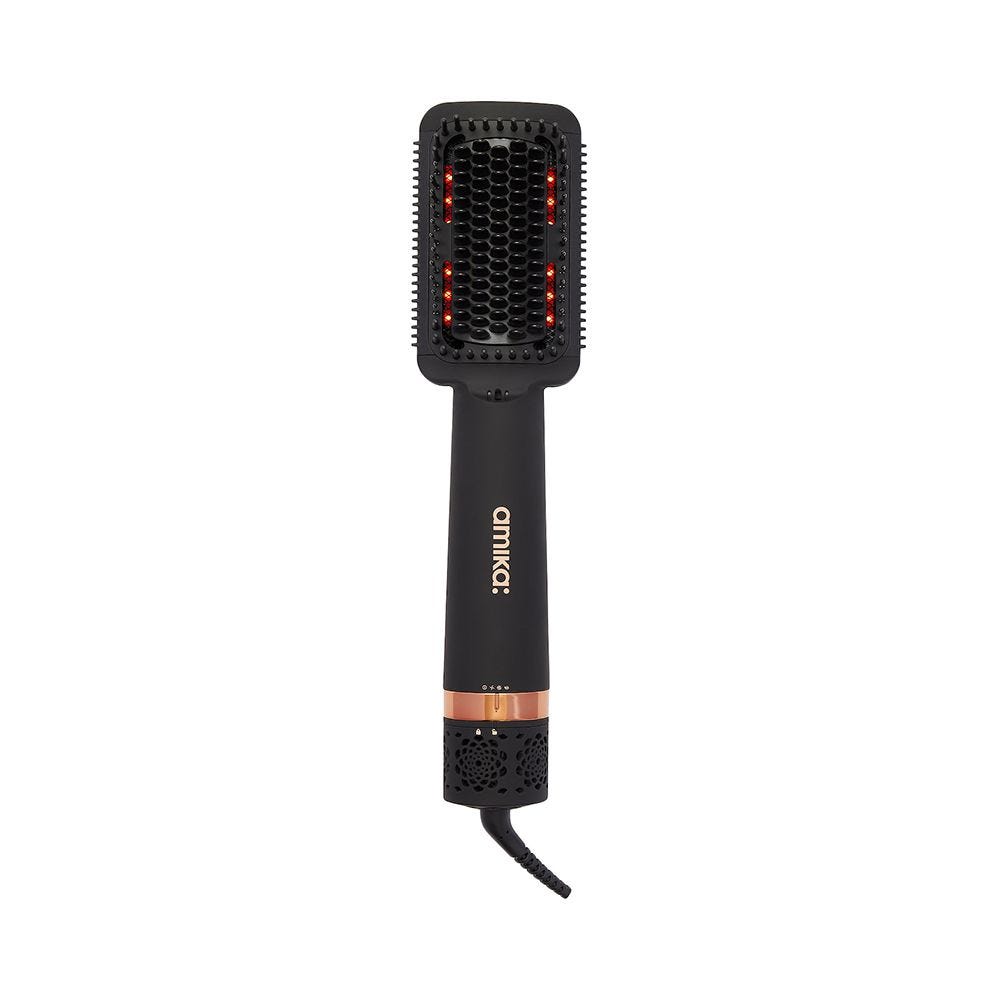
When it comes to straightening Afro hair, preparation is key. Properly prepping your hair not only ensures better results but also helps maintain its health and integrity. A well-executed preparation routine allows the straightening brush to work more effectively, resulting in smoother, shinier, and straighter hair.
To achieve the best results when using a straightening brush, it’s crucial to follow a few essential steps to prepare Afro hair. This preparation process includes washing, conditioning, and detangling, all of which play significant roles in ensuring that your hair is in optimal condition. Additionally, using heat protectants is vital in safeguarding your hair from potential damage caused by high temperatures.
Washing and Conditioning Afro Hair
The initial steps in preparing your hair for straightening involve washing and conditioning. This process removes any dirt, product buildup, and excess oils that could hinder the effectiveness of the straightening brush.
– Use a sulfate-free shampoo: Choose a gentle, moisturizing shampoo formulated specifically for Afro hair. This helps to cleanse without stripping natural oils.
– Apply a deep conditioner: After washing, apply a deep conditioner to hydrate and nourish your hair. Look for products rich in natural oils, proteins, and moisturizing ingredients.
– Rinse thoroughly: Ensure all conditioner is washed out to prevent residue that can weigh your hair down.
The significance of these steps cannot be overstated, as they prepare the hair cuticle, allowing the straightening brush to glide smoothly during the styling process.
Detangling Afro Hair
After washing and conditioning, detangling is a crucial step in the preparation process. Proper detangling minimizes breakage and prepares the hair for the heat application.
– Use a wide-tooth comb: While the hair is still damp and conditioned, gently use a wide-tooth comb to detangle from the ends upward to avoid excessive pulling and breakage.
– Apply a leave-in conditioner: A leave-in conditioner can help maintain moisture levels while making detangling easier and smoother.
– Section your hair: Working in manageable sections allows for thorough detangling without overwhelming your hair.
This step not only helps in achieving a smooth finish but also reduces the likelihood of damage when using the straightening brush.
Using Heat Protectants
The role of heat protectants in the preparation process is critical to maintaining the health of Afro hair. Applying a heat protectant shields the hair from the damaging effects of high temperatures.
– Select a high-quality heat protectant: Look for products specifically designed for high-heat styling, containing ingredients like silicones and oils that form a protective barrier.
– Apply evenly: Divide your hair into sections and apply the heat protectant evenly to each section before using the straightening brush.
– Allow it to dry: Let the heat protectant sit for a few minutes before styling to ensure maximum protection.
Using a heat protectant not only helps reduce the risk of heat damage but also enhances the overall smoothness and shine of the hair during and after straightening.
Techniques for Effectively Using a Straightening Brush on Afro Hair
Using a straightening brush on Afro hair can transform your look, offering sleekness and shine while maintaining the health of your hair. However, to achieve optimal results, it’s vital to employ effective techniques that cater to the unique texture and needs of Afro hair. This guide will delve into sectioning methods, a step-by-step process for straightening, and the significance of brush movement and pressure.
Sectioning and Styling Afro Hair
Proper sectioning is crucial when straightening Afro hair. By dividing the hair into manageable sections, you ensure even heat distribution and better results. Here’s how to effectively section your hair before using the straightening brush:
1. Preparation: Start with clean, detangled hair. Apply a heat protectant spray to shield your hair from heat damage.
2. Divide into Quadrants: Split your hair into four sections, using clips to secure them. This method simplifies the straightening process and prevents tangling.
3. Further Sub-sectioning: For thicker hair, you may need to create smaller subsections, about 1-2 inches wide. This allows the brush to reach the roots and straighten each strand thoroughly.
Benefits of Proper Sectioning:
– Even heat application.
– Reduced risk of missing sections and having uneven texture.
– Easier handling of hair, preventing breakage.
Step-by-Step Guide for Best Results
To achieve the best straightening results while minimizing heat damage, follow this step-by-step guide:
1. Apply Heat Protectant: Always start with a heat protectant to mitigate heat exposure.
2. Set the Brush Temperature: Choose a temperature suitable for your hair type. For Afro hair, a medium heat setting is generally effective.
3. Begin with the Back Sections: Start with the back quadrant, working your way forward. This strategy prevents uneven styling and allows you to focus on the most noticeable areas last.
4. Brush Technique:
– Place the brush close to the roots and glide it down the hair shaft.
– Use a slow and steady motion, allowing the heat to penetrate the hair.
– Avoid pulling or yanking the brush, which can cause breakage.
5. Repeat if Necessary: If the hair isn’t as straight as desired after one pass, you can go over the section again, but be cautious not to overdo it, as this can lead to heat damage.
“Slow and steady wins the race; always prioritize hair health over speed.”
Proper Brush Movement and Pressure
The way you move the straightening brush and the pressure applied play significant roles in achieving a smooth finish.
1. Fluid Movements: Aim for a fluid, relaxed motion rather than jerky movements, which can cause kinks and unevenness.
2. Gentle Pressure: Apply just enough pressure to ensure the brush makes contact with your hair without forcing it. Excessive pressure can cause damage and frizz.
3. Angle of the Brush: Hold the brush at a slight angle rather than straight up and down. This helps to better align the bristles with the hair cuticle, leading to a smoother finish.
By mastering these techniques, you can enjoy beautifully straightened hair while preserving the integrity of your Afro texture. With patience and practice, using a straightening brush can become a straightforward part of your styling routine.
Aftercare Tips for Afro Hair Post-Straightening
After using a straightening brush on Afro hair, it’s essential to adopt a comprehensive aftercare routine to maintain hair health and ensure long-lasting results. The right aftercare practices not only preserve your newly straightened look but also nourish and protect your hair from potential damage caused by heat styling. By focusing on hydration, nourishment, and protection, you can enhance your hair’s overall vitality.
A well-structured aftercare routine involves several key practices. These practices are designed to keep your hair moisturized, minimize frizz, and protect it from environmental stressors. It’s crucial to incorporate suitable products and techniques that cater specifically to the needs of Afro hair after it has been straightened.
Hydration and Nourishment
Hydrating and nourishing Afro hair post-straightening is critical for maintaining its health. Here are some essential practices to consider:
- Use a Deep Conditioner: Incorporate a rich deep conditioner into your routine once a week. Look for conditioners with ingredients such as shea butter, coconut oil, or argan oil, as they provide intense moisture.
- Apply Leave-In Conditioner: After washing, use a leave-in conditioner to lock in moisture. This helps to keep the hair hydrated throughout the week and reduces the chance of dryness.
- Moisturize Regularly: Apply a lightweight moisturizer daily, focusing on the ends of your hair. This step is vital to avoid split ends and maintain a healthy sheen.
- Oil Treatments: Incorporate natural oils like jojoba or olive oil into your regimen. These oils can be applied as a treatment on wet hair or used sparingly on dry hair to add shine and protect against breakage.
Protection Techniques
Protecting your hair from environmental damage is essential after straightening. Adopting protective styles and techniques can help maintain your hair’s integrity:
- Heat Protection: Always use a heat protectant spray before any subsequent heat styling to shield your hair from further damage.
- Silk or Satin Accessories: Sleep on silk or satin pillowcases to reduce friction and prevent moisture loss overnight. Alternatively, use a silk or satin scarf or bonnet.
- Limit Washing: Avoid washing your hair too frequently. Aim for a wash every 7-10 days to allow natural oils to nourish your hair.
- Gentle Styling: Be cautious when styling; opt for gentle techniques that prevent tugging or pulling on your hair.
Routine Maintenance
Establishing a routine for regular maintenance is key to sustaining the results of your straightening session. Implement these practices weekly and monthly:
- Regular Trims: Schedule trims every 6-8 weeks to remove split ends and promote healthy growth.
- Scalp Care: Maintain a healthy scalp by incorporating scalp massages with essential oils, which can stimulate circulation and promote growth.
- Hydration from Within: Drink plenty of water and maintain a balanced diet rich in vitamins and minerals to support hair health from the inside.
“By prioritizing hydration, nourishment, and protection, you can ensure your Afro hair remains healthy and vibrant even after straightening.”
Common Mistakes to Avoid When Using a Straightening Brush on Afro Hair
Using a straightening brush on Afro hair can be a game changer for achieving a sleek and polished look. However, there are several common mistakes that can hinder the effectiveness of the tool and potentially damage your hair. Recognizing and correcting these errors is essential for maintaining hair health and achieving desired styling outcomes.
One frequent error is applying the straightening brush on wet or damp hair. This can lead to frizz and damage, as the heat can cause moisture to be trapped in the hair shaft. It is crucial to ensure that your hair is completely dry before straightening. Additionally, using the brush on hair that hasn’t been properly detangled can create unnecessary breakage. Always comb through your hair with a wide-tooth comb or a detangling brush before using the straightening brush.
Common Mistakes and Corrections
Understanding the specific mistakes can significantly enhance your styling sessions. Here are key errors to avoid when using a straightening brush on Afro hair, along with how to correct them for optimal results:
- Neglecting Heat Protection: Skipping a heat protectant can lead to heat damage. Always apply a high-quality heat protectant spray or serum to shield your hair from thermal damage.
- Using Incorrect Temperature: High heat settings can be damaging to delicate Afro hair. Opt for a lower temperature, ideally between 160°F and 200°F, to prevent excessive damage while still achieving straightness.
- Rushing Through the Process: Trying to straighten your hair too quickly can result in uneven styling. Take small sections and pass the brush slowly through your hair for an even finish.
- Using the Brush as a Comb: Some individuals mistakenly use the straightening brush to detangle hair. This can lead to breakage; always detangle before you start straightening.
- Not Cleaning the Brush: A dirty brush can transfer product buildup and dirt back onto your hair. Clean your brush regularly to maintain its effectiveness and keep your hair looking fresh.
Improper use of a straightening brush not only affects the immediate look but can also have long-term effects on hair health. Overheating can lead to brittleness and split ends, making it harder to maintain healthy hair. Furthermore, neglecting to follow proper techniques may result in your straightened style lasting only a short time, leading to increased frustration and frequent re-styling. Adopting best practices ensures not just a great look but also contributes to the longevity of your hairstyles.
Frequently Asked Questions About Straightening Brushes for Afro Hair
Straightening brushes have become a popular tool for many, especially those with Afro hair seeking versatility in styling. However, there are several misconceptions and concerns that often arise regarding their use. This section aims to clear up some common myths and provide insightful user experiences to help guide your straightening brush journey.
Common Misconceptions About Straightening Brushes
Many individuals believe that straightening brushes can severely damage Afro hair. However, when used correctly, these tools can be quite gentle. High-quality brushes generally come with adjustable heat settings, allowing users to select a temperature that minimizes damage. Additionally, some may think that straightening brushes are only suitable for straightening hair, but they can also be used to create waves and curls, enhancing styling versatility.
User Experiences and Feedback
Users have shared a variety of experiences with different straightening brushes, highlighting the importance of selecting the right tool. Feedback has indicated that brushes with ionic technology often provide smoother results and reduced frizz. For instance, a popular user-reviewed straightening brush is known to heat up in under 30 seconds, making it convenient for those with busy schedules. Many users report being able to achieve desired styles in less than 15 minutes, which is significantly faster than traditional methods.
Concerns Related to Hair Damage and Styling Effectiveness
Concerns about hair damage are prevalent among those considering using a straightening brush. However, it’s crucial to understand that using heat protectants prior to styling can greatly reduce the risk of damage. Moreover, many users have noted that their hair feels softer and smoother after using high-quality straightening brushes, which often have bristles designed to distribute heat evenly. It’s important to remember that the right technique, such as sectioning hair and not holding the brush too long on one strand, can improve effectiveness while ensuring hair health.
Using a heat protectant and the right technique can drastically reduce hair damage while maximizing styling effectiveness.
In conclusion, by addressing misconceptions, gathering user feedback, and understanding concerns about hair damage, individuals can confidently choose and use straightening brushes tailored for Afro hair.
Outcome Summary
In summary, the journey of straightening brushes for Afro hair illustrates the importance of choosing the right tool and technique for optimal results. By understanding the unique needs of Afro hair and implementing proper care routines, anyone can achieve stunning, straight styles without compromising hair health. Let this guide empower you to make informed choices and embrace the beauty of your hair.
Common Queries
Can straightening brushes damage Afro hair?
While they can if used improperly, choosing a quality brush and following care instructions can minimize damage.
How often can I use a straightening brush on my Afro hair?
It’s best to limit use to once a week or bi-weekly to maintain hair health.
What temperature should I set my straightening brush?
Setting the brush between 300°F to 400°F is generally recommended for Afro hair, depending on texture.
Do I need to use a heat protectant?
Yes, using a heat protectant is crucial to safeguard your hair from heat damage.
How can I reduce frizz after straightening?
Using a lightweight serum or oil after straightening can help tame frizz and add shine.