
Hair brush for damaged hair is a crucial topic for anyone looking to maintain or restore the health of their locks. Choosing the right brush can make a significant difference in the management and recovery of damaged strands. Many people underestimate the impact that the right or wrong brush can have on hair health, leading to further damage or ineffective care.
This guide delves into the importance of selecting the appropriate brush, the characteristics that make a brush suitable for weakened hair, and techniques for brushing that minimize breakage. We also explore the maintenance of brushes, alternative tools available for hair care, myths surrounding hair brushing, and real-life testimonials that underscore the effectiveness of proper brush choice.
The Importance of Choosing the Right Hair Brush for Damaged Hair
Selecting the right hair brush is a crucial aspect of hair care, particularly for individuals dealing with damaged hair. The type of brush used can significantly influence the overall health and appearance of hair. A well-chosen brush can help reduce breakage, minimize frizz, and promote smoother strands, while the wrong one can exacerbate existing issues and create new ones. Understanding the implications of brush selection is essential for anyone looking to maintain or restore their hair’s health.
The materials and design of hair brushes play a pivotal role in their effectiveness and safety for damaged hair. For example, brushes made with natural bristles, such as boar bristle, are often gentler on the hair and can help distribute the scalp’s natural oils more evenly along the hair shaft. In contrast, synthetic bristles, particularly those made from nylon, can snag and pull at fragile strands, leading to further damage. Additionally, brushes with widely spaced teeth or cushioned bases can be less harsh on the hair, making them more suitable for detangling without causing unnecessary stress.
Using the wrong hair brush can lead to various negative outcomes, particularly for those with damaged hair. For instance, using a stiff bristle brush on wet hair can result in severe breakage and split ends. Wet hair is more vulnerable, and a brush that is too aggressive can cause more harm than good. Another scenario involves using a brush with metal bristles, which can heat up and burn the hair when used with blow dryers, leading to even more damage. Individuals who frequently color or chemically treat their hair should be particularly mindful of the tools they use; a poor choice can not only worsen existing damage but also impede the recovery process.
In summary, the impact of the right hair brush extends beyond mere aesthetics. The choice of brush can either support the healing of damaged hair or hinder it significantly. By prioritizing the right materials and designs, individuals can foster healthier hair, making the journey to restoring their locks a little easier.
Characteristics of Brushes Suitable for Damaged Hair
![20 Best Brush For Damaged Hair [2023] - Curee](https://flowcomb.com/wp-content/uploads/2026/04/6-9.jpg "20 Best Brush For Damaged Hair [2023] - Curee")
When it comes to maintaining the health of damaged hair, choosing the right hairbrush is crucial. Damaged hair is more prone to breakage, frizz, and tangling, requiring a brush that minimizes these issues while promoting smoother styling. The right brush should not only be gentle on the strands but also effective in detangling without causing further harm.
A hairbrush designed for damaged hair typically exhibits specific features that cater to the delicate nature of fragile strands. The following characteristics are essential when selecting a brush to avoid exacerbating damage and to aid in recovery.
Features of Brushes for Delicate Strands
The ideal hairbrush for damaged hair should have the following features:
- Soft Bristles: Brushes with soft bristles are less likely to tug at the hair cuticle. Materials like nylon, boar bristles, or a blend of both provide a gentle touch, reducing friction and preventing breakage.
- Flexible Design: A brush with a flexible head helps adapt to the contours of the scalp and hair, reducing the strain on weak strands during brushing.
- Wide Tooth Combs: Wide-toothed combs or brushes with spaced-out bristles are ideal for detangling wet hair, as they can glide through without pulling on knots and tangles.
- Heat Resistance: If you often style your hair with heat tools, using a heat-resistant brush can prevent further damage. Look for brushes constructed with materials that withstand high temperatures, ensuring longevity and performance.
- Ergonomic Handle: A comfortable grip reduces hand fatigue during use, making detangling sessions easier, especially for longer hair requiring more time and effort.
The choice of bristle type significantly impacts how a brush interacts with fragile hair. Natural bristles, such as boar bristles, are gentle and help distribute natural oils from the scalp along the hair shaft, enhancing shine while minimizing damage. Meanwhile, synthetic bristles, like nylon, can sometimes be more rigid, but many are designed with rounded tips that provide a gentle touch.
Importance of Brush Shape and Design
The shape and design of a brush also play a vital role in effectively detangling damaged hair. Each brush design serves a specific purpose and can enhance the overall brushing experience.
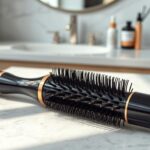
- Paddle Brushes: These feature a wide, flat surface that is excellent for smoothing hair and can cover larger sections quickly. They work well on straight hair and are effective in distributing natural oils.
- Round Brushes: Ideal for adding volume or curl to styled hair, round brushes are versatile and can be used while blow-drying to create soft waves without excessive pulling on damaged strands.
- Vented Brushes: Designed with holes through the base, vented brushes allow for better airflow. They can dry hair faster during blow-drying while minimizing heat exposure, which is beneficial for damaged hair.
- Detangling Brushes: Specifically designed for minimizing breakage, these brushes have flexible bristles that glide through knots with ease. The unique designs often feature varied bristle lengths to help separate and detangle hair smoothly.
Choosing the right brush for damaged hair is essential for maintaining hair health and appearance. A well-selected brush not only aids in detangling but also promotes overall hair care, ensuring that your strands stay as healthy and vibrant as possible.
Techniques for Brushing Damaged Hair Correctly
Brushing damaged hair requires special care and attention to prevent further breakage and promote healthier strands. It’s essential to use the right techniques that minimize stress on your hair while ensuring it remains tangle-free and manageable. This guide highlights effective methods for brushing damaged hair, focusing on the importance of sectioning and using the correct brushing motion.
The way you approach brushing can significantly influence the health of your hair, especially if it’s damaged. Damaged hair is often brittle and prone to breakage, making it crucial to treat it gently. The right techniques can help to restore your hair’s vitality while keeping it looking great.
Importance of Sectioning and Brushing Motion
Sectioning your hair before brushing is a vital technique that enhances the brushing experience and reduces damage. By dividing your hair into manageable sections, you can ensure that each part is thoroughly brushed without applying excessive force. This method not only simplifies the process but also allows you to focus on specific areas where tangles may be more prevalent.
When brushing, the direction and motion you choose are equally important. Opt for a gentle, downward motion and avoid pulling the brush through your hair. Instead, start from the ends of the hair and gradually work your way up to the roots. This technique reduces the risk of causing additional damage and helps maintain the integrity of the hair shaft.
- Sectioning the Hair: Begin by dividing your hair into four to six sections, depending on its thickness. Use clips to hold each section in place while you work. This will help you manage tangles more effectively and avoid overwhelming your hair.
- Brushing Technique: Start with the bottom section of your hair. Place the brush at the ends and gently pull through any knots. Once the ends are detangled, move upwards towards the roots, continuing this gentle motion. This gradual approach prevents unnecessary stress on your hair.
- Use the Right Brush: Choose a brush designed for damaged hair, such as a wide-toothed comb or a brush with soft bristles. These tools are gentler on the hair and help reduce friction, which can lead to further damage.
- Brushing Frequency: Limit brushing to once or twice a day. Over-brushing can exacerbate damage, especially if your hair is already fragile. Ideally, brush your hair when it’s dry, as wet hair is more prone to breakage.
- Incorporate Conditioning Treatments: Consider using leave-in conditioners or detangling sprays before brushing. These products provide extra slip, making it easier to glide the brush through your hair without tugging.
By implementing these techniques, you can create a brushing routine that protects your damaged hair and promotes its health over time. Establishing a gentle approach not only helps to maintain your hair’s integrity but also encourages growth and vitality. Incorporating these methods into your daily hair care routine can lead to noticeable improvements in the overall condition of your hair.
Maintenance and Care for Hair Brushes to Ensure Longevity
Keeping your hair brushes in top condition is essential for both their longevity and your hair’s health. Regular maintenance can make a significant difference, especially if you have damaged hair that requires extra care. Understanding how to properly clean and maintain your brushes will not only prolong their life but also prevent any harm that could stem from using dirty tools. Dirty brushes can harbor bacteria, oils, and hair product residue, which can lead to more damage to your hair and scalp. Therefore, taking the time to care for your brushes is an investment in your overall hair health.
Cleaning and maintaining your hair brushes is a straightforward process that, if done regularly, will yield excellent results. To start, you should remove hair strands from your brush after each use. This prevents tangling and buildup. Next, cleaning your brushes at least once a month is recommended. Fill a bowl or sink with warm water and add a gentle shampoo or a few drops of dish soap. Soak the brushes in the solution for about 10-15 minutes to loosen any buildup. After soaking, use an old toothbrush or a fine-tooth comb to scrub the bristles gently. Rinse thoroughly under running water, ensuring no soap remains. Allow the brushes to air dry completely before storing them away. This method not only cleans but also rejuvenates the bristles, making them more effective.
Impact of Dirty Brushes on Hair Health
Utilizing dirty brushes can severely impact the condition of your hair. When brushes accumulate product residue, dirt, and oils, they can transfer these onto your scalp and hair, leading to a buildup that clogs hair follicles and may cause irritation. It can also exacerbate existing damaged hair conditions, such as split ends and breakage. Regularly cleaning your brushes helps eliminate these harmful substances, promoting a healthier scalp and, ultimately, healthier hair growth. Neglecting brush maintenance can contribute to frequent tangling and frizz, making styling more challenging and time-consuming.
For effective brush maintenance, it’s essential to have the right cleaning materials and methods at hand. Below is a checklist to guide you through the process:
- Cleaning Materials:
- Gentle shampoo or mild dish soap
- Warm water
- Old toothbrush or fine-tooth comb
- Towel for drying
- Cleaning Methods:
- Remove hair from the brush after each use.
- Soak the brush in a warm water and shampoo solution.
- Scrub the bristles gently using a toothbrush or comb.
- Rinse thoroughly with clean water.
- Air dry the brush before use or storage.
Keeping these materials and methods in mind ensures that your hair brushes remain effective tools for maintaining your hair’s health and appearance.
Alternative Tools for Managing Damaged Hair
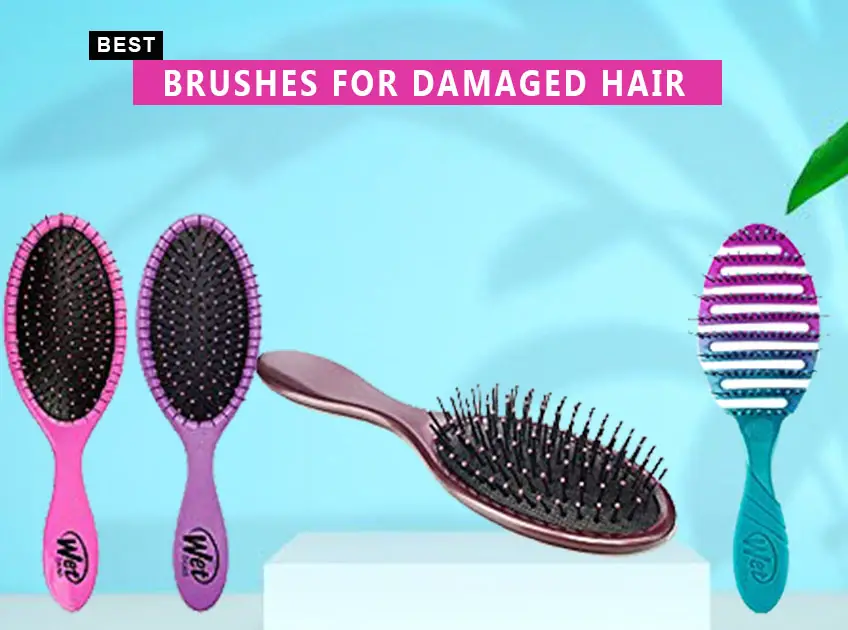
When it comes to caring for damaged hair, many individuals often rely solely on brushes to detangle and style their locks. However, several alternative tools can provide better results and minimize further damage. Understanding the variety of options available allows for more informed decisions that cater to the specific needs of distressed hair. This segment explores some effective alternatives, including combs, detangling sprays, and other styling tools, and discusses their advantages over traditional brushes.
Effective Alternatives to Brushes
Several tools can be utilized to manage damaged hair effectively. Each tool comes with distinct features that cater to different hair types and conditions. Here are some notable alternatives that can help alleviate the stress on your hair:
- Wide-Tooth Combs: Wide-tooth combs are designed specifically for detangling wet or dry hair. They minimize breakage by allowing strands to slide through without unnecessary pulling. Ideal for curly or textured hair, these combs distribute product evenly and are less abrasive than traditional brushes.
- Detangling Sprays: Detangling sprays can be a game-changer when it comes to managing knots in damaged hair. These sprays often contain moisturizing and slippery agents, such as silicones or natural oils, which make it easier to glide through tangles. They create a protective layer around each strand, enhancing shine and reducing the risk of breakage during styling.
- Heat Protectant Sprays: When using heat styling tools, applying a heat protectant spray is essential. These sprays not only shield the hair from direct heat damage but also add moisture and shine, preventing further harm to already frail strands. They should be an integral part of your hair care routine, especially if you frequently use blow dryers or flat irons.
- Microfiber Towels: Using a microfiber towel instead of a regular bath towel can significantly improve the health of damaged hair. These towels absorb excess moisture without causing friction, which can lead to breakage and frizz. The gentle drying process helps maintain the hair’s natural texture and keeps it looking smooth.
- Silk or Satin Pillowcases: While not a styling tool per se, sleeping on silk or satin pillowcases can prevent friction while you sleep. This reduces hair breakage and keeps your hairstyle intact longer. Such materials help maintain moisture levels in your hair, which is vital for maintaining healthy, damaged hair.
Understanding when to use these alternatives is crucial. For instance, wide-tooth combs are best used in the shower after applying conditioner, while detangling sprays work wonders on dry hair when you’re prepping for styling. Microfiber towels should replace typical towels during the drying process for those with delicate strands.
Incorporating these tools into a hair care routine can significantly improve the manageability and overall health of damaged hair. By diversifying the tools used in hair care, individuals can mitigate damage and restore their hair to its healthiest state.
Myths and Misconceptions about Hair Brushes and Damaged Hair
Many people with damaged hair often find themselves overwhelmed by conflicting information regarding hair care, especially when it comes to the tools they use. Hair brushes play a significant role in managing hair health, yet numerous myths can mislead consumers into making poor choices. Understanding these misconceptions is key to better hair care practices and achieving healthy locks.
The common belief is that all hair brushes are created equal, but this could not be further from the truth. Different types of brushes serve varying purposes, and using the wrong one can exacerbate damage. For instance, using a fine-toothed comb on wet hair can lead to breakage, especially for those with already fragile strands. Additionally, many people think that frequent brushing is beneficial for all hair types. However, over-brushing can lead to excessive friction and breakage, particularly in damaged hair.
Prevalent Misconceptions about Hair Brushes
Several misconceptions can mislead consumers, leading to ineffective or harmful hair care practices. It’s important to address and debunk these myths to promote better choices in hair care.
1. Brushes Cause More Damage: There is a widespread belief that using any kind of brush will damage hair. In reality, the right brush can help detangle and smooth hair without causing harm. For example, a wide-tooth comb is ideal for detangling wet hair, while a boar bristle brush can help distribute natural oils. The key lies in selecting the appropriate brush for your hair type and condition.
2. The Harder the Bristle, the Better: Many consumers think that stiffer bristles provide a better cleaning and styling experience. However, hard bristles can snag and pull at damaged hair, leading to breakage. A soft-bristled brush or one designed specifically for sensitive or damaged hair is more effective at preventing further harm while still providing styling benefits.
3. Brushing More Equals Healthier Hair: It is often assumed that frequent brushing promotes healthier hair by distributing oils and stimulating the scalp. While some brushing can aid in this process, too much can lead to split ends and damage. It’s essential to find a balance and listen to your hair’s needs rather than following a strict brushing regimen.
Awareness of these myths is crucial. Misinformation can lead to choices that exacerbate hair issues rather than alleviate them. For example, a person might invest in expensive hair products but neglect the importance of their brush type, ultimately undermining their hair health efforts. Understanding the correct application and benefits of various brush types can help consumers make informed decisions.
In conclusion, debunking myths surrounding hair brushes and their impact on damaged hair is essential for consumers seeking effective hair care solutions. By recognizing the truth behind these misconceptions, individuals can take proactive steps to improve their hair health, making informed choices that promote rather than hinder their hair’s vitality.
Personal Experiences and Testimonials on Using Brushes for Damaged Hair
The journey to rejuvenating damaged hair often starts with the right tools, and many users have found that investing in the right brush can make a significant difference. From detangling to smoothing, a variety of brushes cater to different hair types and concerns, making it essential for individuals to share their experiences. Let’s dive into some personal anecdotes that reflect the transformative power of specific brushes for damaged hair.
Brush selection can be a game-changer for many, especially when dealing with issues like breakage and dryness. One user, Sarah, shared her experience with a wide-tooth detangling brush. She had been struggling with severely damaged hair due to heat styling and chemical treatments. After switching to a wide-tooth brush, she found that not only did it glide through her tangles more effortlessly, but it also minimized breakage. “I couldn’t believe how much less hair fell out during brushing,” she said.
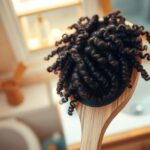
Another individual, Michael, who has thick, curly hair, discovered the benefits of using a boar bristle brush. Initially skeptical, he was surprised at how the natural fibers helped distribute oils from his scalp down the length of his hair. “My curls were looking frizzy and dull, but after using the boar bristle brush, I noticed a significant change. They were shinier and felt healthier,” he recounted. This switch not only improved his hair’s appearance but also added moisture, combating the dryness that often accompanies damaged strands.
For those with fine hair, Emily found solace in a paddle brush designed specifically for fragile hair types. “I used to dread brushing my hair after washing it because it would tangle so easily,” she shared. However, her experience changed after she tried a paddle brush with soft bristles. “It’s gentle and doesn’t pull at my hair like my old brush did. Now, I can actually enjoy the process!”
Many users have also reported success with heat-resistant brushes when blow-drying their hair. For instance, Jason, who frequently styles his hair with heat, switched to a ceramic round brush that helped reduce damage significantly. “It not only helped me achieve a smoother finish but also made my hair feel less fried after styling,” he explained.
These personal testimonials highlight how different brushes can cater to unique hair types and concerns, leading to remarkable transformations. Selecting the right brush based on individual hair needs can pave the way for healthier, more manageable hair, allowing users to embrace their natural beauty with confidence.
Wrap-Up
In conclusion, understanding how to care for damaged hair through the right brushing techniques and tools can lead to significant improvements in hair health. By debunking myths, maintaining proper care for brushes, and considering alternative tools, individuals can enhance their hair care routines. Ultimately, selecting the right hair brush for damaged hair is not just about style but about the well-being of your tresses.
FAQs
Can I use any brush on damaged hair?
No, using the wrong brush can exacerbate damage; opt for brushes specifically designed for fragile hair.
How often should I clean my hair brush?
It’s recommended to clean your hair brush every two weeks to remove hair and product buildup.
Are boar bristle brushes better for damaged hair?
Yes, boar bristle brushes can be gentler on damaged hair and help distribute natural oils.
Should I detangle wet or dry hair?
It’s best to detangle hair when it’s damp, as this reduces the risk of breakage.
What should I look for in a brush for thick damaged hair?
Choose a brush with wide-set bristles and a strong base to handle the thickness without causing tears.